 Nuuk, Greenland
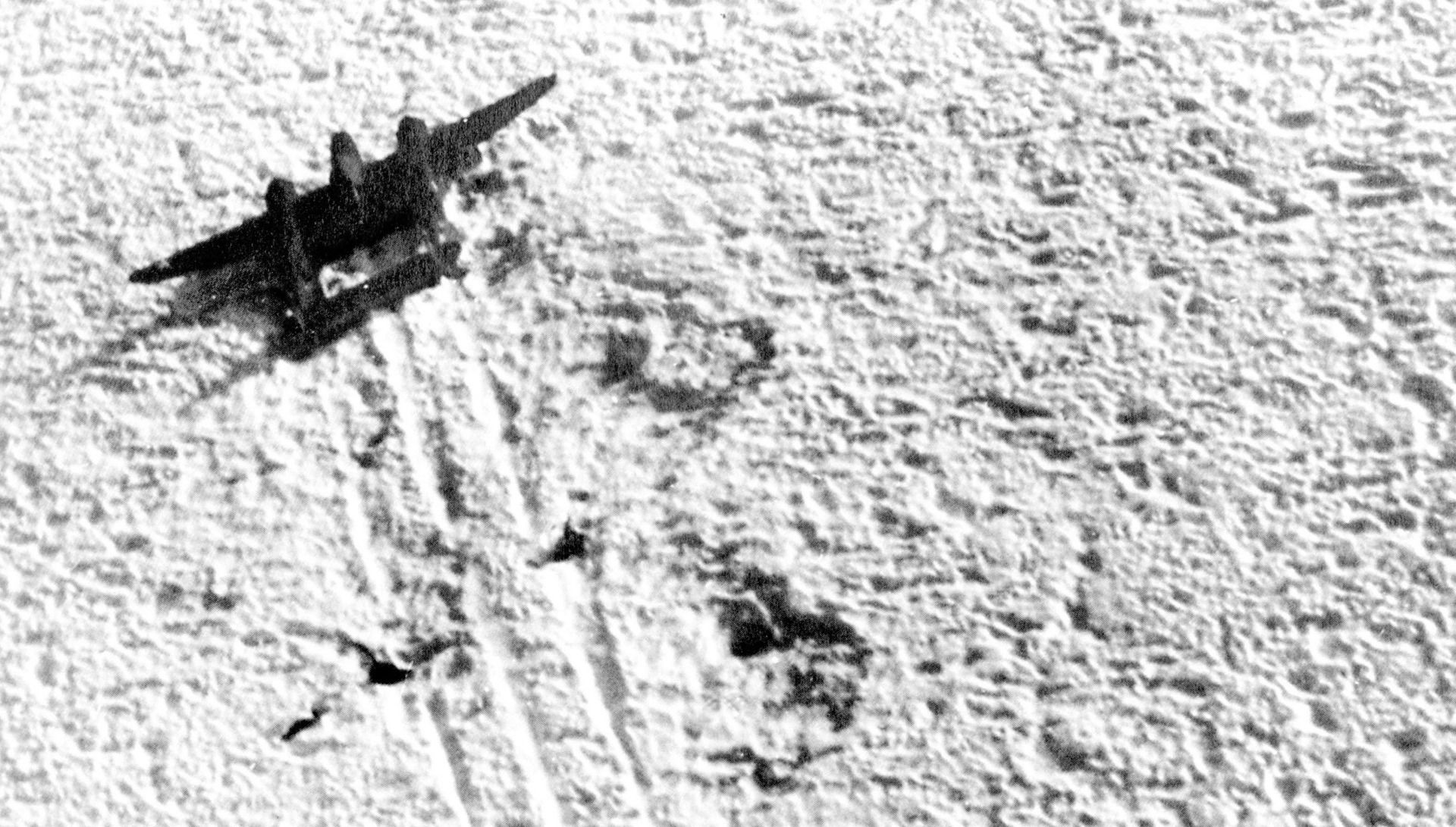
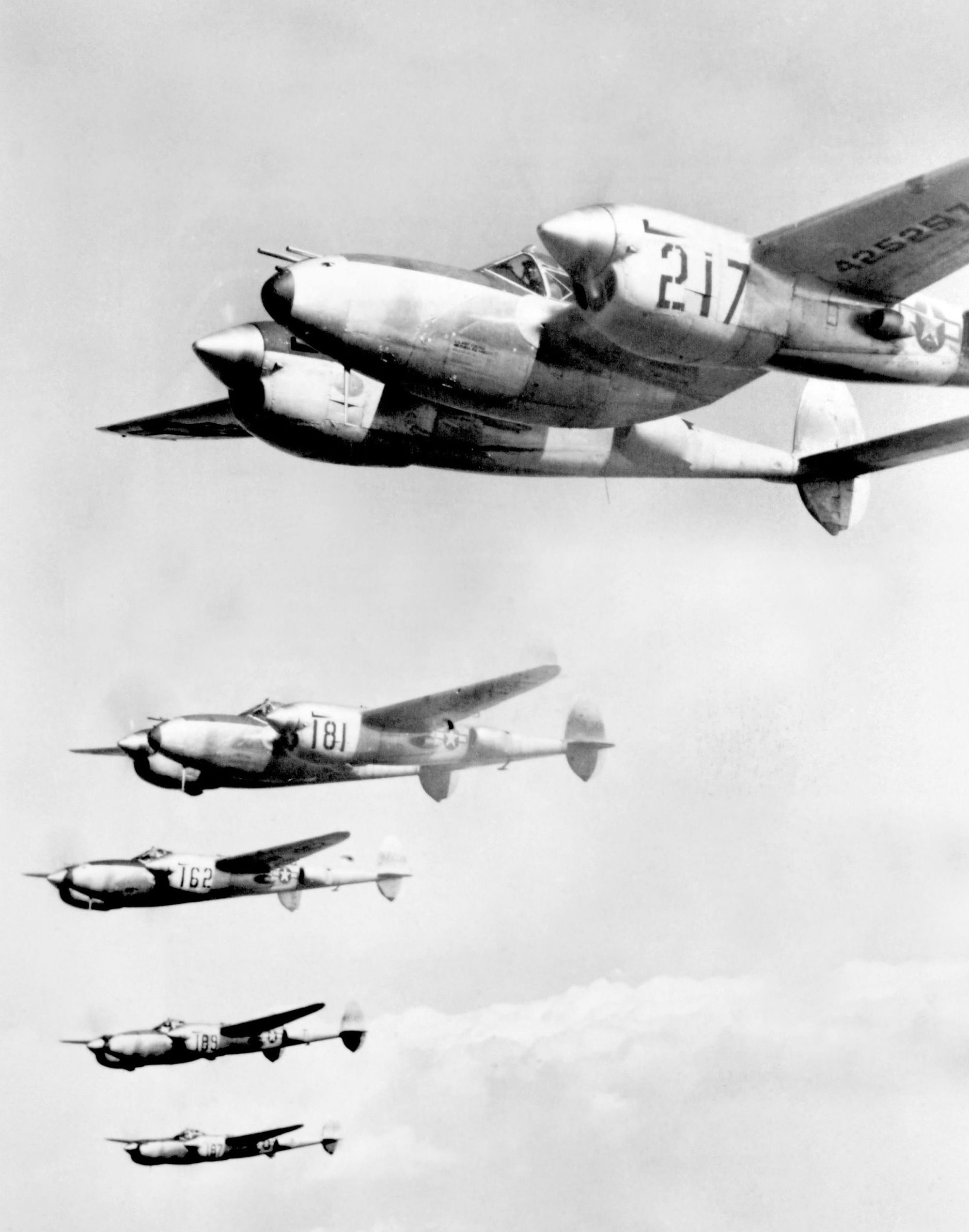
On July 15, 1942, the "Tomcat Yellow" squadron vanished into the dazzling white nothingness of the Arctic. After a desperate emergency landing 1,500 kilometers from civilization, two B-17 "Flying Fortresses" and six P-38 Lightnings were swallowed by the glacial reach. For decades, they were lost to history, buried under 250 feet of solid ice.
Now, as Greenland takes center stage in a changing world, the hunt clould be on again. The last try, led by a German-expedition, was unsuccessful. Perhaps the next expedition will again rely on volunteers to recover the precious WWII aircraft from the eternal ice? It would be an opportunity for adventurers to discover the largest island on Earth..

But read the But first, read the incredible story of a squadron of powerful bombers that have been missing for 80 years, even though their exact location is known.
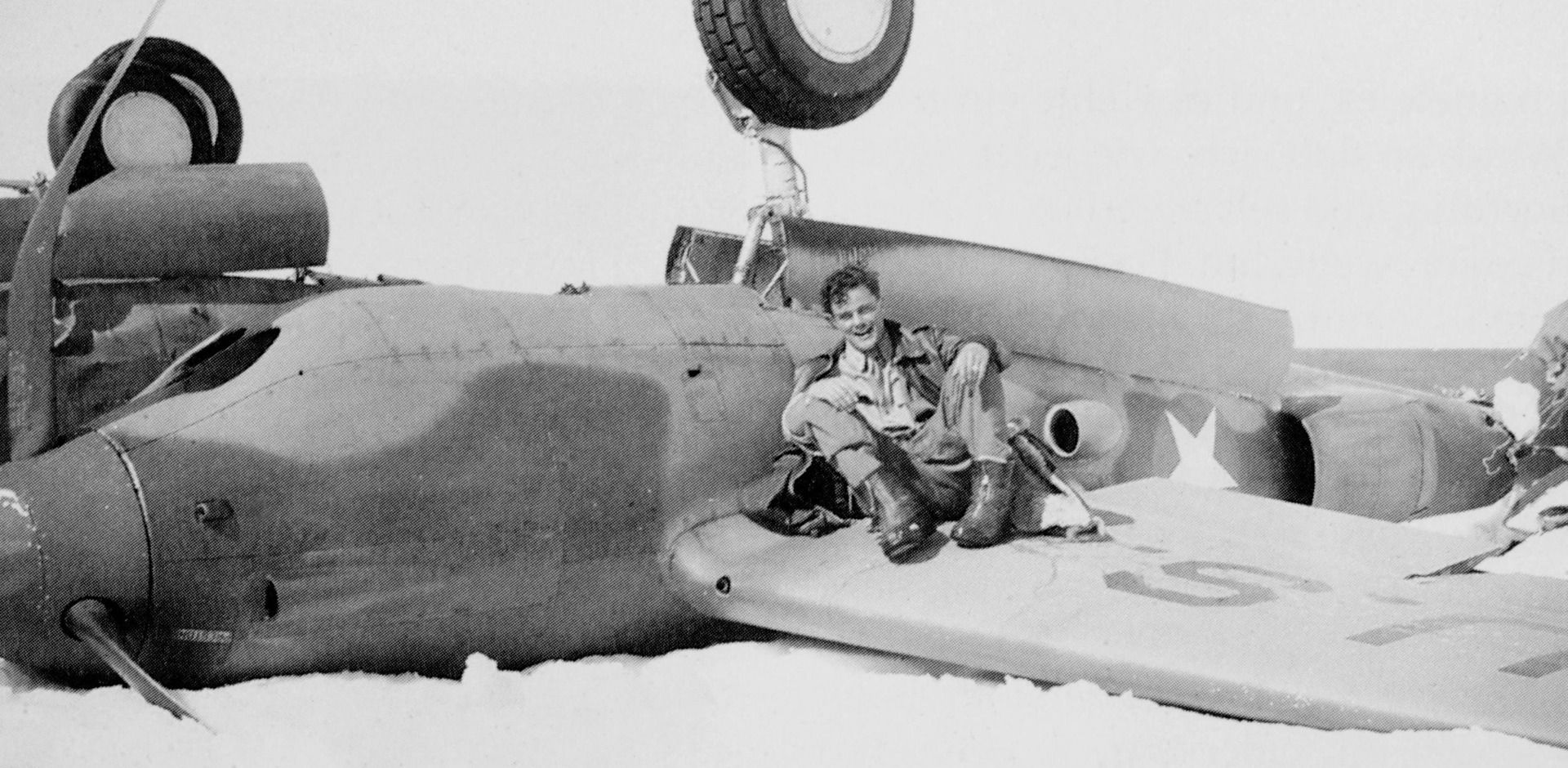
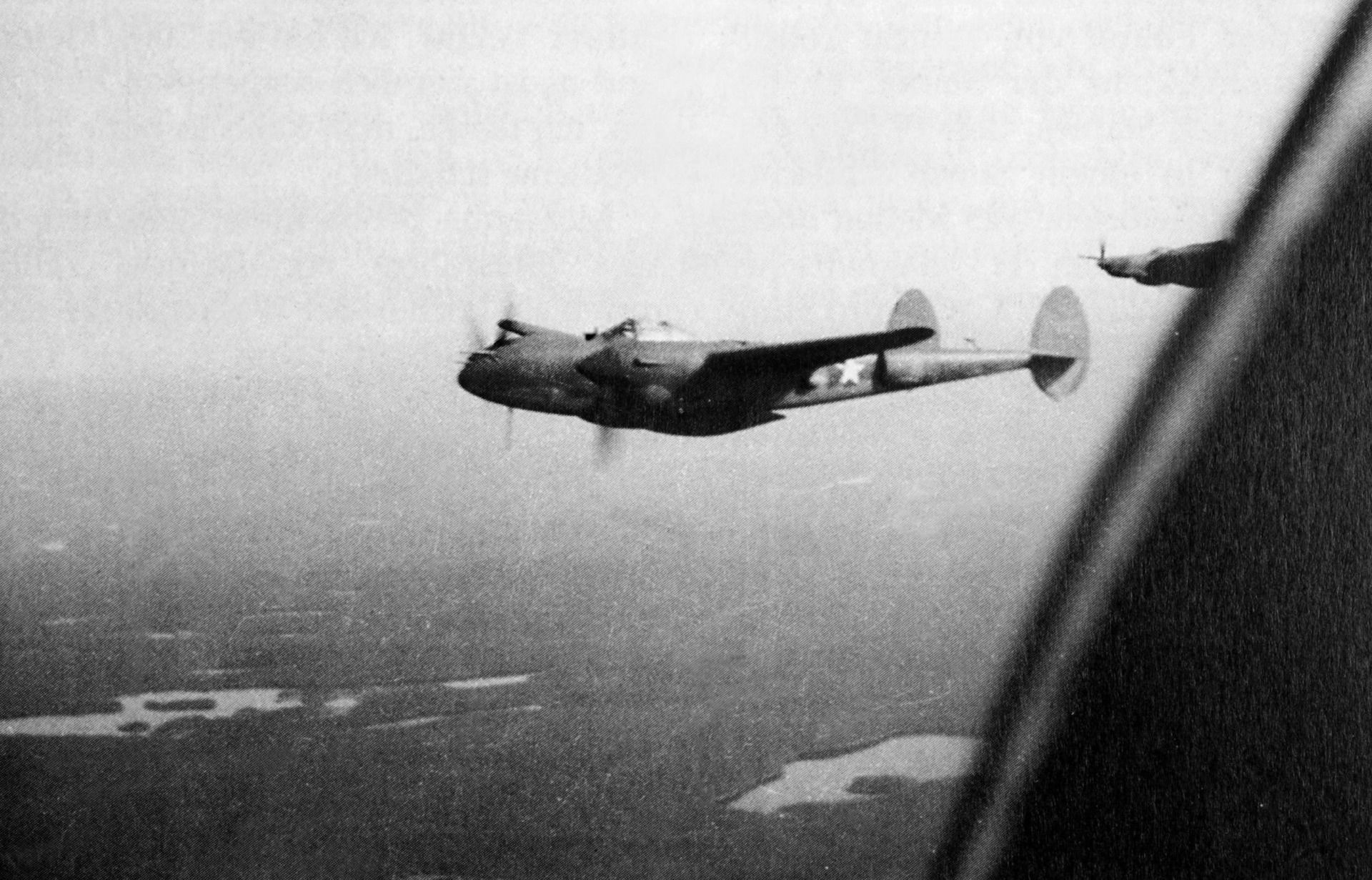
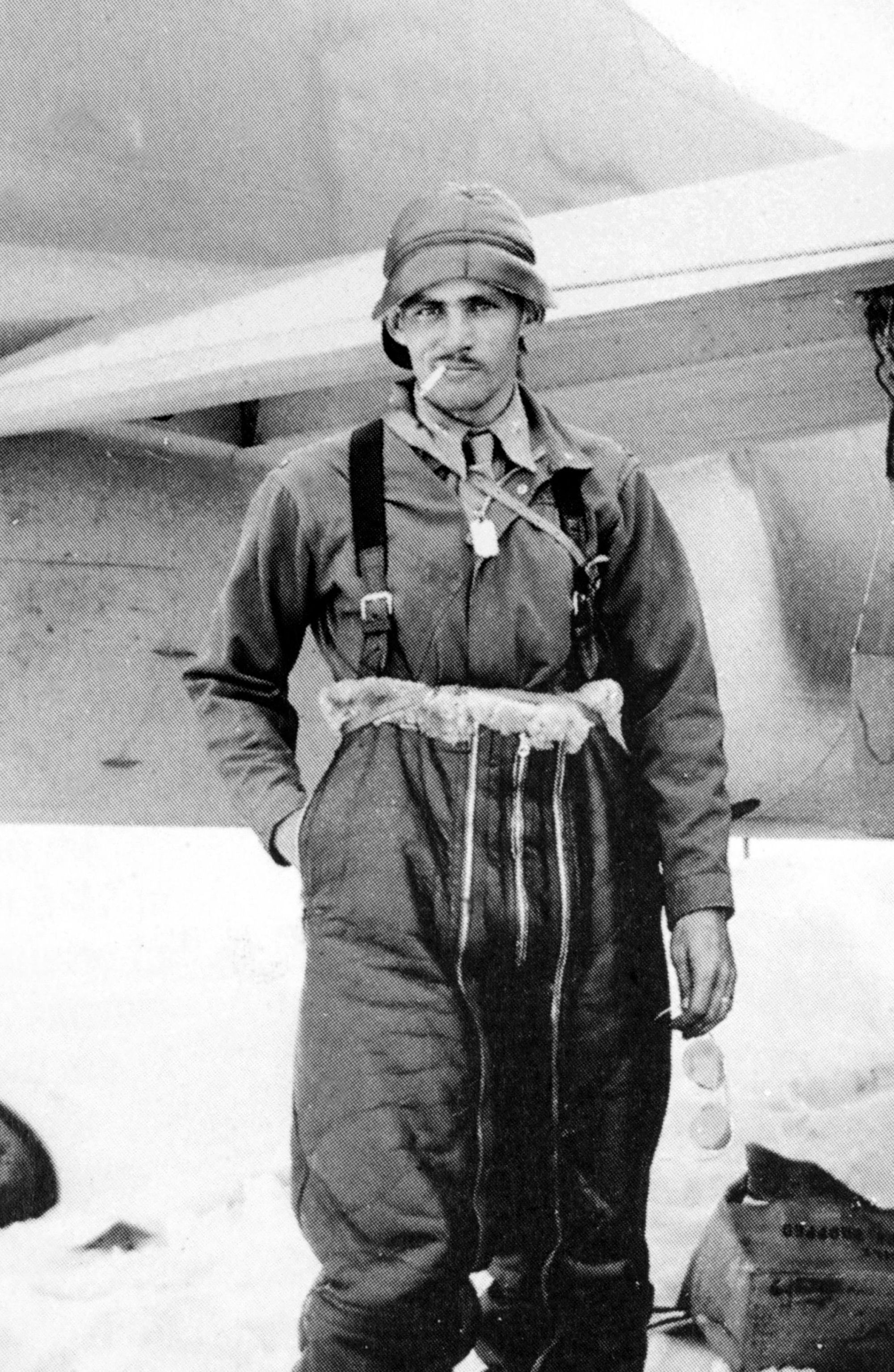
Lieutenant Bradley McManus was the first to land – that was at midday on July 15, 1942. For a moment, it looked like a textbook landing. But then the wheels of his P-38 Lightning broke through the thin ice. The aircraft sank and tipped backward. McManus was thrown from the aircraft, and the P-38 crashed backward into the snow.
The other pilots, who had witnessed the accident from the air, fared better. Both the five fighters, nicknamed "Lightning" because of their speed, and the two B-17 "Flying Fortresses" landed safely. Some propellers broke, a few struts cracked – but Brad McManus, who had injured his arm on impact, remained the only casualty of the largest emergency landing operation of World War II.
Sixty-four years have passed since they were buried in the glacial ice: a handful of P-38 fighters that crash-landed in Greenland in 1942. Today, a German man is setting out to bring the lost squadron home.
The aircraft of the US Air Force squadron "Tomcat Yellow" were en route to England when bad weather and empty fuel tanks forced them to make an emergency landing - 1,500 kilometers from any human settlement, in the dazzling white nothingness of the Greenland ice.
"While the pilots were rescued," says Dieter Herrmann, a trained aeronautical engineer and amateur pilot, "the Air Force had to abandon the planes." Taking off from the glacier was impossible, as was transporting them across the ice.
So the planes simply remained. The war continued without them, and victory was celebrated without them. In the 1950s, the aircraft were buried in snow. In the 1960s, passing pilots sometimes still saw them as dark specks on the white glacier surface. Then the ice swallowed "Tomcat Yellow."
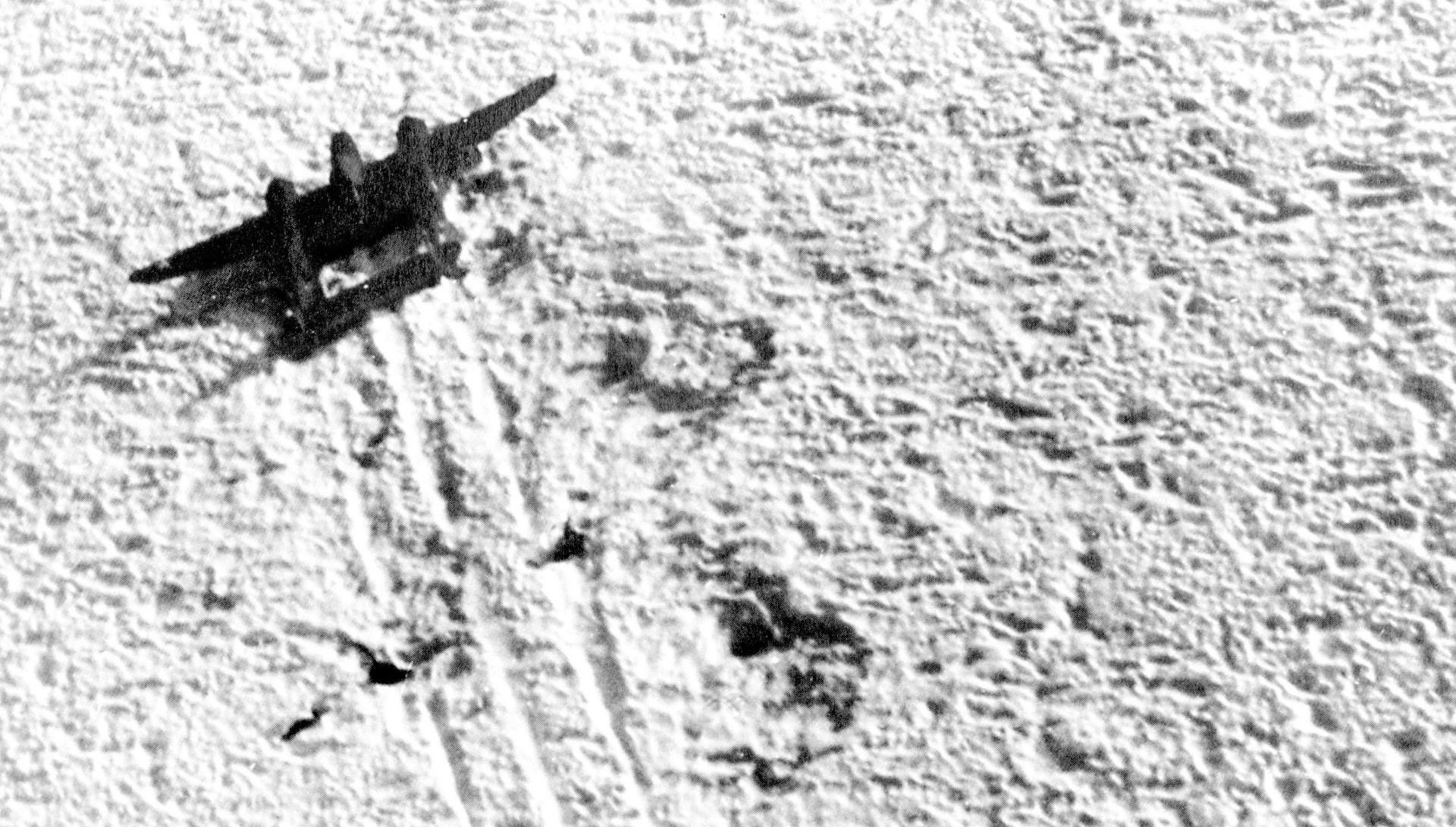
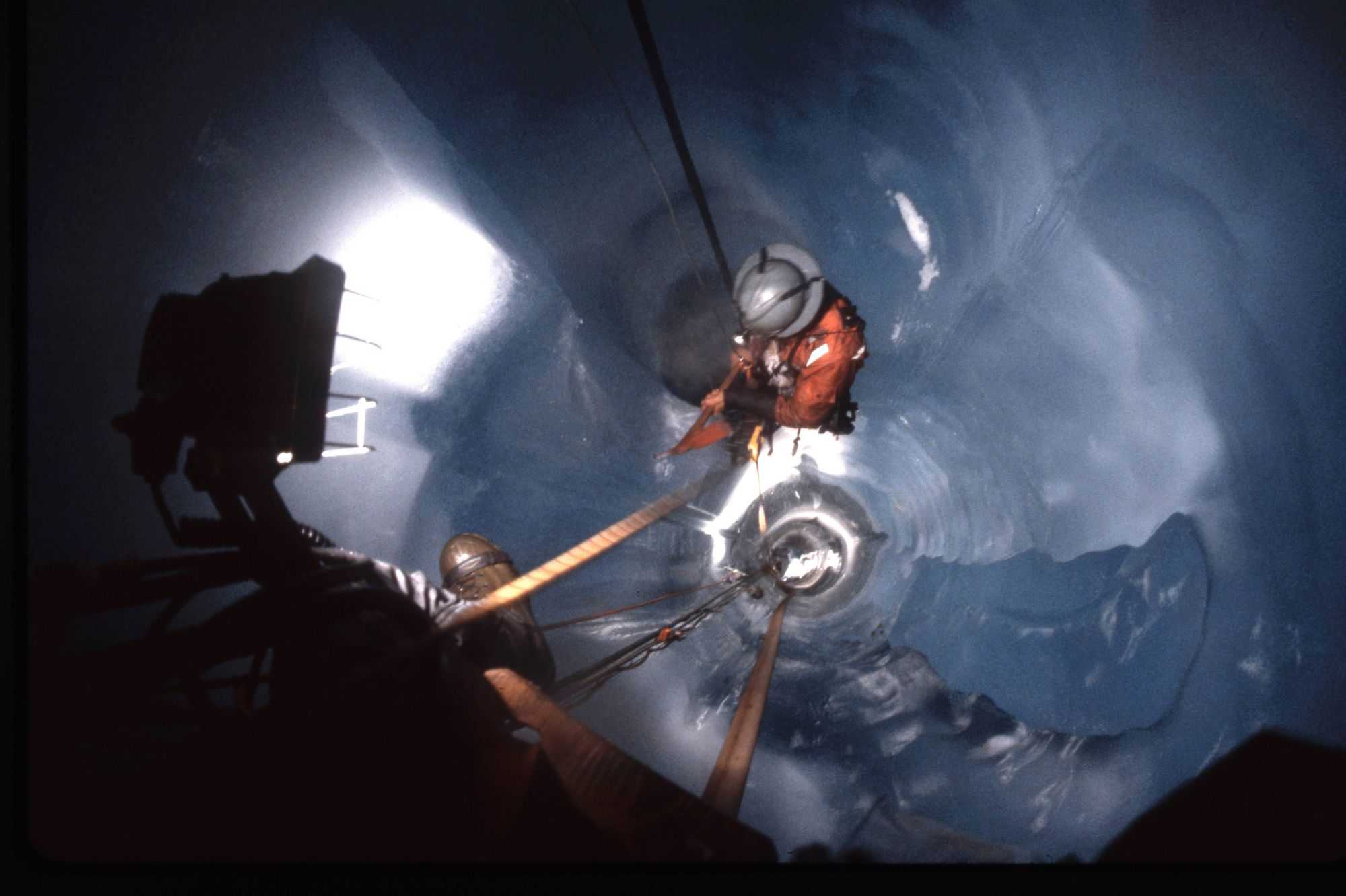
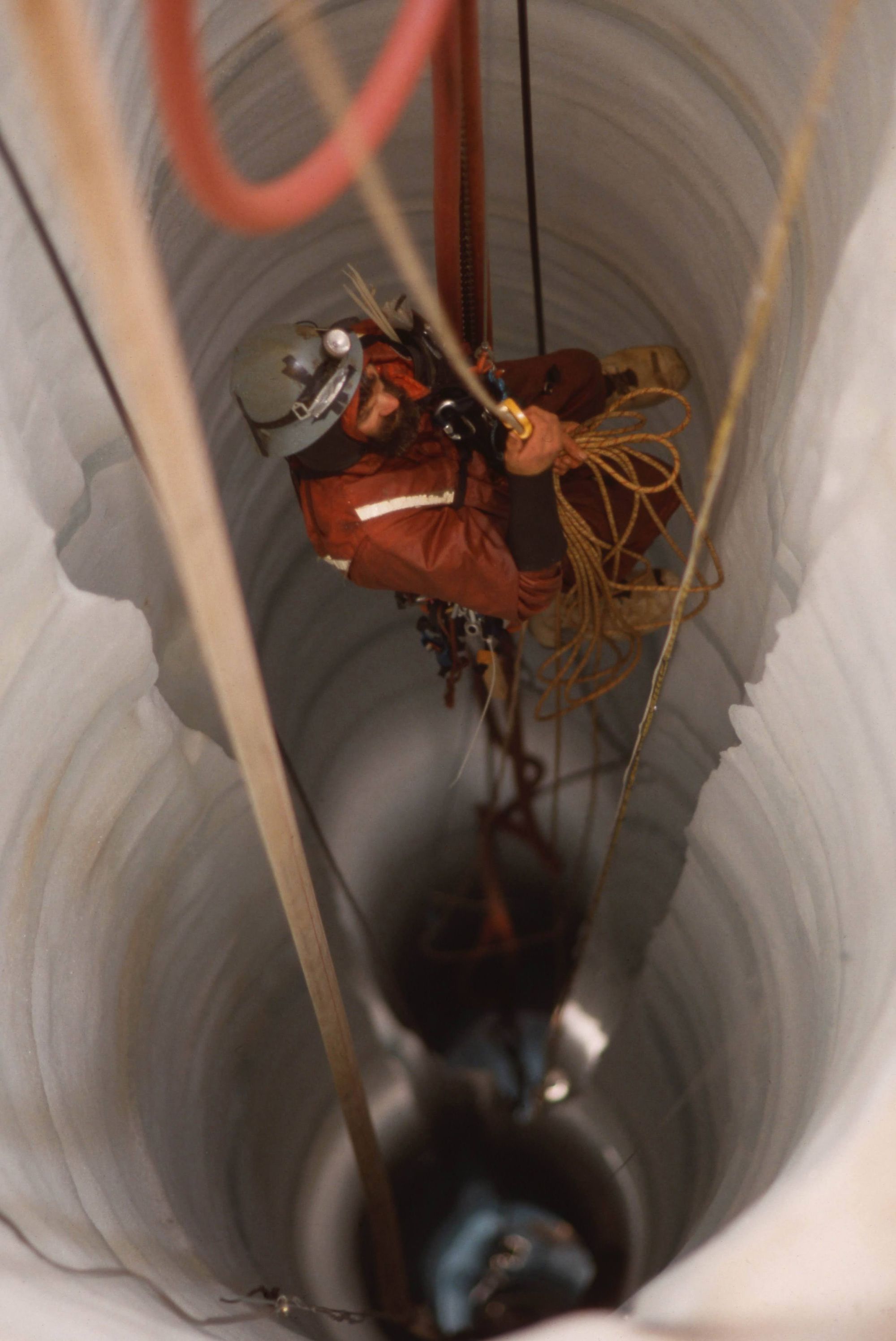
The aircraft, which would later fly again as "Glacier Girl," was disassembled piece by piece in the ice and pulled upwards.
Dieter Herrmann only came across the story of the lost squadron much later. "I heard about a Dane who wanted to recover the planes," the Berliner recounts. "That's when I thought: I have to make a documentary about this."
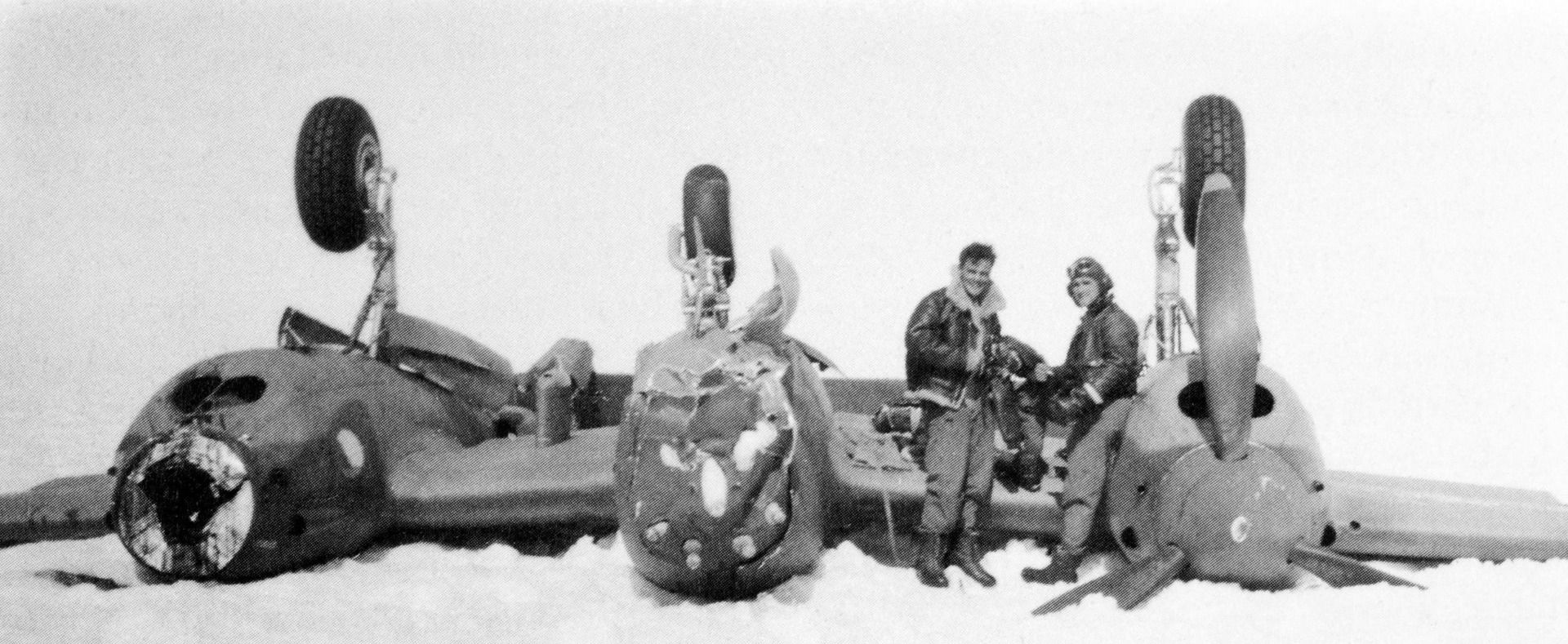
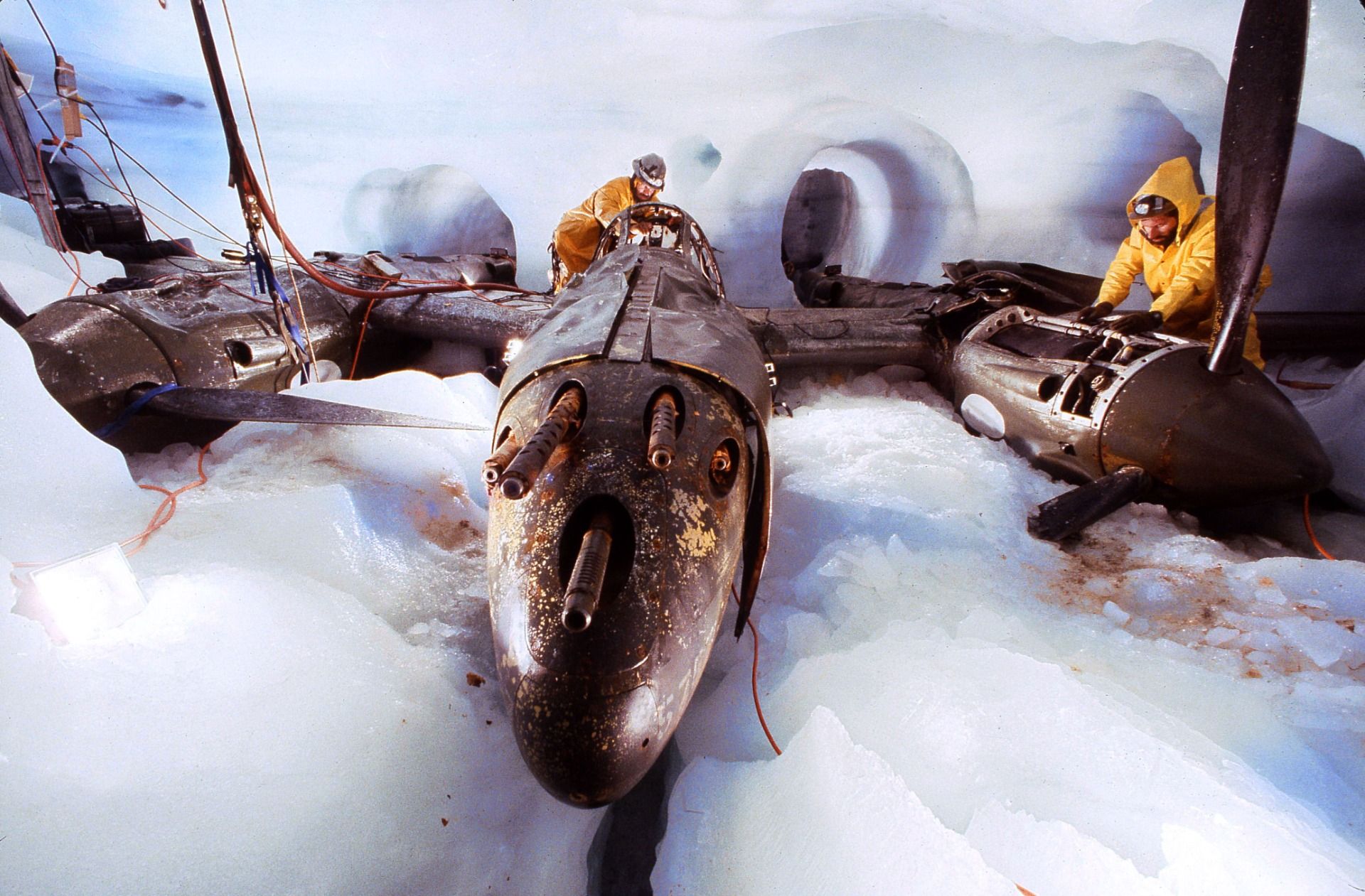
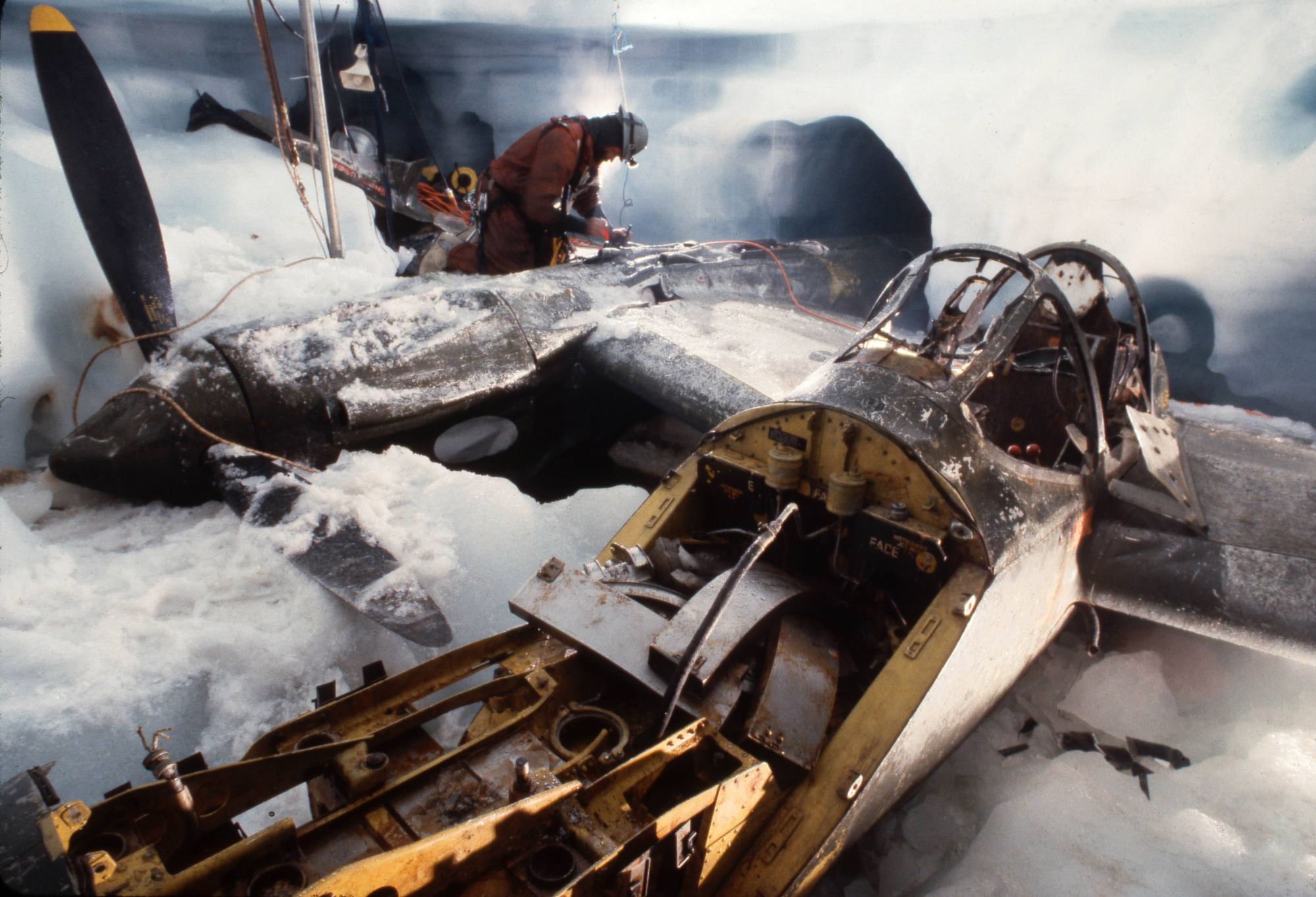
It took a group of Americans twelve years, seven attempts, and several million dollars to recover even a single Lightning from the ice in 1992. On its underside, it turned out that the thin-walled B-17 bombers were completely crushed, but the armored Lightnings - once nicknamed "fork-tailed devils" by German pilots - had survived the decades in the ice remarkably well.
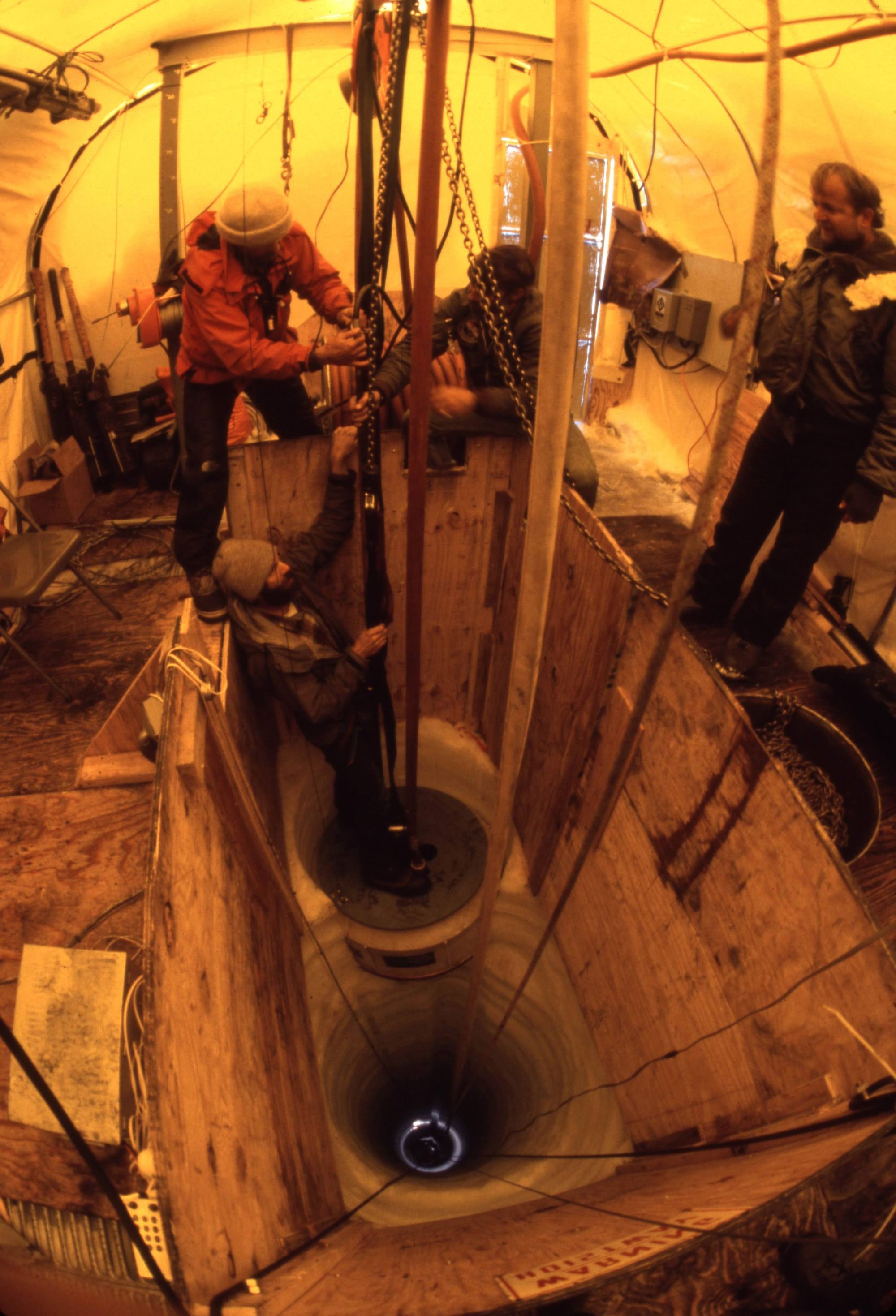
One of these aircraft was disassembled at ground level and transported to the surface in pieces. After a complex restoration, the "Glacier Girl" is flying again today – one of only two airworthy examples of this type in the world.
But the success divided the team: disputes over money, fame, and old conflicts prevented the recovery of further aircraft, whose market value is now estimated at around 40 million dollars. "The Dane who wanted to continue," Herrmann explains, "couldn't raise the necessary funds."
So the father of five, who had originally only intended to be involved as a reporter, suddenly found himself in the role of rescuer. "The more I became involved with the project, the more fascinating it became," he says. "I thought: you have to accomplish something big in your life – why not this?"
Herrmann is no novice when it comes to adventure. He has lived in Turkey, reported from Rwanda, and worked as a pilot in Peru. "But the scale of this undertaking wasn't clear to me at first." When the initially planned half a million dollars ballooned to two million, it was too late to back out.
Herrmann, a robust man with a broad smile, founded the "Lost Squadron Recovery" association together with his wife Marion and other enthusiasts. They assessed the situation on site, secured sponsors - including a major Swiss watch manufacturer and the auction house Sotheby's, which was to auction off two aircraft - and began planning the recovery operation.
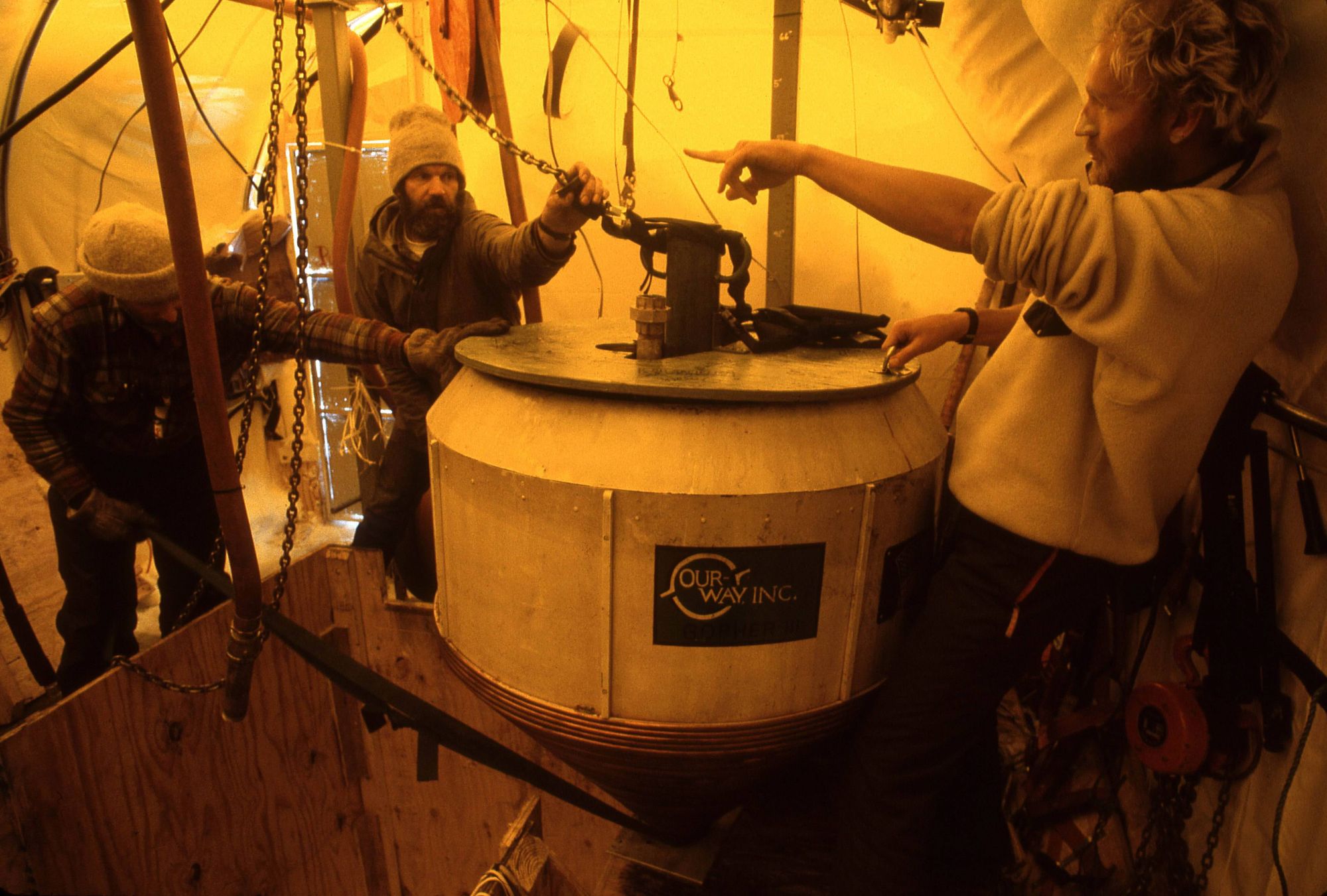
To melt the ice down to the depths of up to 100 meters, into which the Lightnings had sunk, a special device was constructed—"a kind of upside-down doghouse," as Herrmann explains: a heated, oil-filled, double-roofed metal structure, six meters long and two meters wide, which sinks into the ice under its own weight. "With this, we'll get down faster than the Americans did back then," he was convinced for a long time.
Once the Lightnings were reached, steam jets would melt out a work cavity. “Then we just have to drill out about 4,000 rivets per aircraft and pull the individual parts upwards,” Herrmann grins.
The biggest challenge, the icy-flying enthusiast is certain, will be “getting people and materials to the right place at the right time.”"to get them to the right spot." Greenland's west coast is only accessible by land. Every one of the roughly 200 volunteers, who are supposed to rotate every 14 days, every nail, every liter of fuel, and every box of cornflakes has to be transported by snowmobile over 1,600 kilometers to the recovery site.
"We won't know if everything works out until we get there," said Herrmann, back when he still believed he could secure funding for the ambitious project. That never happened. The plan to save the five precious Lightnings has yet to be realized. The lost fighters still lie there, deep in the ice. So close, yet unreachable.
Pictures: lost-squadron.org
