 Berat, Southern Albania, Albania
Albania, a small forgotten state on the Adriatic Sea that was sealed off from the whole world like North Korea nowadays in the decades after World War II. No one was allowed in, no one was allowed out. That has changed in the meantime.
But still the country with its population of not even three million is a piece of mysterious terra incognita in the middle of Europe. Part 1 of the story is here, part two here. The number 3 you can find here and four + five + six + seven + eight. Here are the nine and last of all, the 10 and 11 and 12
Just a moment ago we were in Bënja, very close to the river Lengarica, where warm springs bubble up from the ground. Now we're on the road to Berat, a more than 2000 years old city, which is located only about 70 km south of the capital Tirana in the mountainous region of central Albania.
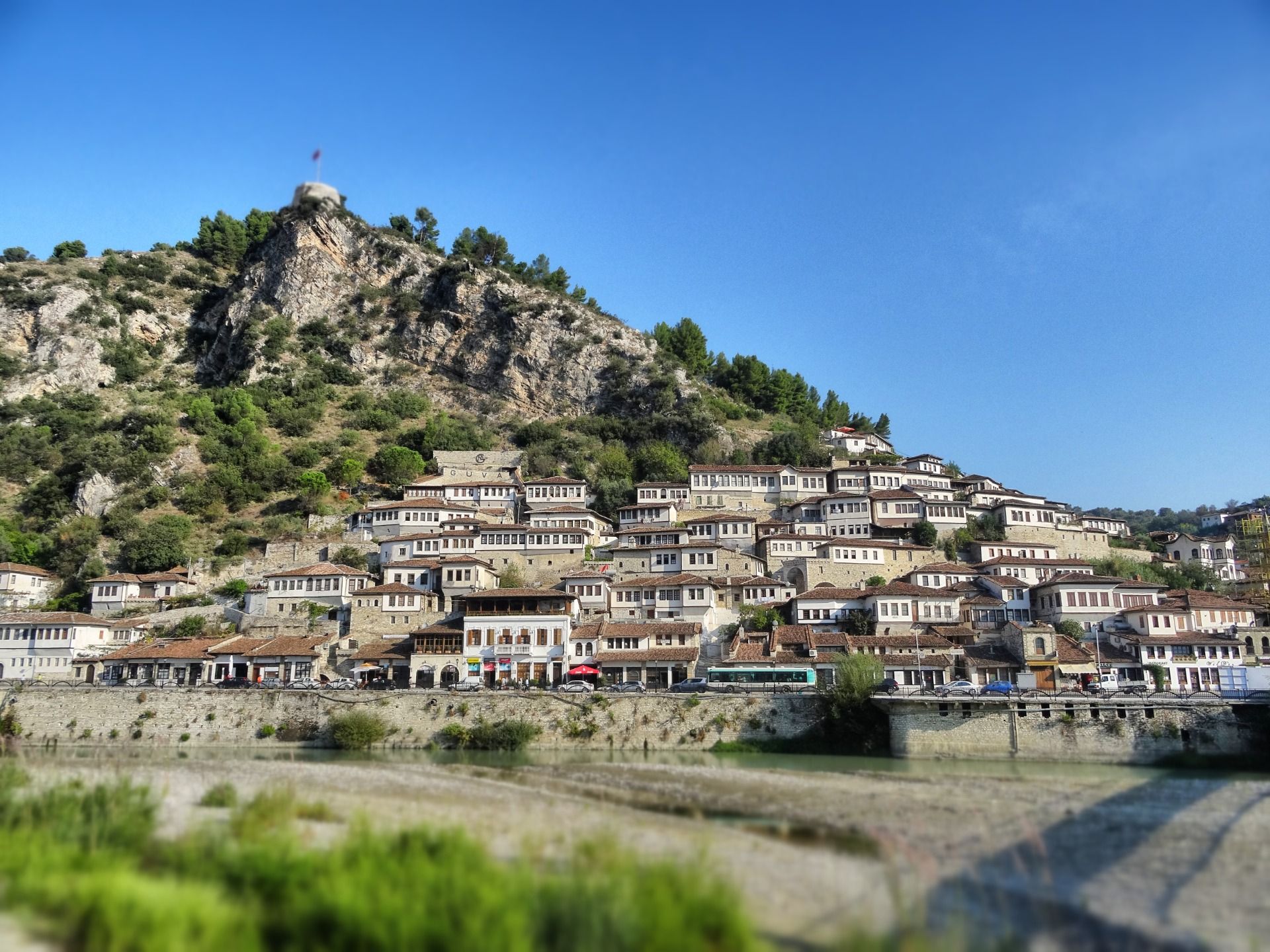
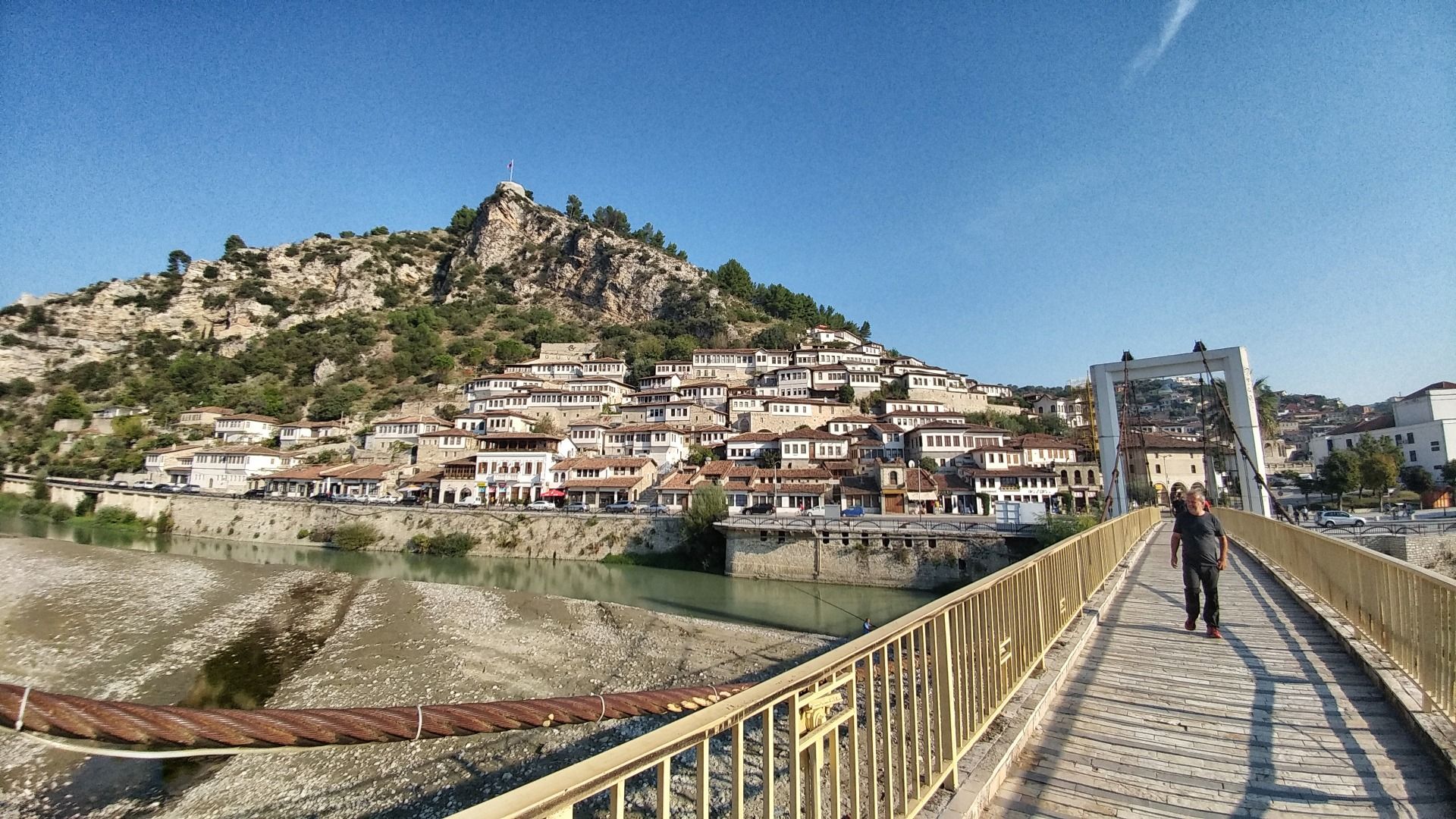
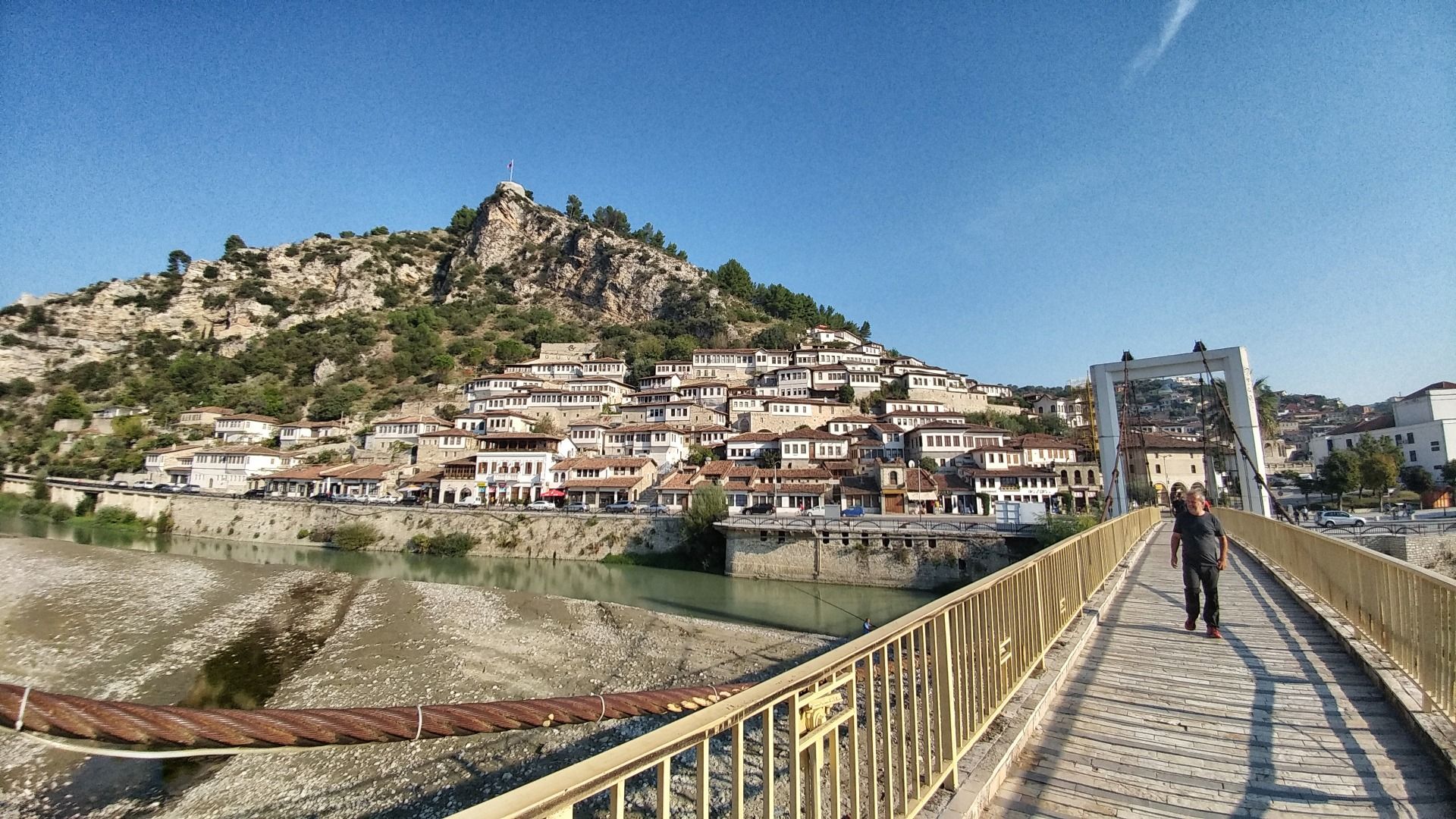
It is a bit too far to hike here, so we cover a bit of the distance on foot and the rest in the car, on the way through a picturesque landscape characterized by steep slopes and deeply indented river valleys, until Berat finally appeared, one of the most beautiful places in Albania, if only because of its unique architecture. This smal town with only 32.000 inhabitants nown today as the city of 1000 windows - and why Berat got this name, you see immediately when you have left the last curve to the center of the village behind.
Like eyes on a hill
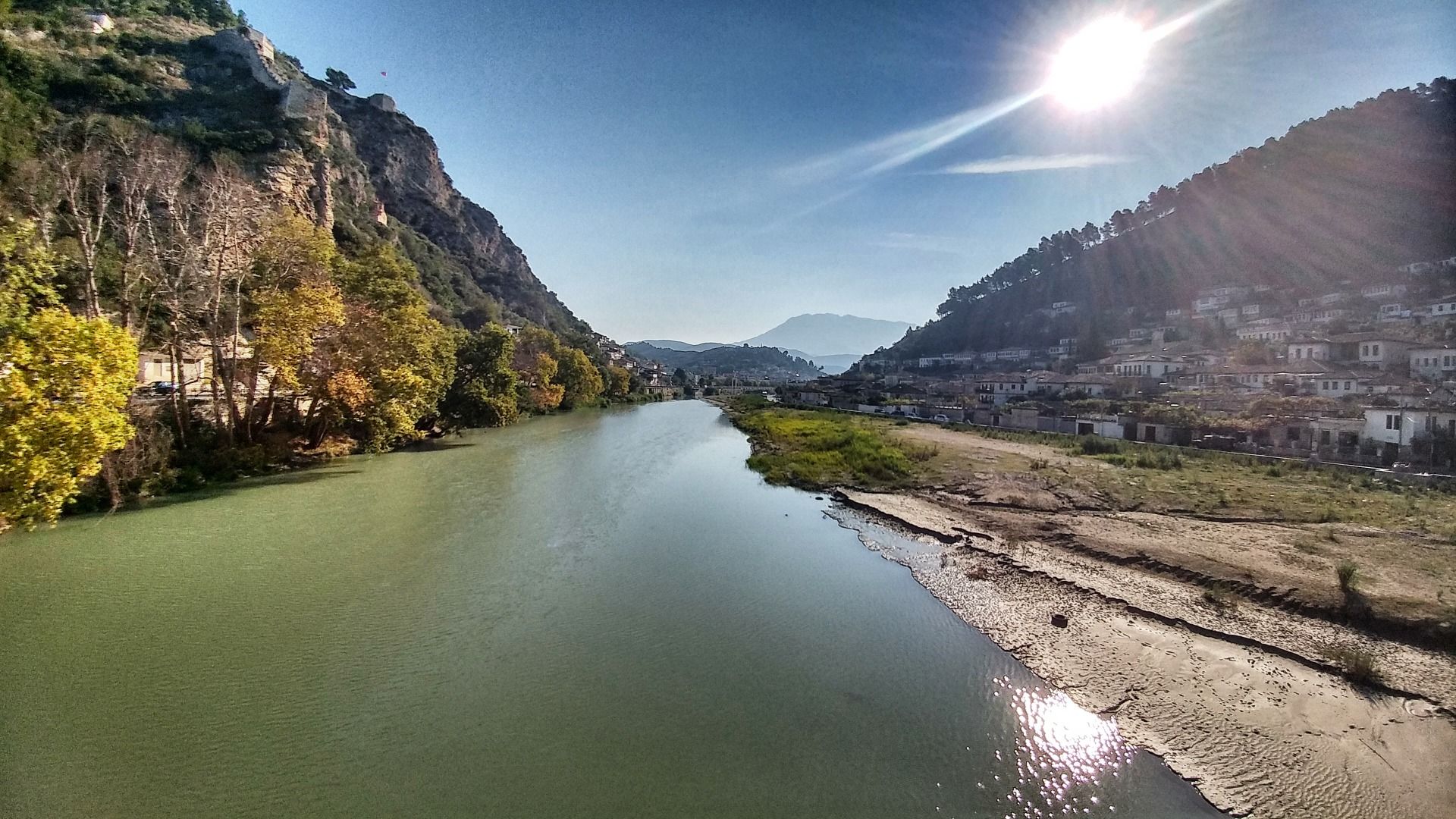
From a towering mountain, on the flanks of which stand countless excellently preserved old town buildings, an infinite number of windows actually look out like eyes into the river valley. After Berat was officially designated a museum city in 1961, a grand gesture by the then autocrat Enver Hoxha, the city was finally awarded the title of UNESCO World Heritage Site in 2008.
Hoxha was already dead by then, and Albania was suffering from an exodus of young people like no other country in the world. Cities like this one, with a historic cityscape made up of an unusual mix of different styles, are now seen as a hope for better times in Albania, which is still desperately poor: They are supposed to attract vacationers, lure toiurists, bring money into the country. For this reason, new buildings are still prohibited in the old town of Berat.
Living history
The whole place is living history, which can best be explored on foot. In written sources, Berat is mentioned for the first time only in the 9th century, and its present name, which derives from the Slavic term for "beautiful city", is documented only since the 11th century.
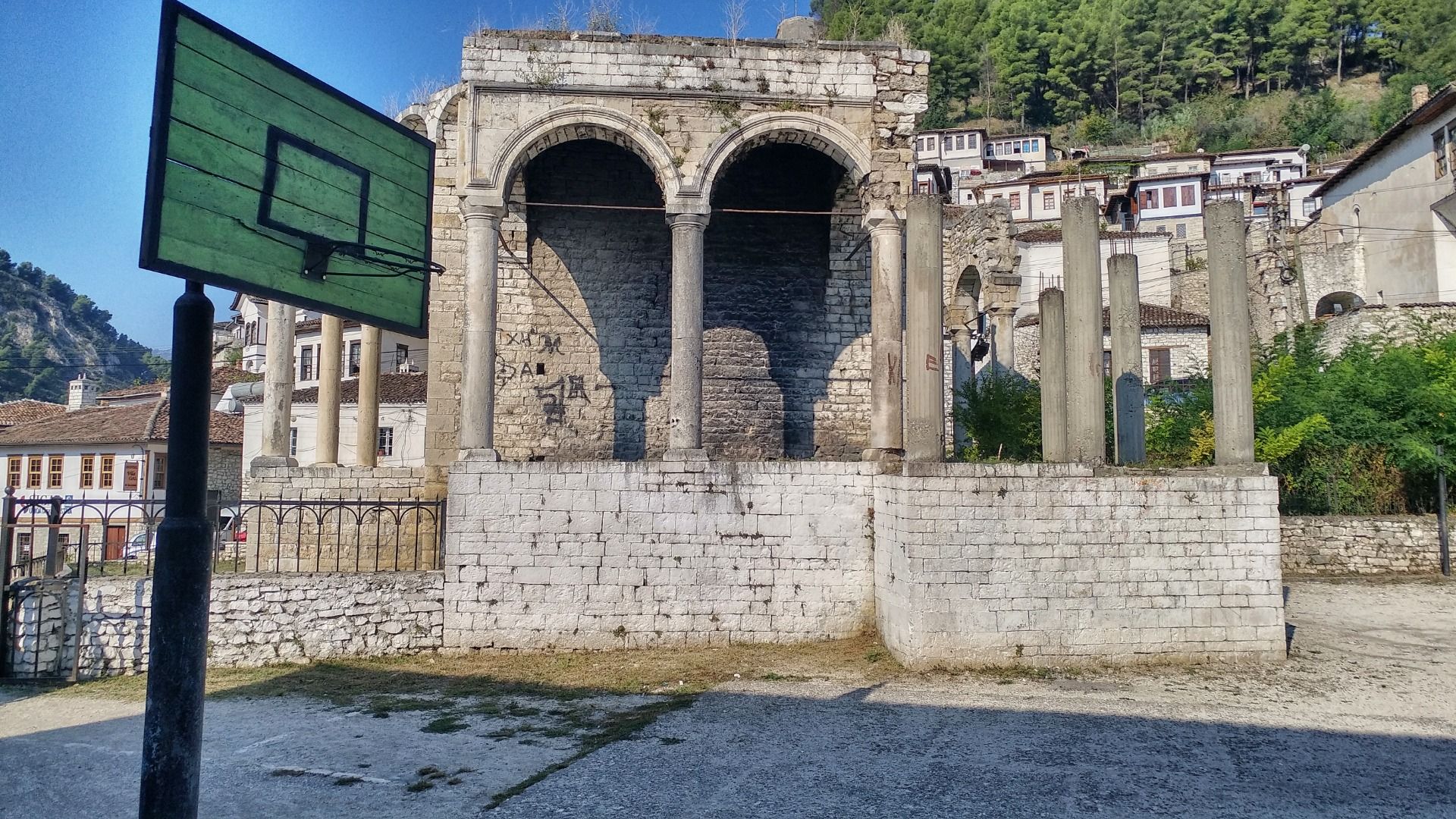
There are churches and mosques here, small stores and Roman archaeological sites. The city itself is much older than it looks. As established by excavations, there were already Stone Age settlements in the area of today's Berat 2,600 years before Christ, and the first fortification of the castle hill was made by the Illyrians around 400 BC.
Preserve the heritage
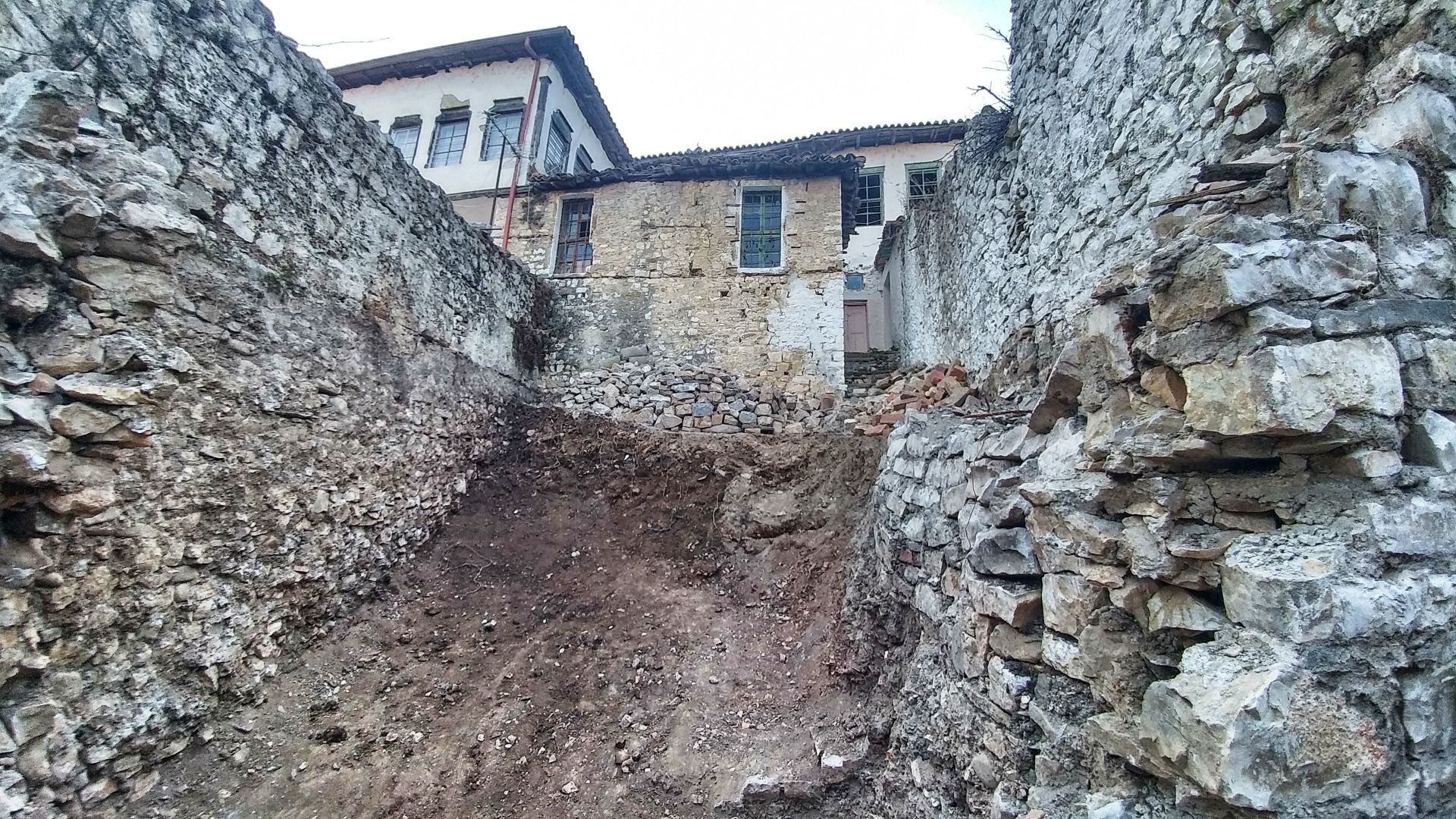
The Albanians are making every effort to preserve the heritage. A lot of money is flowing here, everything is being paved over again as it once was, even if this means that Berat will probably never become a city suitable for the modern traffic that Albanians love. The streets are bumpy and full of cobblestones. You need trekking shoes to survive.
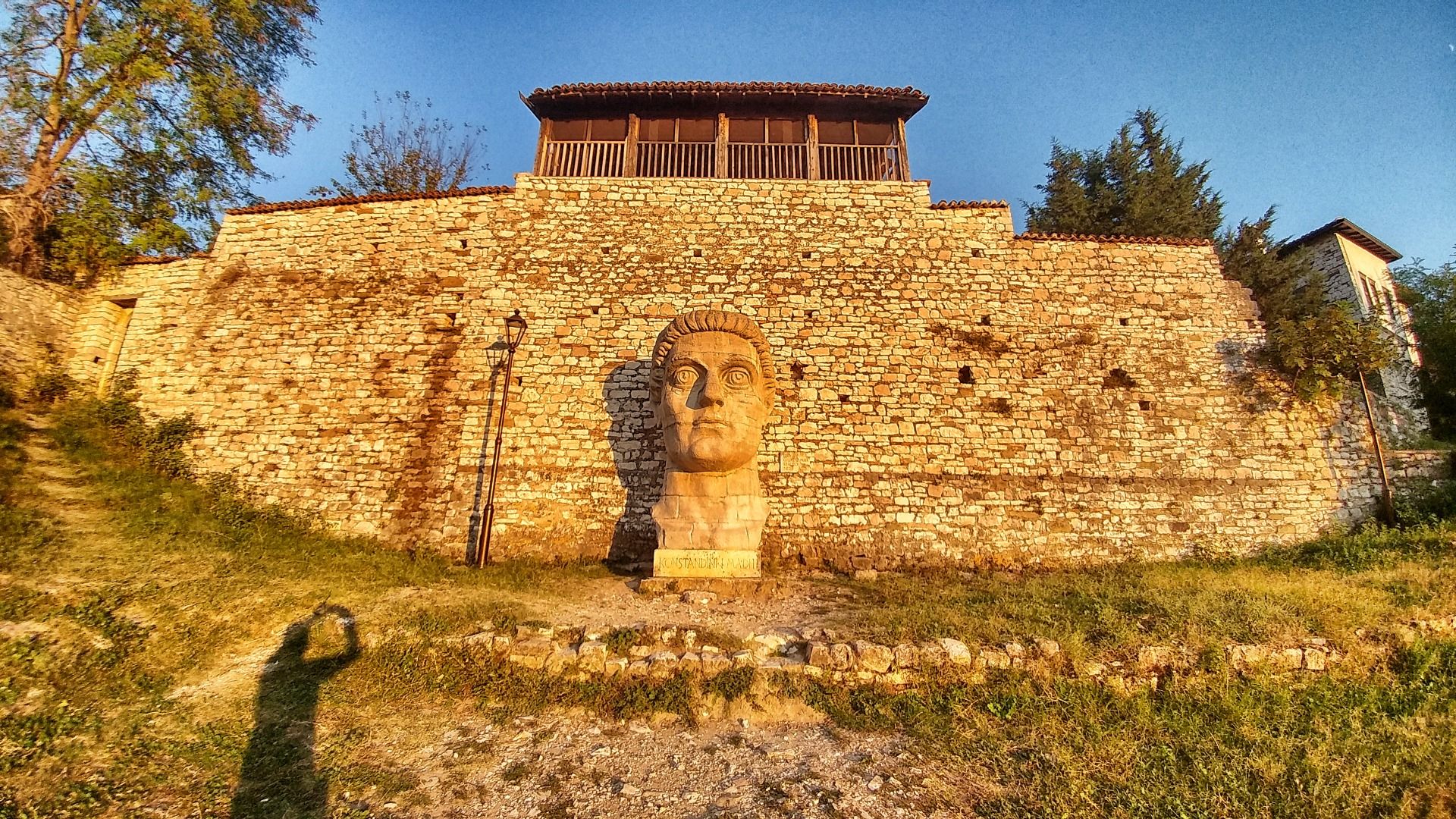
After the area had been under Macedonian rule for quite some time, the city flourished during the time of the Roman Empire. Then, in the 9th century, the whole area was first conquered by the Bulgarians, then came the Byzantines, then the Serbs and, depending on the day, again and again different local princes. Finally, in the 15th century Berat became part of the Ottoman Empire and an important regional trade center.
Above the castle
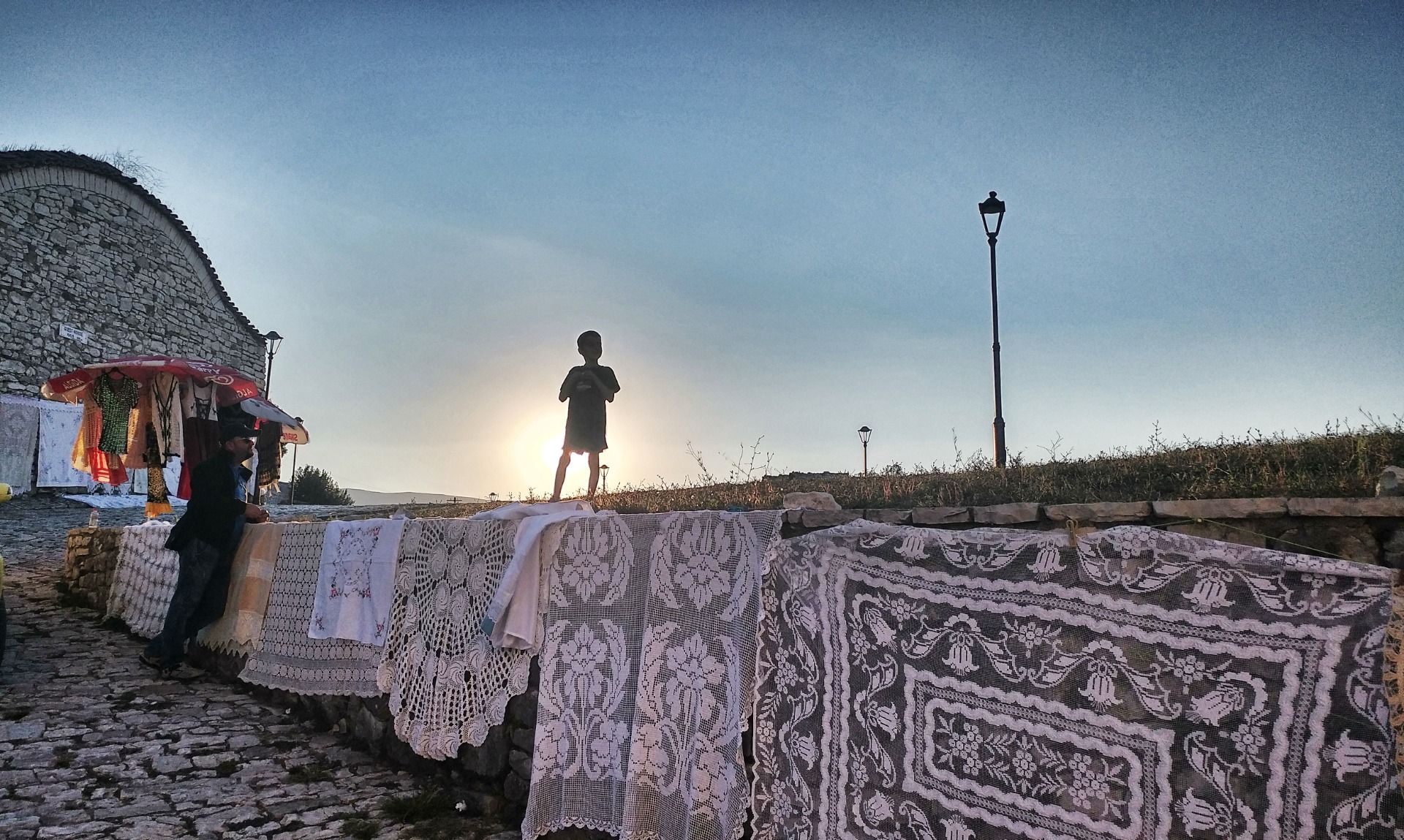
It is to the rulers of the Ottoman Empire that the inhabitants owe the fame of their town today. The white residential buildings with their red roofs, which were rebuilt after their partial destruction by an earthquake in 1851, characterize the appearance of the city. Above them towers the castle of Berat, which of course also exists - anyone who has been attacked so many times will build a fortress always at some point.
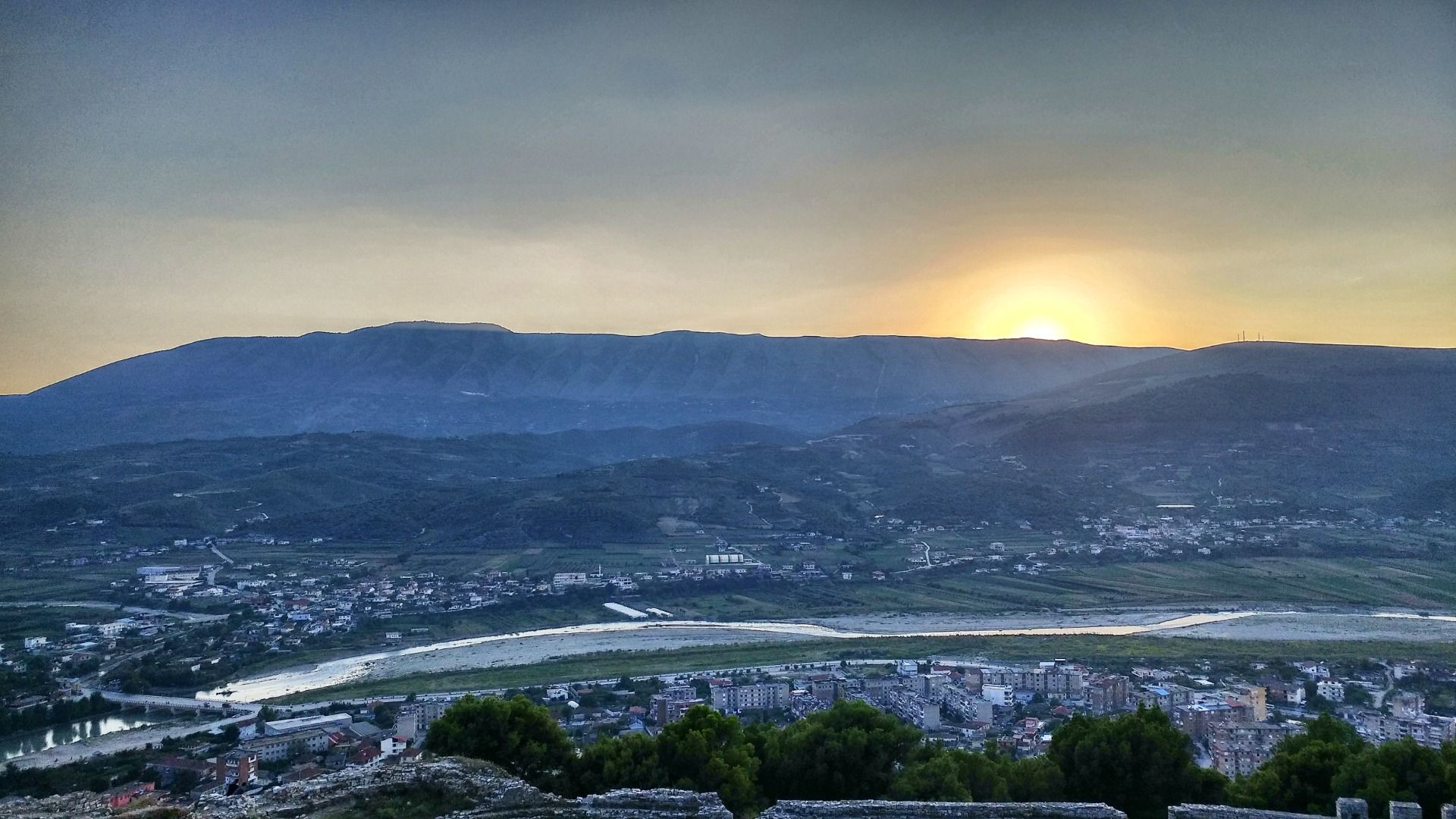
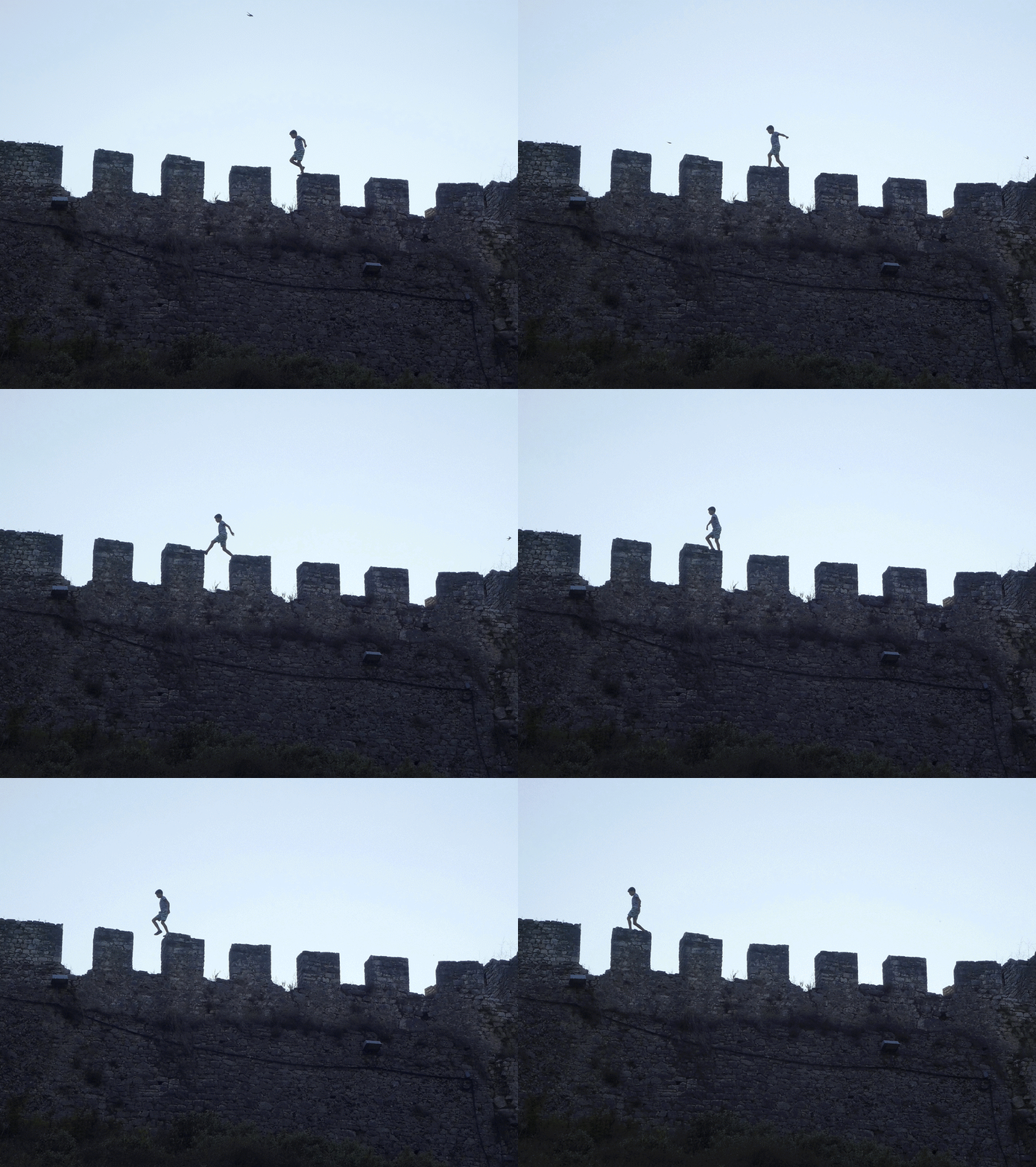
The high erected building is still visible from afar, built on the rocky hill above the Osum River and accessible only from the south after a rather strenuous hike. The present complex, which dates back to Roman and Byzantine predecessors, was built in its present form essentially as early as the 13th century. The builders were generous in their plans: the footprint of the fortress was designed to be so large that in the Middle Ages it could accommodate not only all of the inhabitants of Berat. It has also place for a total of 20 churches and a mosque.
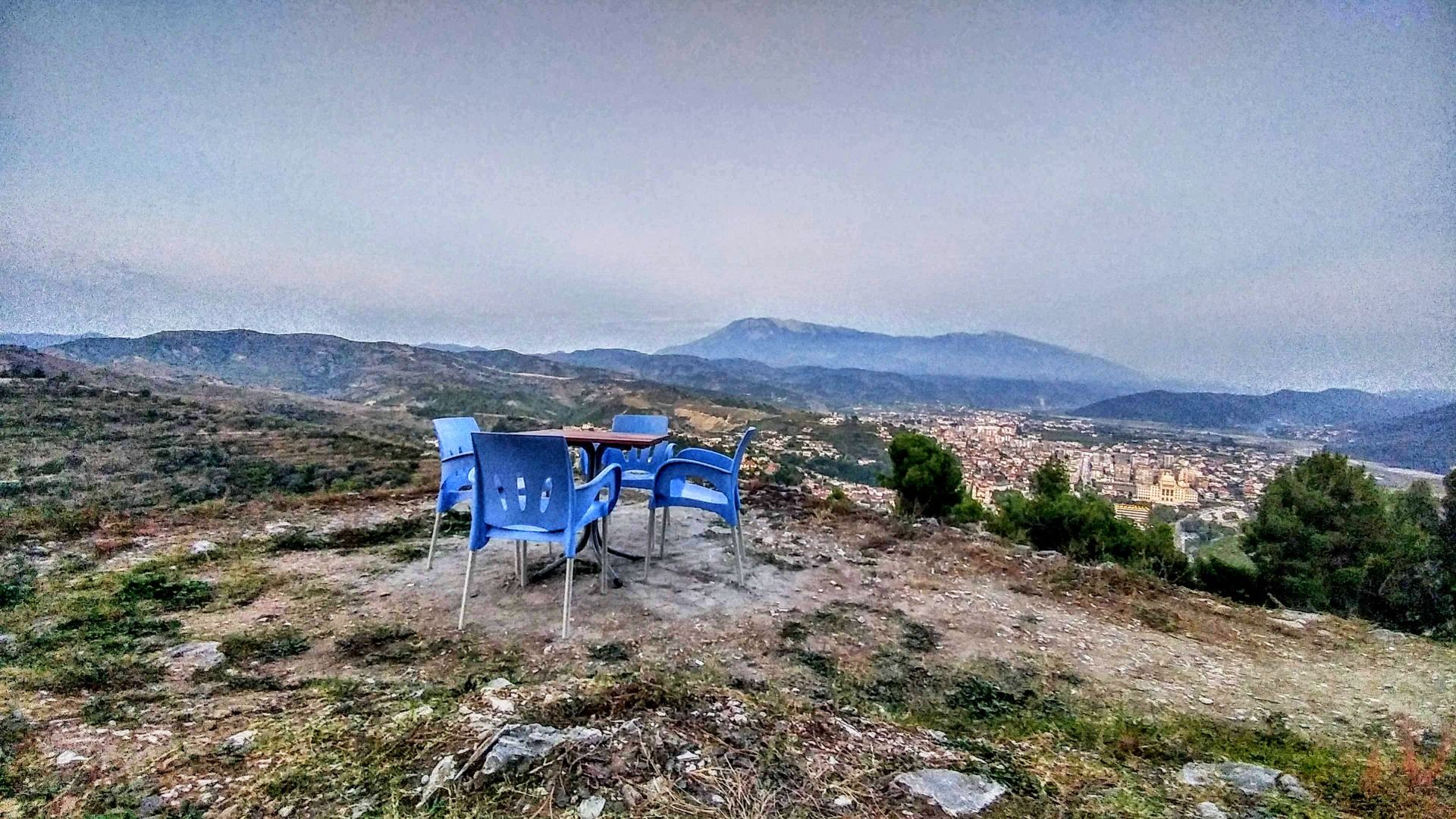
Under scorching sun
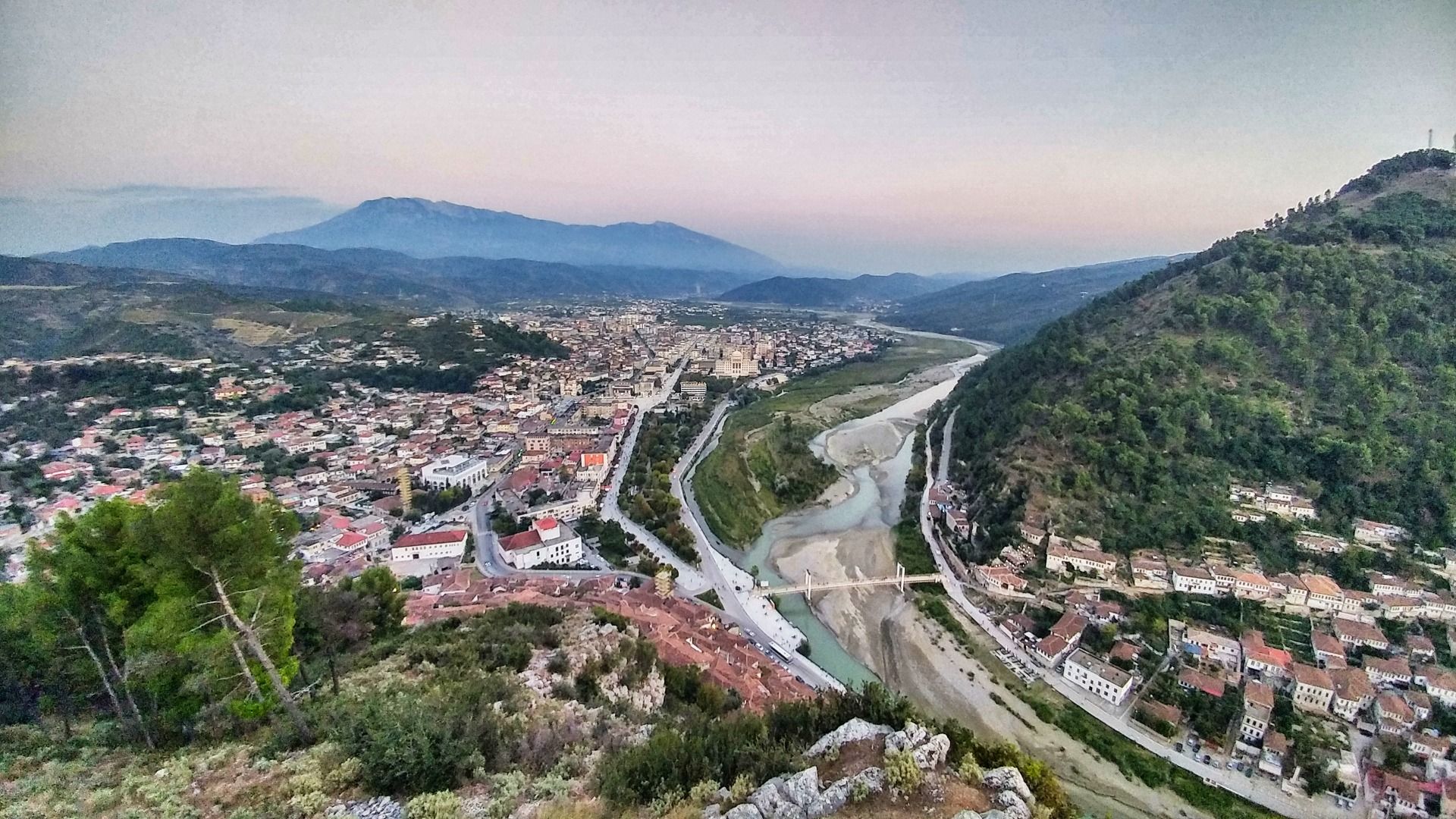
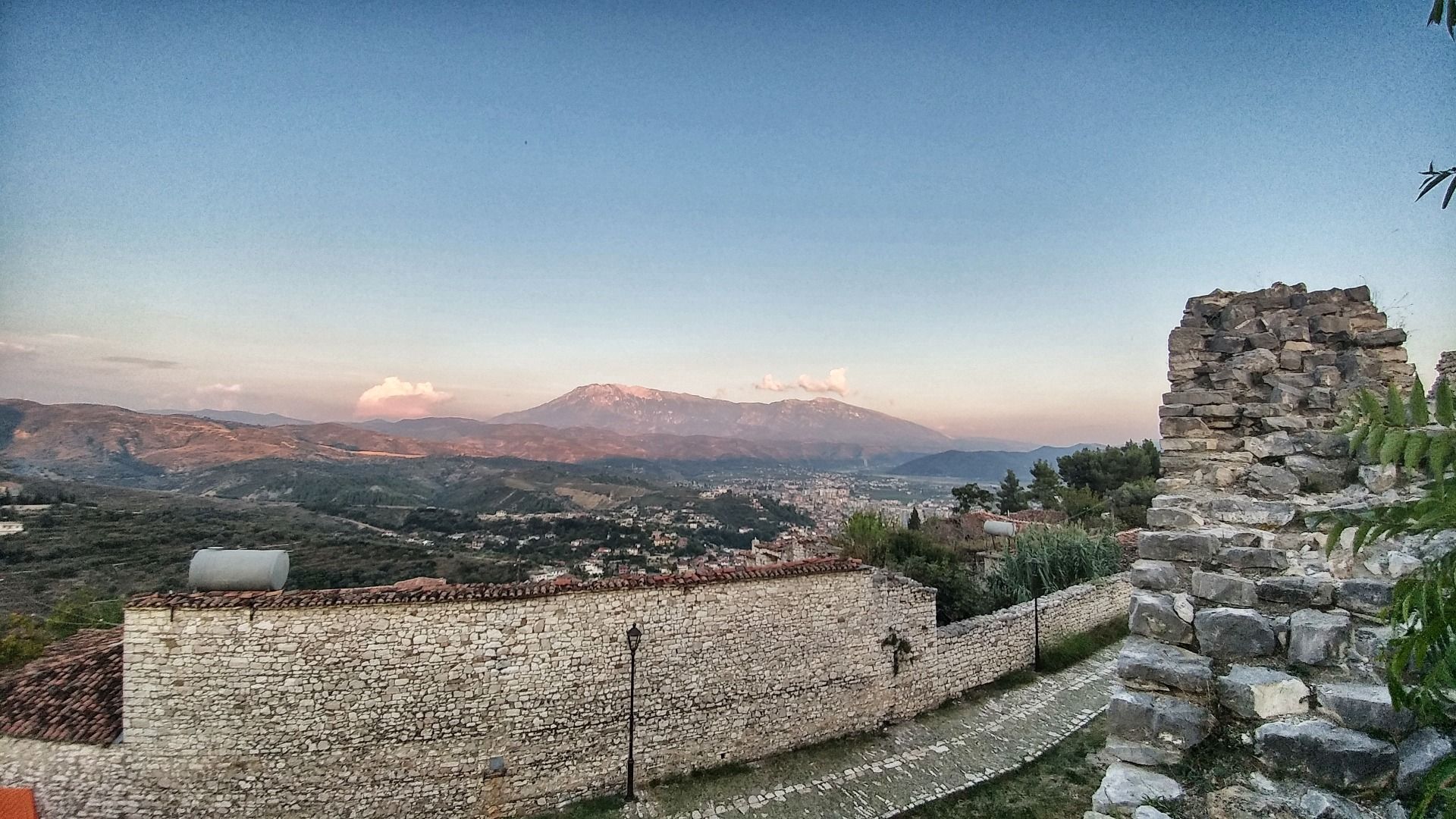
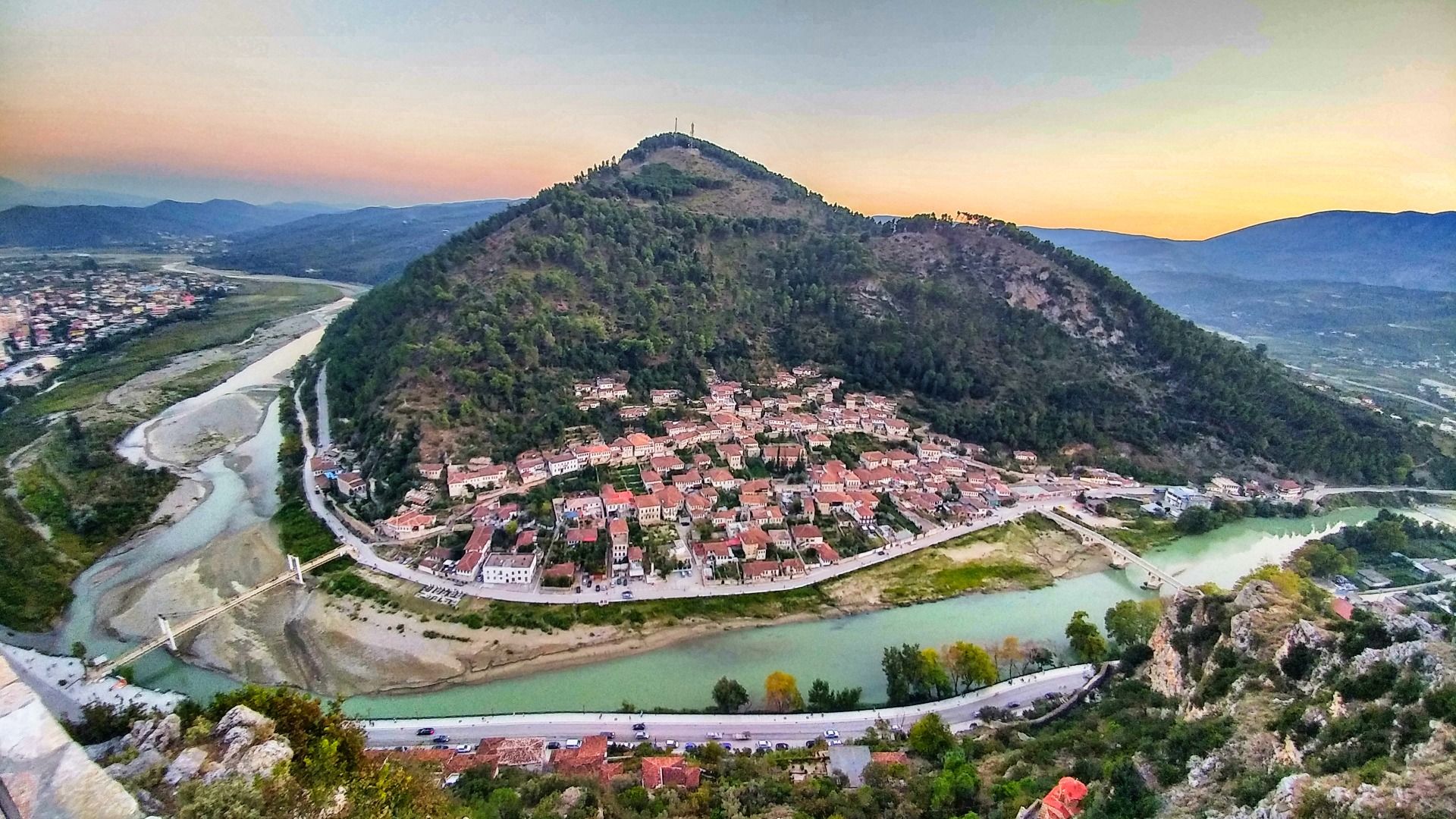
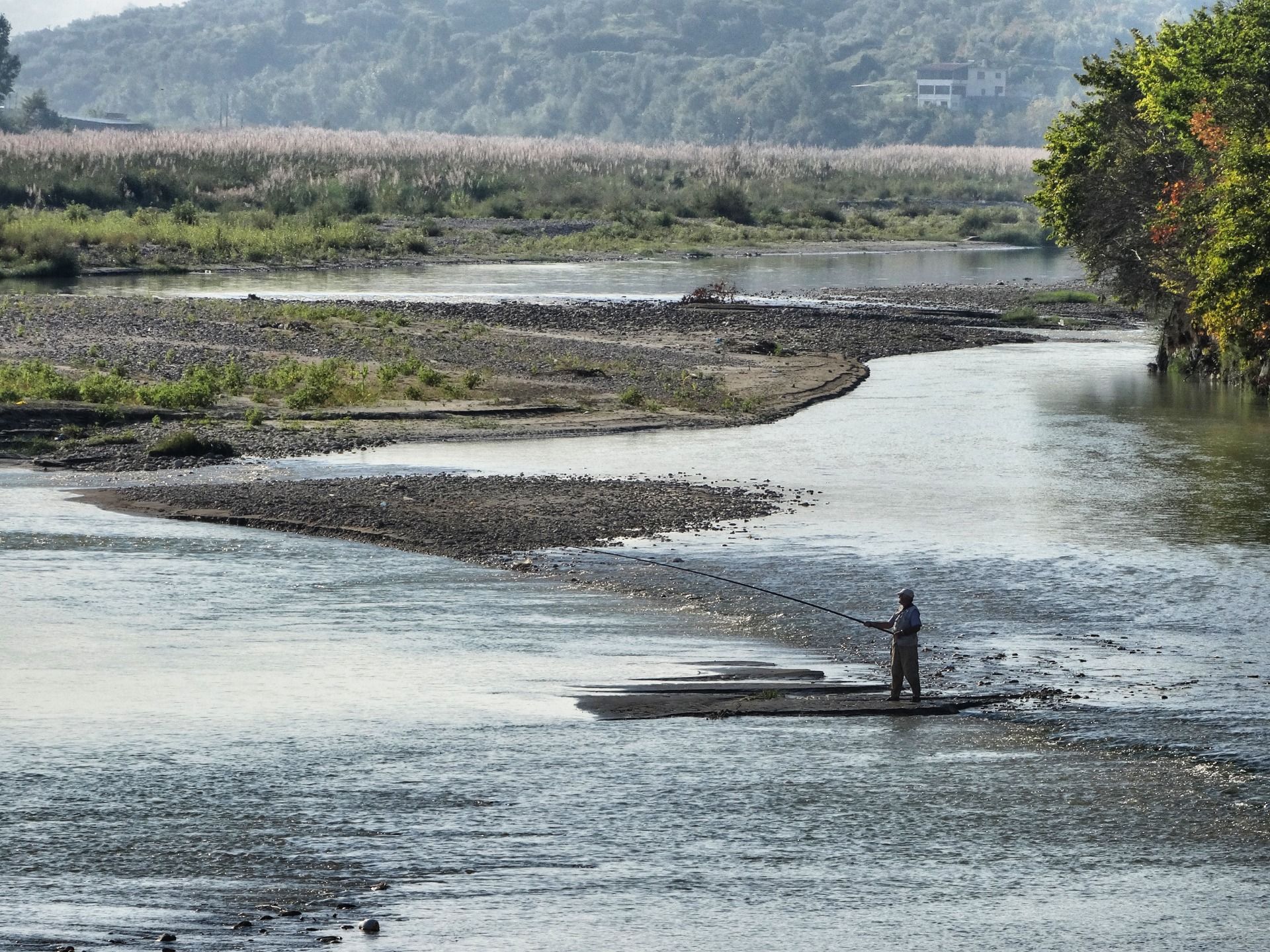
Today, we arrive at the top puffing, half-burned by the scorching sun. Of most of the former places of worship, only ruins remain, but the castle grounds themselves are still used for residential purposes. Under the name of Kalaja, the fortress even forms its own district. From the southern end of the castle, which is located directly above a valley, there is a breathtaking view over the whole city and the steep rocky slopes. Far back on the horizon, a field burns. Down in the river, anglers stand in the shallows.
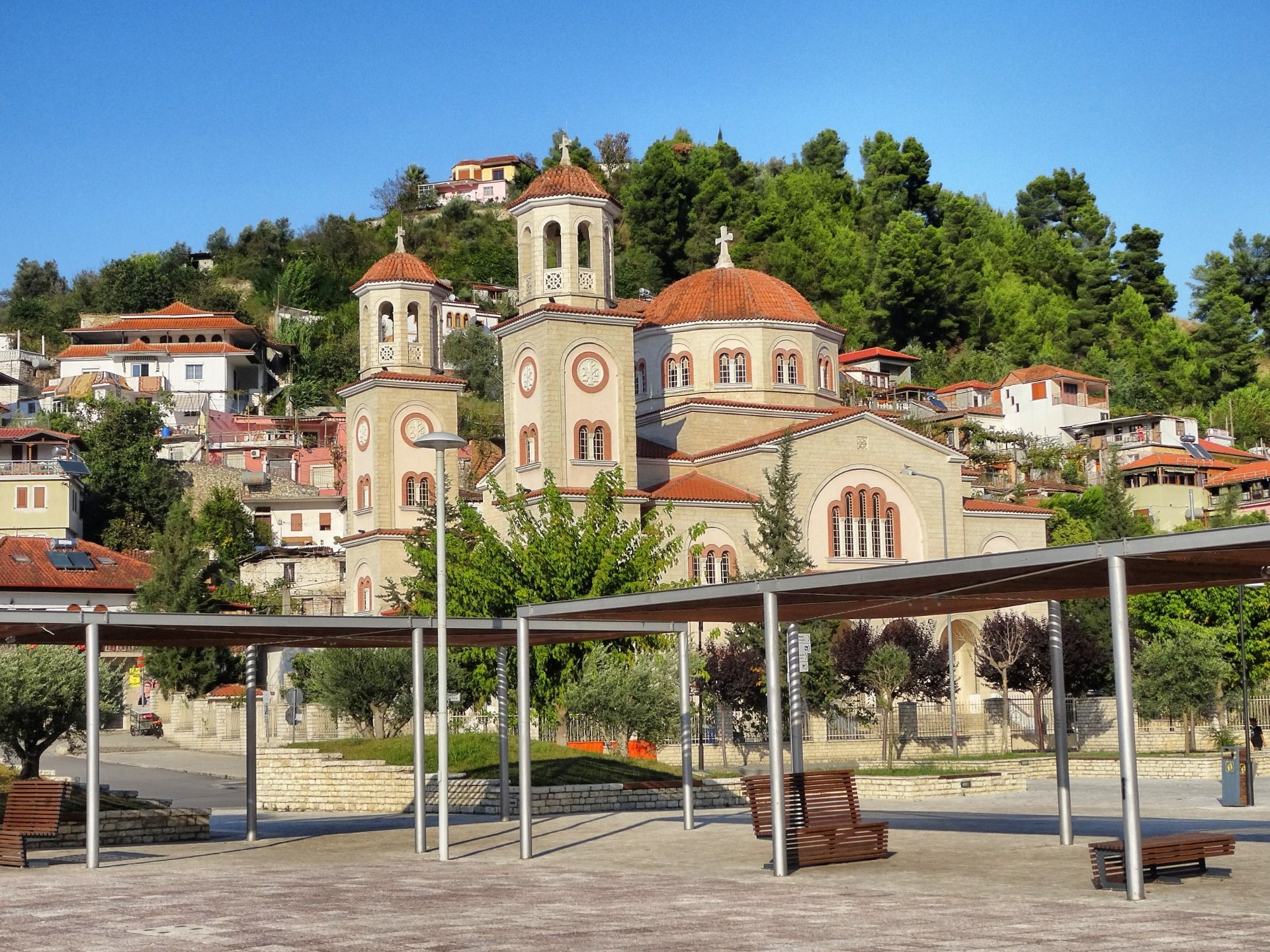
Directly below the castle, the district of Mangalem nestles on the hill. Here you can find the typical Berat houses, which look like toy buildings stacked on top of each other by children due to their narrow construction and large windows.
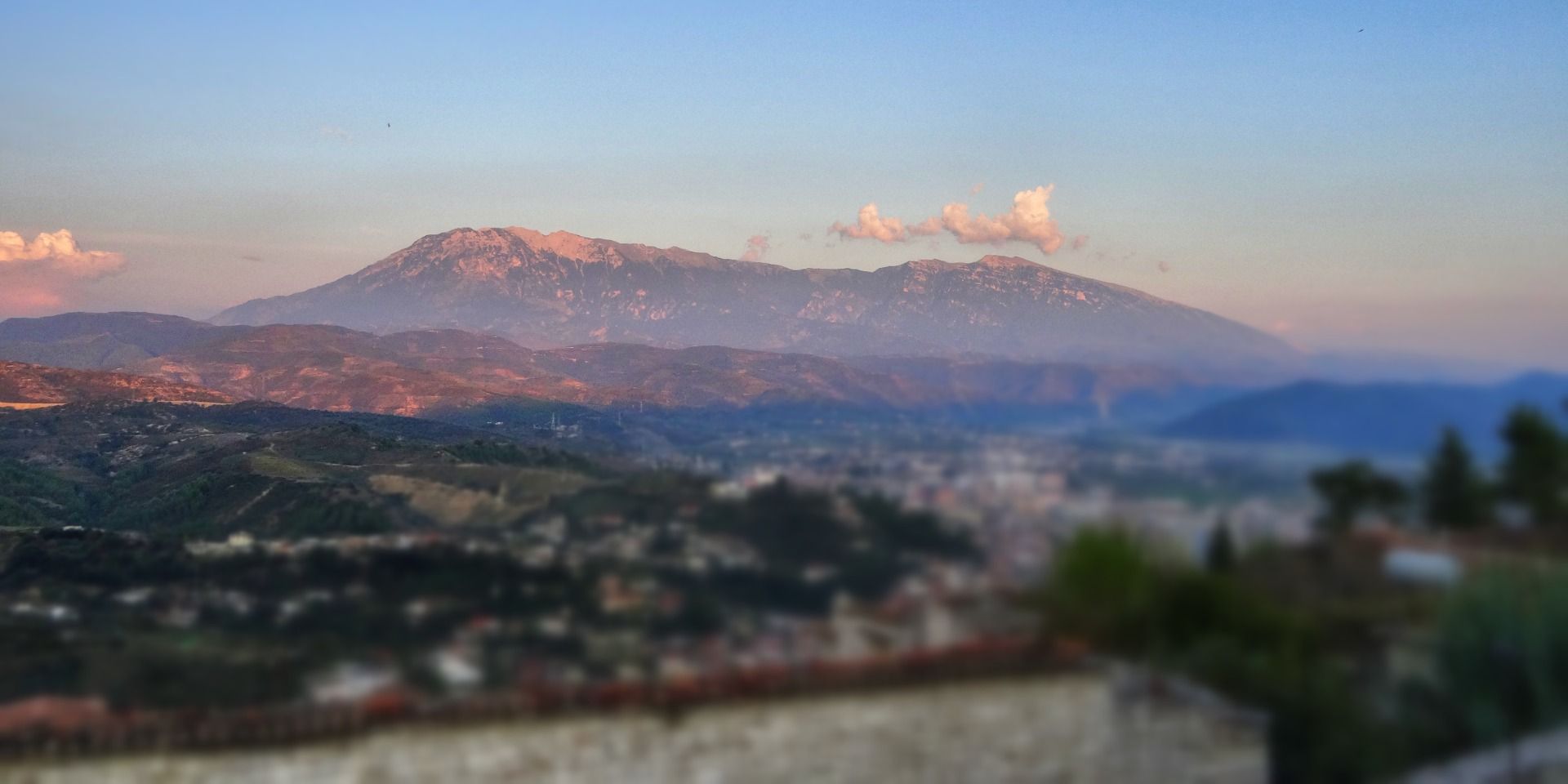
While the fortress was originally inhabited almost exclusively by Christians, Mangalem is the traditionally Muslim quarter, which is also reflected in the number of mosques. On the other side of the Osum is Gorica, another historic district that for many centuries was connected to the rest of Berat only by a wooden bridge.
Spirit of the river
Today's stone bridge, which spans the Osum with seven arches, dates from 1780 and was last thoroughly renovated in 1920. With gruesome details: according to legend, when the bridge was built, a girl was walled in alive to appease the spirits of the river.
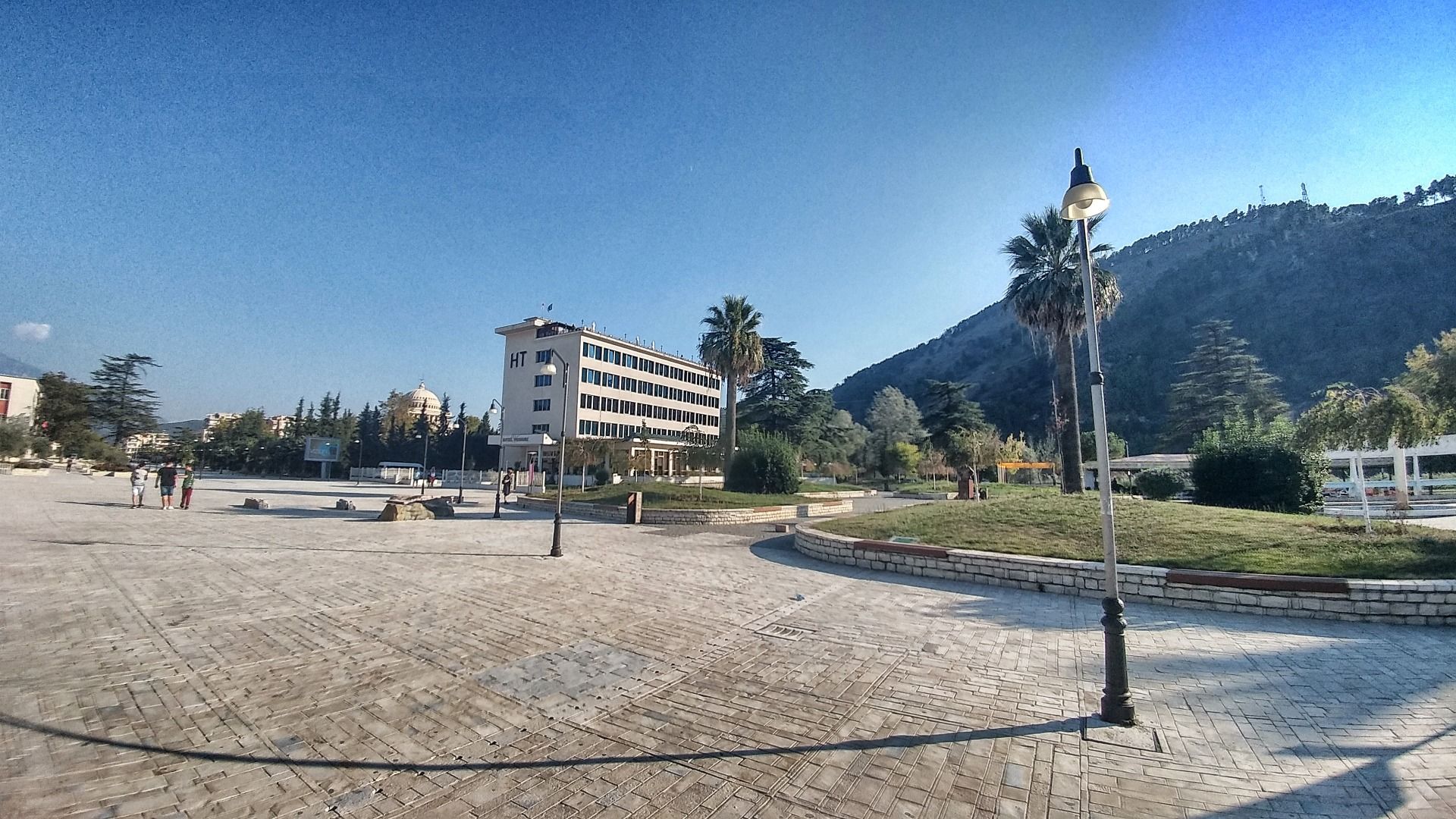
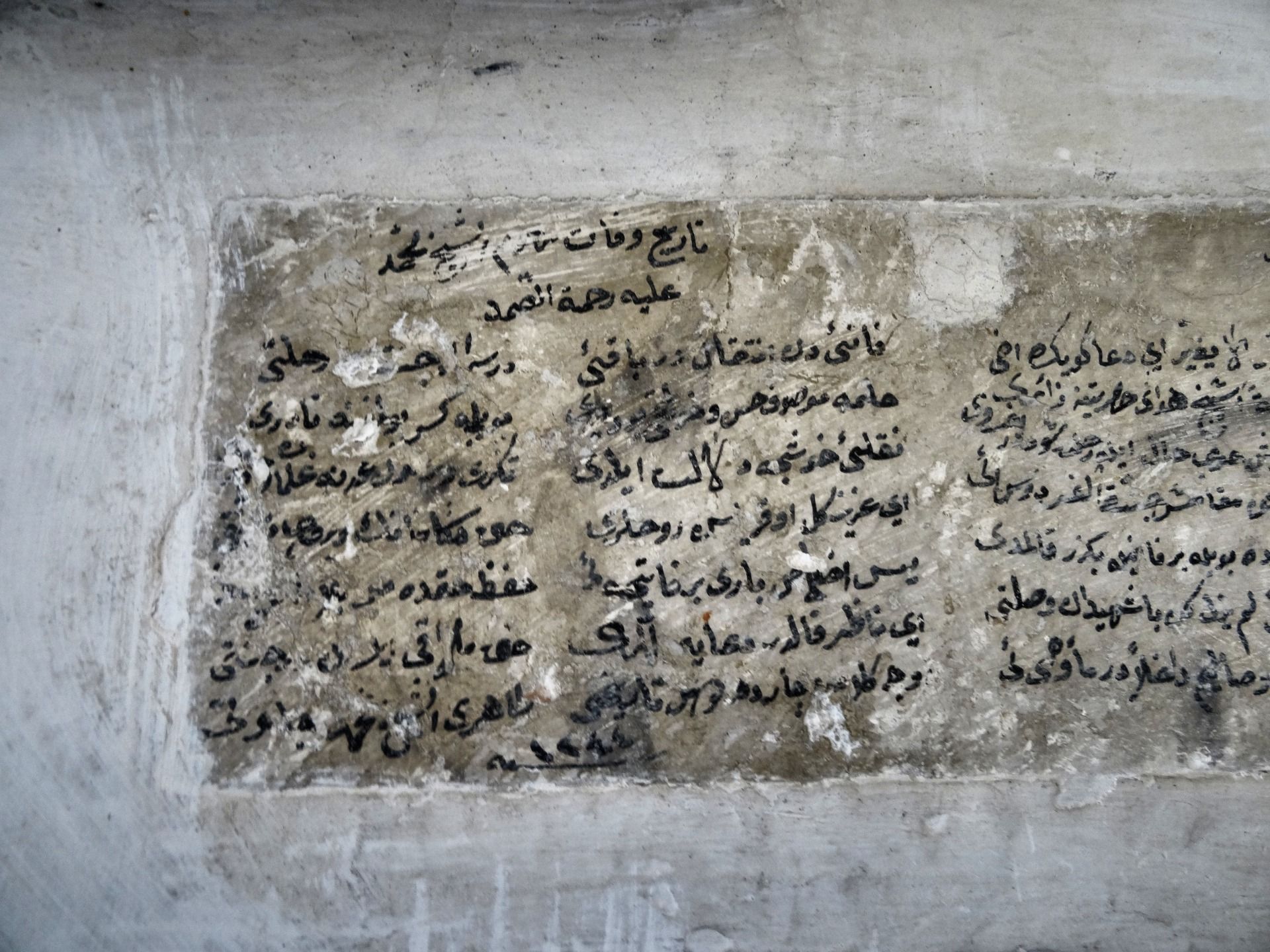
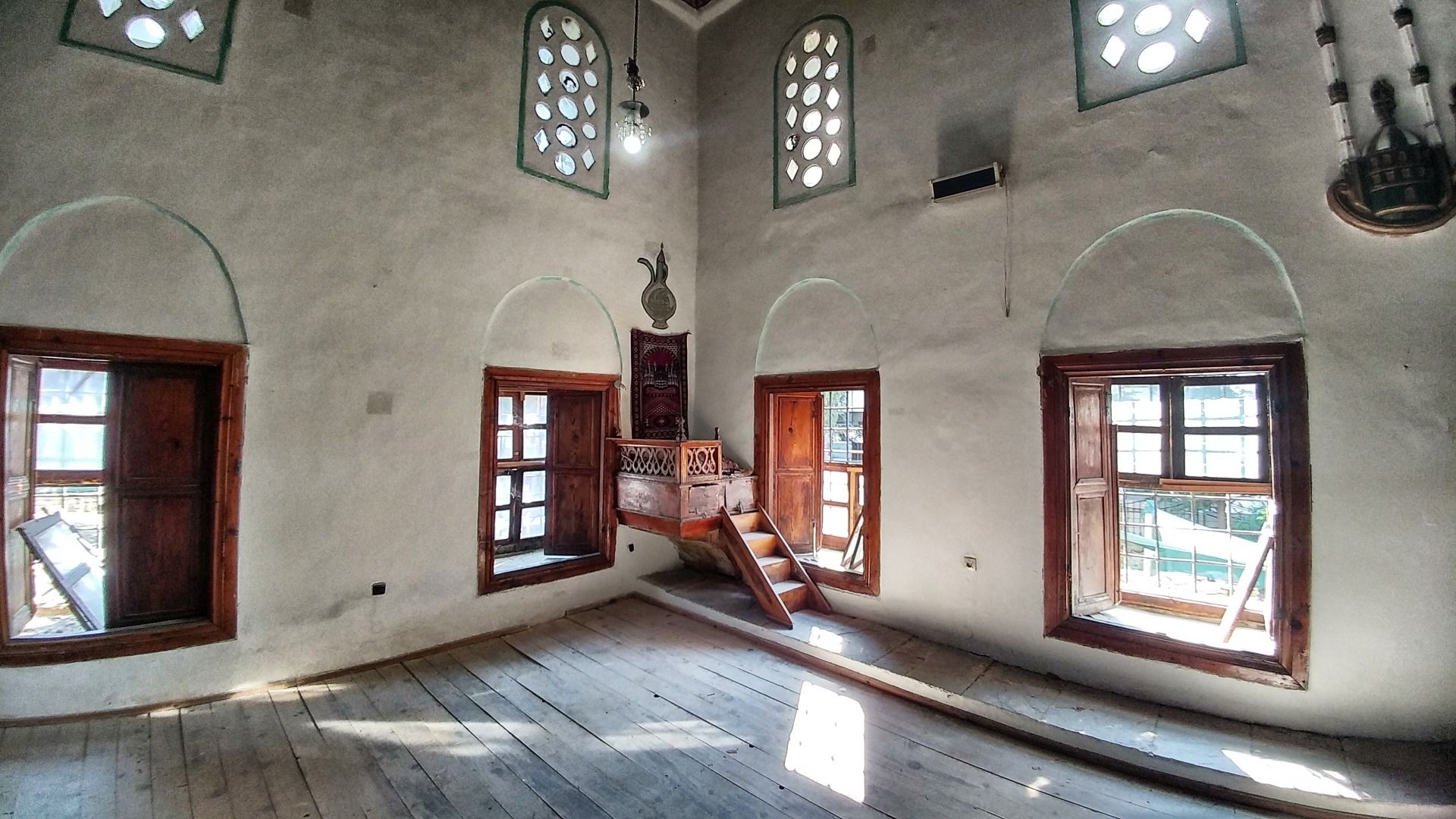
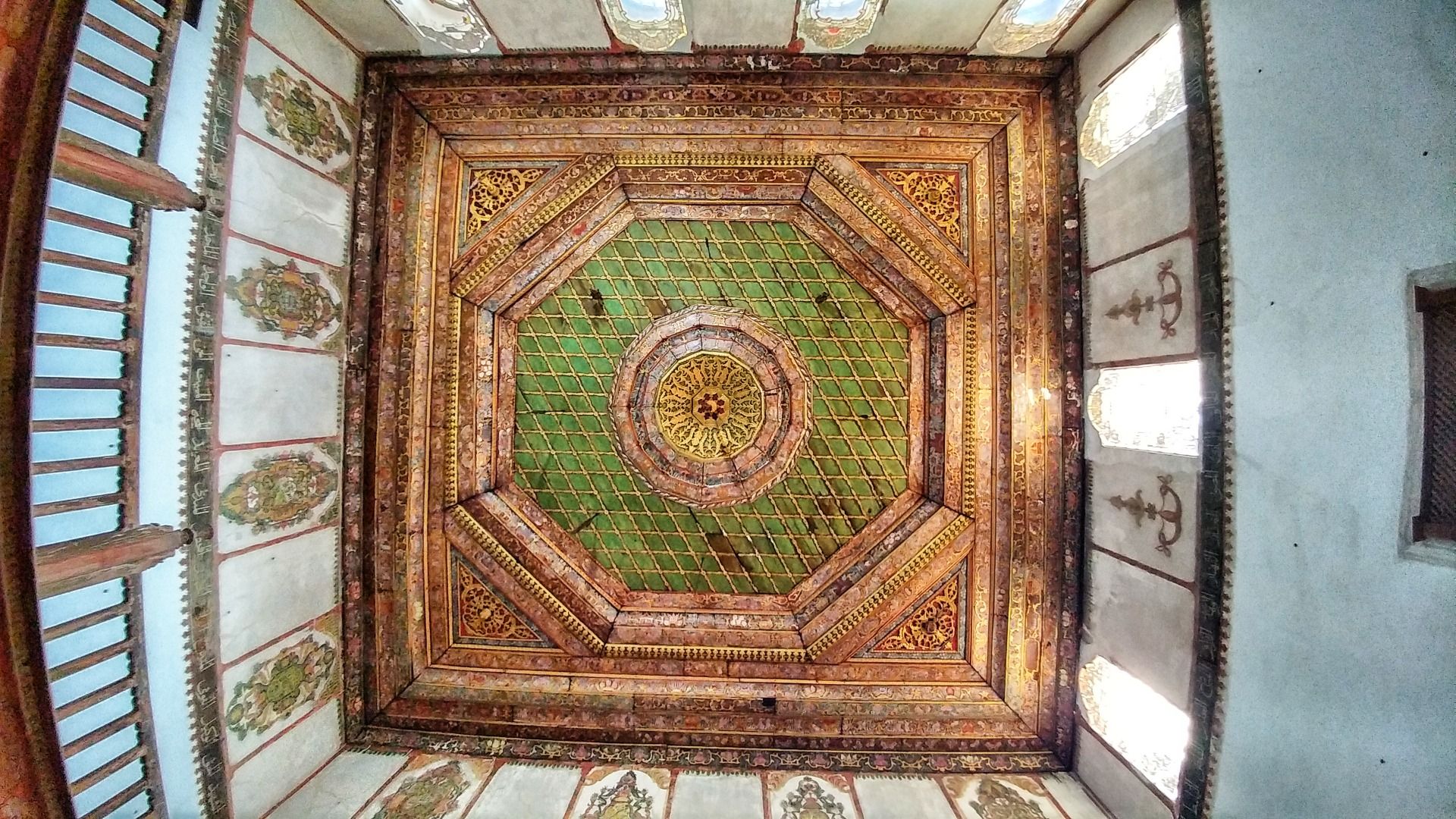
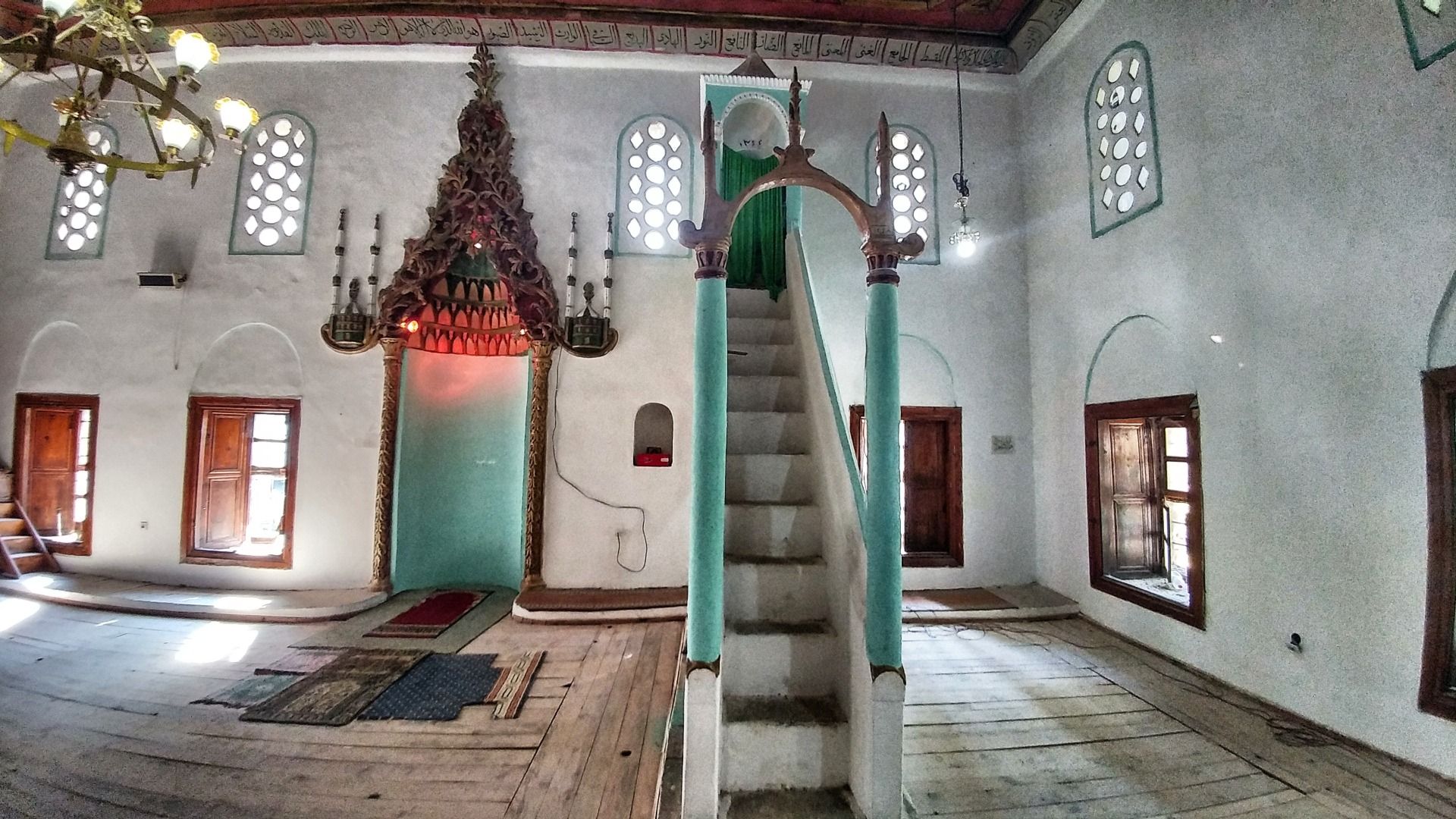
Not really natural, but tourism needs such stories to remind people of the city's multi-religious past. The oldest mosque in the city is the richly decorated 15th century King's Mosque, which together with a branch of a Sufi order and a caravanserai form a structural unit. Also of particular interest is the Lead Mosque, built in the 16th century, which owes its name to the lead roof on its dome.
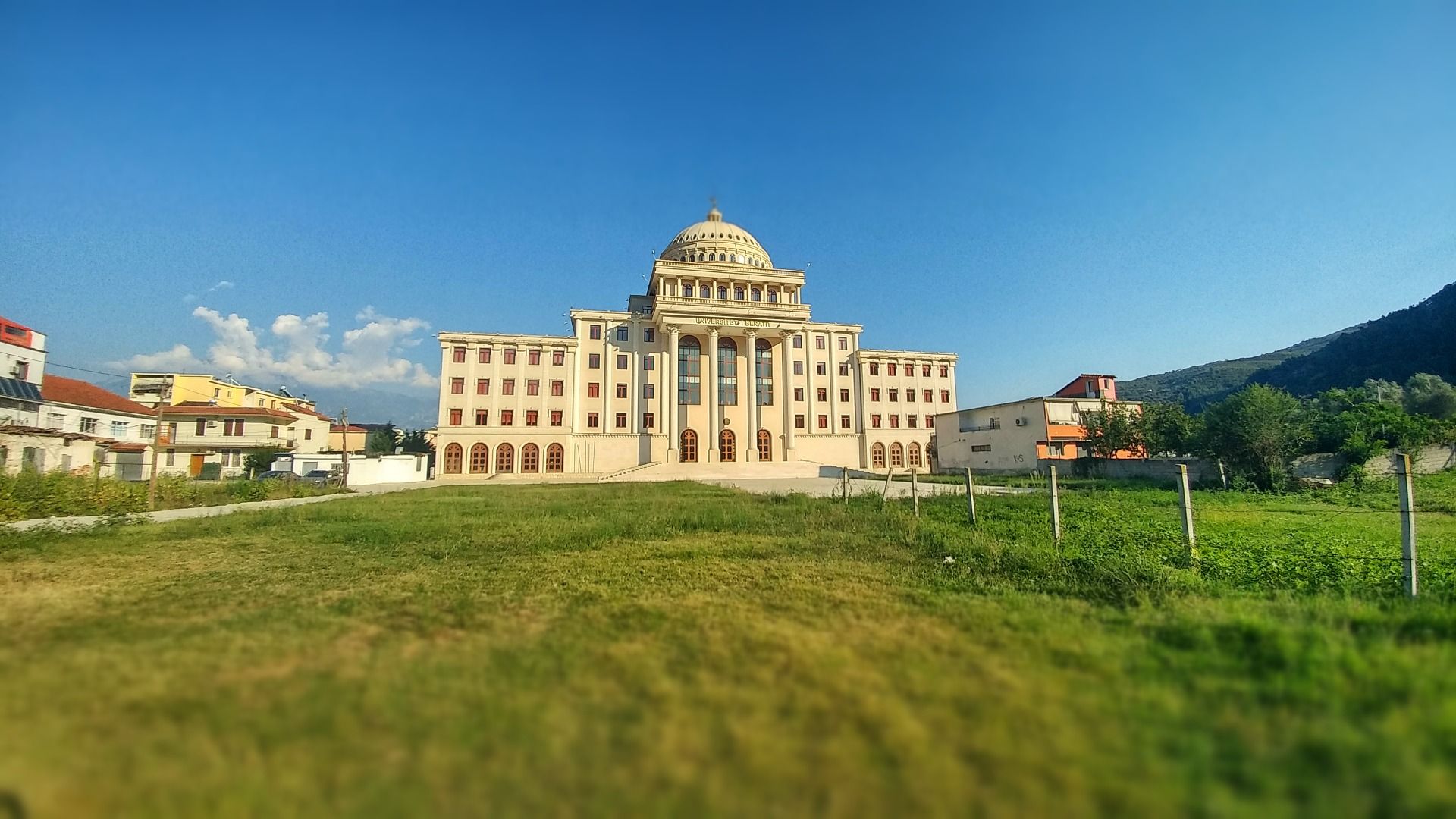
But a tour of Berat should not be complete without a visit to the small church of St. Michael, which overlooks the city from the castle hill and, of course, the surrounding area. Berat is situated in a wild natural landscape, which is almost untouched until today.
So small, so huge
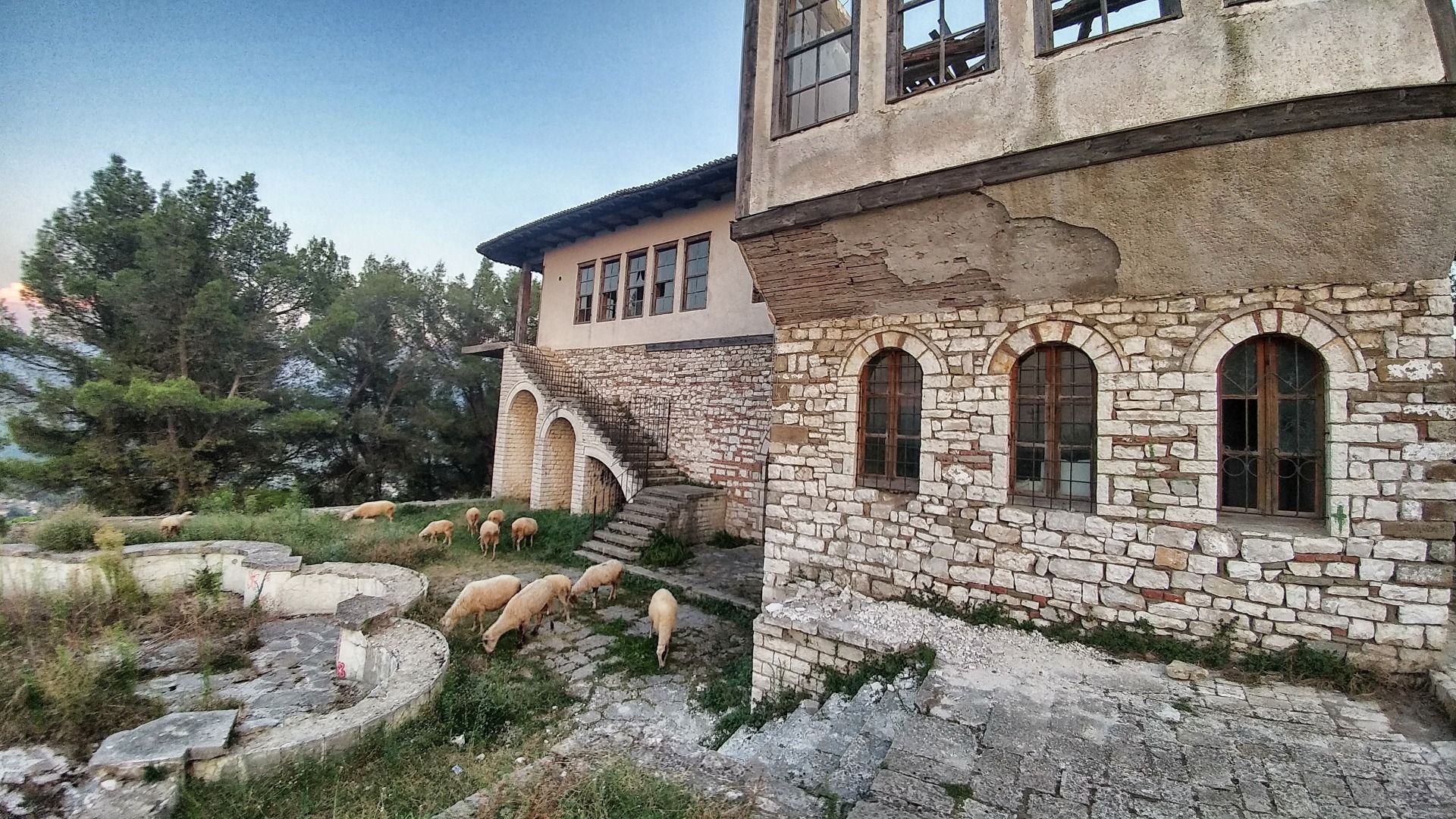
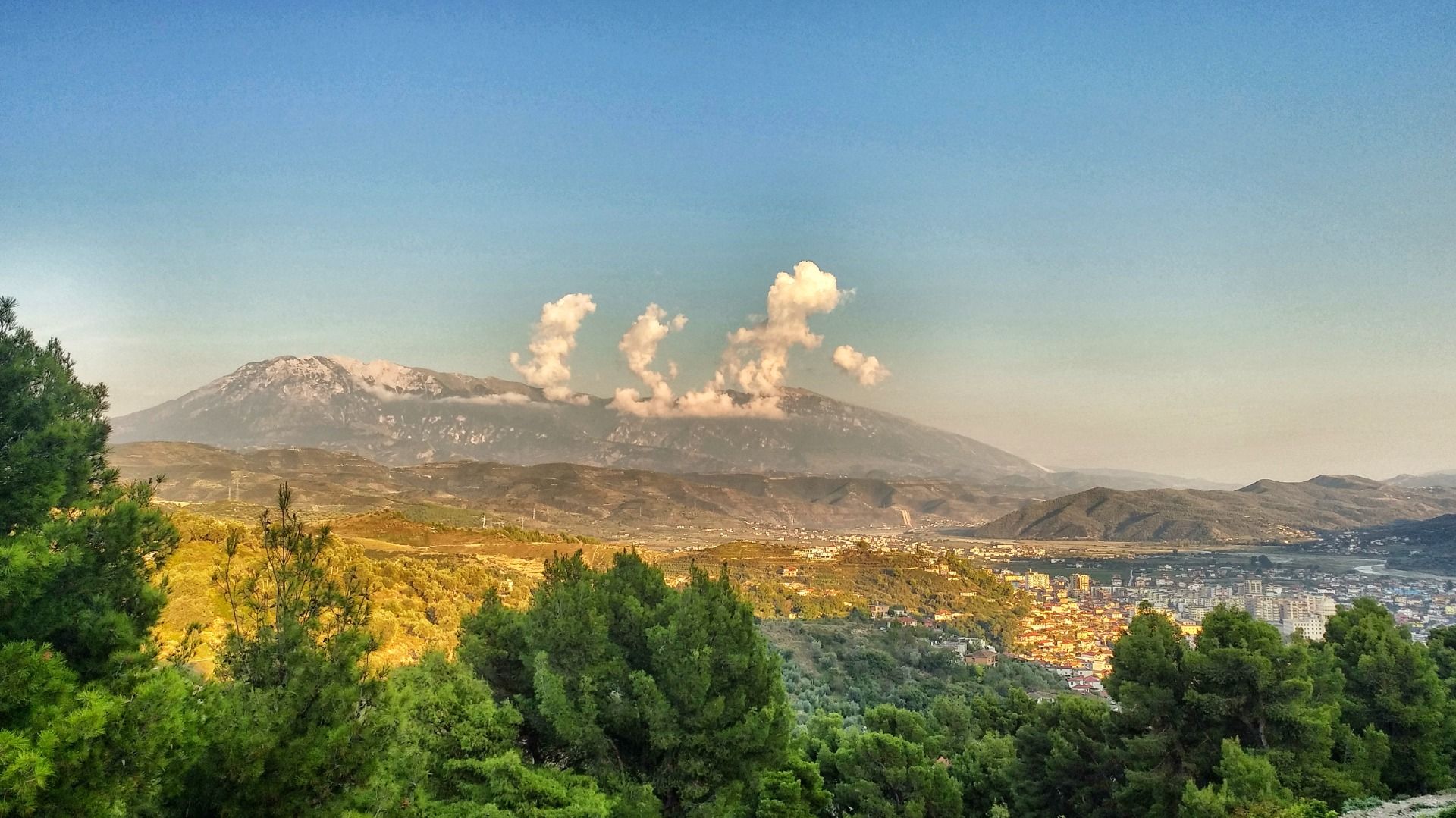
The nearby Tomorr, which used to be considered a holy mountain and is one of the highest mountains in Albania with more than 2.400 meters of altitude, is even the centerpiece of a national park with lush flora and diverse fauna, which itself would be worth more than an extended hike.
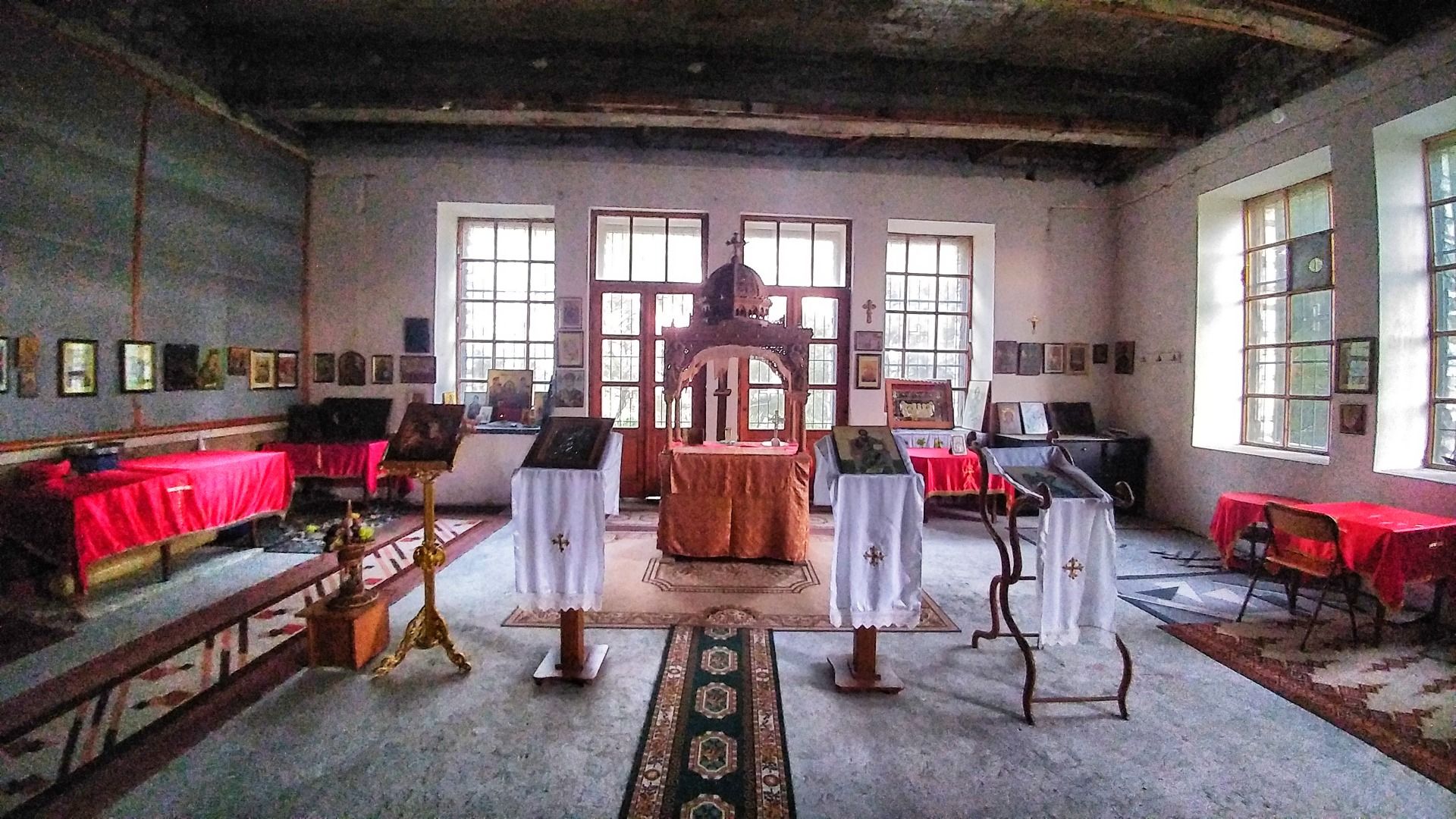
But as small as Albania seems on the map, this little-known country is huge when explored on foot.
Thank you for reading and if you like my work please follow me on Hive, Travelfeed or Steem or visit my homepage koenau.de
A few more pictures for you: