 Aragon, Spain
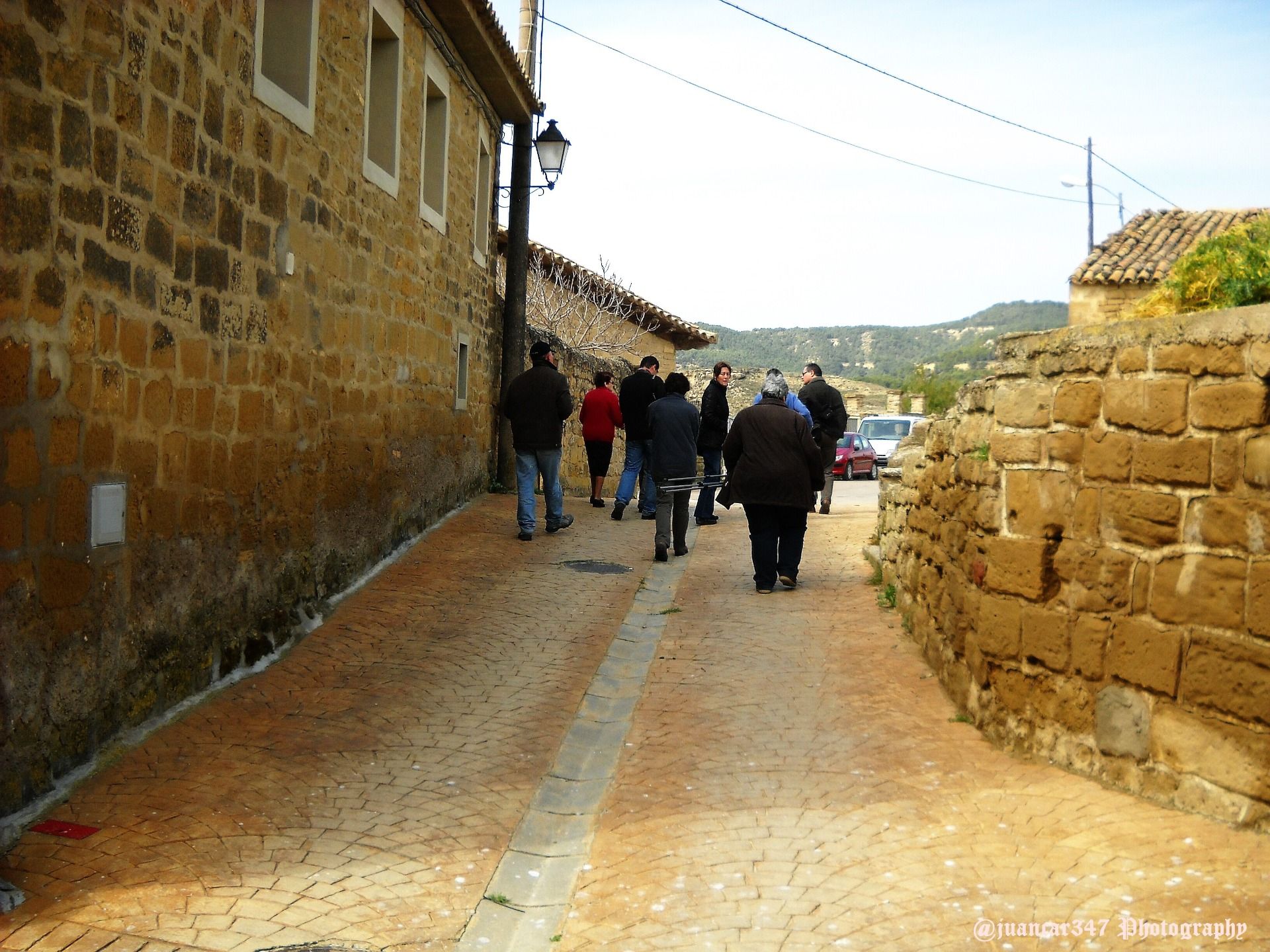
Located at a distance of 24 kilometers from a city of relative importance, such as Ejea de los Caballeros, and 12 kilometers away from the interesting town of El Frago, the small town of Luna is a historical, artistic and cultural treasure bequeathed by their ancestors, two interesting Romanesque temples, not without beauty and interest.
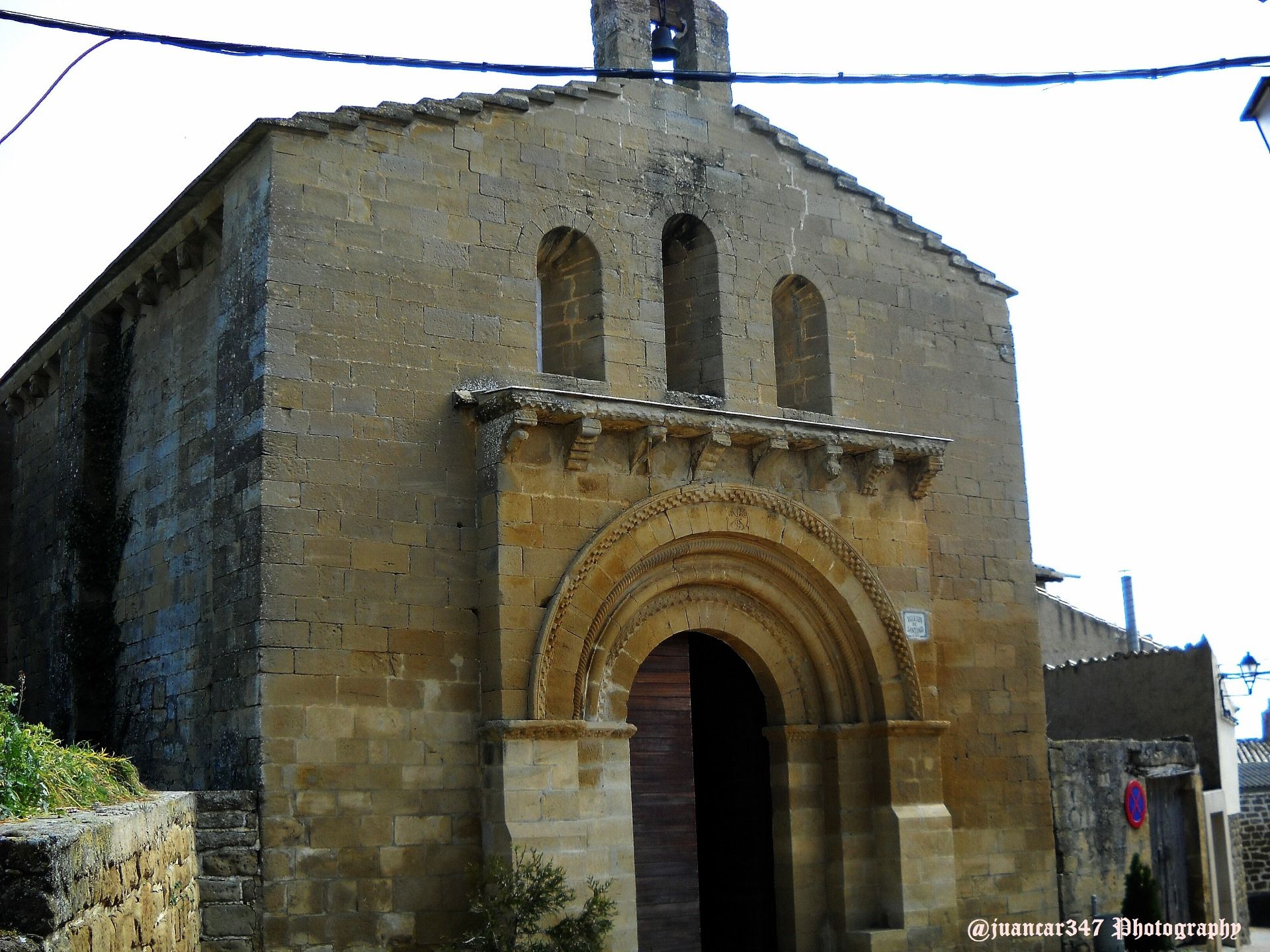
These temples are the church of San Gil, located on the outskirts of the town, and the church of Santiago, whose location must be located inside its urban center, although relatively close to the previous one
In fact, if it weren't for a small mound and a bend in the road, both churches could be seen perfectly from one to the other.
On the other hand, I agree with the thought of Juan Pedro Morin Bentejac and Jaime Cobreros Aguirre, when they affirm that the Romanesque has been rightly called the pilgrimage style both for its coincidence with the moments of high spirituality and for the huge percentage of monuments important of the Way built according to its canons ... (1).
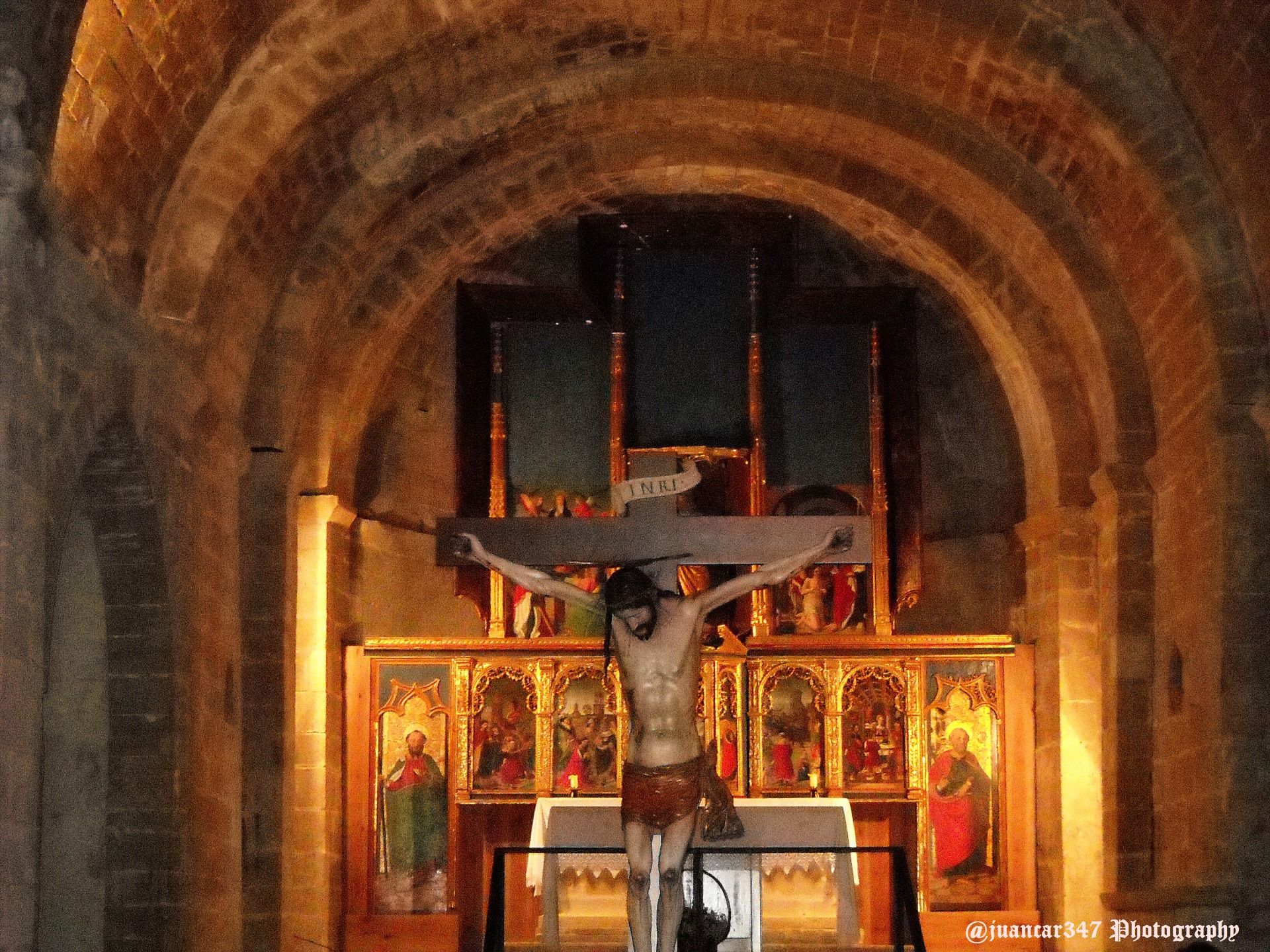
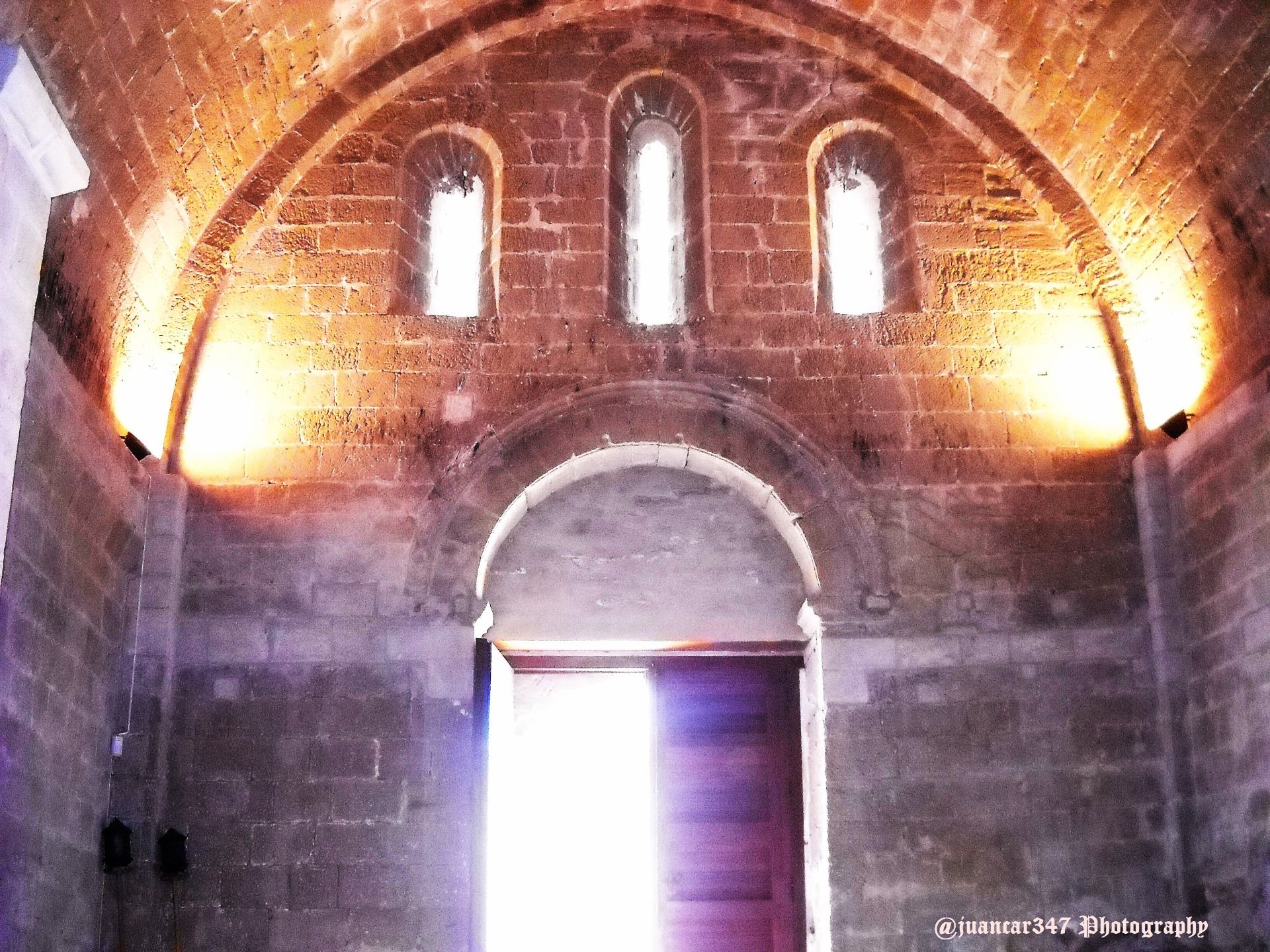
Therefore, it is not surprising that this church in Santiago was once an enclave where pilgrims who went to Compostela following the path of this secondary road, recognized some of the symbols common to many other similar temples, embedded both in the routes traditional, as in those in theory less important, and therefore secondary.
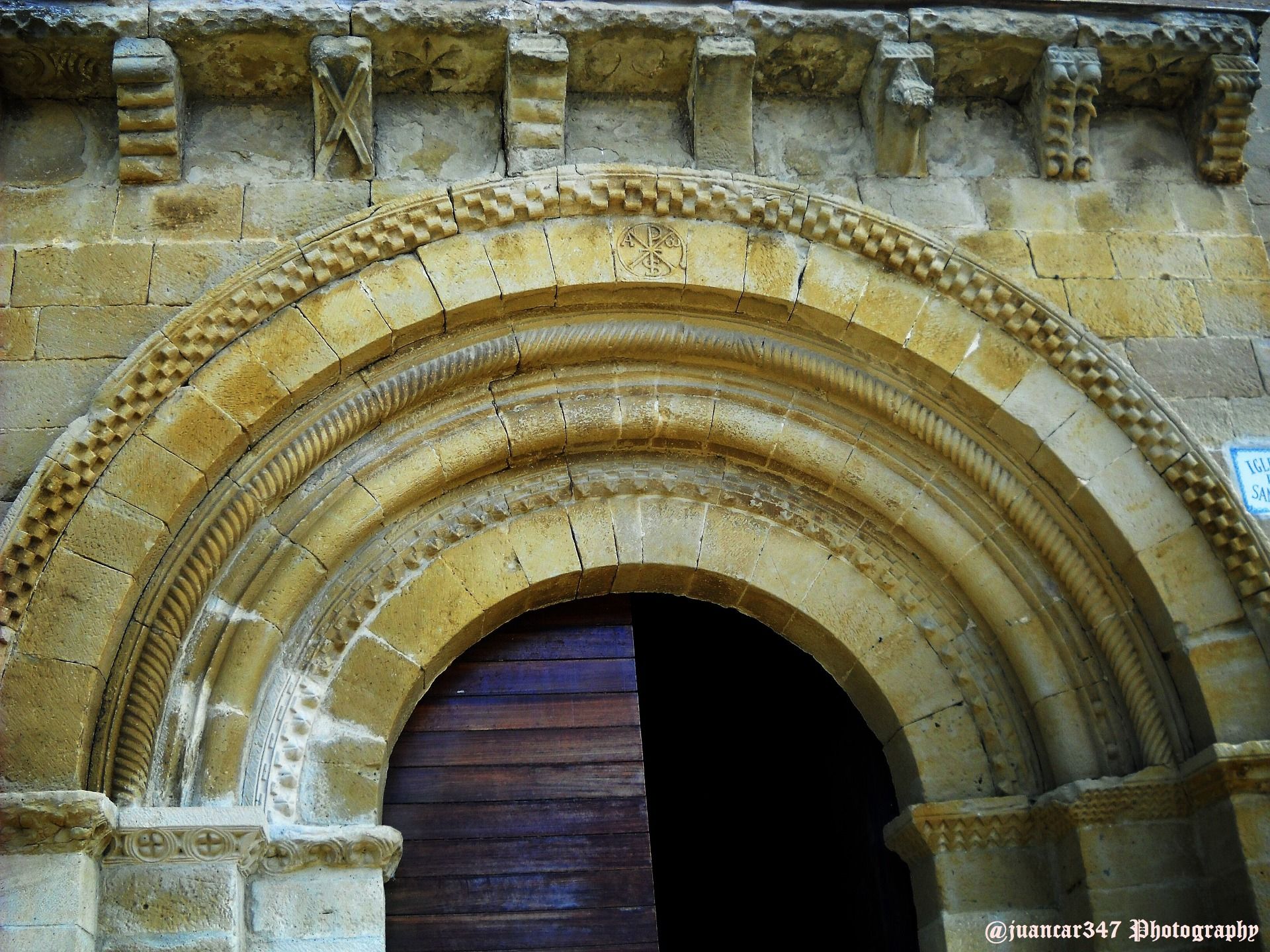
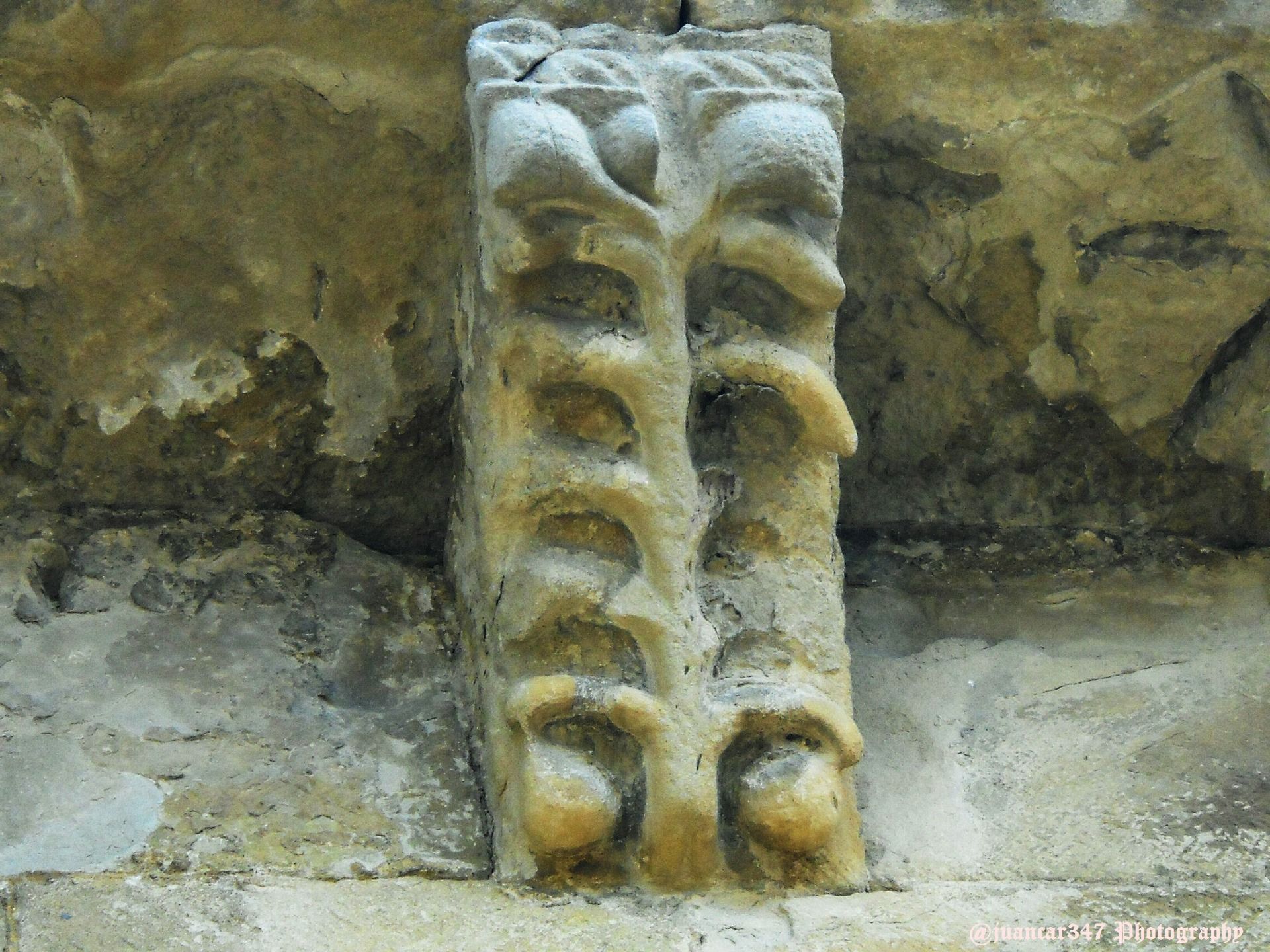
As, for example, the significant canecillo that, profiling above the entrance porch, represents what clearly seems to correspond to a Tree of Life.
Along with this and other canecillos, the metopes stand out, which follow decorative models of probable Celtic or Visigothic origin, indicating the persistence of other forms of deep-rooted thinking in the collective memory of the peoples.
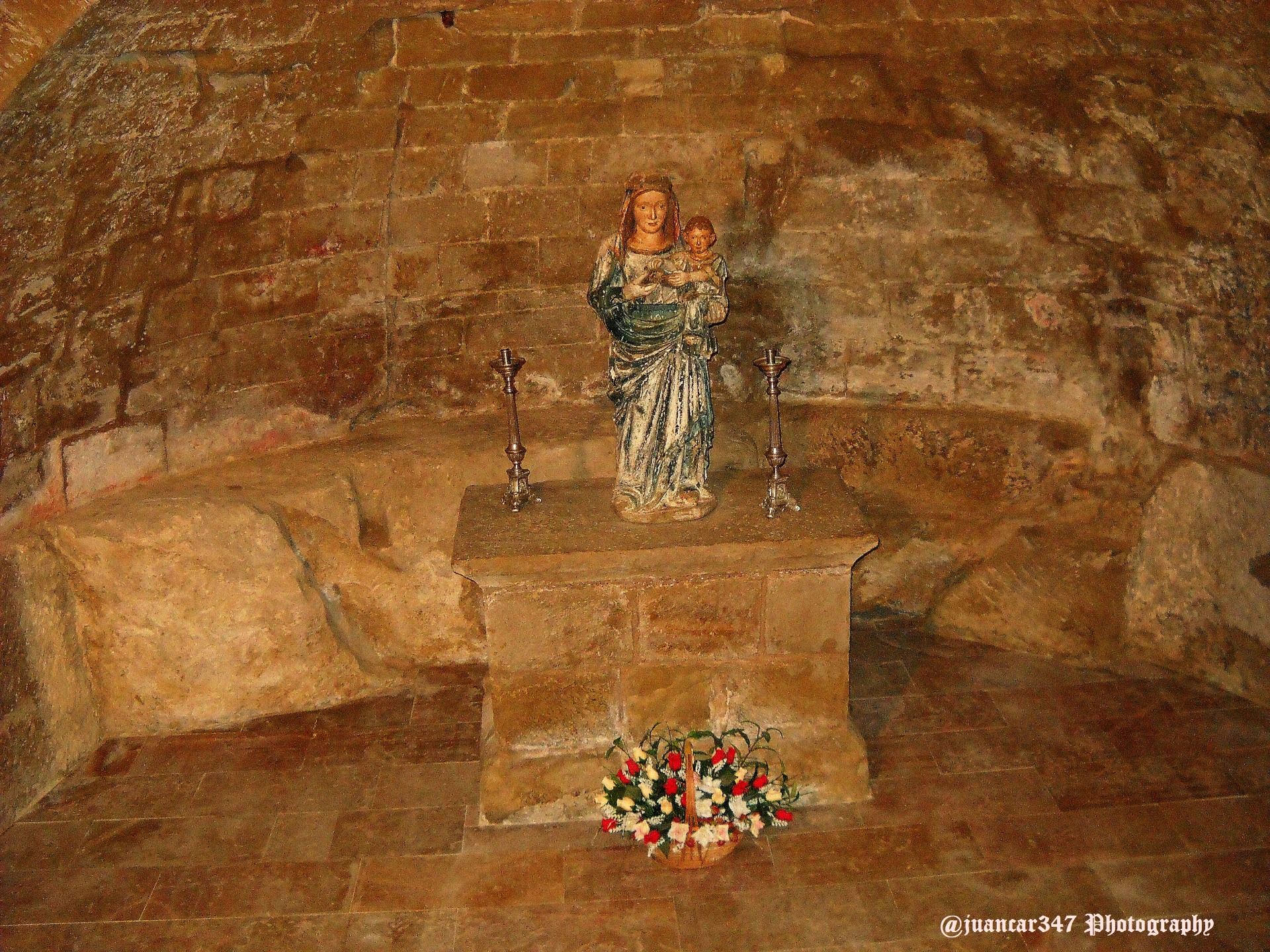
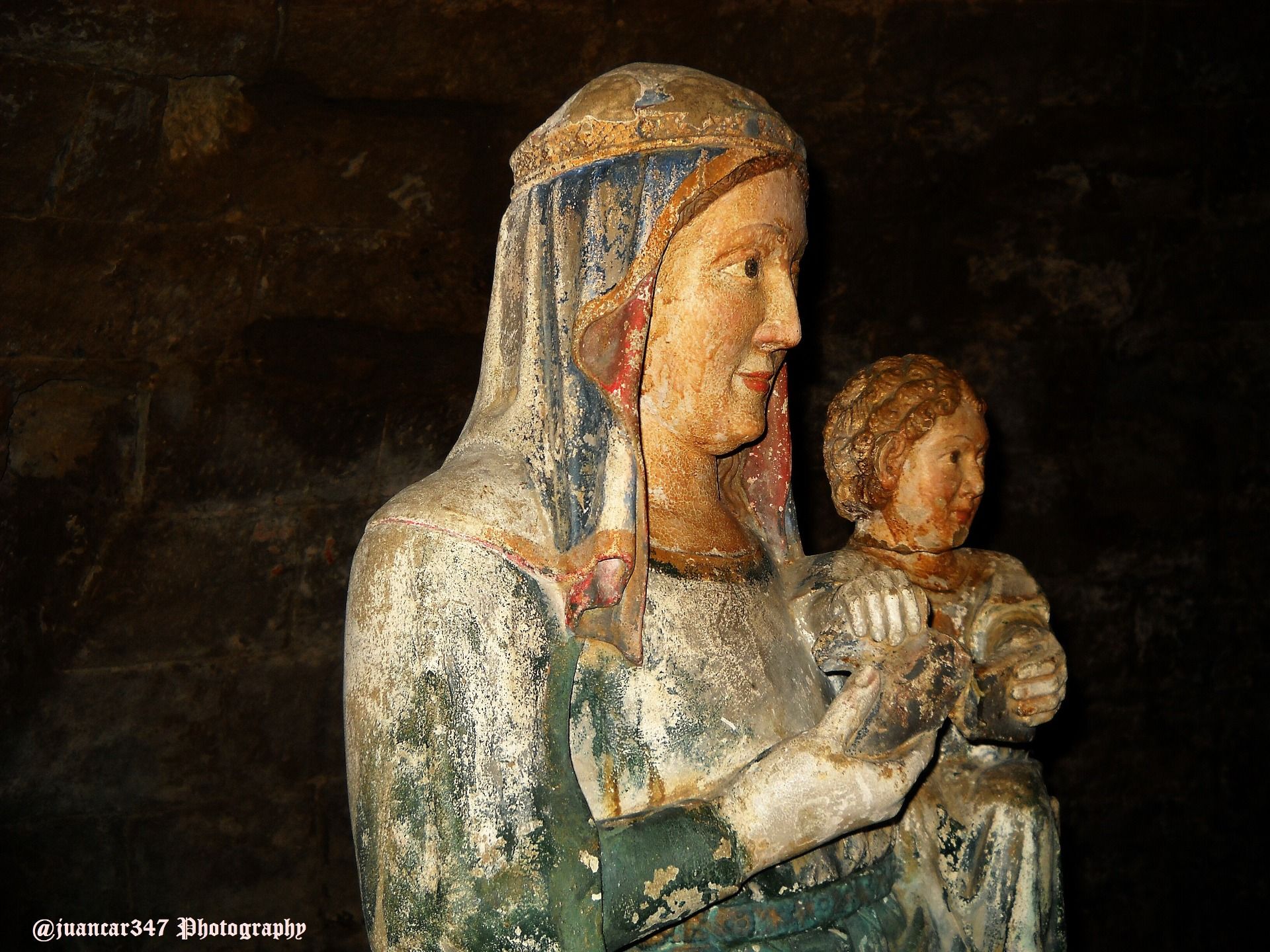
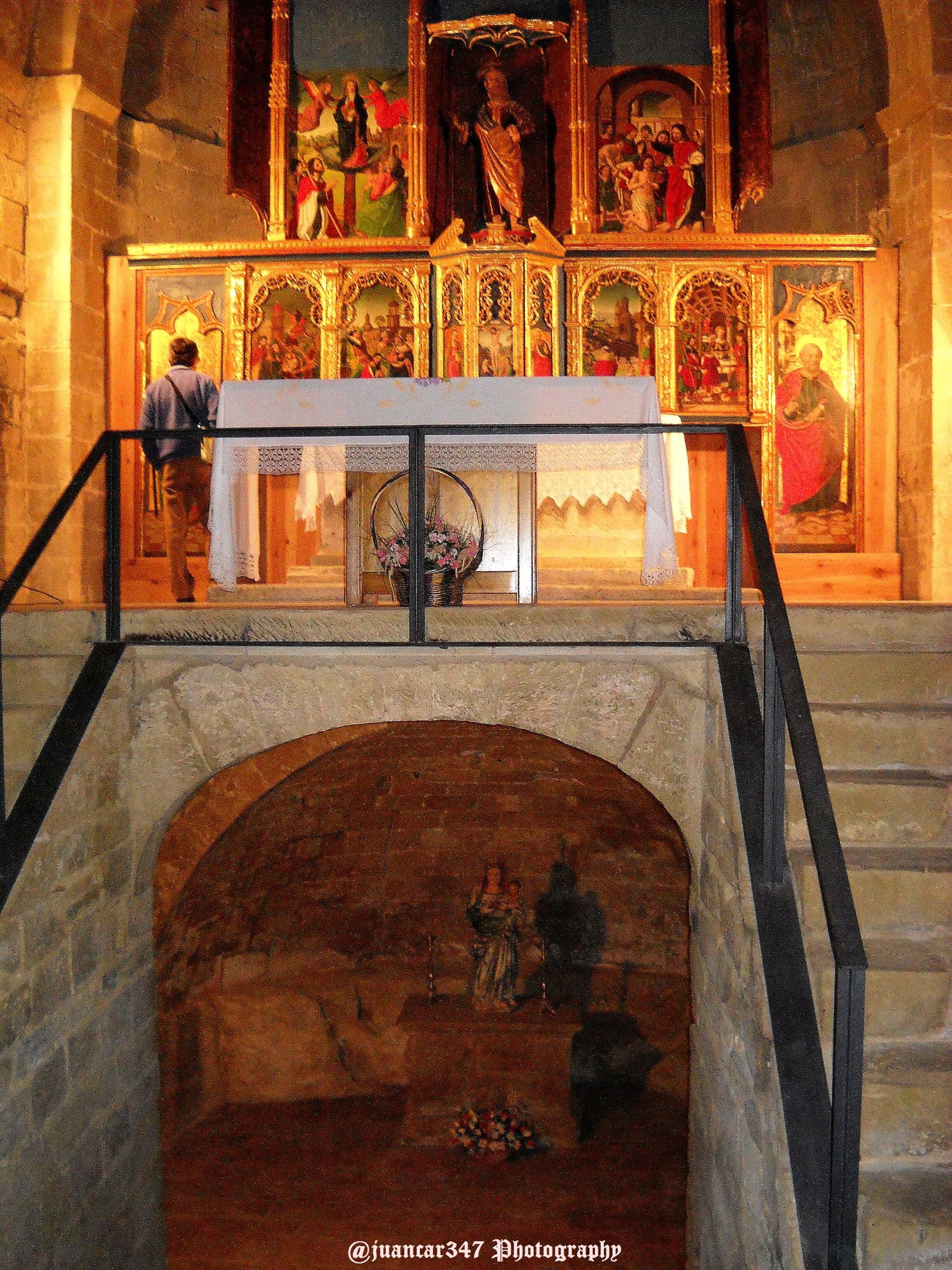
However, once inside the temple, the crypt site, located in the center of the nave, on whose altar, is now a beautiful but deteriorated Gothic carving (with probability, of the XIV-XV centuries) of the so-called Nª Sª del Alba
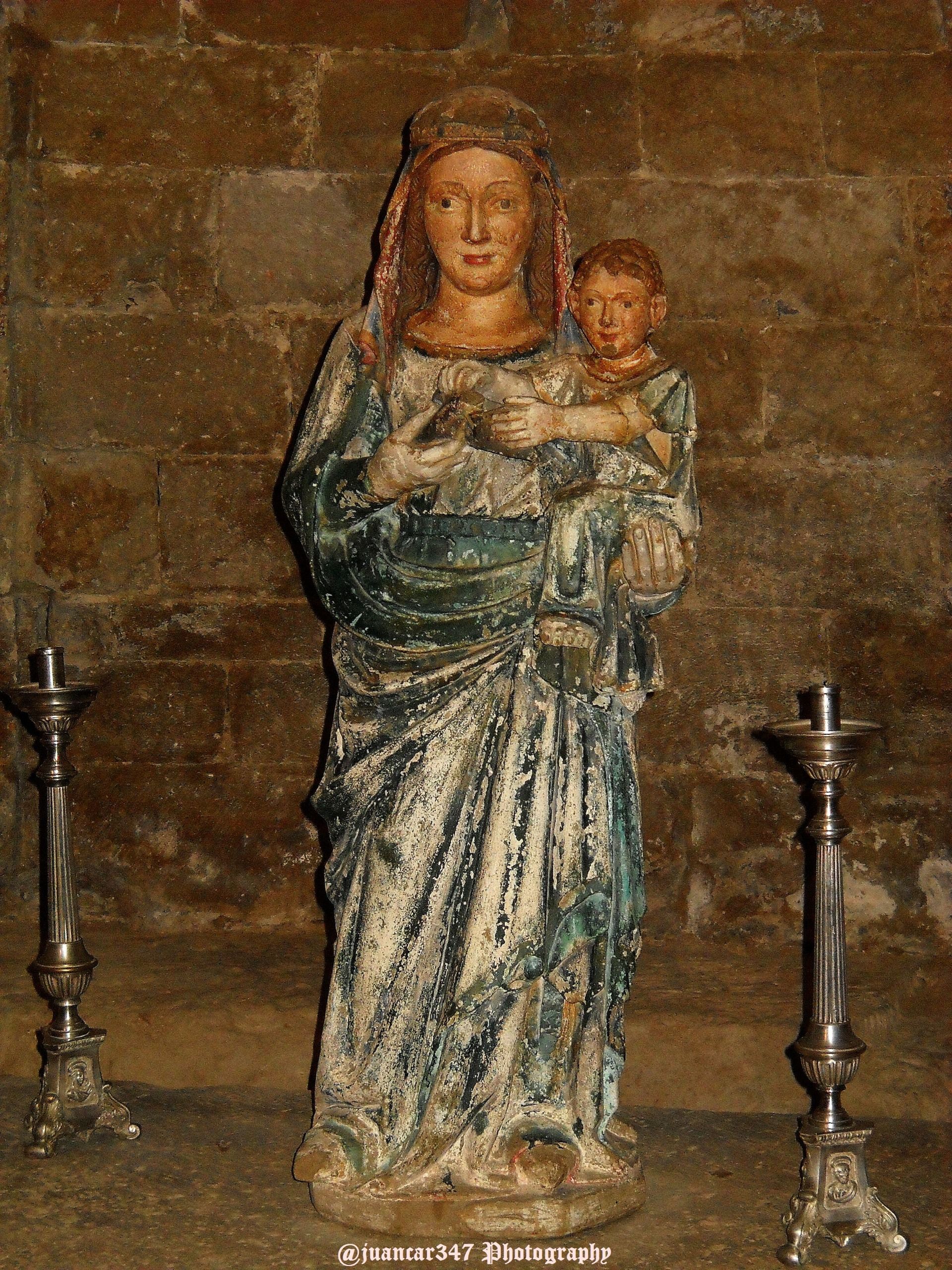
This size, comes from an abandoned town -San Quintín- which, apparently, the hermitage is still preserved, maintained by a brotherhood that bears his name, which is responsible for its care and conservation.
It is interesting the detail of the Child, who holds a bird in his hand; a bird that, either by accident or bad faith, is missing its head.
The motif of the bird, is also located, for example, in the gothic carving of Nª Sª de las Nieves, which is located in the right apse of the church of San Pedro el Viejo, in Huesca.
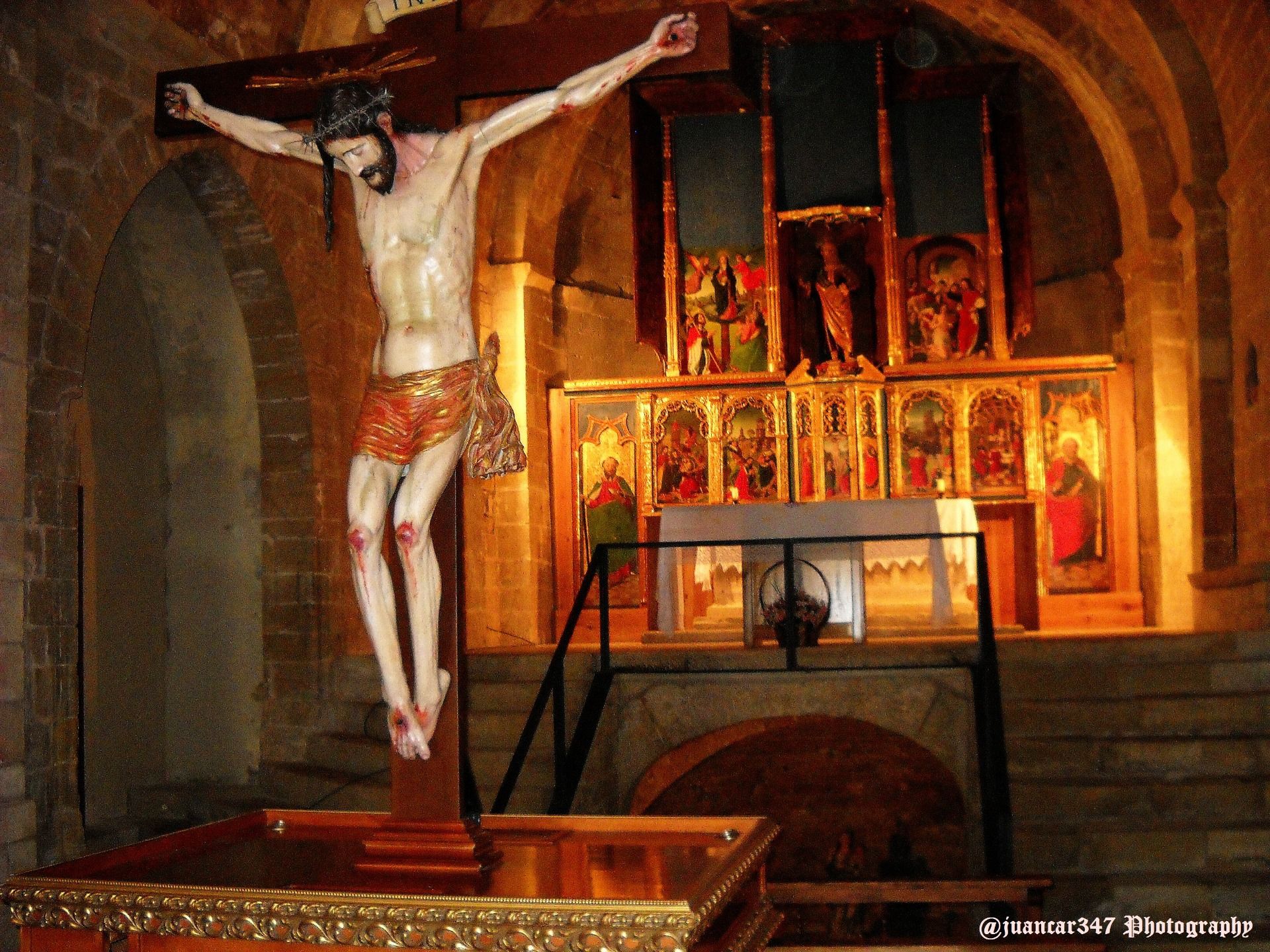
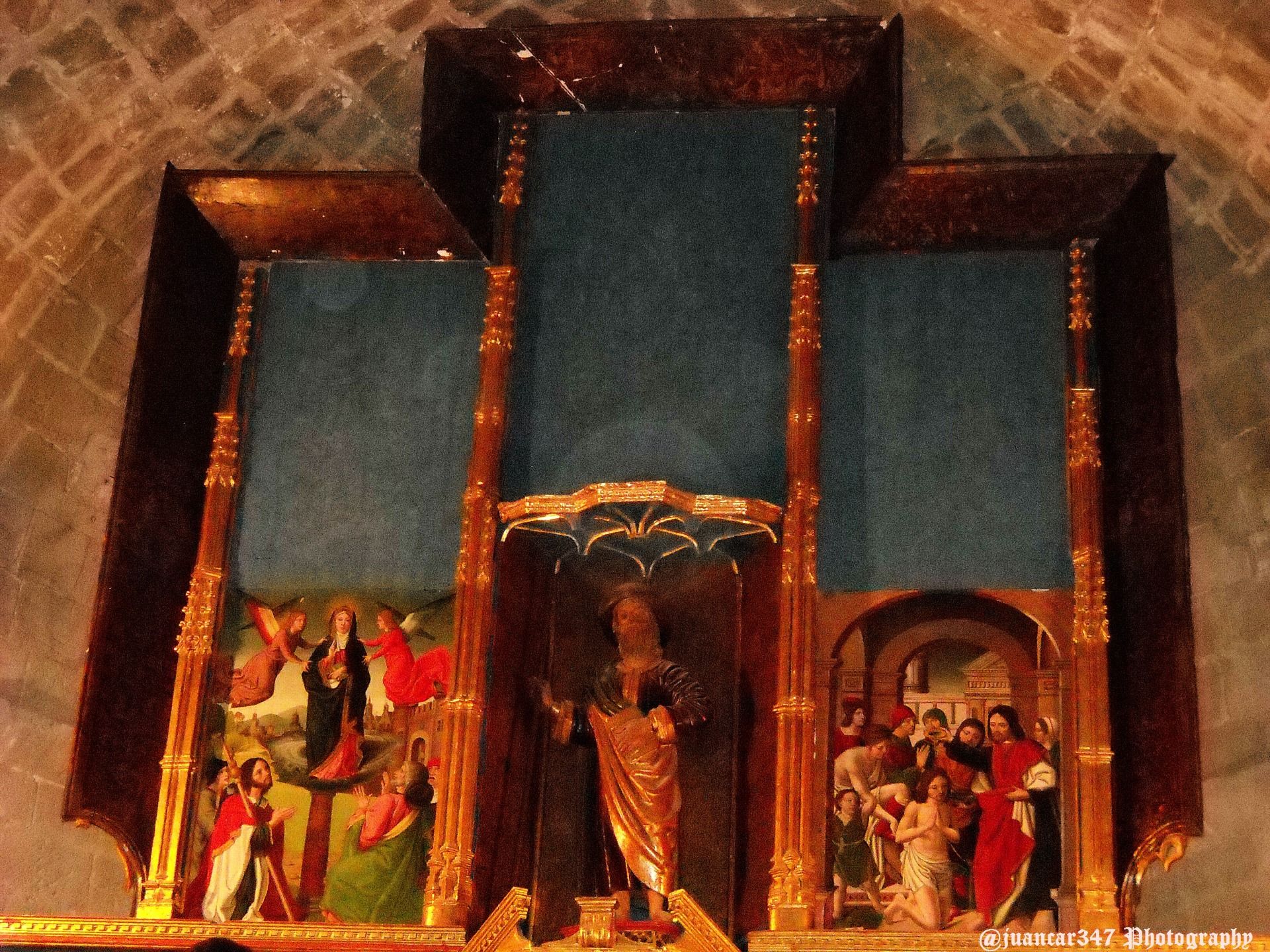
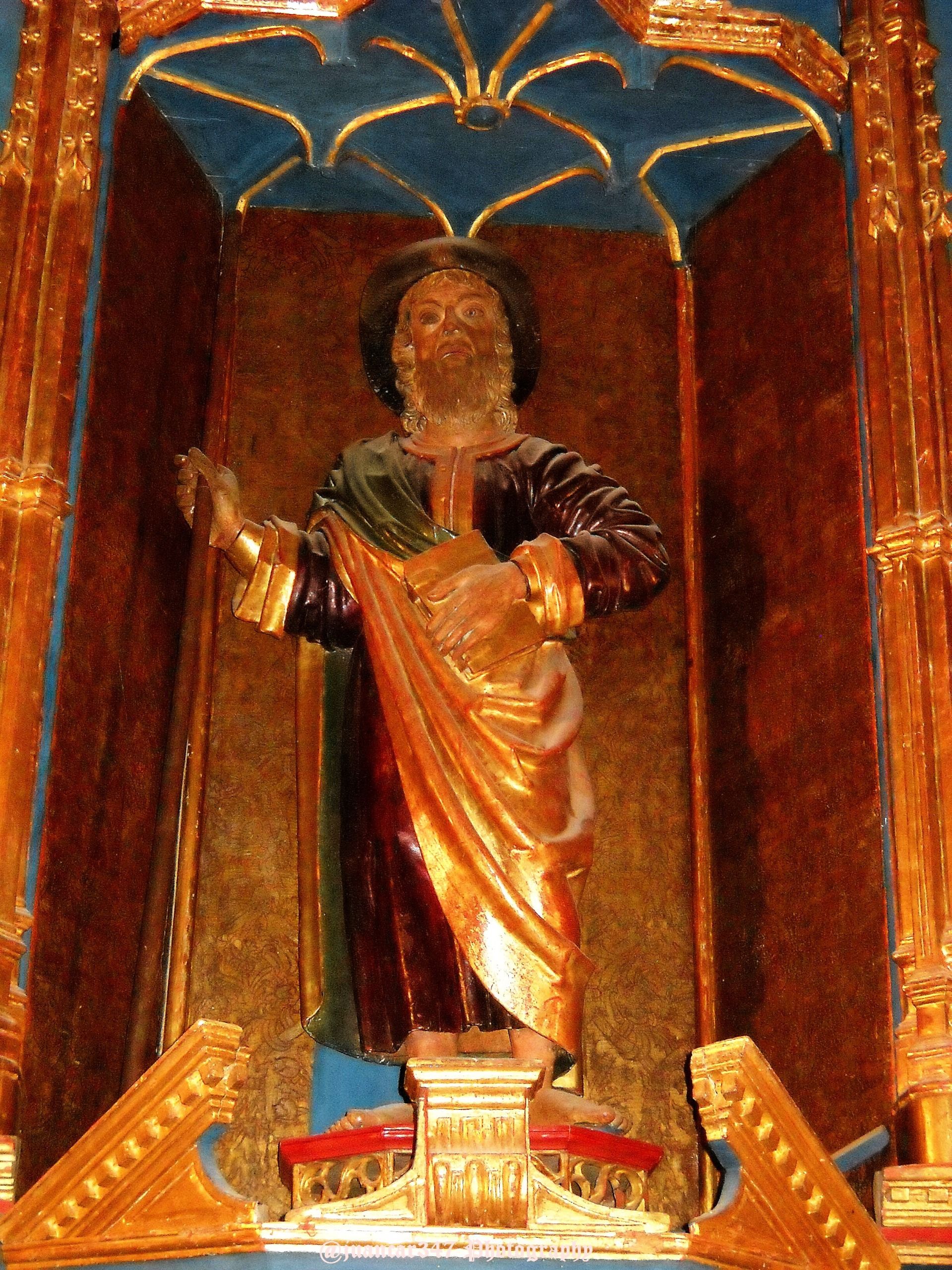
In the main altarpiece, a figure of Santiago Peregrino occupies the central part. In the altarpieces of the side chapels, as in the main one, restoration work is currently being carried out.
Notes, References and Bibliography:
(1) 'The initiatory path of Santiago', Juan Pedro Morin Bentejac / Jaime Cobreros Aguirre, Editions 29, 1st edition, June 1976.
NOTICE: Originally published in my blog ROMÁNICA, ENIGMAS DEL ROMÁNICO ESPAÑOL. Both the text, as well as the accompanying photographs, are of my complete intellectual property, except the citations, conveniently referenced. The original entry, where you can verify the authorship of juancar347, can be found at the following address: http://juancar347-romanica.blogspot.com/2010/05/luna-iglesia-de-santiago.html