Cantabria, Spain

The trip that I propose to you today, perhaps it may surprise you and if any of you are by nature superstitious, if you continue reading and do not pass by, even if you cross your fingers, as it has always been done when we have come across a black cat on our way.
But I can assure you that it is not my intention to raise suspicions, awaken demons or act as a perverse cicerone through the dark world of the supernatural.

In fact, the title says it all, although it may not be so peculiar or at least familiar, to see how a cemetery can be classified as an Asset of Cultural Interest.

Trust my criteria and let yourself be carried away by the old popular saying, thinking that when the river sounds it is because water carries and you see it, like a visit to another type of city, far from the typical and sometimes boring tourist circuits, placing yourself in that spectacular coast of the North of Spain, where Asturians, Cantabrians and Basques wrote glorious pages in the revolutionary history of Hispania, fighting fiercely against the Roman invader.

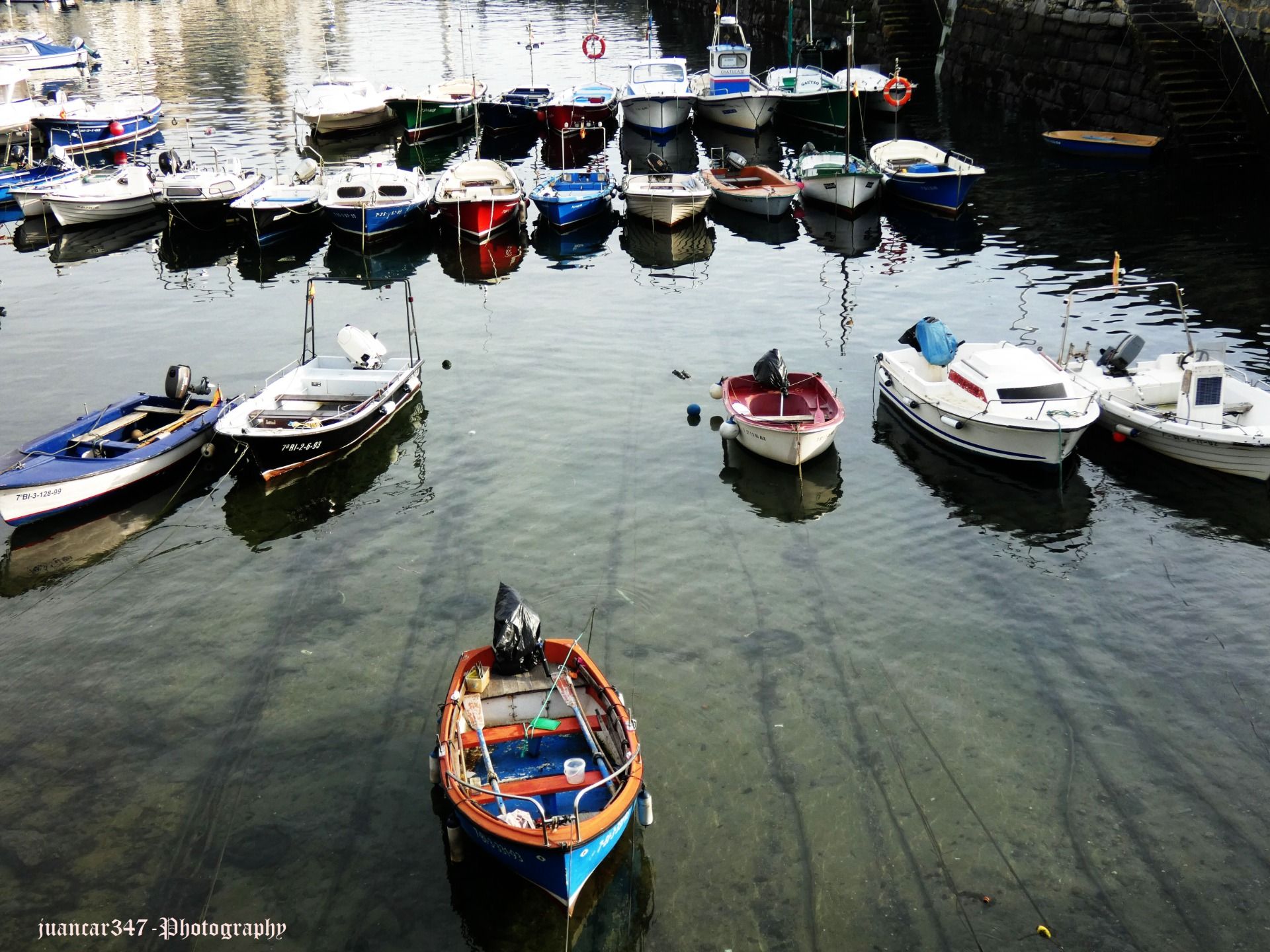
Our destination, at this point, is a peculiar town, which the Romans baptized with the name of Flaviobriga, the medieval kings in their jurisdiction, as well as the Knights Templar who are supposed to have settled in their small castle-lighthouse, a few meters away. of the formidable Gothic church of La Asunción and of the important port on the Cantabrian Sea where numerous pilgrims arriving on their way to Compostela, they knew by the name of Castrum Ordiales and that today, for you and me, preserves a Spanish name that perhaps should write down in your travel notebooks: Castro Urdiales.

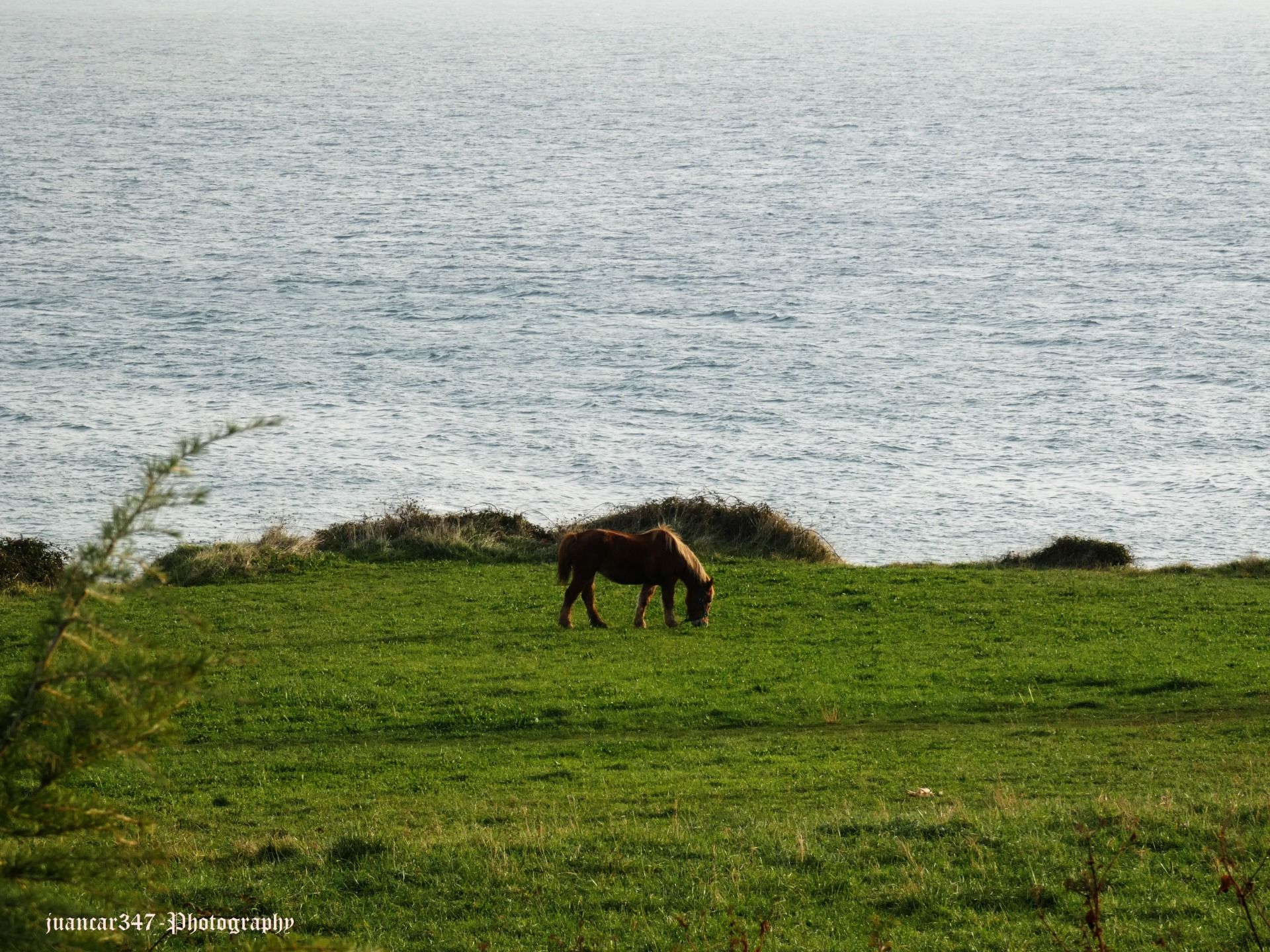
In Castro Urdiales, at the top of one of those promontories that are cut out over a sea of character, such as the Cantabrian Sea and where cormorants and seagulls learn to forget about vertigo, anyone would say that by imitating the harpooning skill of Cantabrian sailors, a small but enlightened city of the dead, receives the literary name of Ballena.

Located on the edge of the so-called Allendelagua road, it was inaugurated in 1893, basically as a privileged place of last resting place for the flourishing, distinctly Basque bourgeoisie, coming from that heart of the Bay of Biscay, Bilbao, barely thirty kilometers from Castro Urdiales.
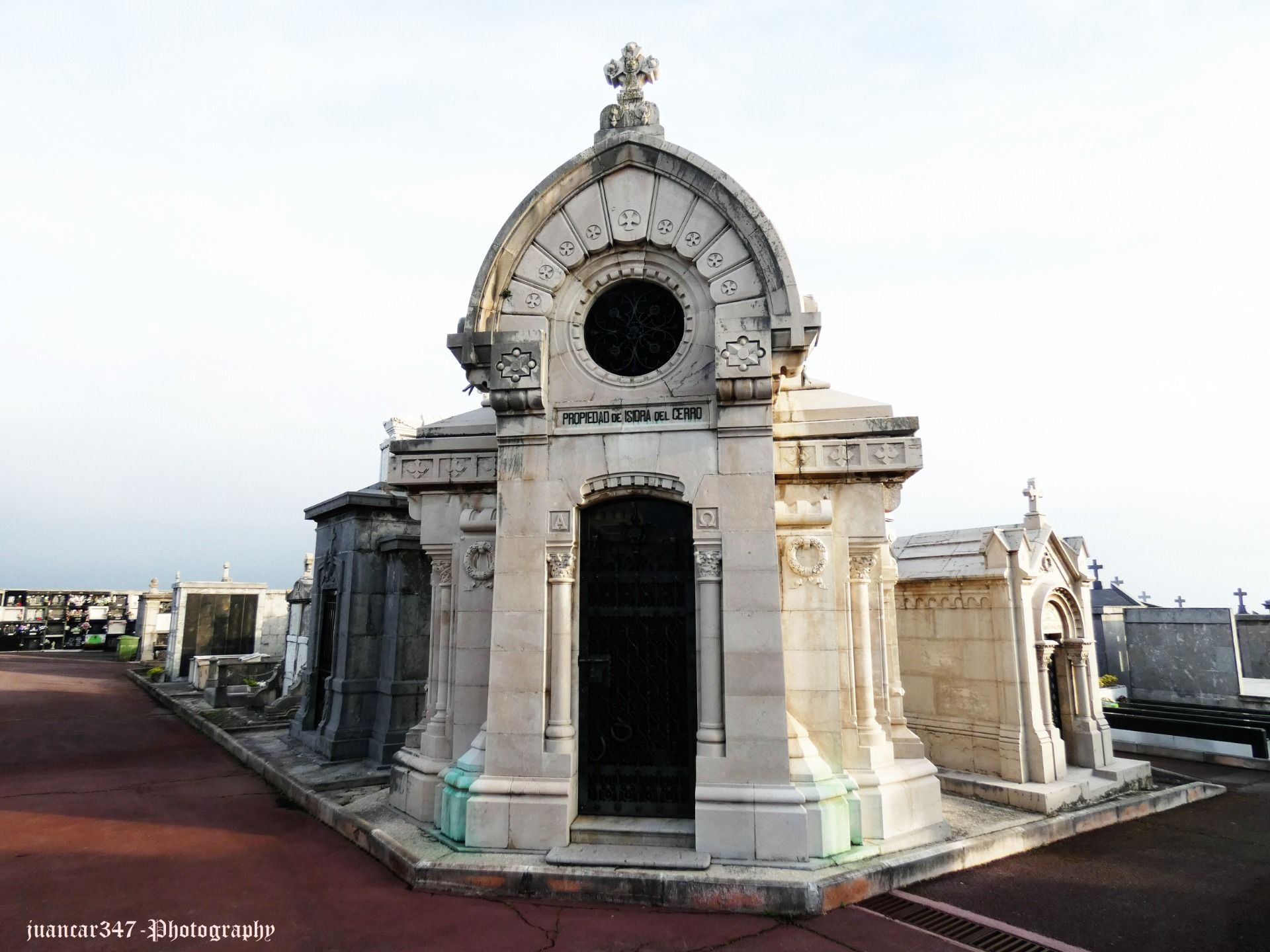
It is not surprising, therefore, that in the execution of its melancholic avenues that descend with stealthy gentleness towards the sea, key names of the architecture of the 19th and 20th centuries, such as Rucabado or Laredo, were also the architects of the notable pantheons. , loaded with eclectic neoclassicism, that shine with singularity, not only artistic, but also with the exciting added mystery, which is a symbolism that does not always seem to coincide with the apparently Christian orthodoxy of the deceased who rest in them.
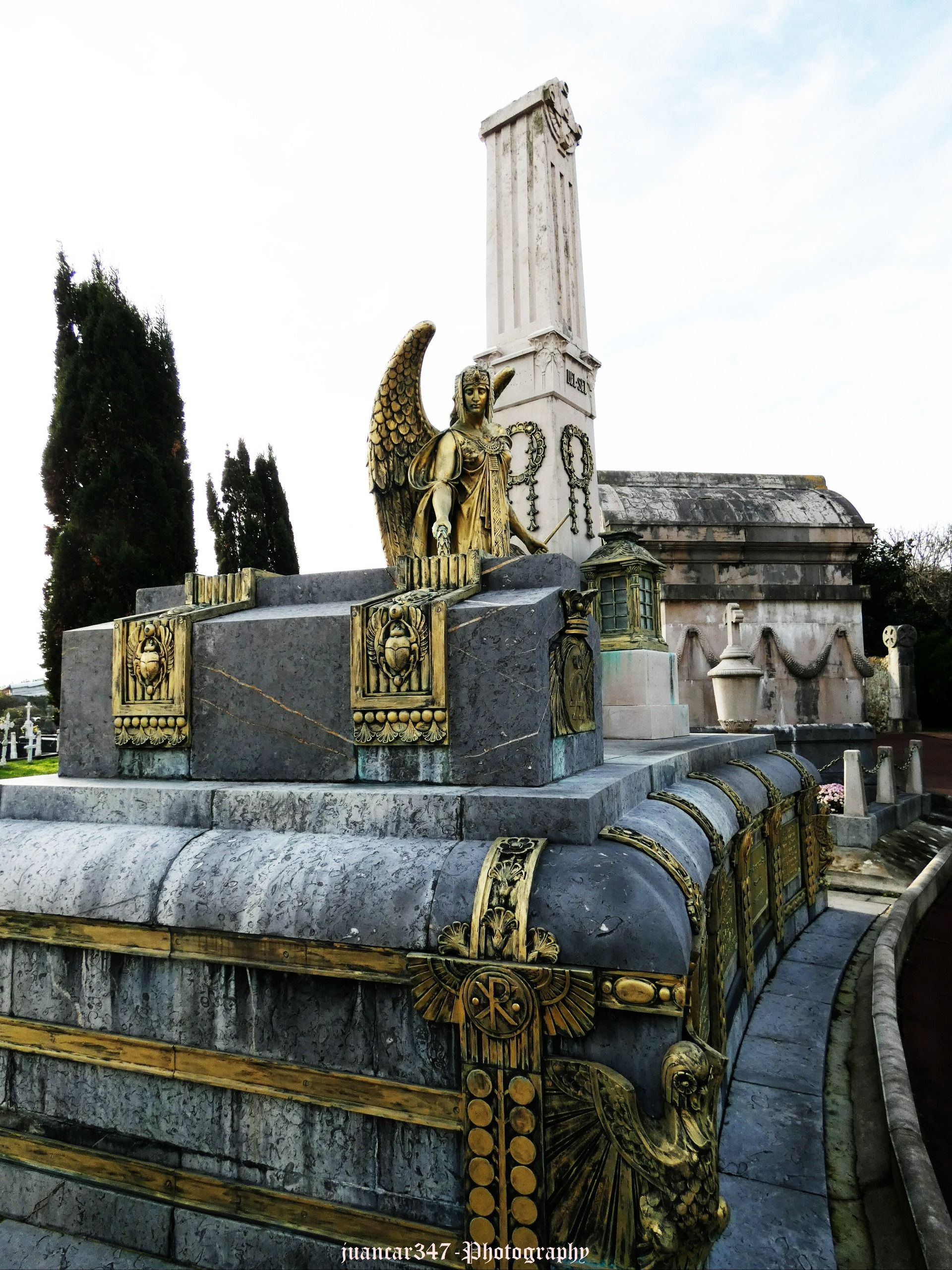
Such would be the case, for example, of the most curious of all: the one, known as Panteón del Sel, which was designed precisely in 1909 by Alfredo Rucabado, for his wife's family and which powerfully draws attention due to its Egyptian symbolism. and theoretically pagan that displays, which recalls, to a great extent, designs of a similar nature, such as the one designed for himself and his family, by a Rosicrucian architect, Leandro Albareda, in the Barcelona cemetery located on a slope of the so-called magic mountain of Montjuich.
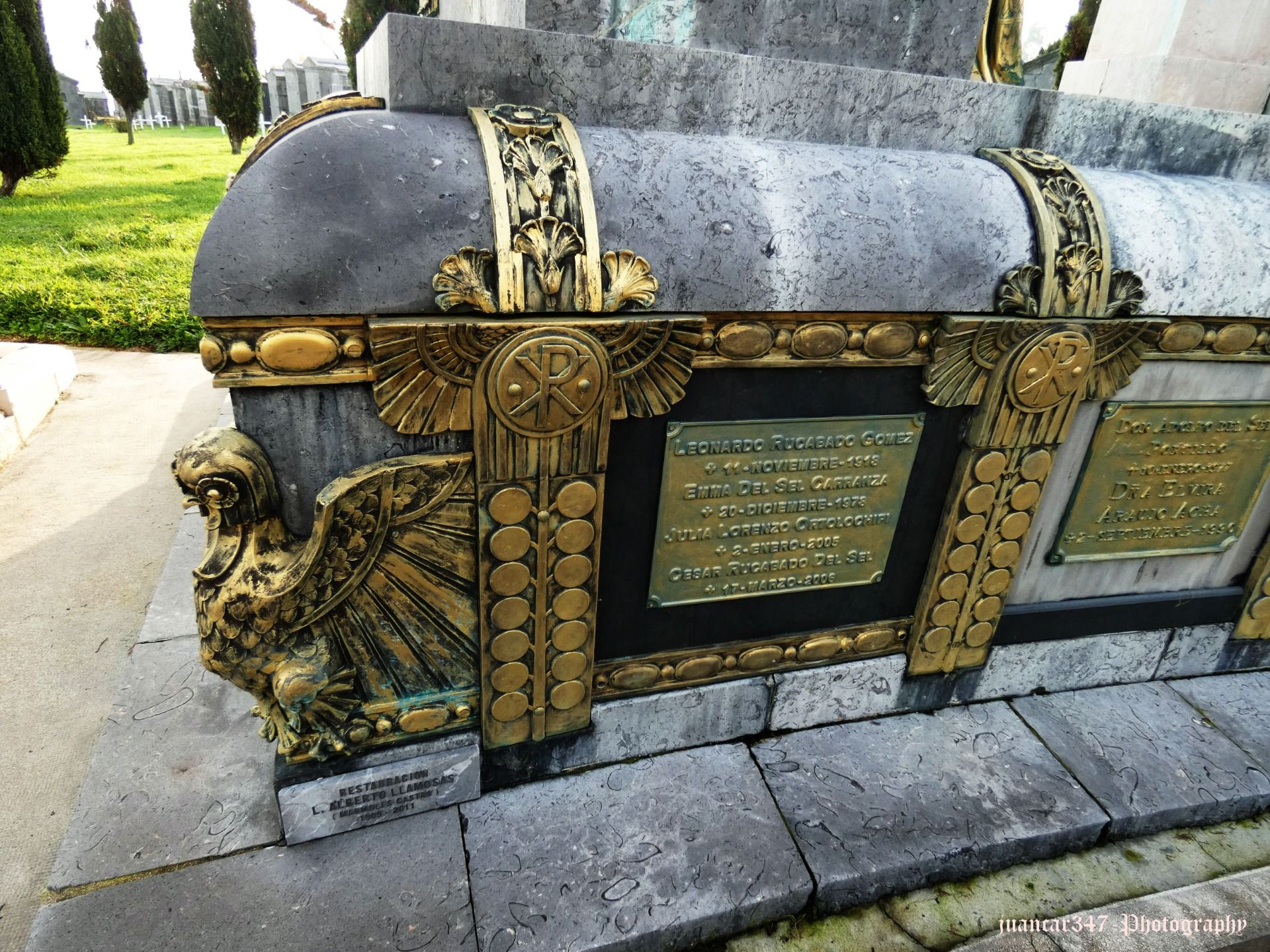
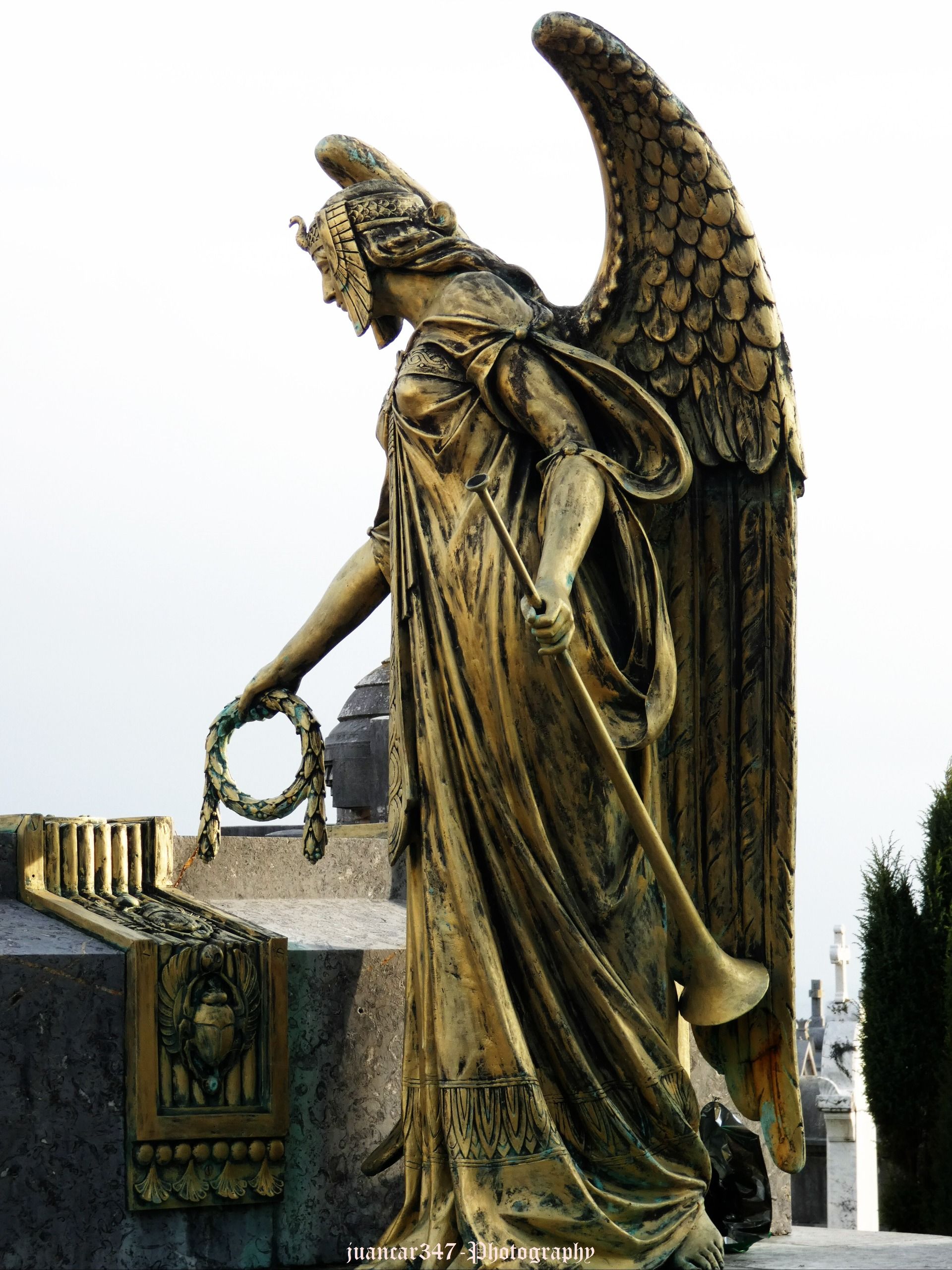
Of this pantheon, two curiously suspicious circumstances should be noted: the first, that in the end, it was the architect himself who designed it for his wife's family, the one who reserved the right to dwell in it forever and the second, is that, In addition to the numerous Egyptian symbols referring to immortality and resurrection, such as the scarab, that figure that some consider an angel, but which, observed with more attention, it is undeniable not to notice its ideal femininity, it seems to incarnate, touched with the royal ureus from sovereign of Upper and Lower Egypt, to the primordial figure of the Goddess Isis: the one who appeared in dreams to Lucio Apuleyo -as he refers to in the Eleventh Canto of his work 'The Golden Ass'- and told her, among many other things, the names by which she was known in the Ancient World.
But no less symbolic and curious, are other pantheons, whose structure shows that reflux towards the fine arts of previous centuries, possibly promoted by architects of a certain renown, such as Viollet le Duc, restorer of Notre Dame de Paris, towards the end of the 19th century and the beginning of the 20th century, returned to fashion the taste for Romanesque and Gothic styles, of whose samples, it is understood, in its modern version of Neo-Romanesque or Neo-Gothic, there are exceptional samples.
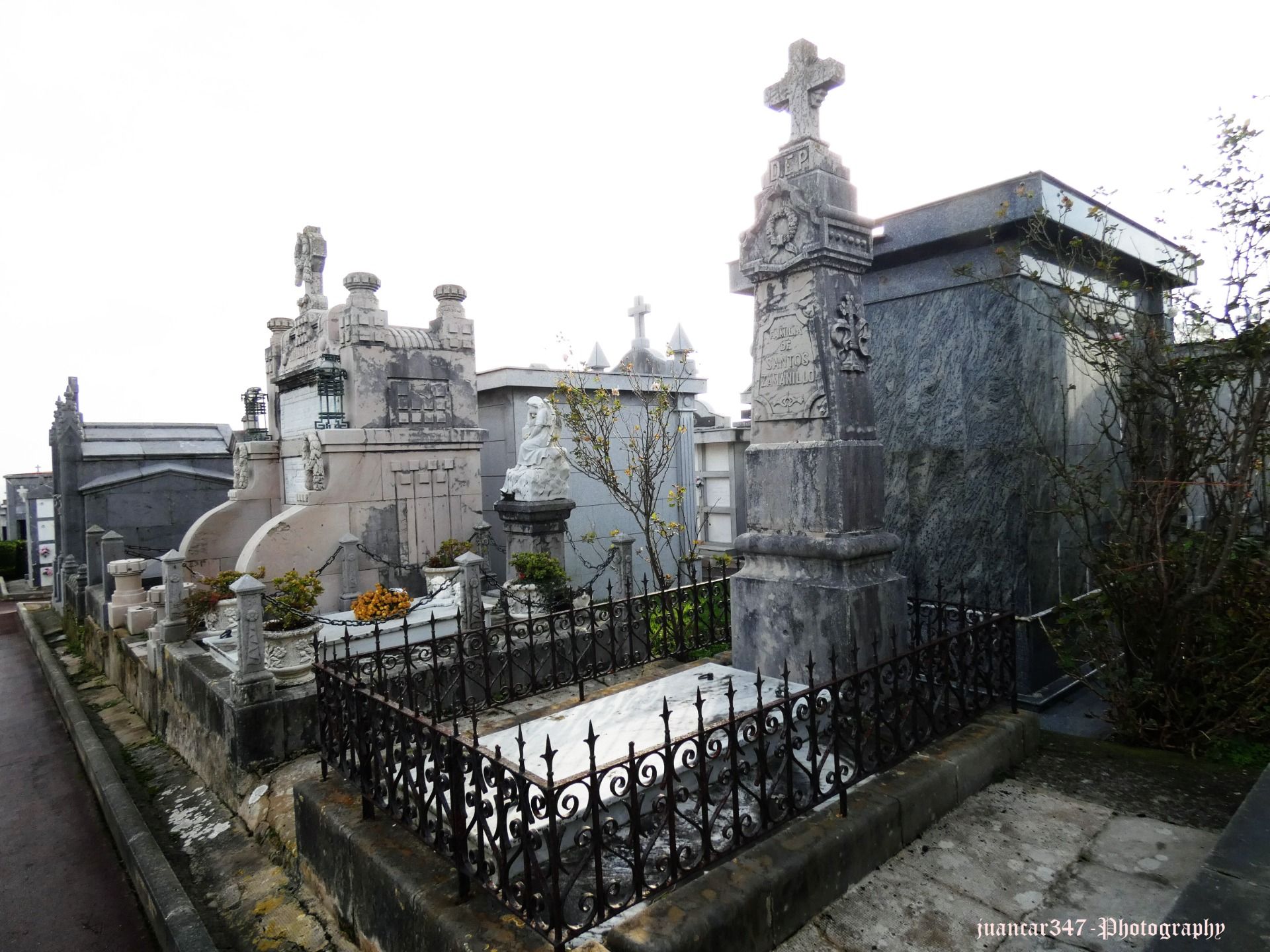
For this reason, mainly, it is why this small city of the dead, located precisely on the shore of a sea, where fantasy can sometimes see the sinister figure of the ferryman Charon, approaching to help the souls on their journey towards the Hades, is considered, with all the right, as an Asset of Cultural Interest.
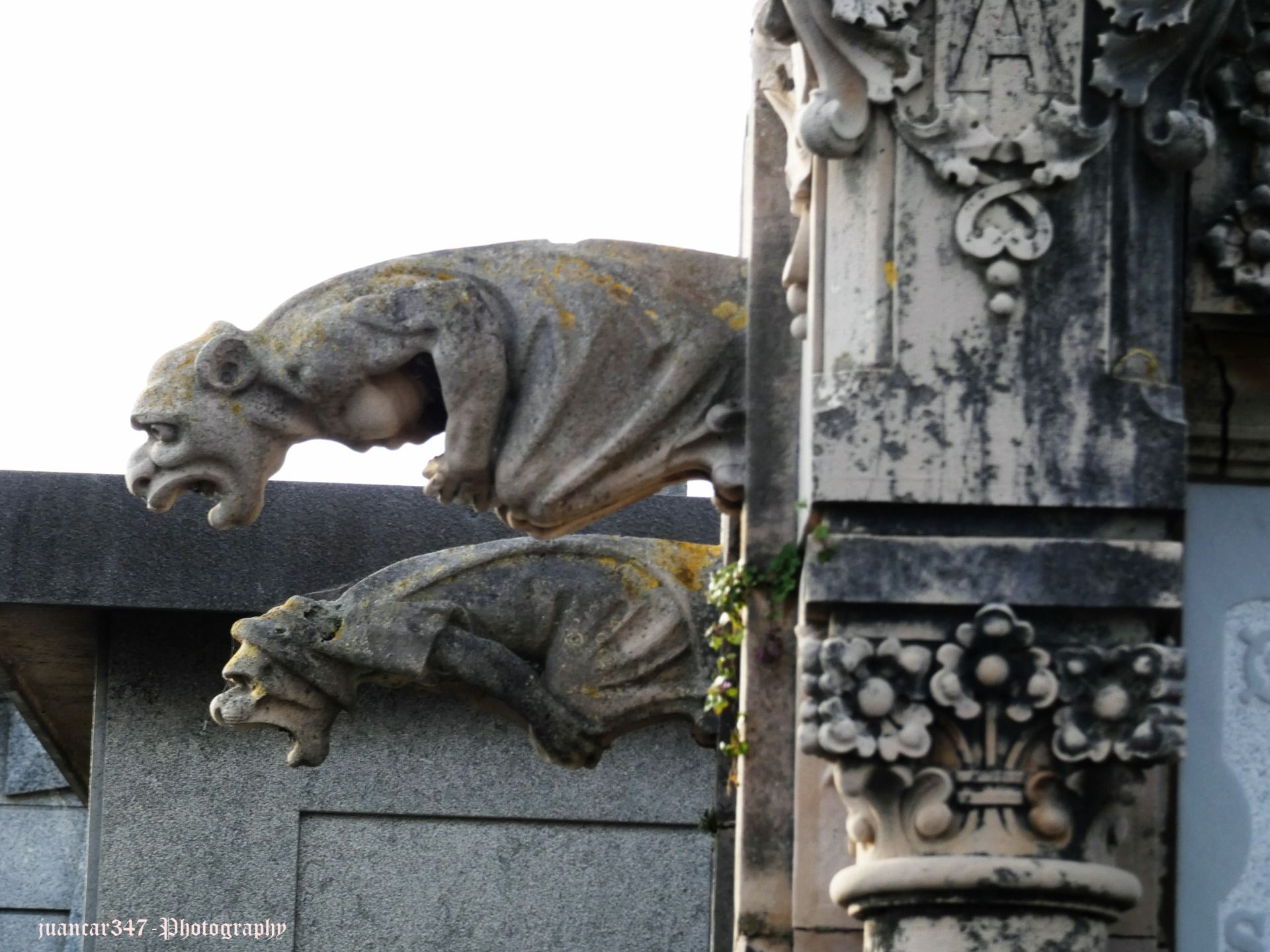
And for this reason, I can assure you, without fear of burning my fingers in the fire, that a visit will in no way leave all those travelers indifferent, who, in addition to being curious, are also lovers of Art and Mystery.
Related Movie:
NOTICE: Both the text and the photographs that accompany it, as well as the video that illustrates it, are my exclusive intellectual property and therefore, are subject to my Copyright.