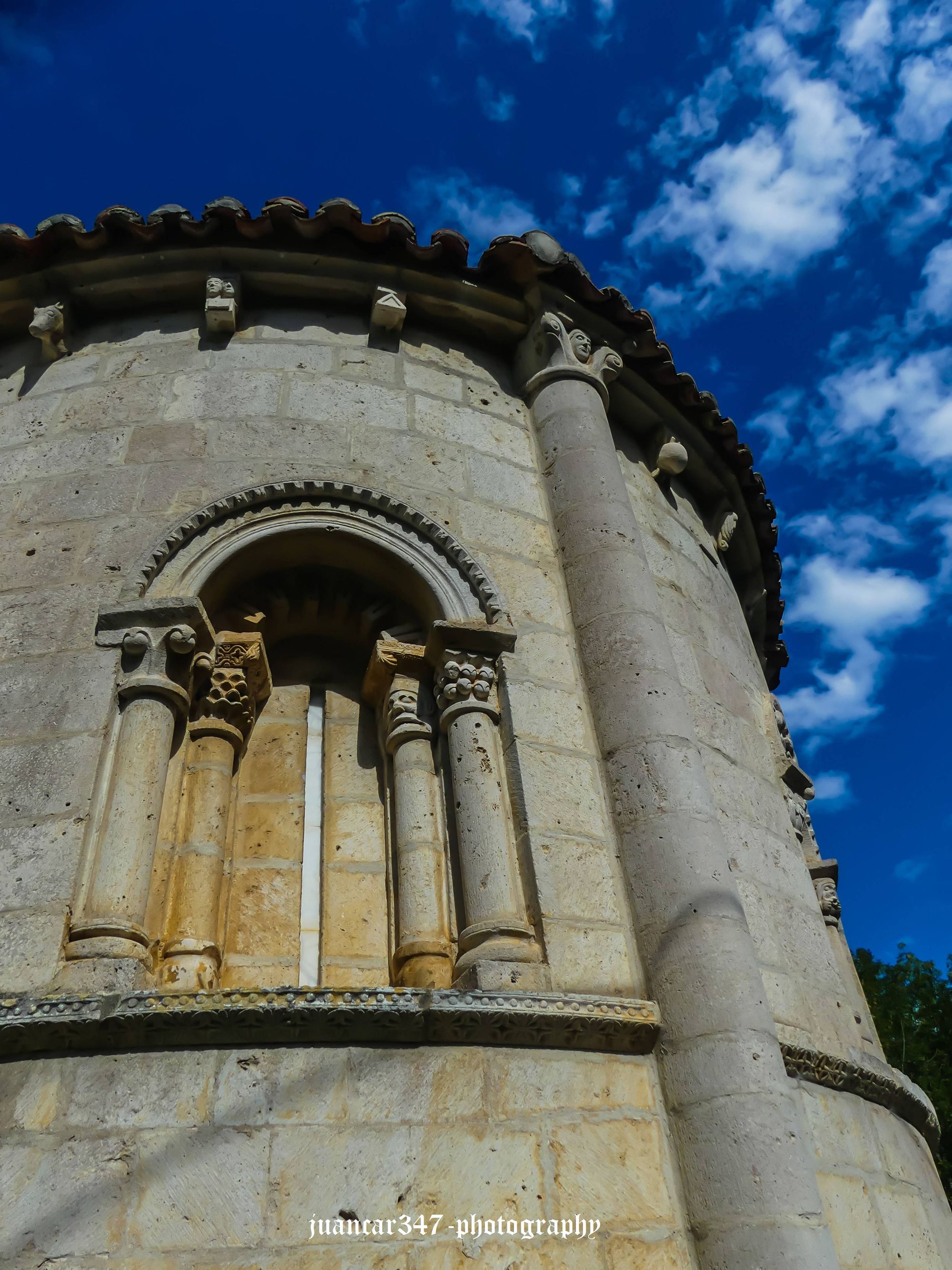

The traveler continues his hypothetical search through the Merindades region of Burgos, seeking the shadowy presence, in those dark medieval centuries, of a legendary religious-military order that, for better or for worse, definitively broke the mold in its time: the Knights Templar.
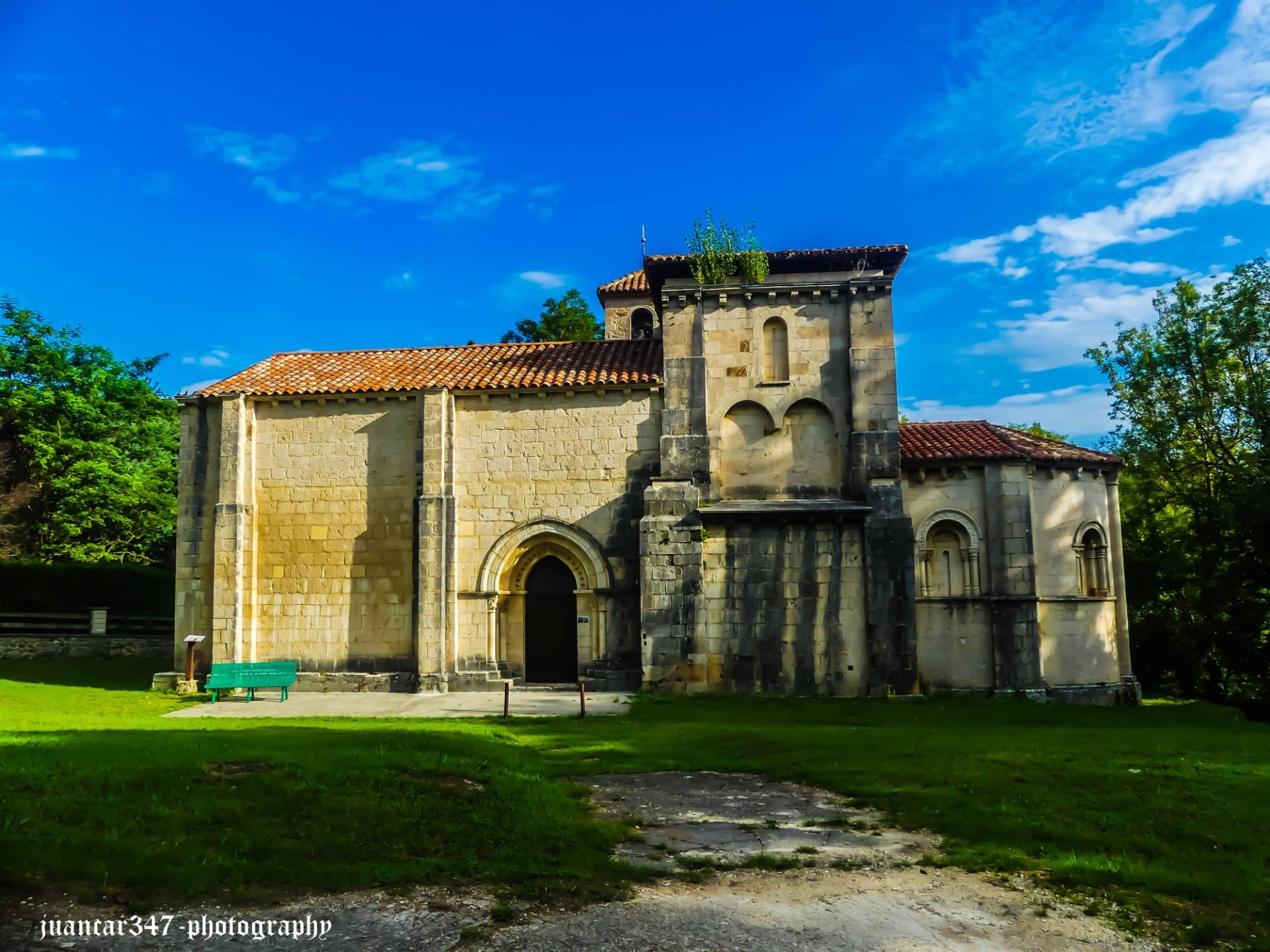
Without leaving the splendid Merindad of Mena and just a few insignificant kilometers from Vallejo of Mena, the small village of Siones welcomes him with the characteristic tranquility of its fortunate inhabitants, whose time seems to be defined in its own way and, therefore, differently from the rest.
At the entrance to the village, located just a few meters from the road, another of the great landmarks of Burgos Romanesque architecture stands impassively, withdrawn into itself like another enigmatic Sphinx, ready to challenge him with its unfathomable riddles.
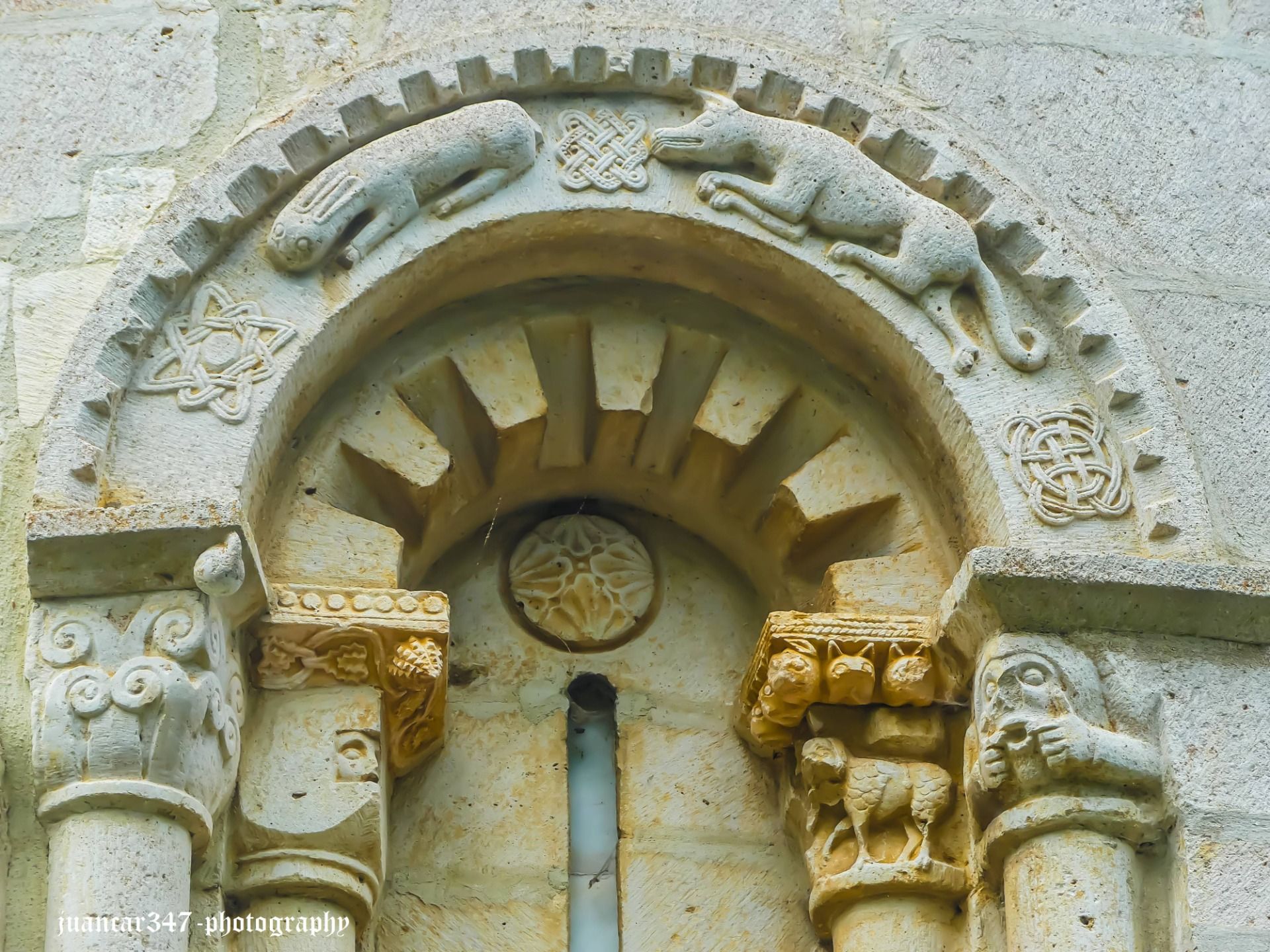
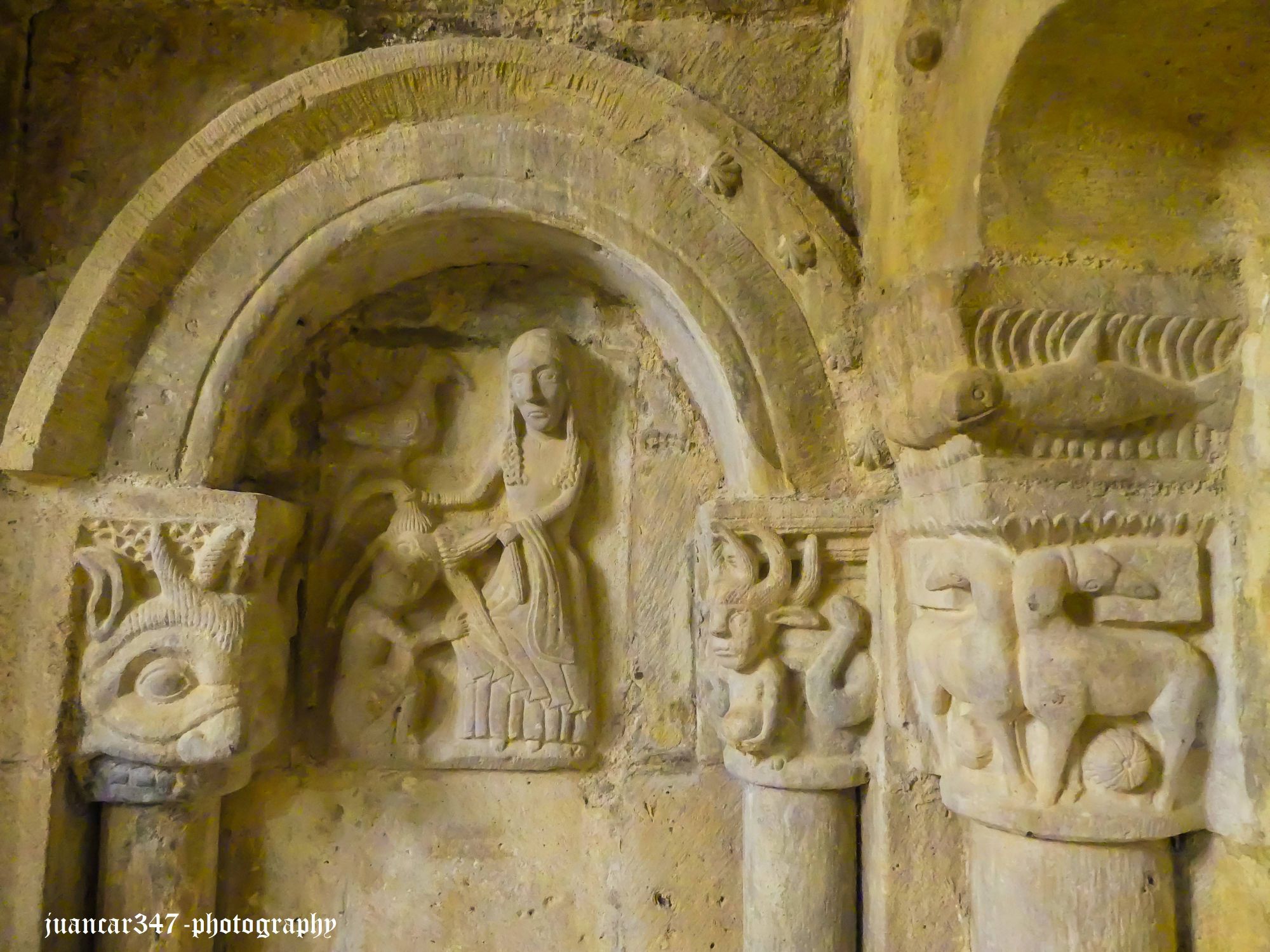
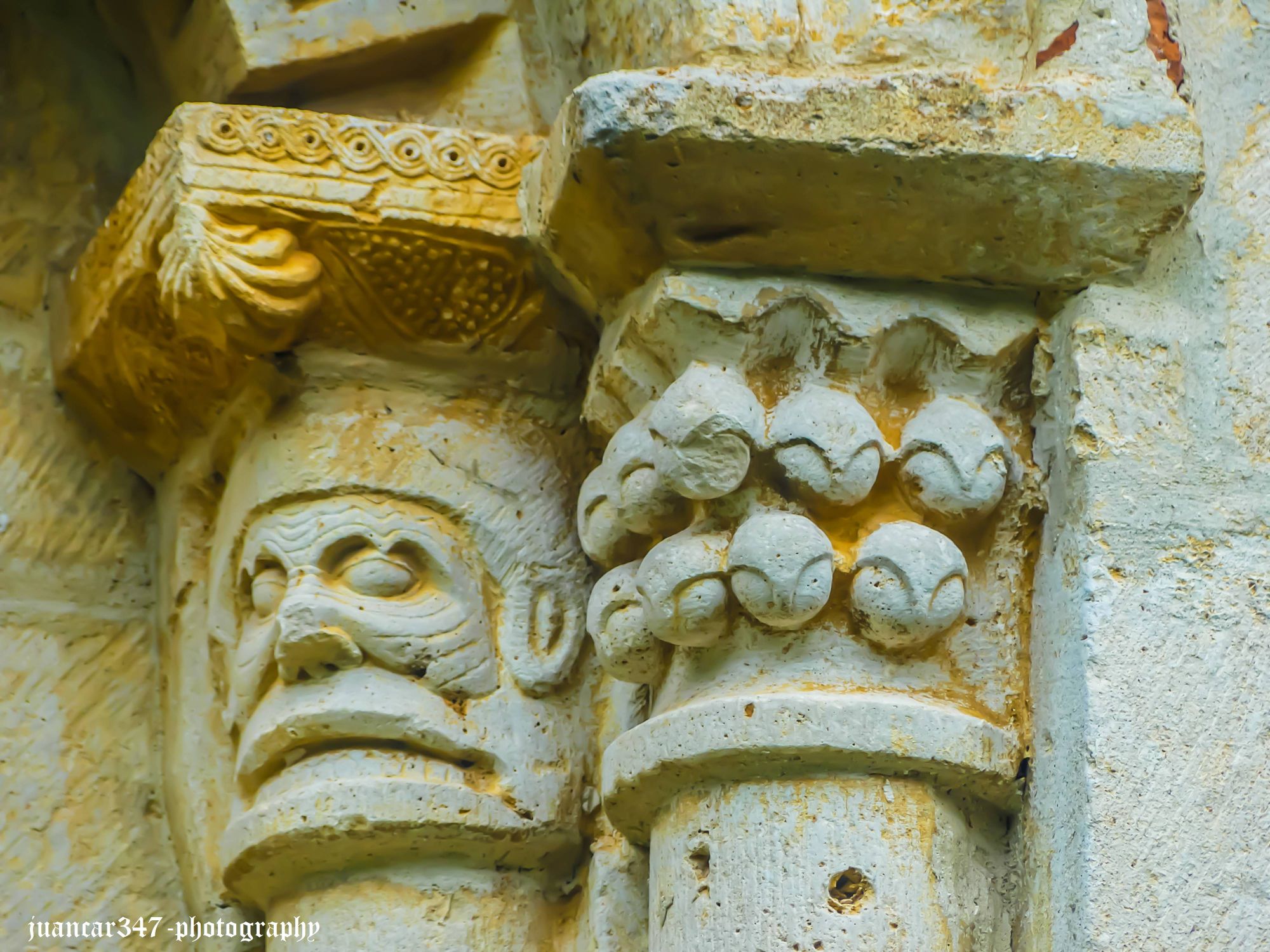
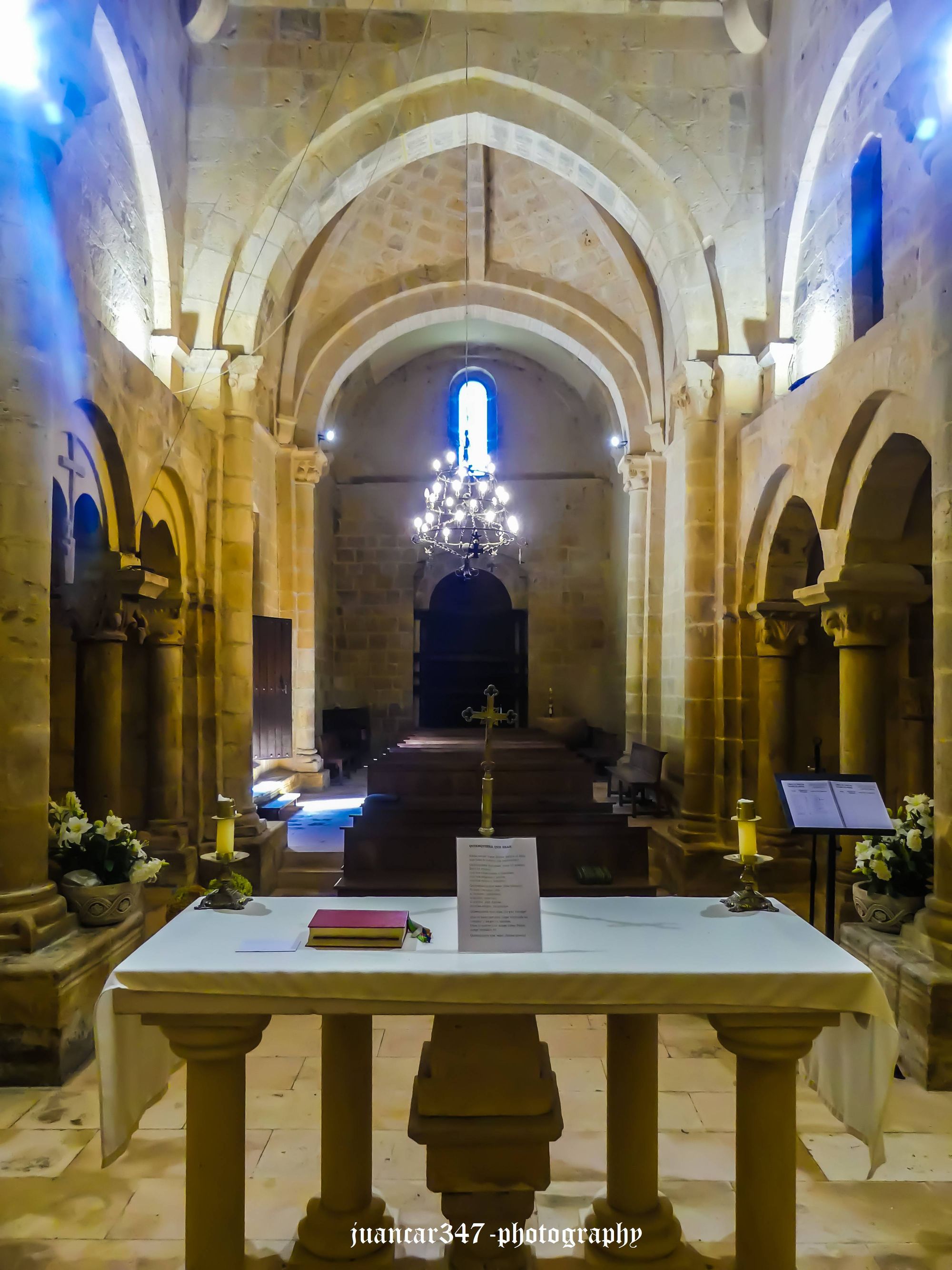
This is the 12th-century church of Saint Mary, which, both on its exterior and especially its interior, possesses a most enigmatic and significant sculpture, whose sight certainly leaves no one indifferent.
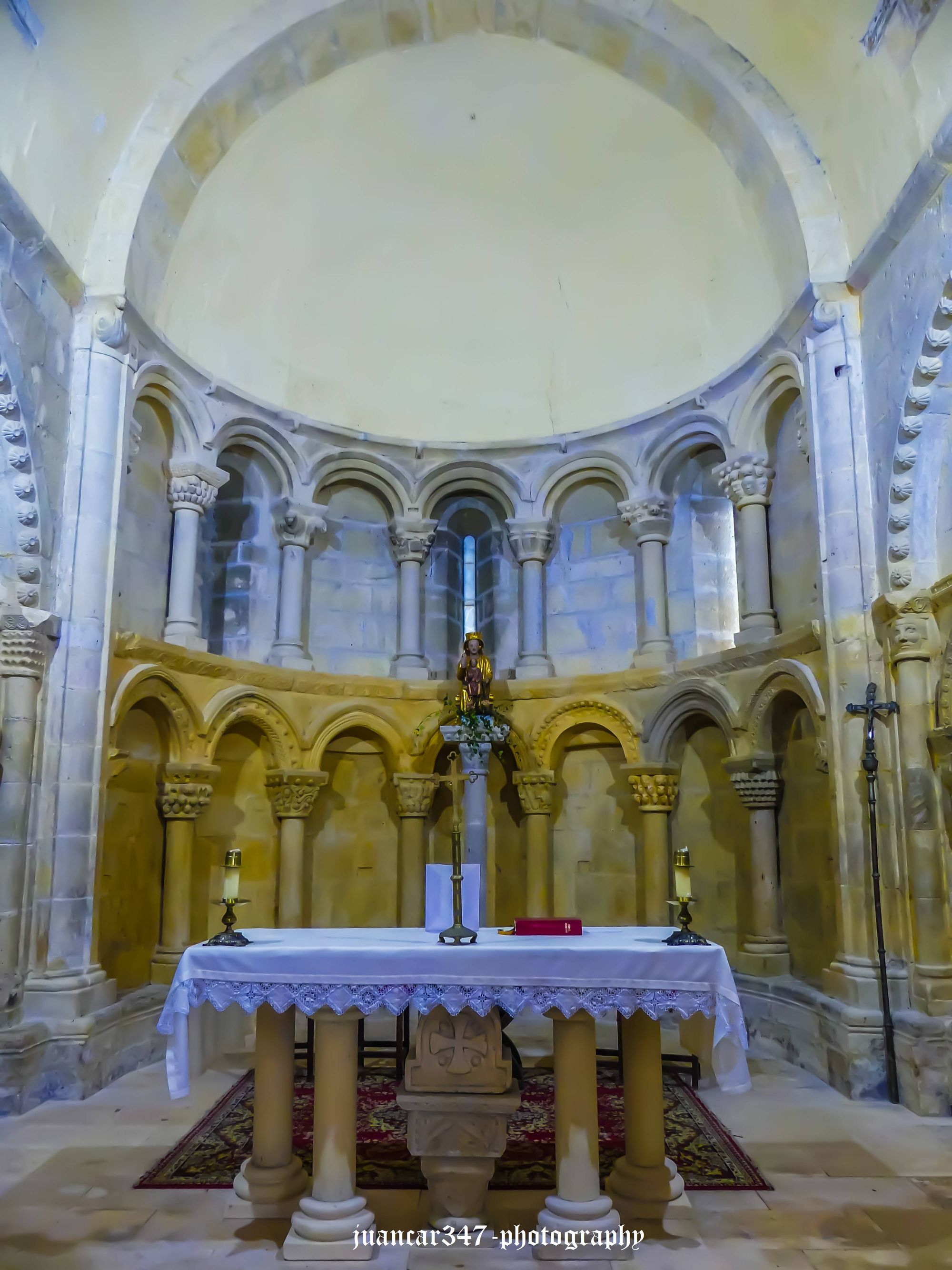
If searching for the three hares that warned pilgrims of the need to always be vigilant, since life's circumstances can change at any moment—you know the saying: "when you least expect it, the hare jumps out"—is quite an exercise in visual attention, then trying to find symbolism that can be associated with the Templars can, nevertheless, become an interesting exercise in hypothetical creativity.
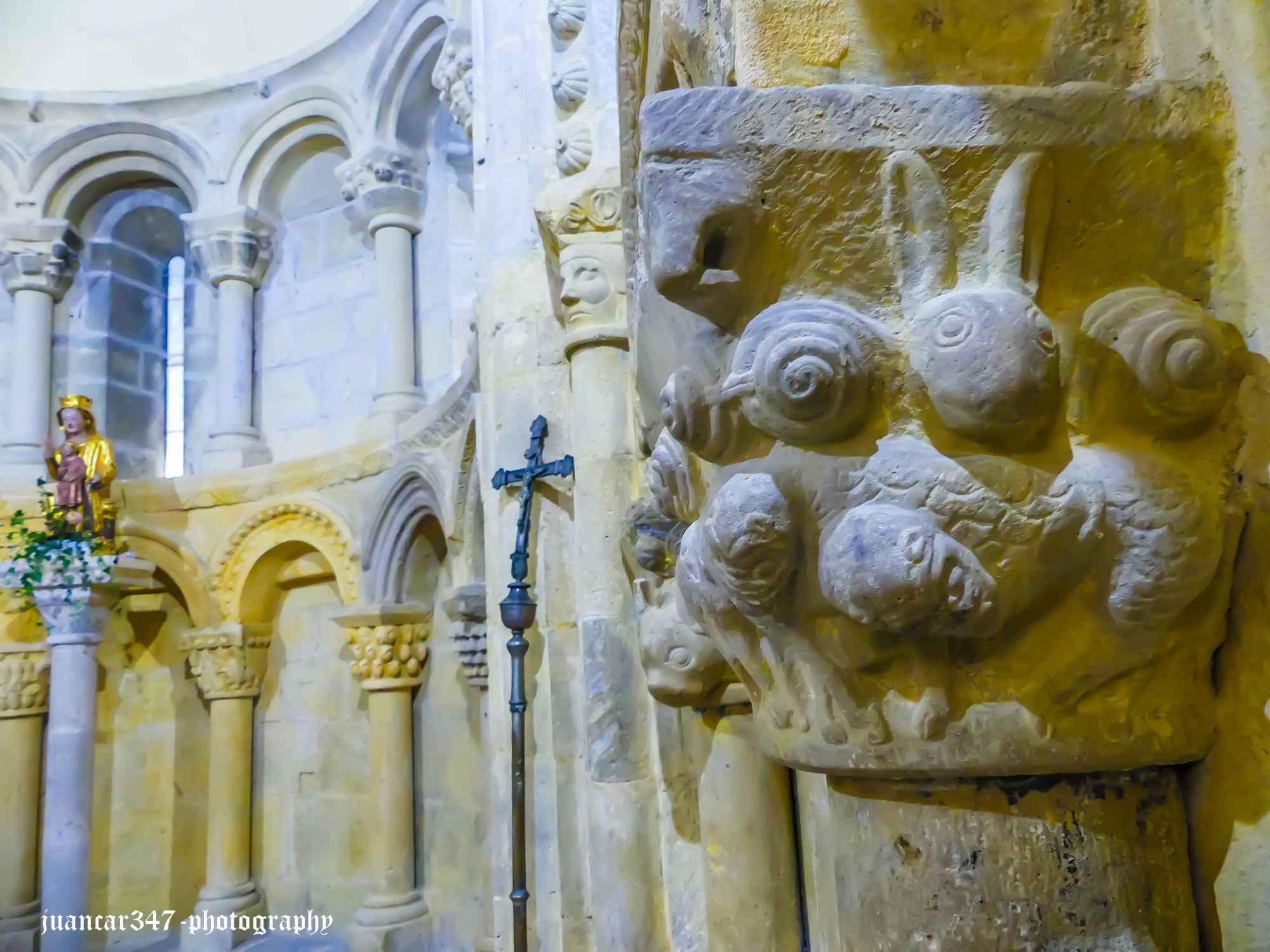
Because, if the very name of the place, Siones, is suspiciously appealing to the traveler, whose thoughts inevitably drift back to the early 1980s when British researchers Lincoln, Baigent, and Leigh published a superb work entitled "The Holy Blood and the Holy Grail"—a book, incidentally, that Dan Brown drew upon for his bestseller, "The Da Vinci Code"—the names of nearby places, such as Criales, the Church of Saint Lawrence itself, and the port of The Magdalene, combined with certain sculptures located within the village, seem to provide sufficient ingredients for visualizing a plot that, while fantastical, might not be entirely impossible.
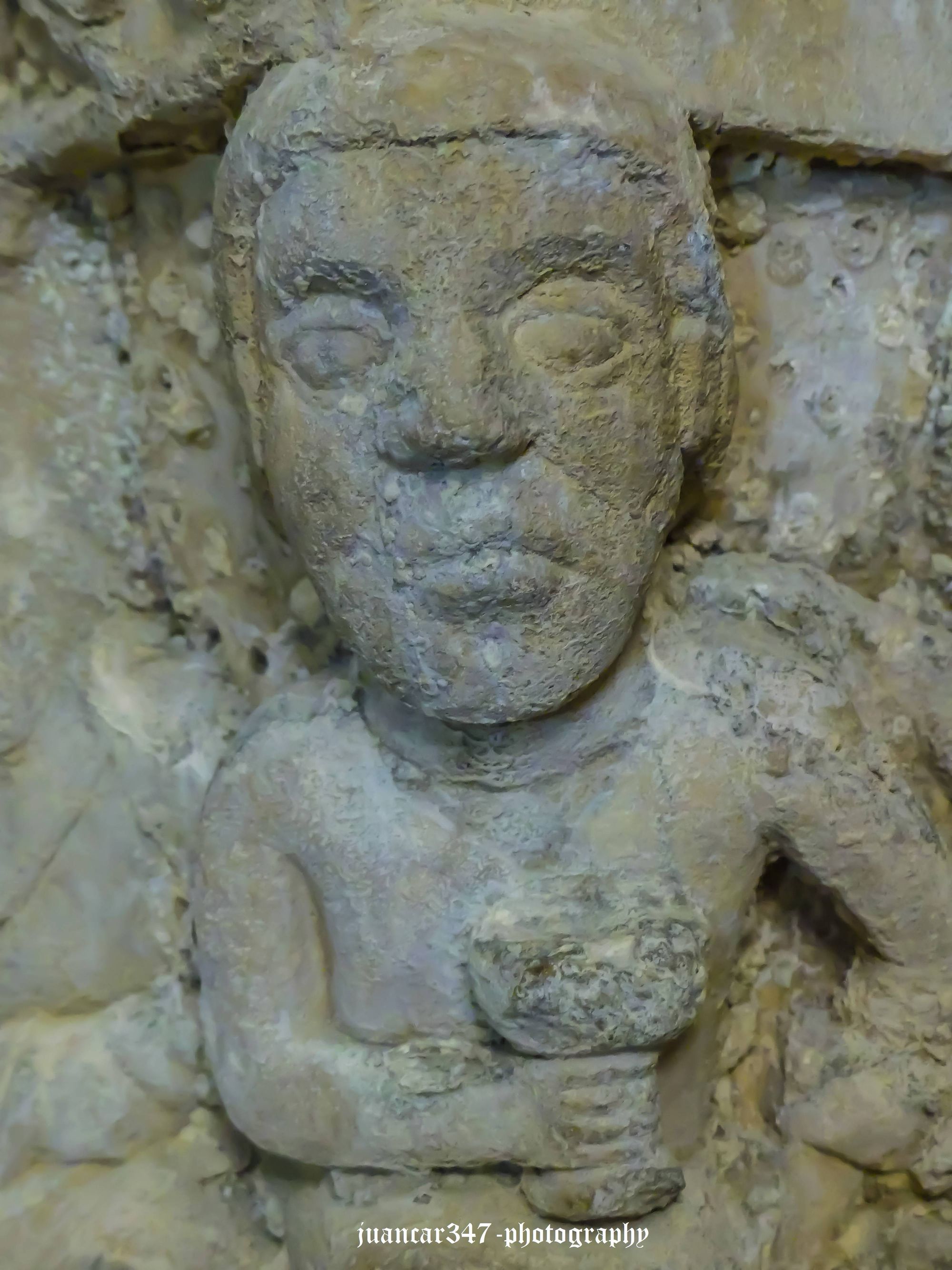
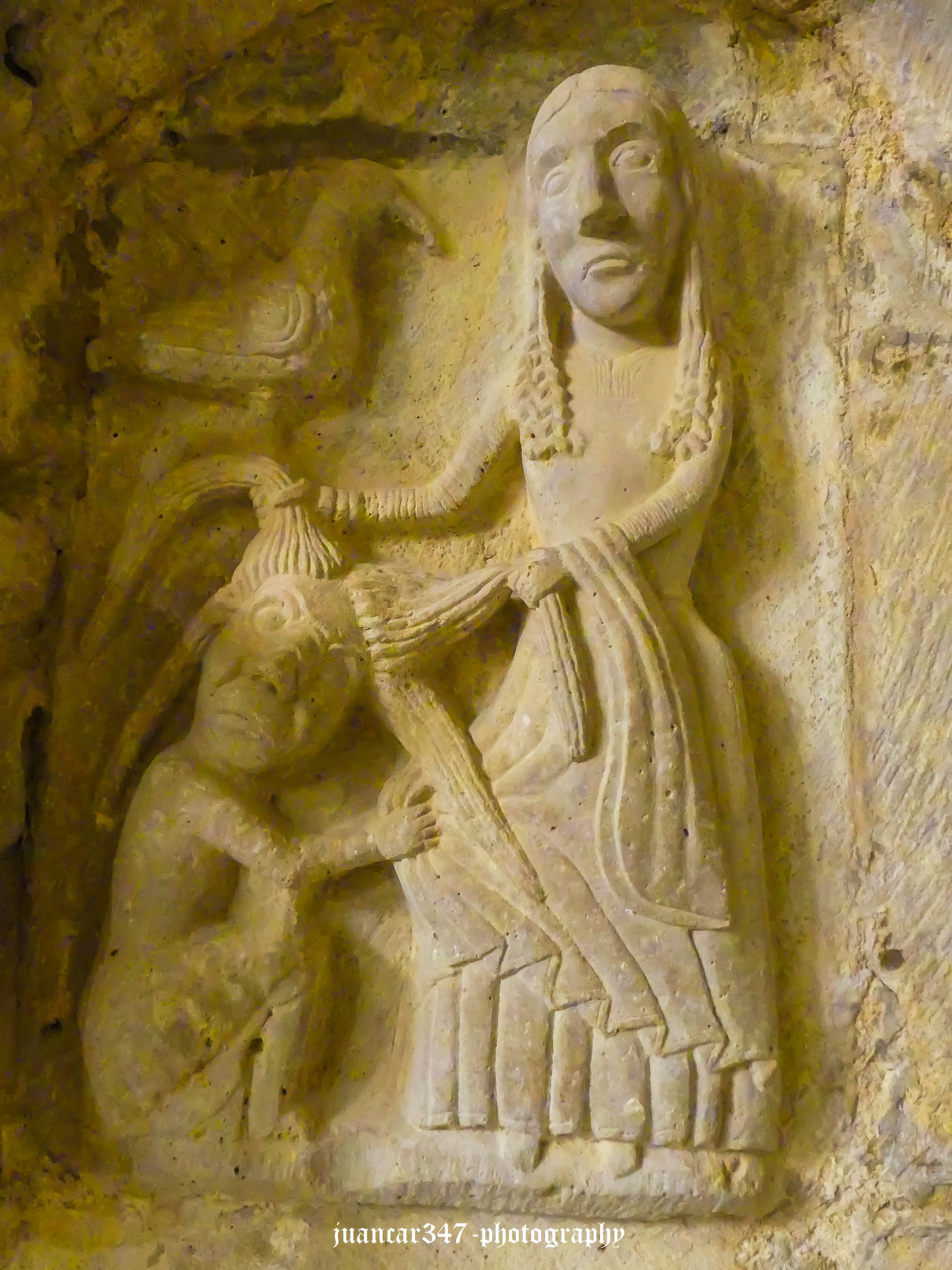
So much so, that, amidst saints and demons, like the demon of gluttony with his prominent stomach, or the possible allusions to the significant Germanic legend of Siegfried, some curious sculptures appear to contain within themselves the keys to fit perfectly into the narrative.
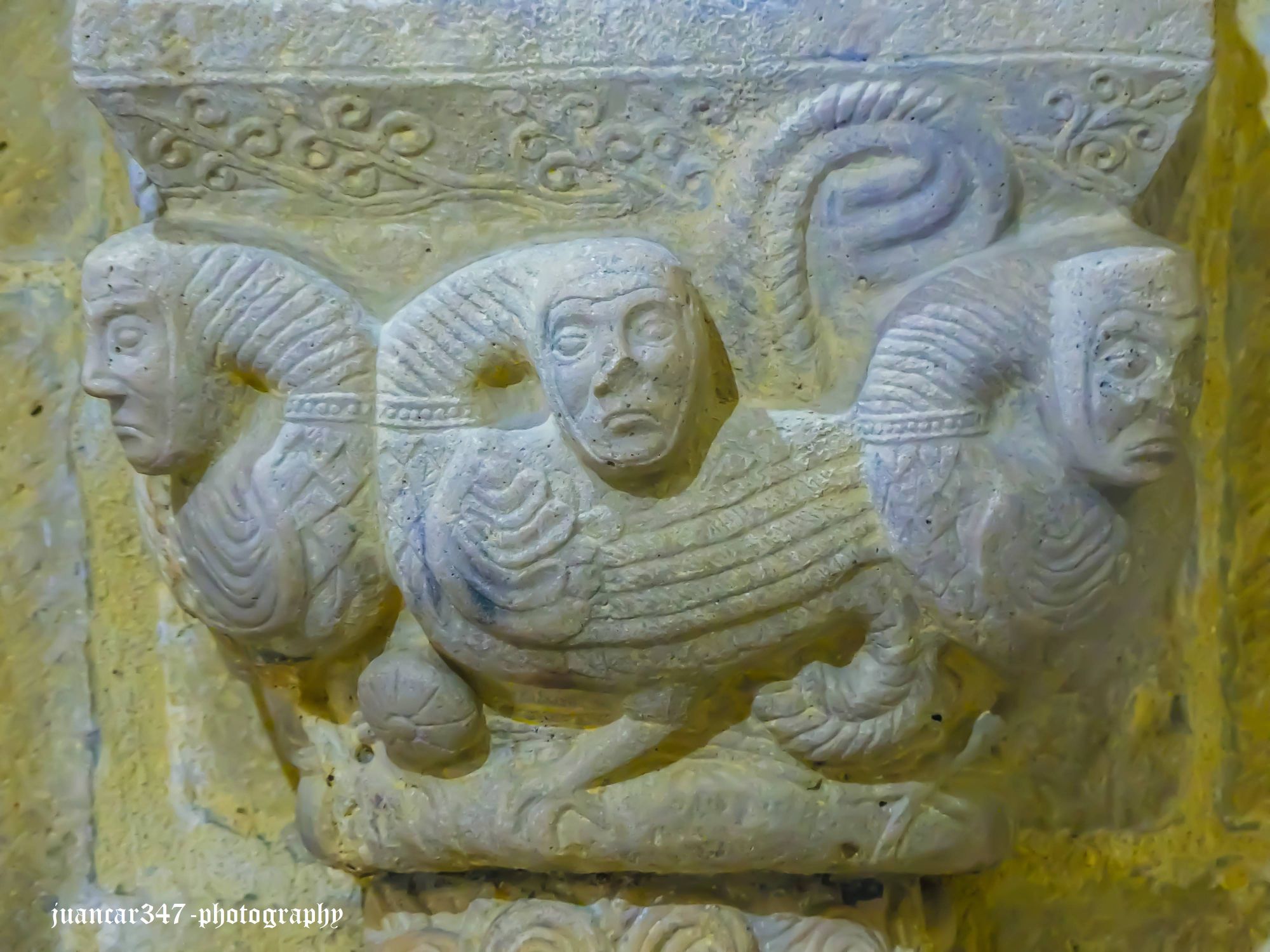
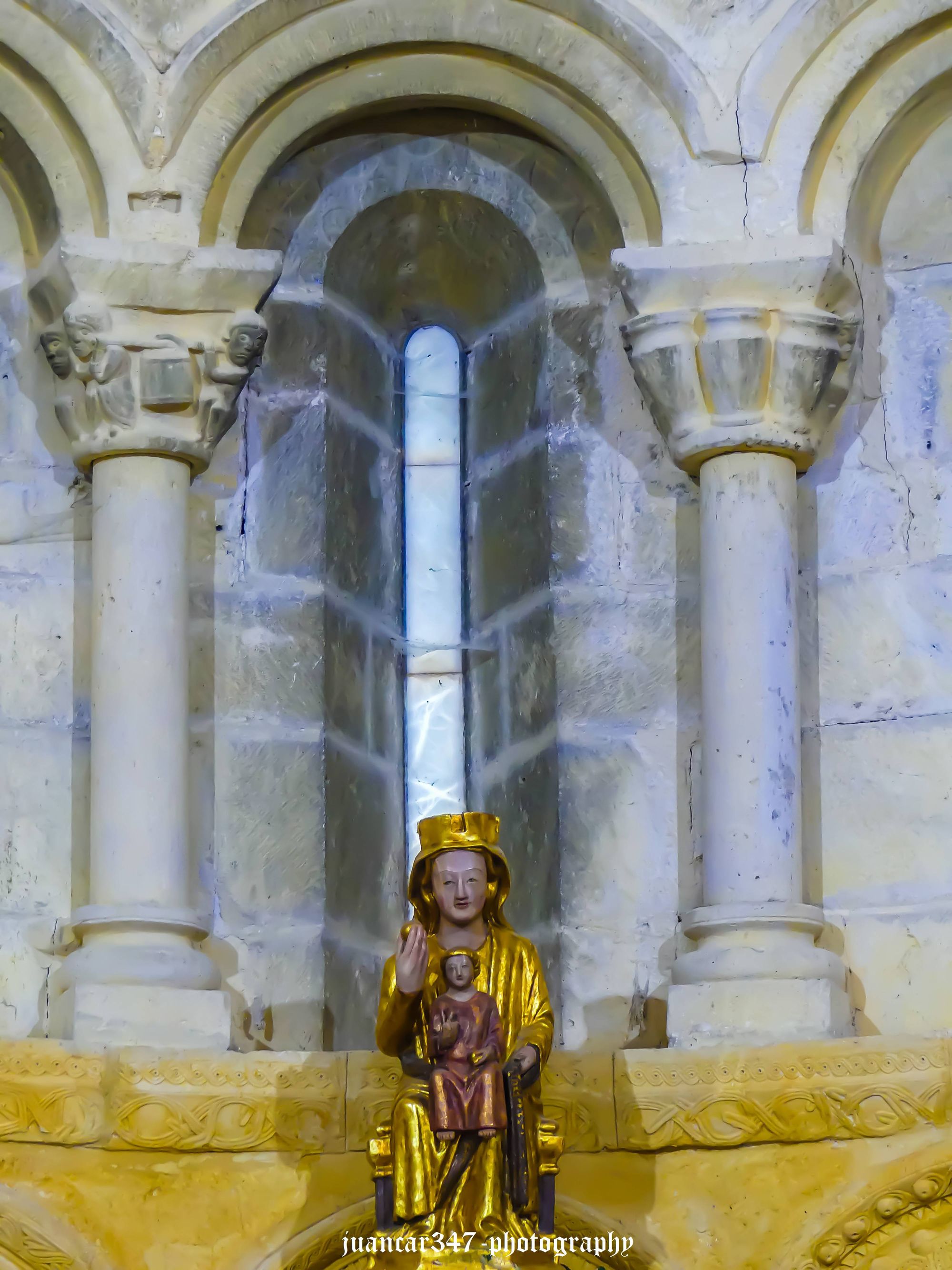
These figures, aside from the formidable Gordian knots and the fantastic Seals of Solomon seen in the exterior windows, could perfectly be reflected in that strange figure holding a chalice or Grail, or in those mysterious individuals carrying a rectangular object on litters. These figures, located in the upper arches of the apse, behind the magnificent Gothic image of Saint Mary, have been linked in some sources to Templars transporting another of the most sacred and coveted objects: the Ark of the Covenant.
The trail of this object, also representative of the Power of God, was essentially lost after 70 AD, and there are numerous local traditions and legends that place it, like the Holy Grail currently housed in Valencia Cathedral, in certain more inaccessible and enigmatic locations in Spain.
Speculation and hypothetical deliberations aside, the truth is, however you look at it, whether or not the suspicious Knights Templar were leaving clues in these wondrous places, the Merindades of Burgos are more than just a surprising destination: they are nature, history, beauty, and above all, fantasy. A lot of fantasy.
NOTICE: Both the text and the accompanying photographs are my exclusive intellectual property and are therefore subject to my copyright.