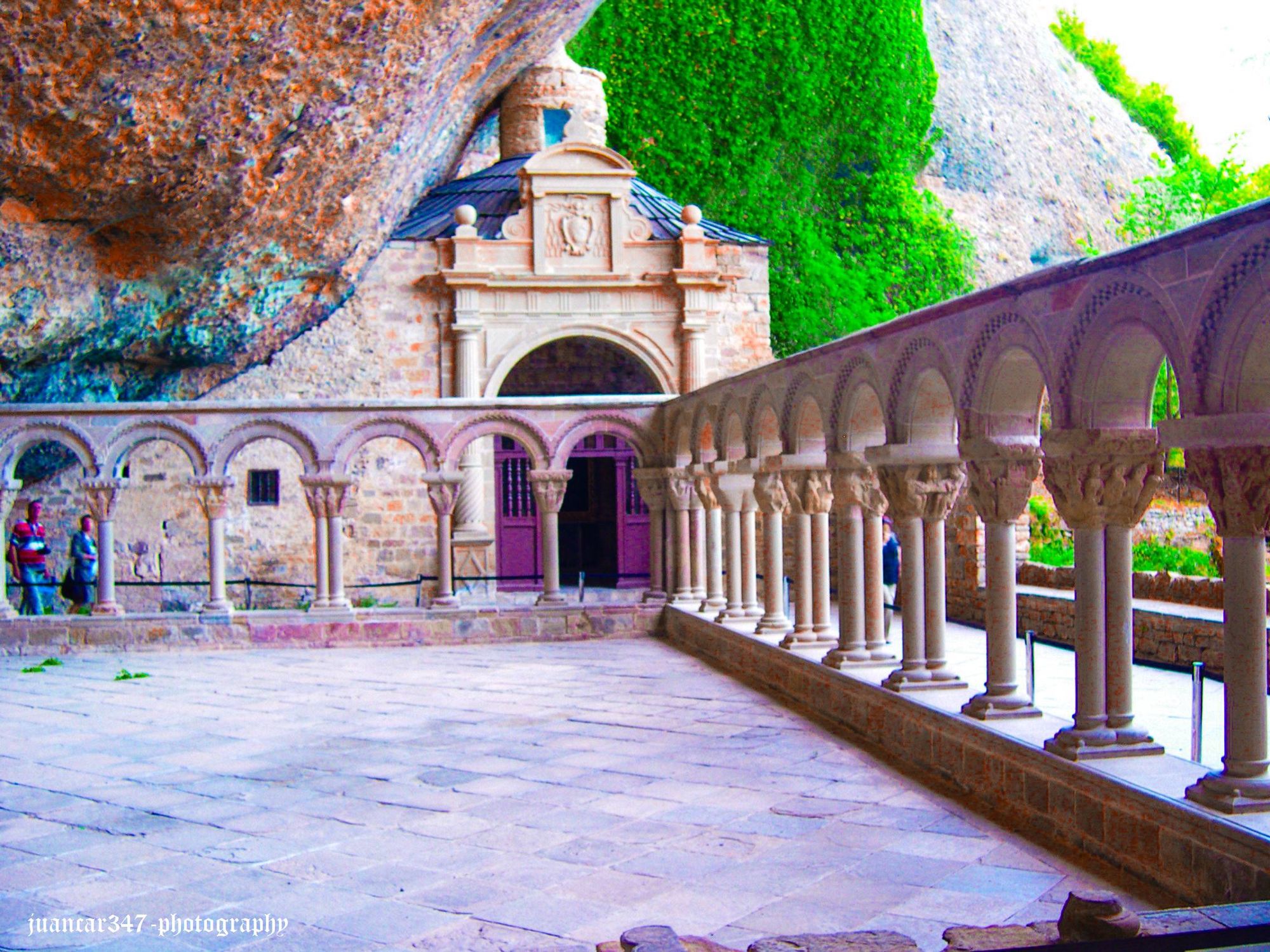

One of the most significant and extraordinary spiritual sites in what could rightfully be called Spain's Sacred Geography is located a few kilometers from the picturesque Huesca village of Santa Cruz de la Serós, taking advantage of a cave situated on the slopes of one of the area's most prominent mountains, the Pano: the Monastery of San Juan de la Peña.
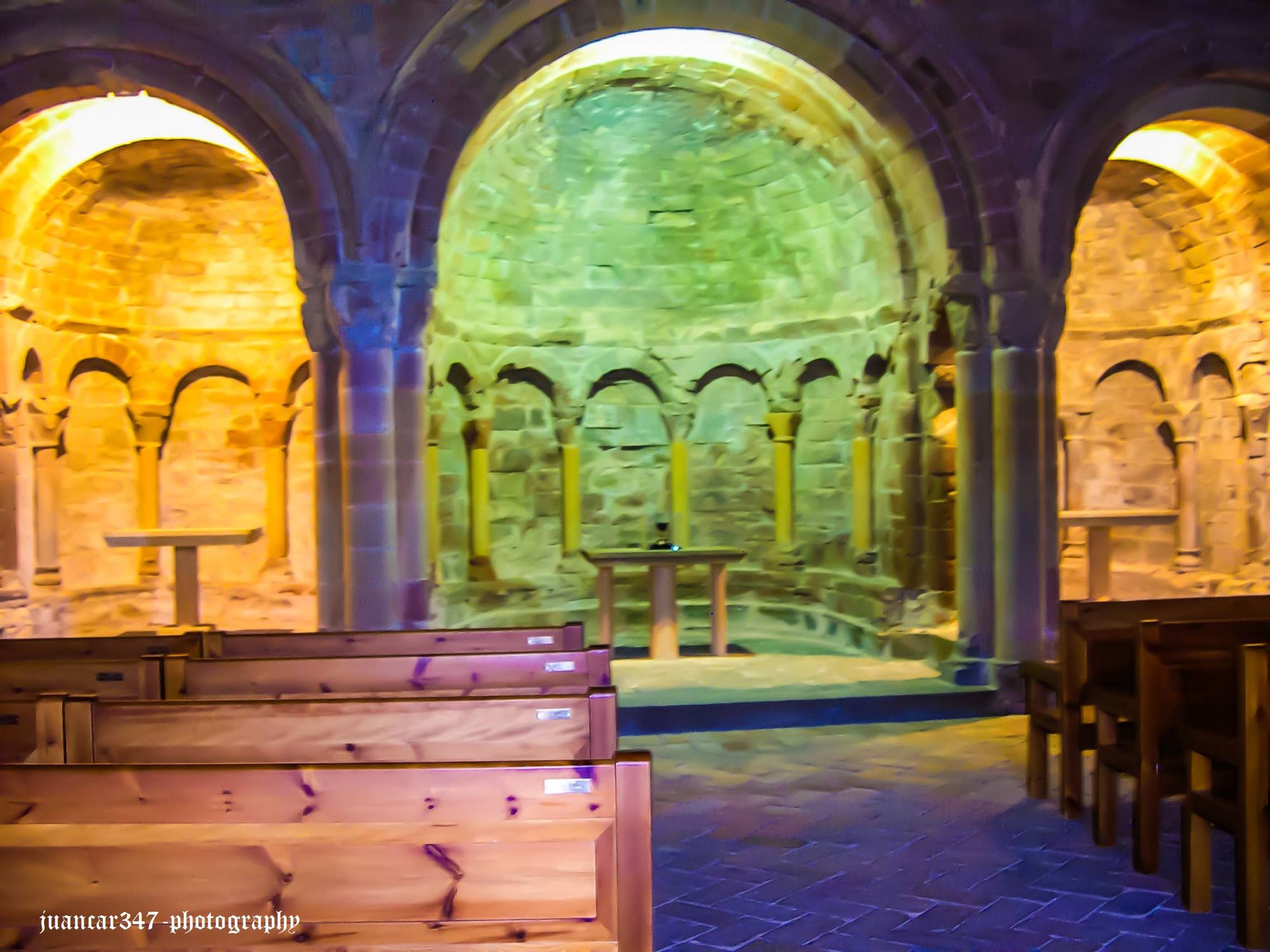
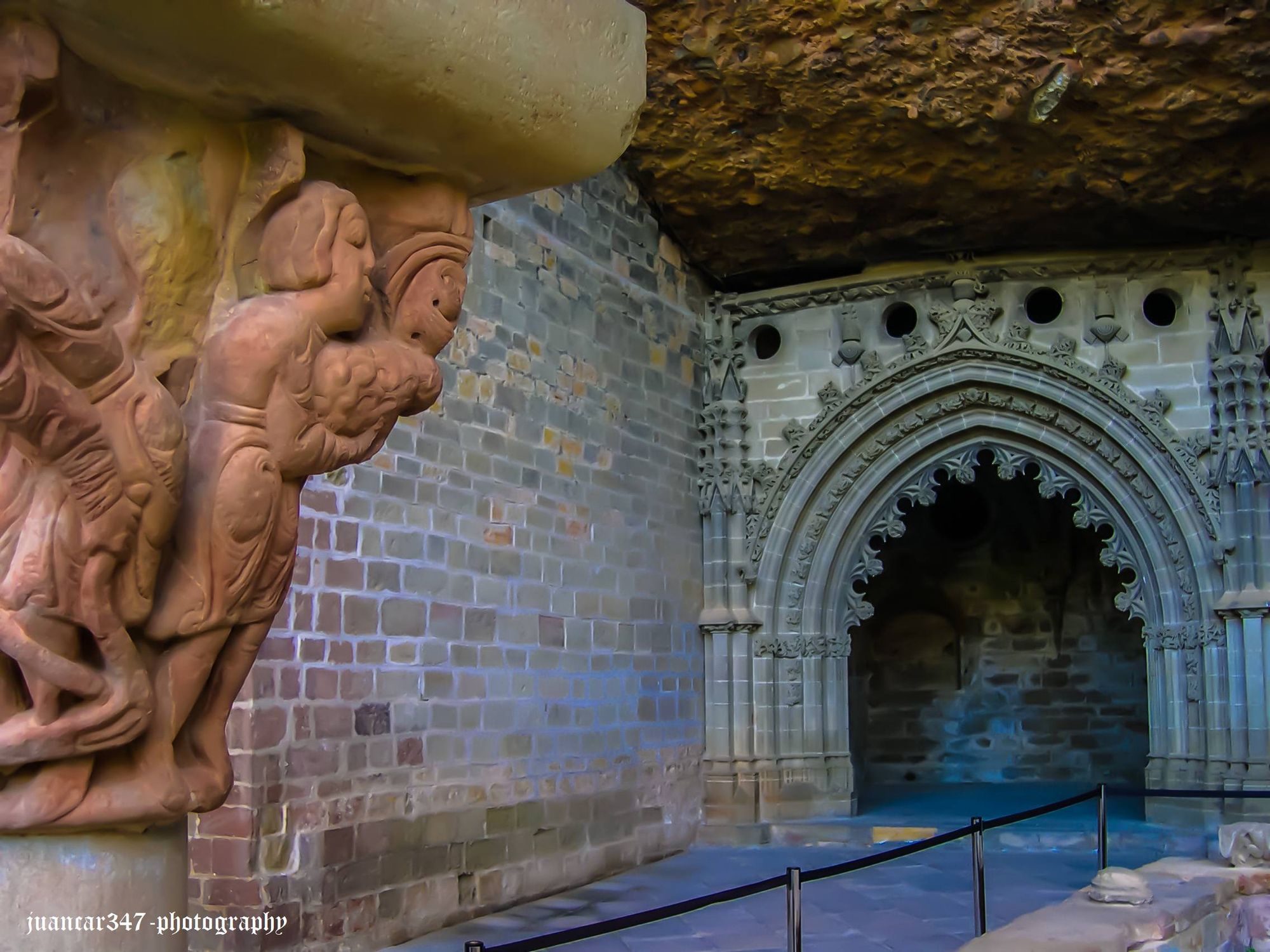
Aside from the miraculous legends upon which its foundation is based, the Monastery of San Juan de la Peña, regardless of the fact that it once housed the mortal remains of numerous members of Aragonese royalty and nobility, is also an unusual hybrid, where the ancestral temple—that is, the cave—is combined with another concept: Romanesque architecture, which, extending well into the third half of the 12th century, was considered in its time to be the most important architectural model in Christendom.
But what truly makes this priceless monastery a special place is its transformation into a metaphorical Montsalvat, or Mount of Salvation, which for centuries safeguarded one of Christendom's most important relics: the Holy Chalice, or Holy Grail. Saved by Saint Lawrence—always depicted with a gridiron, lest we forget the cruel martyrdom he endured—when Alaric's barbarians conquered and sacked Rome, the chalice believed to be the true Holy Grail, the one used by Jesus Christ at the Last Supper, was hidden and kept here. Later, it was moved to the Aljafería Palace in Zaragoza, and during the reign of King Martin the Humane, it was finally sent to Valencia, where it remains in the cathedral today.
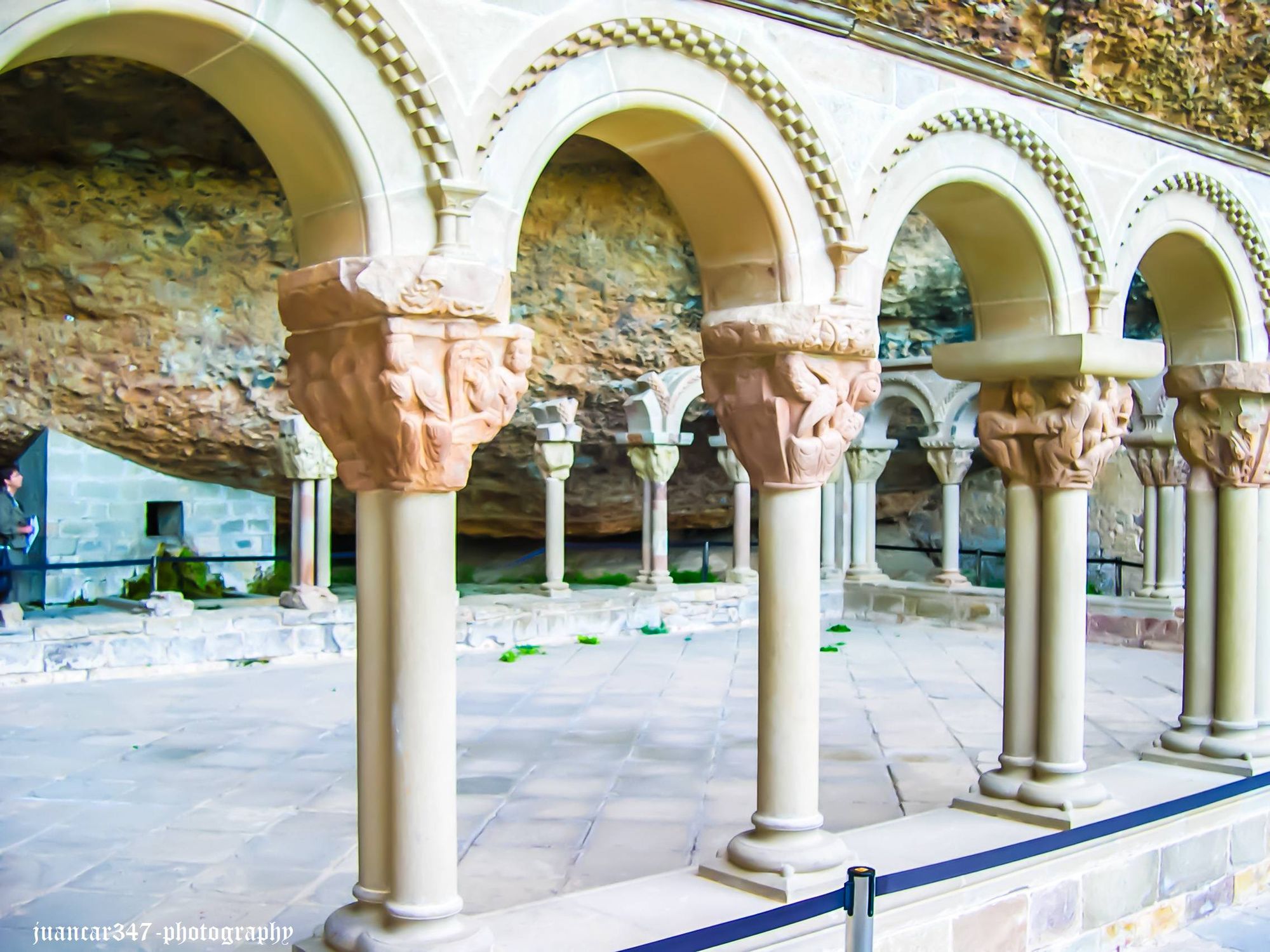
Thus, in this monastery, whose open-air cloister was designed to blend seamlessly with the holy cave, we have a truly mysterious place, distinguished by its peace and silence—ideal conditions for liberating the conscience and allowing the spirit to speak.
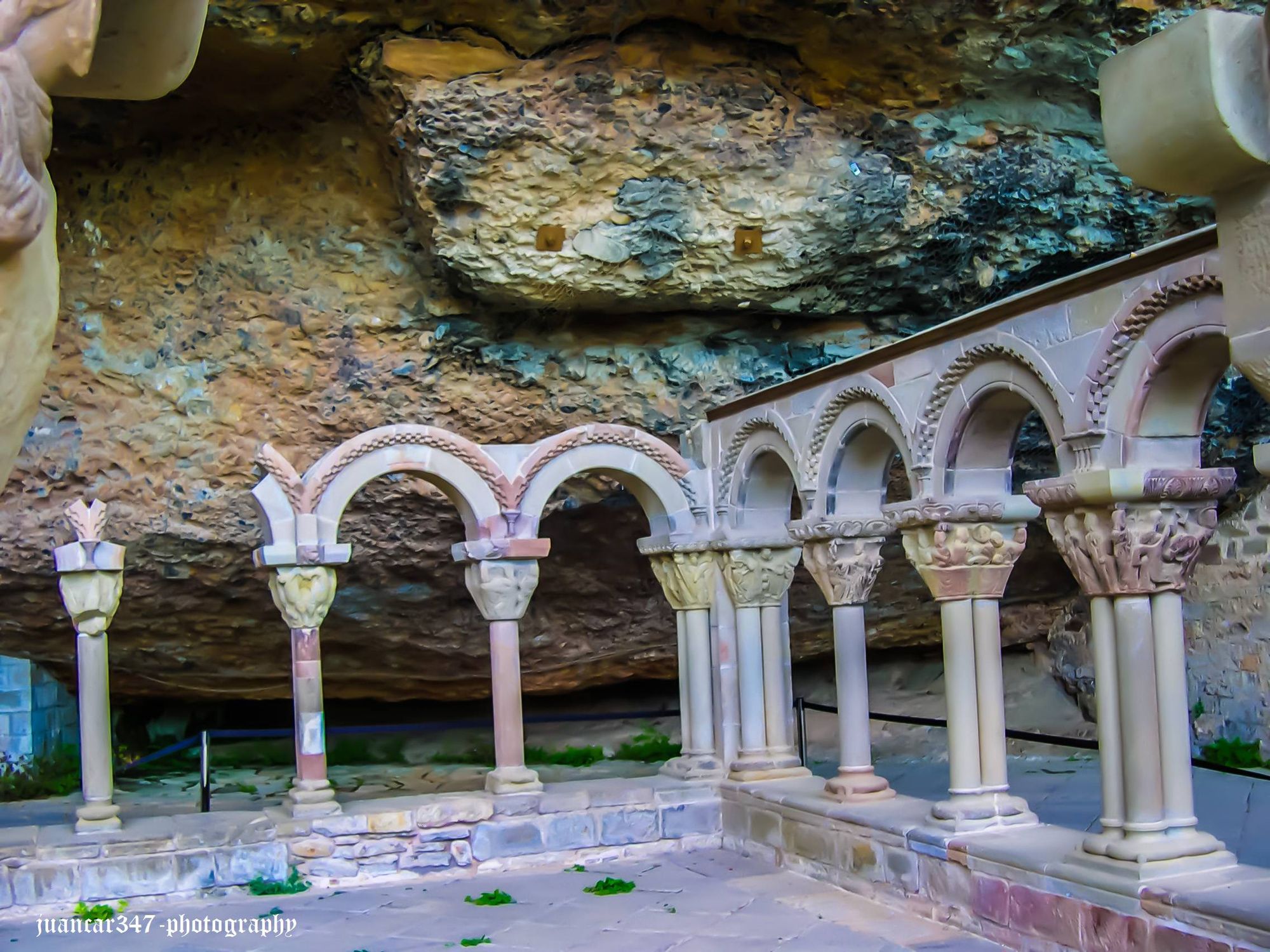
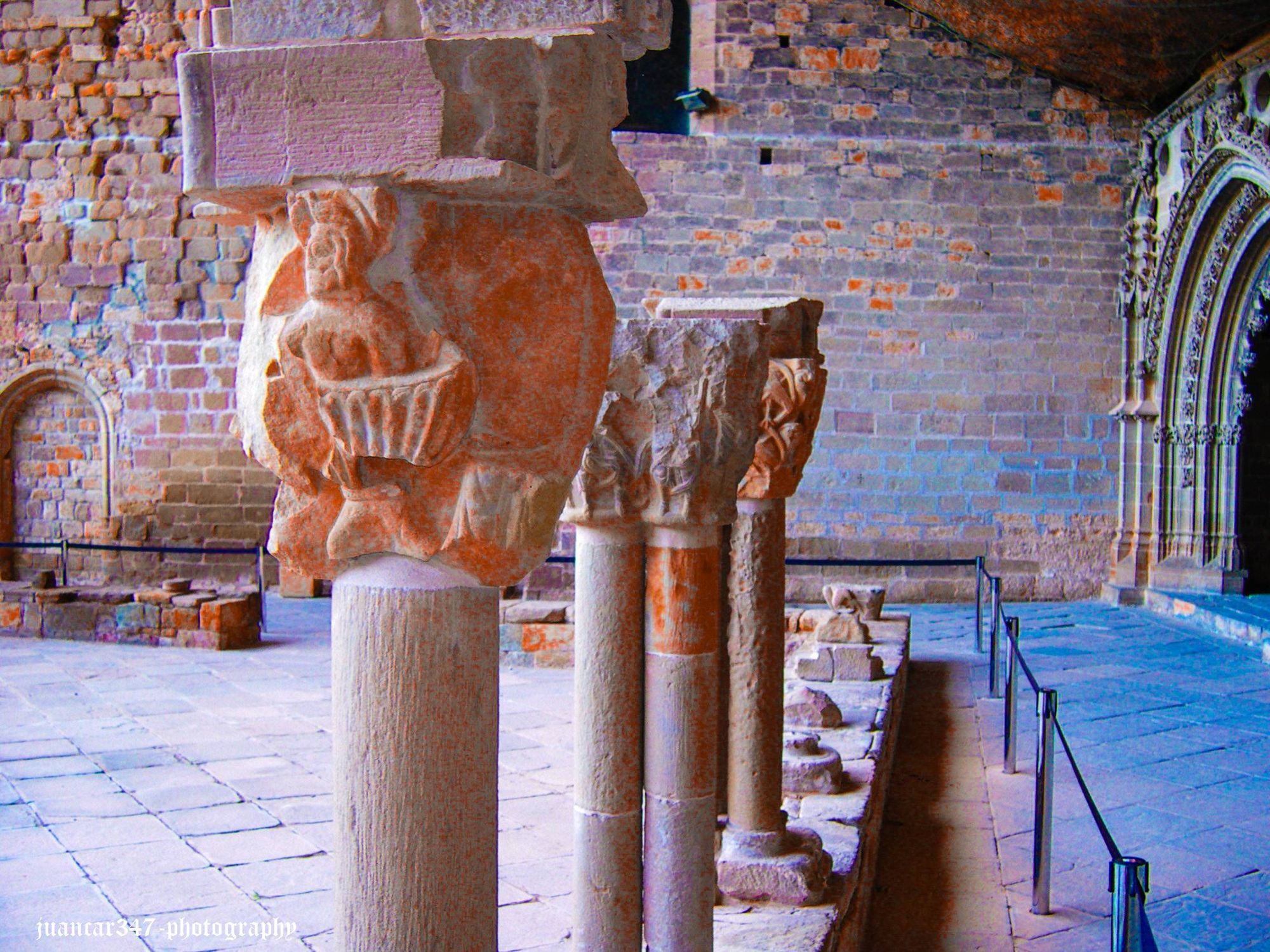
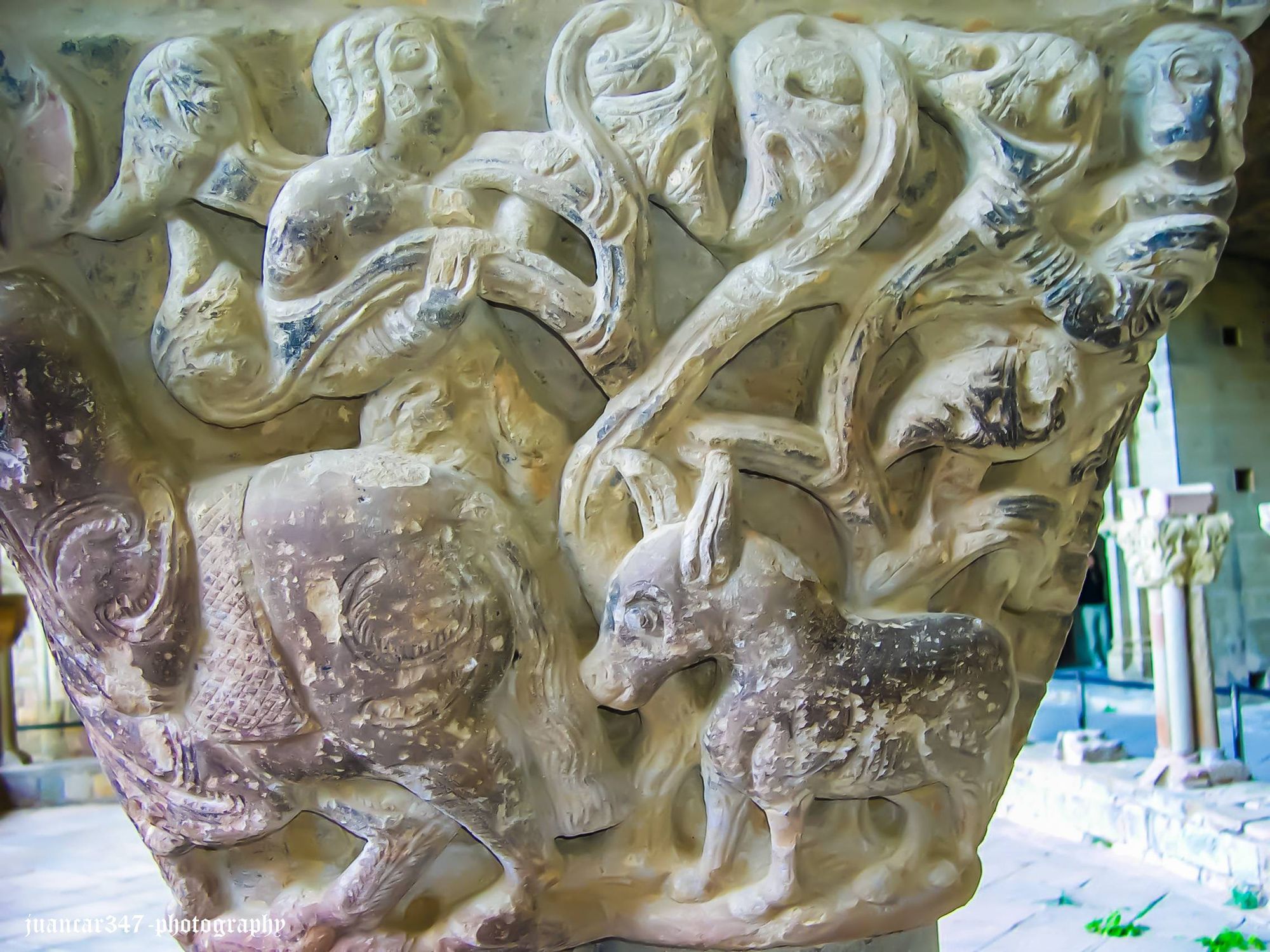
Furthermore, it boasts the presence of a mysterious master stonemason, particularly active in Huesca, parts of Navarre, and the Cinco Villas region of Zaragoza: the so-called Master of Agüero or of San Juan de la Peña.
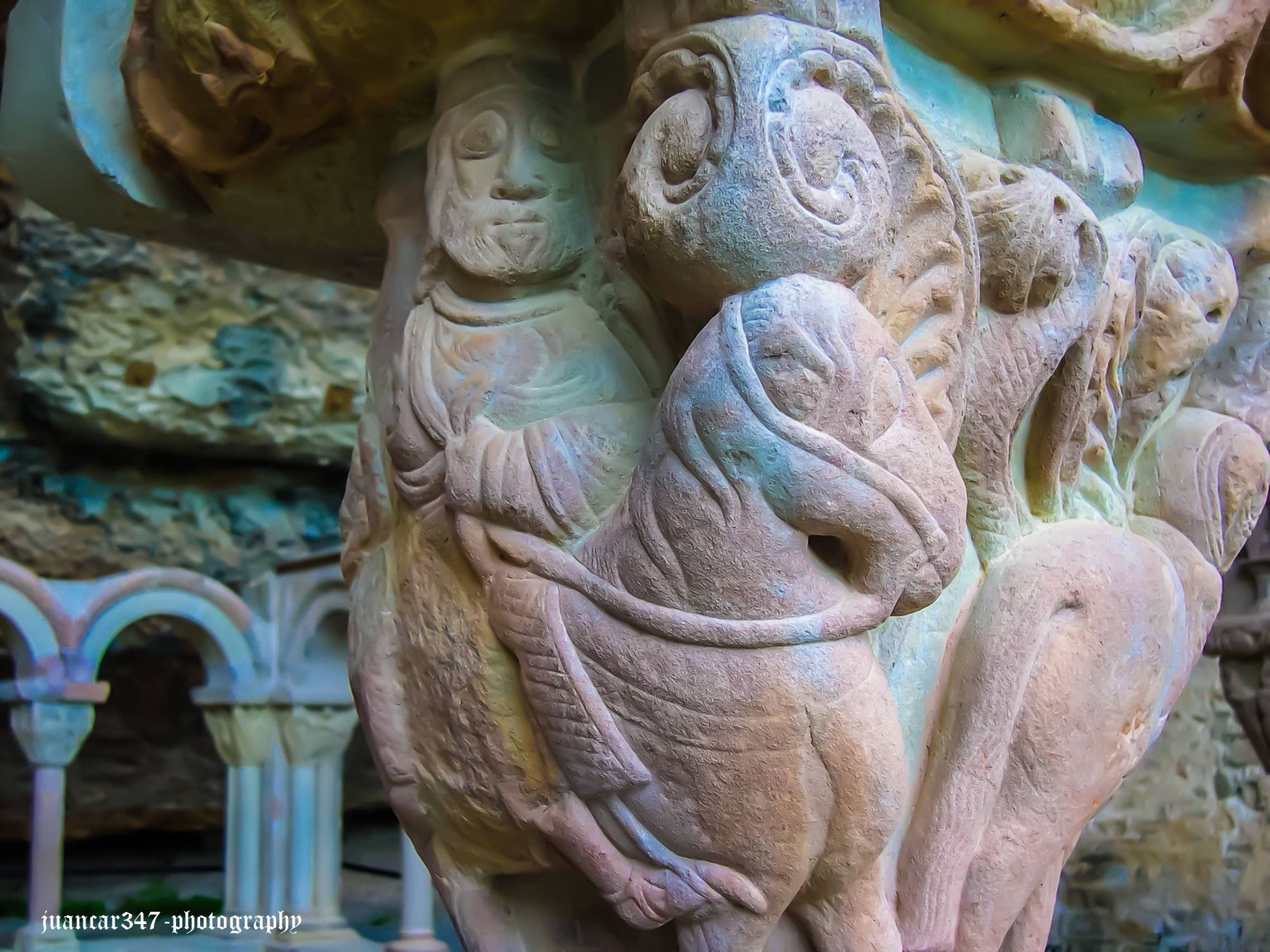
These splendid New Testament sculptures that adorn the cloister are attributed to him. Their eyes, as Juan García Atienza, one of the great popularizers of Mysterious Spain, affirmed, "seem to be definitively fixed on eternity."
NOTICE: Both the text and the accompanying photographs are my exclusive intellectual property and are therefore subject to my copyright.

Comments