
Today our attention turns once again to Aragon and those endearing historical, artistic, and cultural enigmas that, in that special region known as the Five Villages, hold a powerful attraction, impossible to resist, for they form part of a legendary history, though, unfortunately, one that has faded with the passage of time.
It is also true that the village we are going to visit today, El Frago, already dazzled us some time ago with its picturesque charm and, above all, with the monumental preservation of its historic center, especially that cultural gem that is, undoubtedly, its Jewish Quarter.
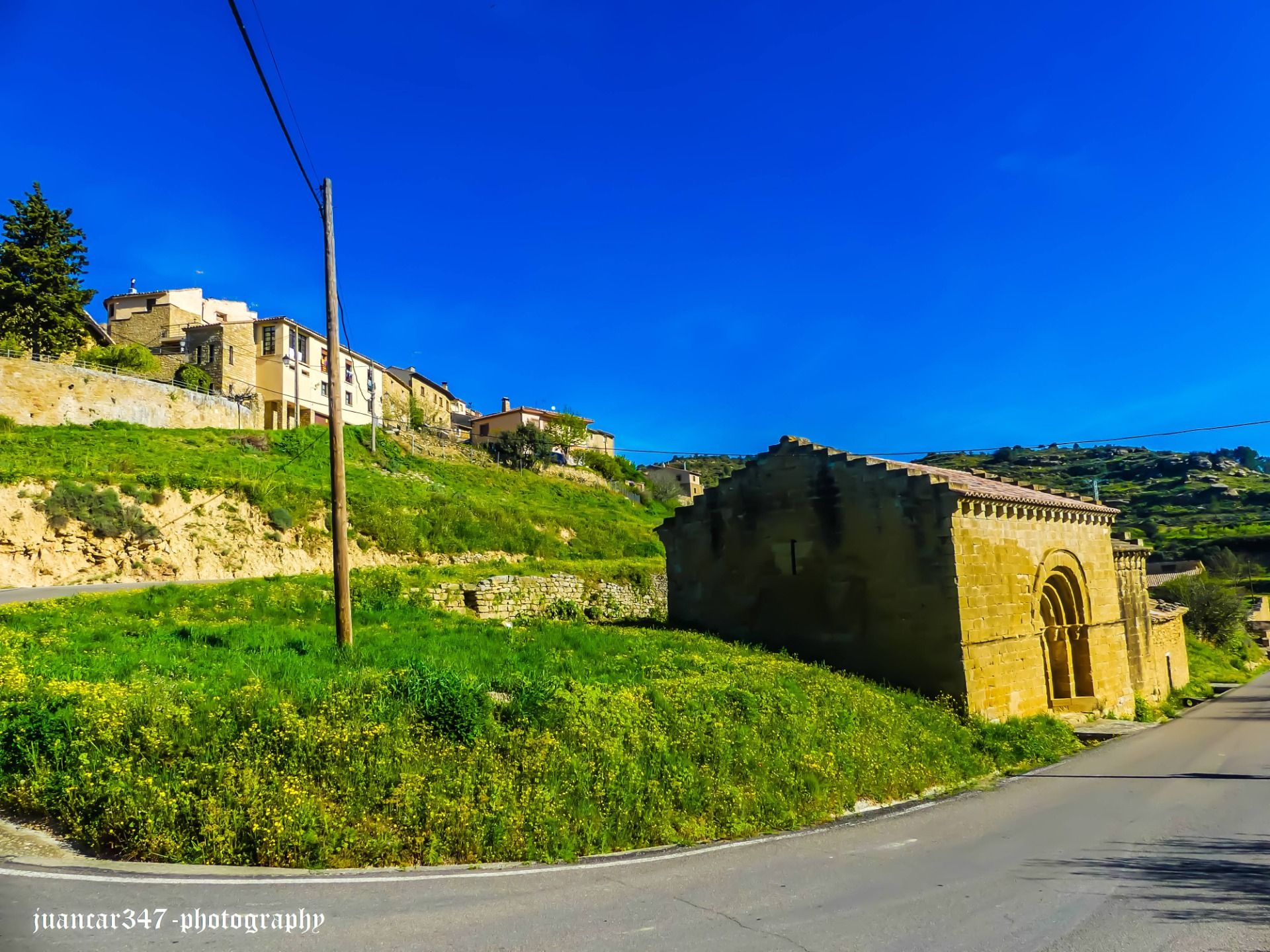
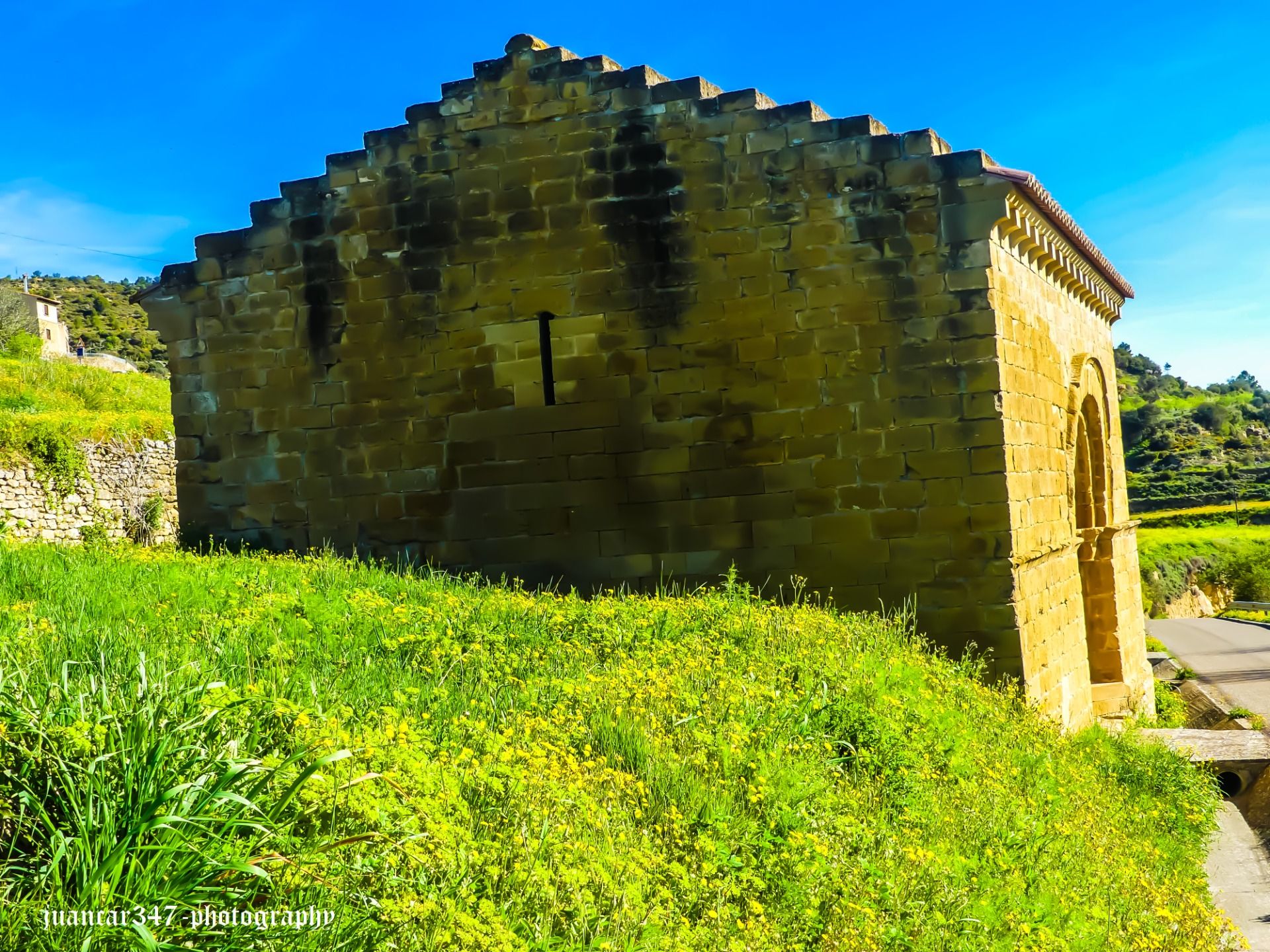
We will also pass by its monumental Romanesque church, dedicated to Saint Nicholas of Bari, and stop just a few dozen meters from its entrance to focus our attention on a curious hermitage, also Romanesque, which, standing alone at the very foot of the road, surprises us with its humble beauty.
This is a hermitage dedicated to the Archangel Michael, who began to be widely venerated, especially from the 4th century AD onwards, when he appeared on the heights of Mount Gargano in Italy to confront and expel the terrible beast that dwelled in a cave.
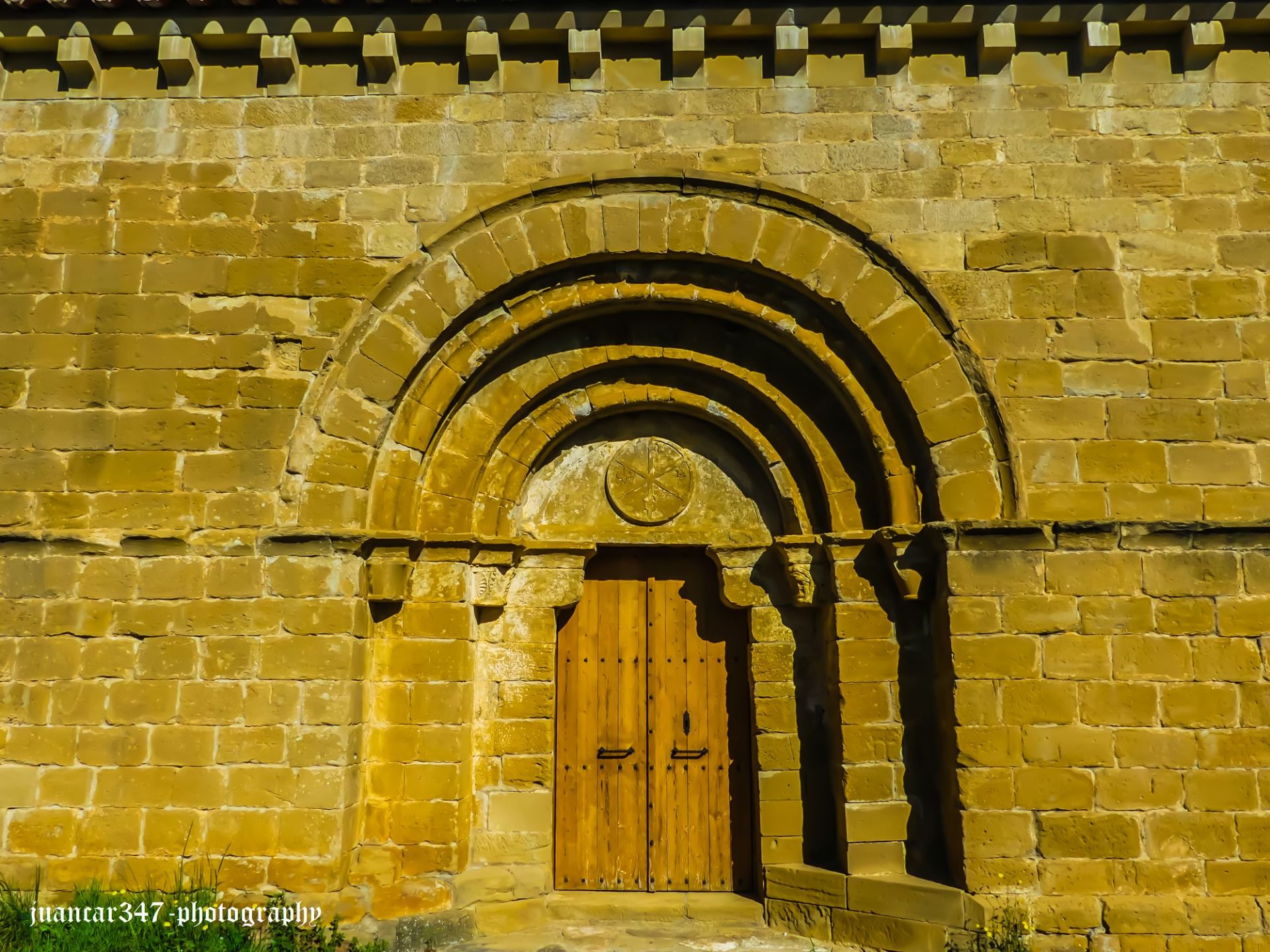
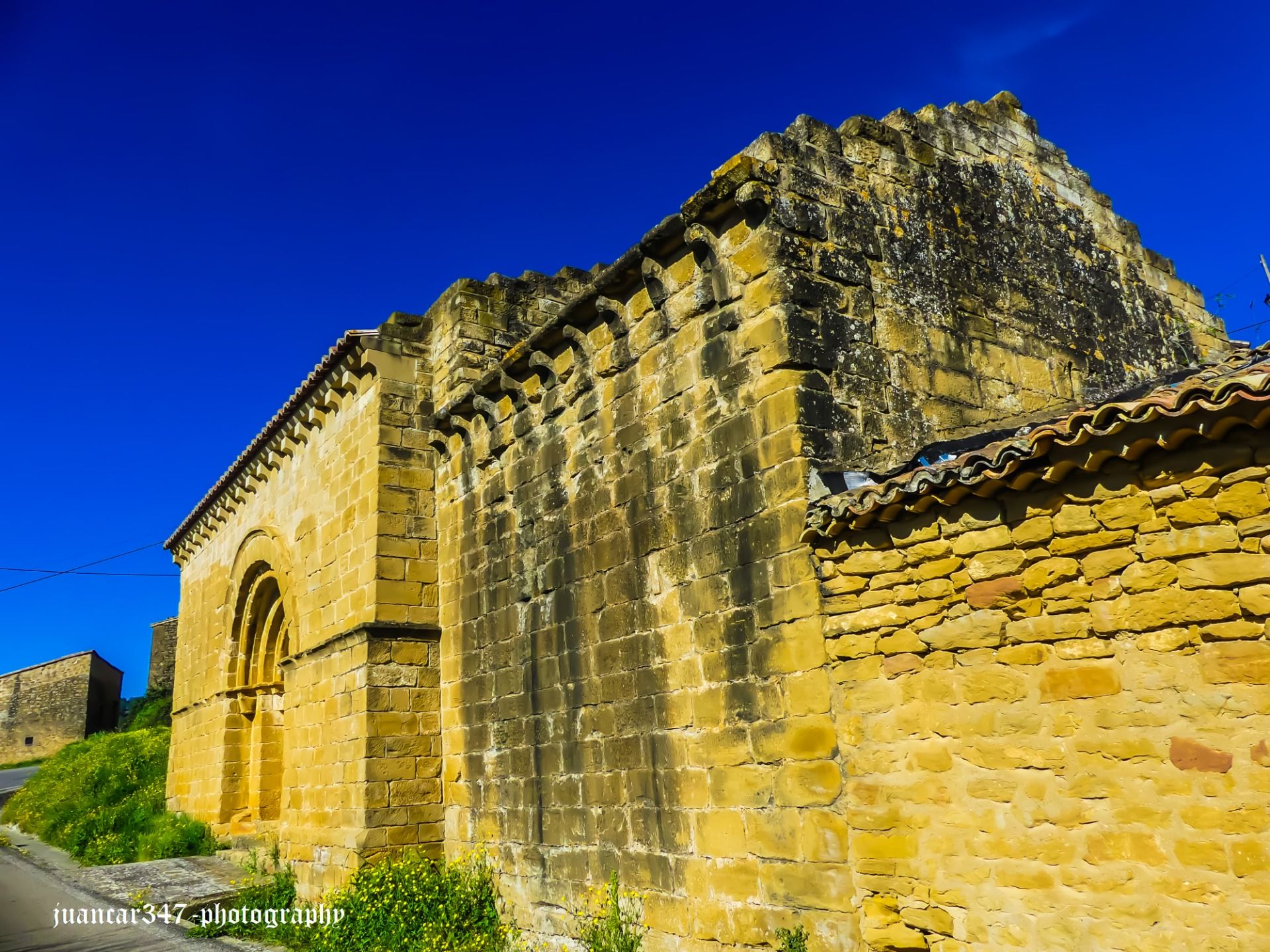
This event revived the ancient myth of the confrontation between the god Apollo and the terrible serpent Python at the Greek sanctuary of Delphi, a place that, moreover, also suffered the scourge of the Celtic tribes. Our Aragonese hermitage, far from maintaining the ostentatious grandeur of the vast majority of sacred buildings of its kind, is particularly striking for the pre-Romanesque character of its construction. The rectangular shape of its apse stands out, its corbels freed from the sculptural paraphernalia that, like a narrative of biases and virtues, constituted the basic means of communication in its time.
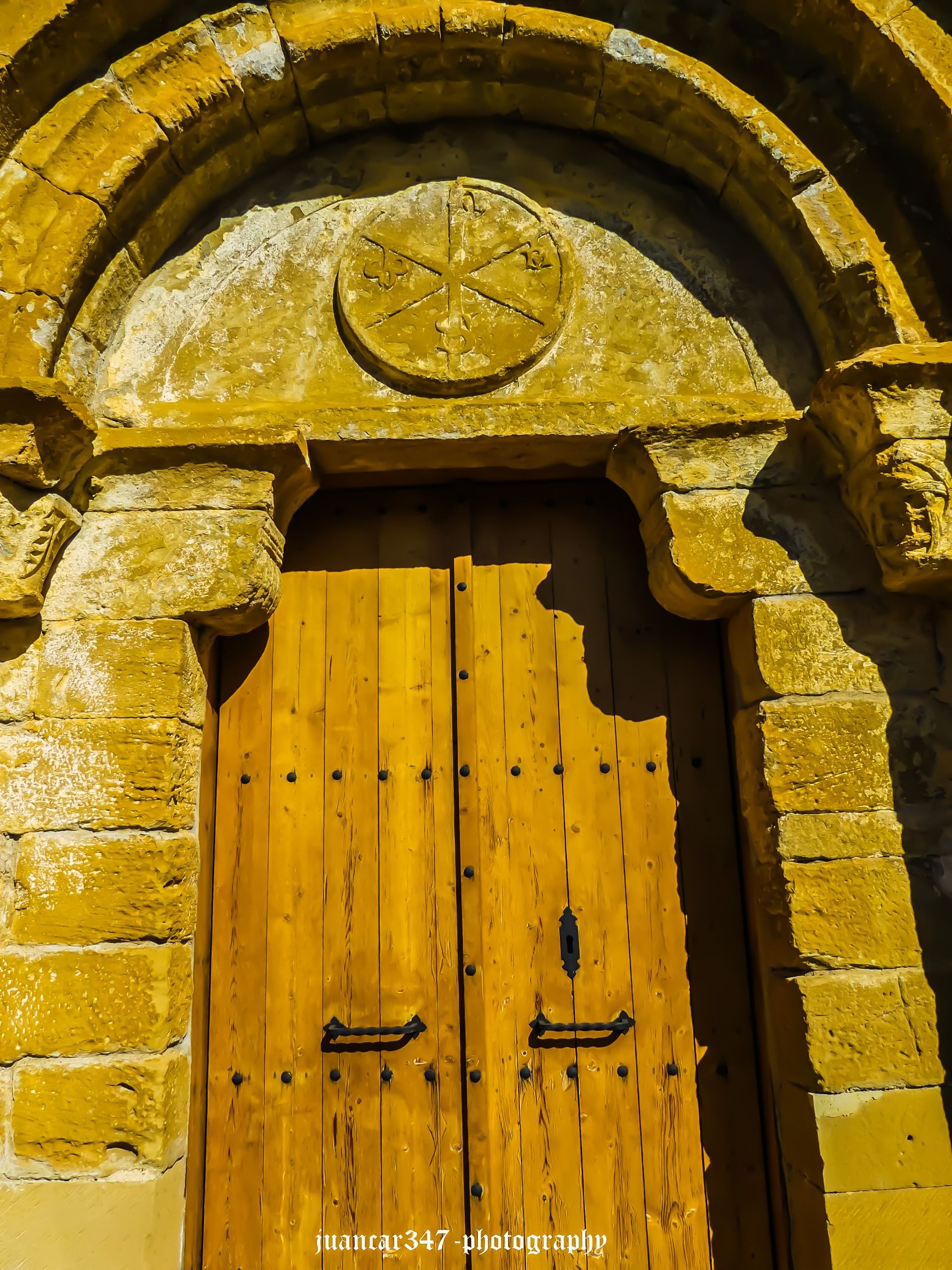
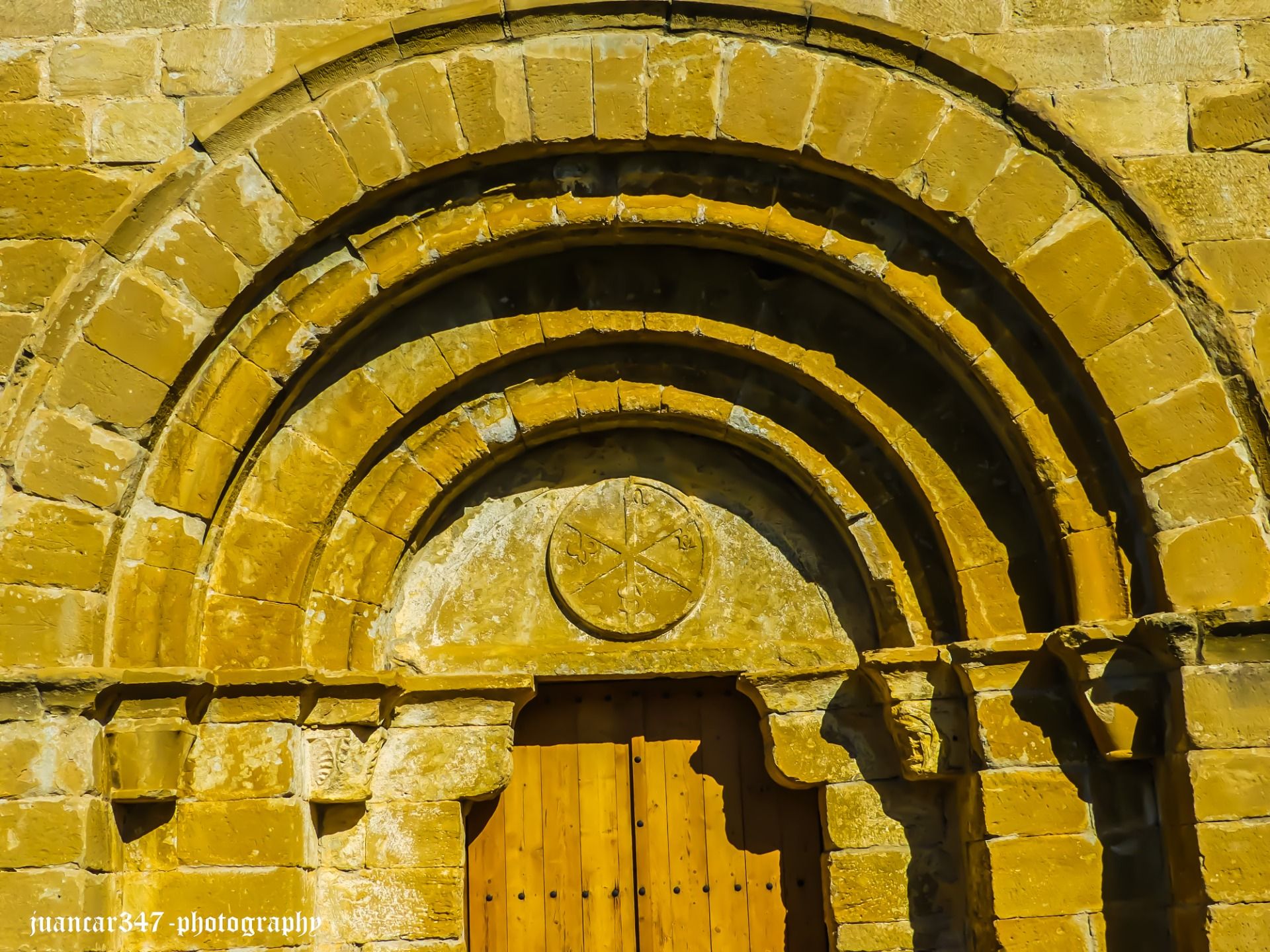
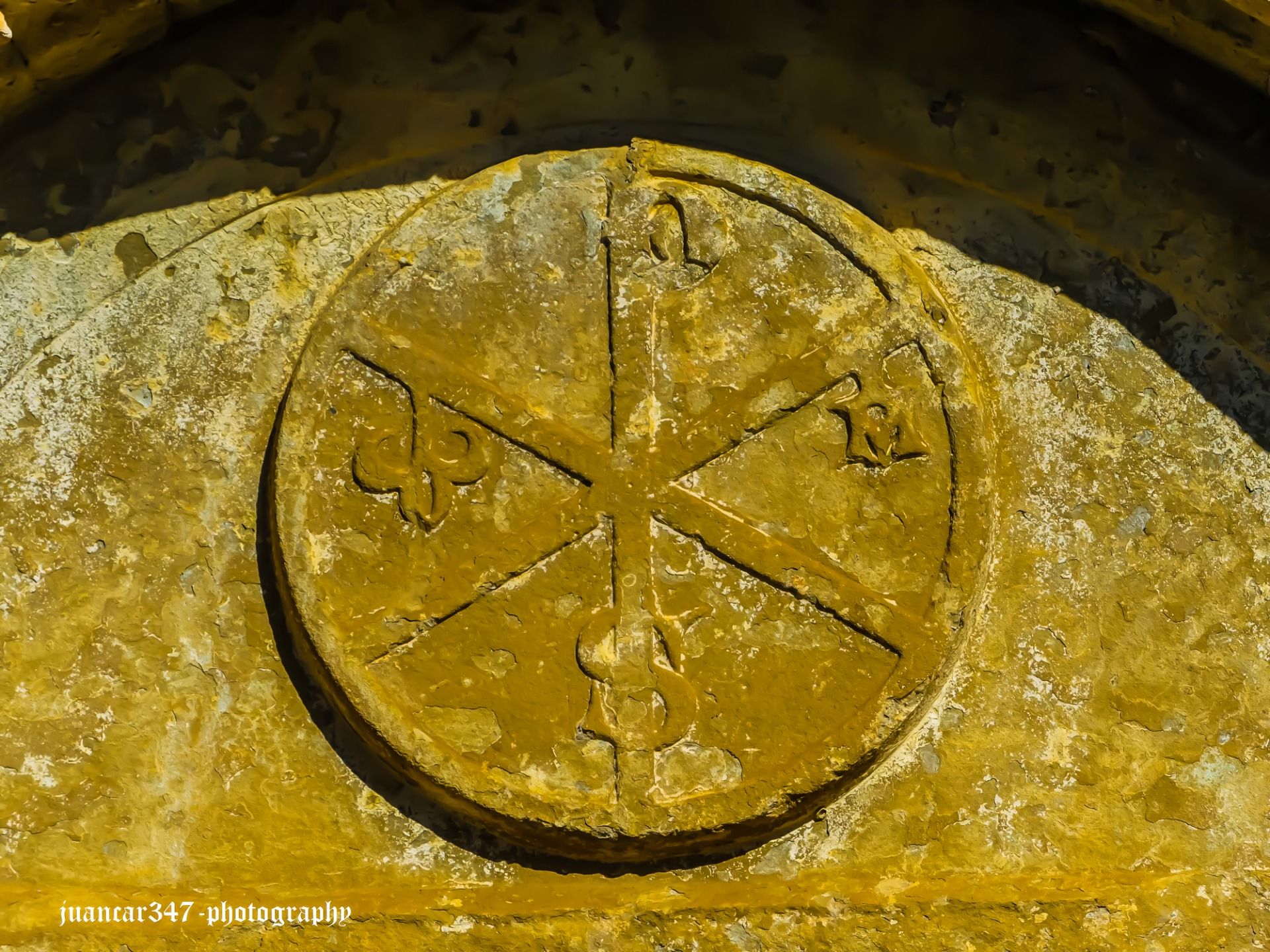
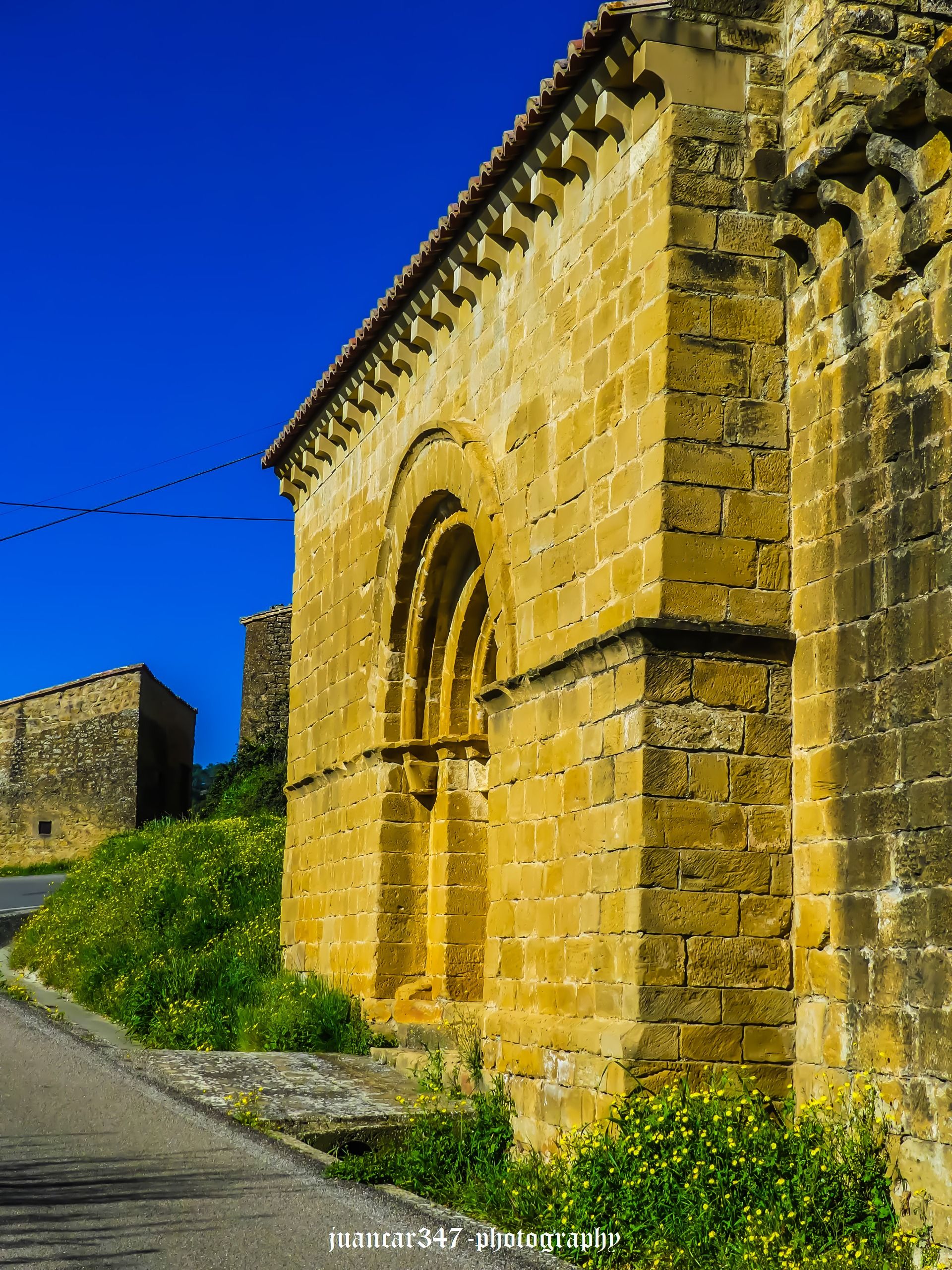
However, its main portal stands out. Although austere like the rest of the nave, it nonetheless displays the typical Chi-Rho monogram, known as the "Jaca" Chi-Rho, where, alongside the symbolism of the cross, the temporal ambiguity represented by the Greek letters Alpha and Omega—Beginning and End—prevails. Supporting its almost thousand-year-old archivolts, two capitals continue to endure the ravages of time and erosion with stoic resilience.
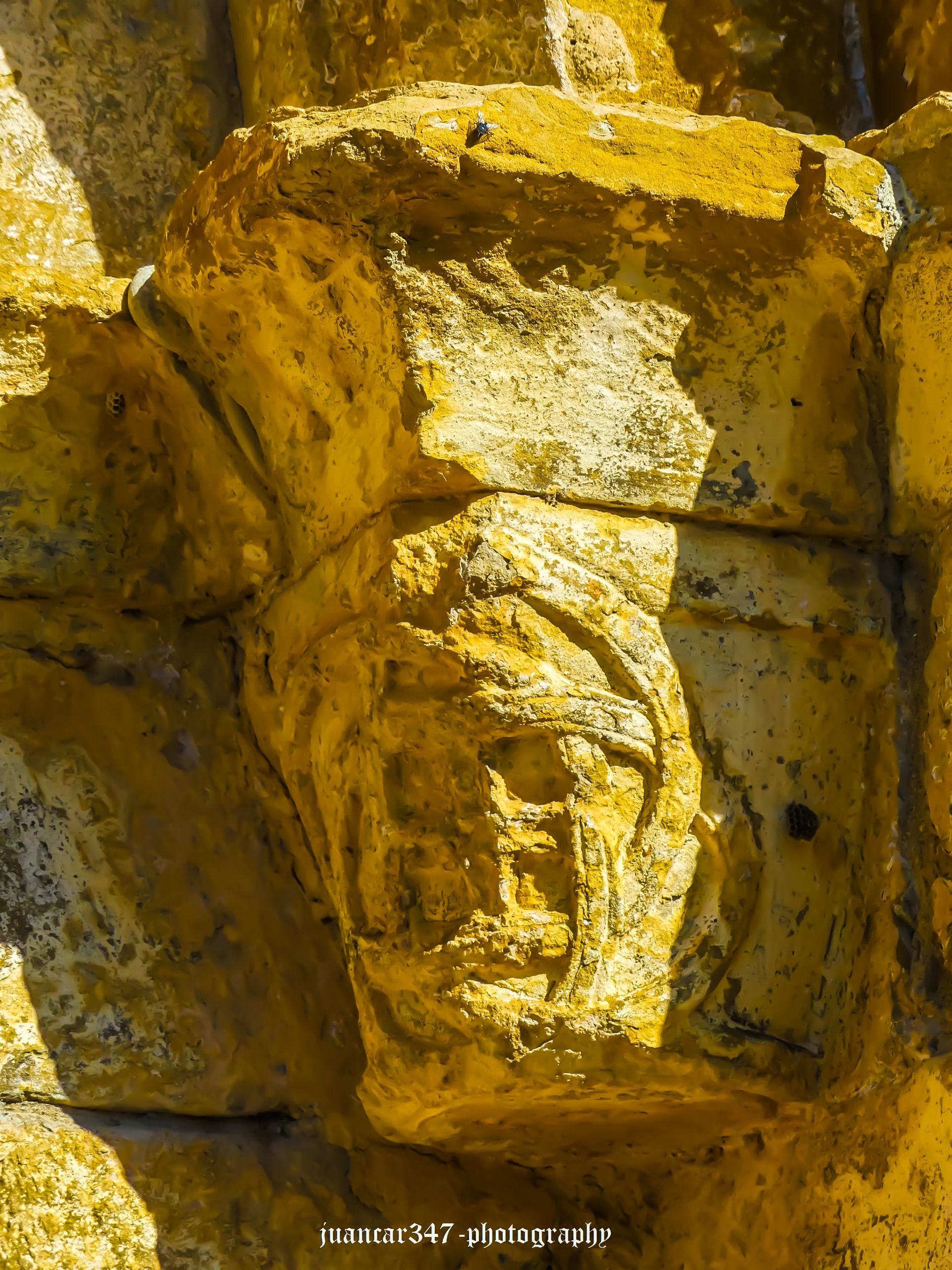
Yet, one still reveals the elegance of the vegetal motifs and a genuine allusion to the strength of unity, which, among other possible meanings, alludes to the Gordian Knot that Alexander the Great, unable to untie it with his own hands, desperately cut with the edge of his sword.
In short: another unique piece of heritage, worth pausing for a few moments on our journey to reflect, as the poet Cavafy said, that Ithaca, though poor, also provided us with a priceless treasure: Knowledge.
NOTICE: Both the text and the accompanying photographs are my exclusive intellectual property and are therefore subject to my copyright.

Comments