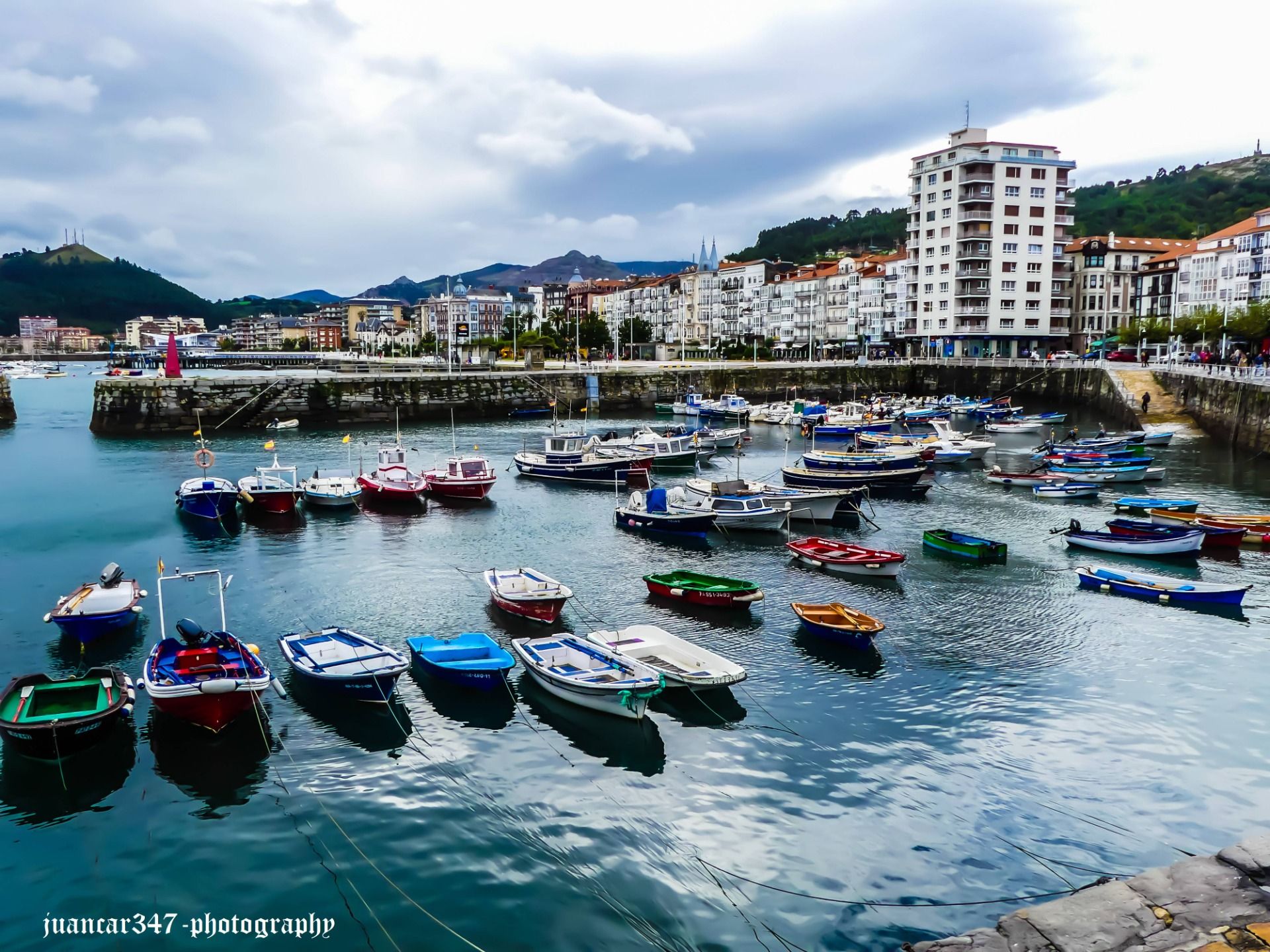

The North Coast, the Cantabrian Sea, its wild beauty, and of course, its infinite mysteries, bring my memories, on this occasion, to this monumental seaside town, which the Romans knew and exploited under the name of Flavióbriga, and which, for us, is the timeless Castro Urdiales.
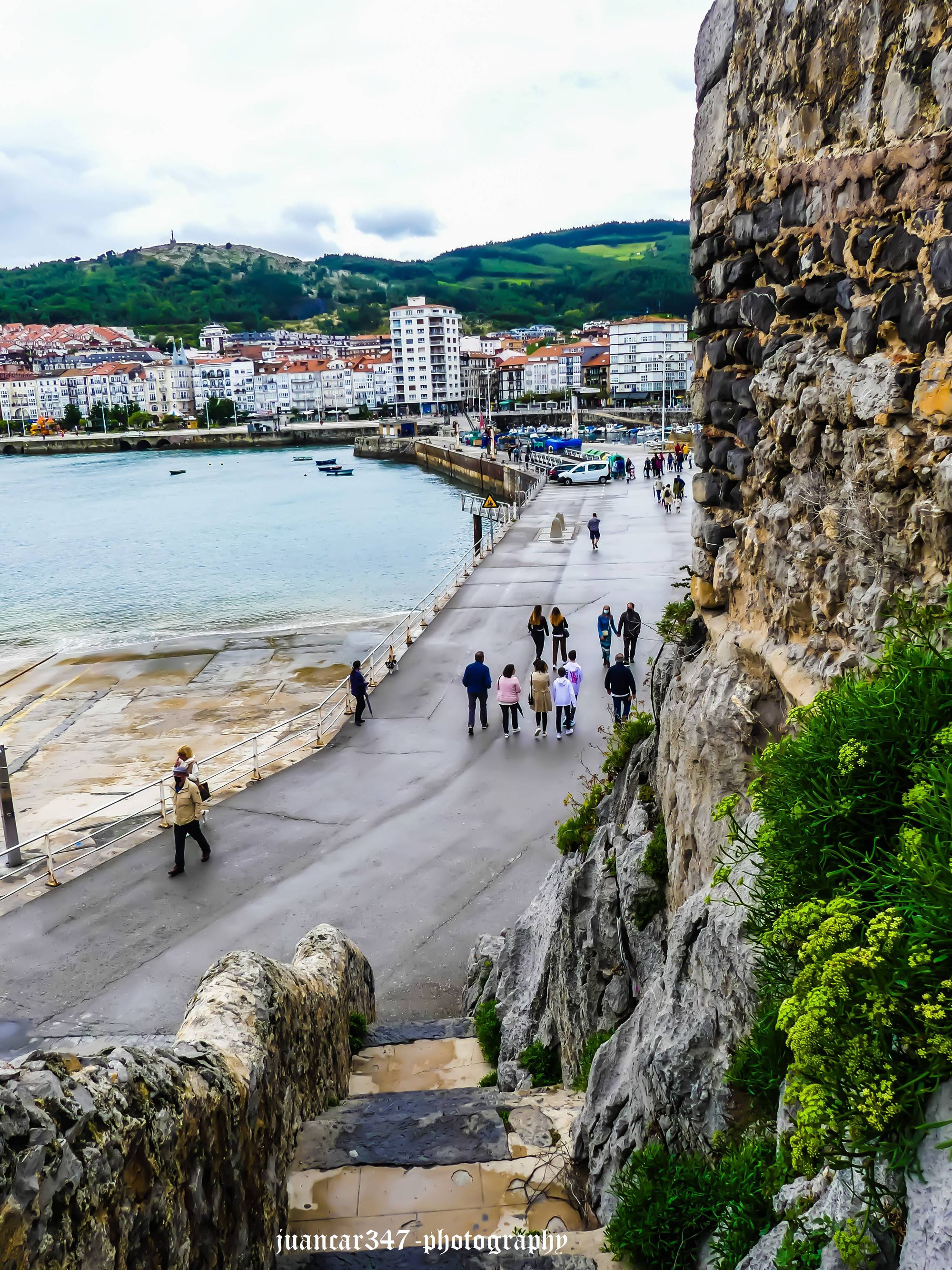
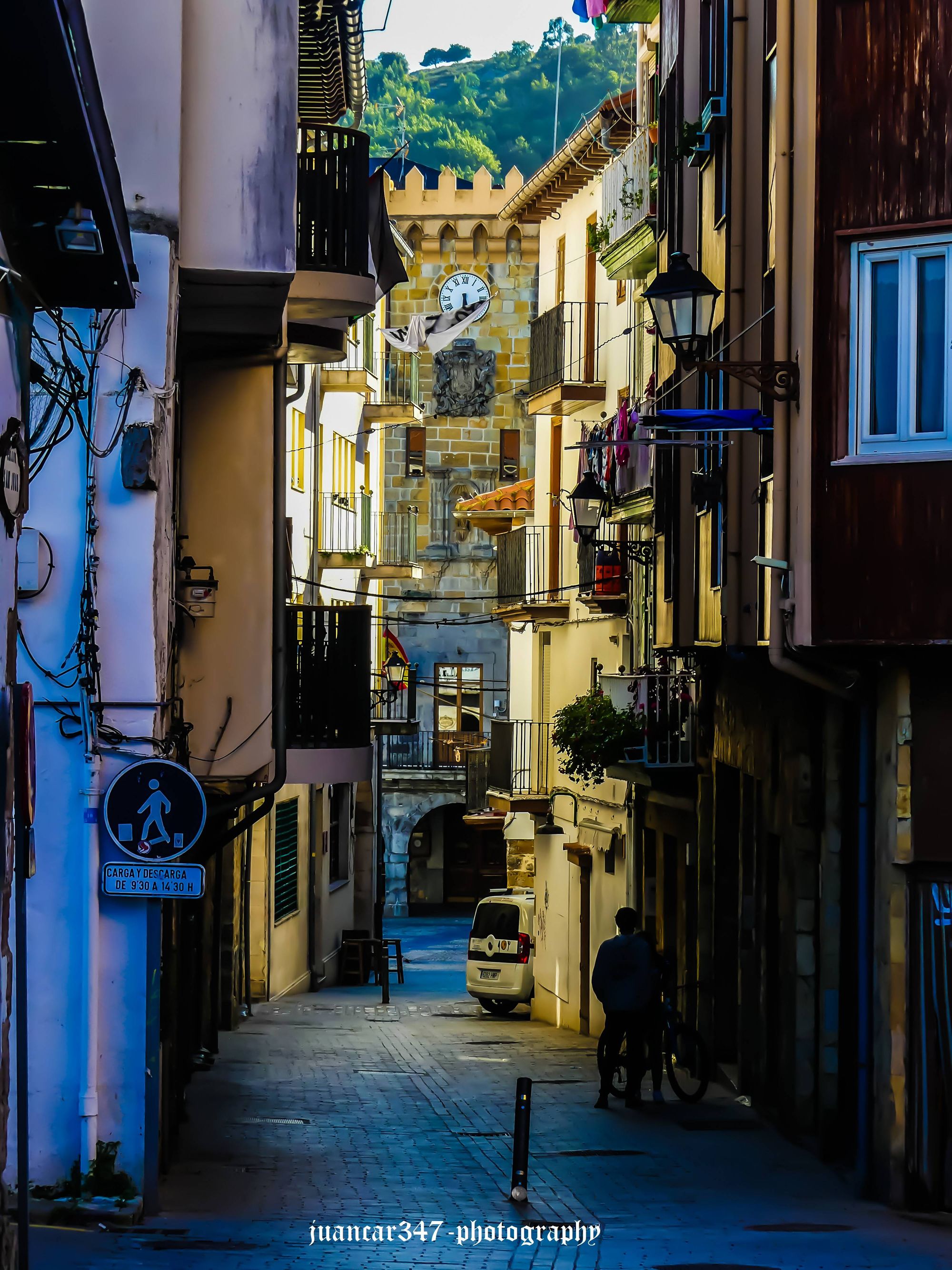
Castro Urdiales, which in medieval times was part of the powerful Brotherhood of the Four Towns of the Coast, is a poem in itself, not only to be discovered, but also, and most importantly, to be savored with the passion it deserves, knowing that, strolling through its intricate, medieval streets, adventure is always guaranteed.
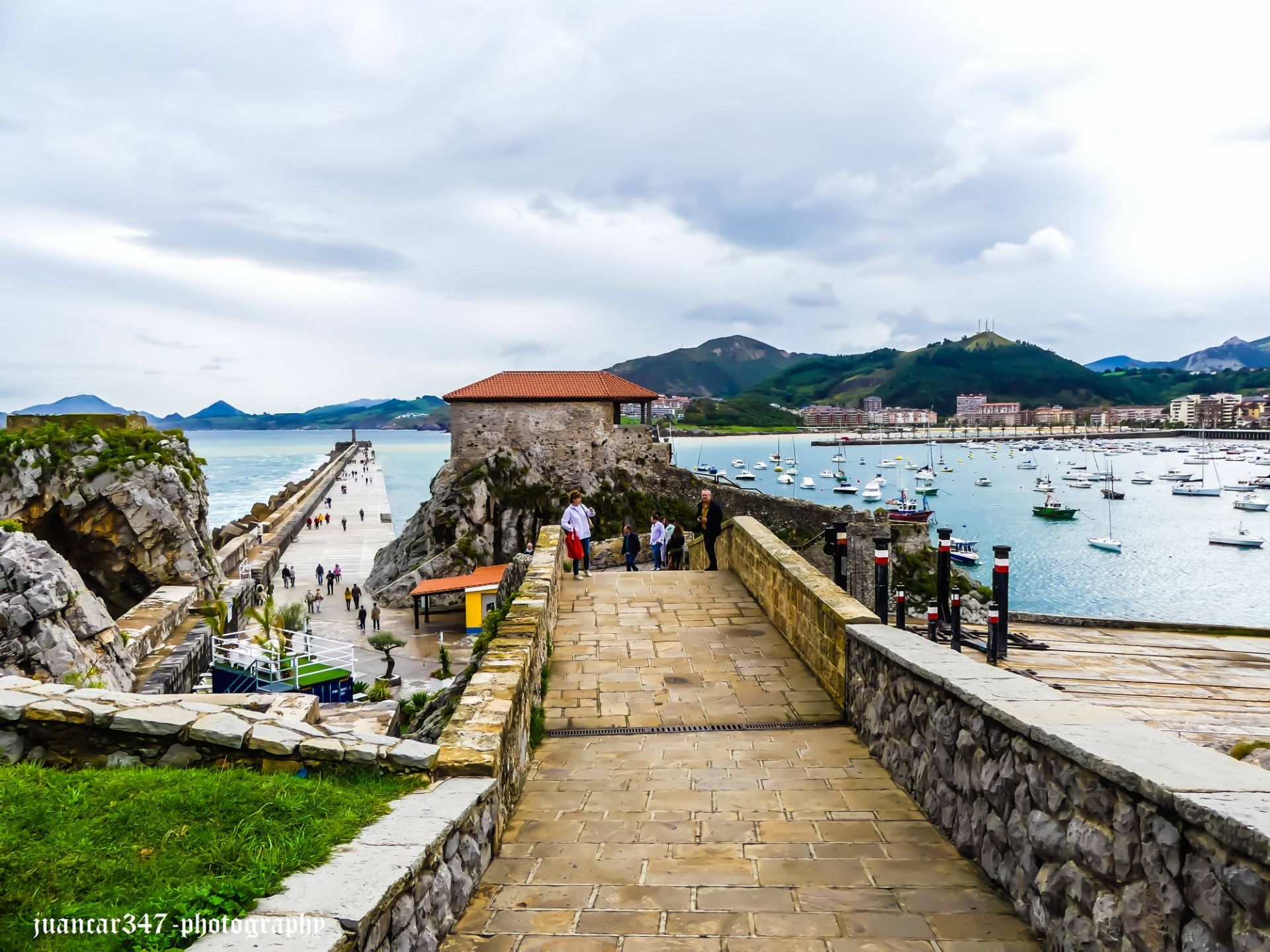
Its privileged location, just thirty kilometers from major ports and cities like Bilbao, and being, as it is, one of the main ports on the Cantabrian coast, ensures that even after centuries, it remains a marvelous gem, a place that, of course, must be visited at least once in a lifetime.
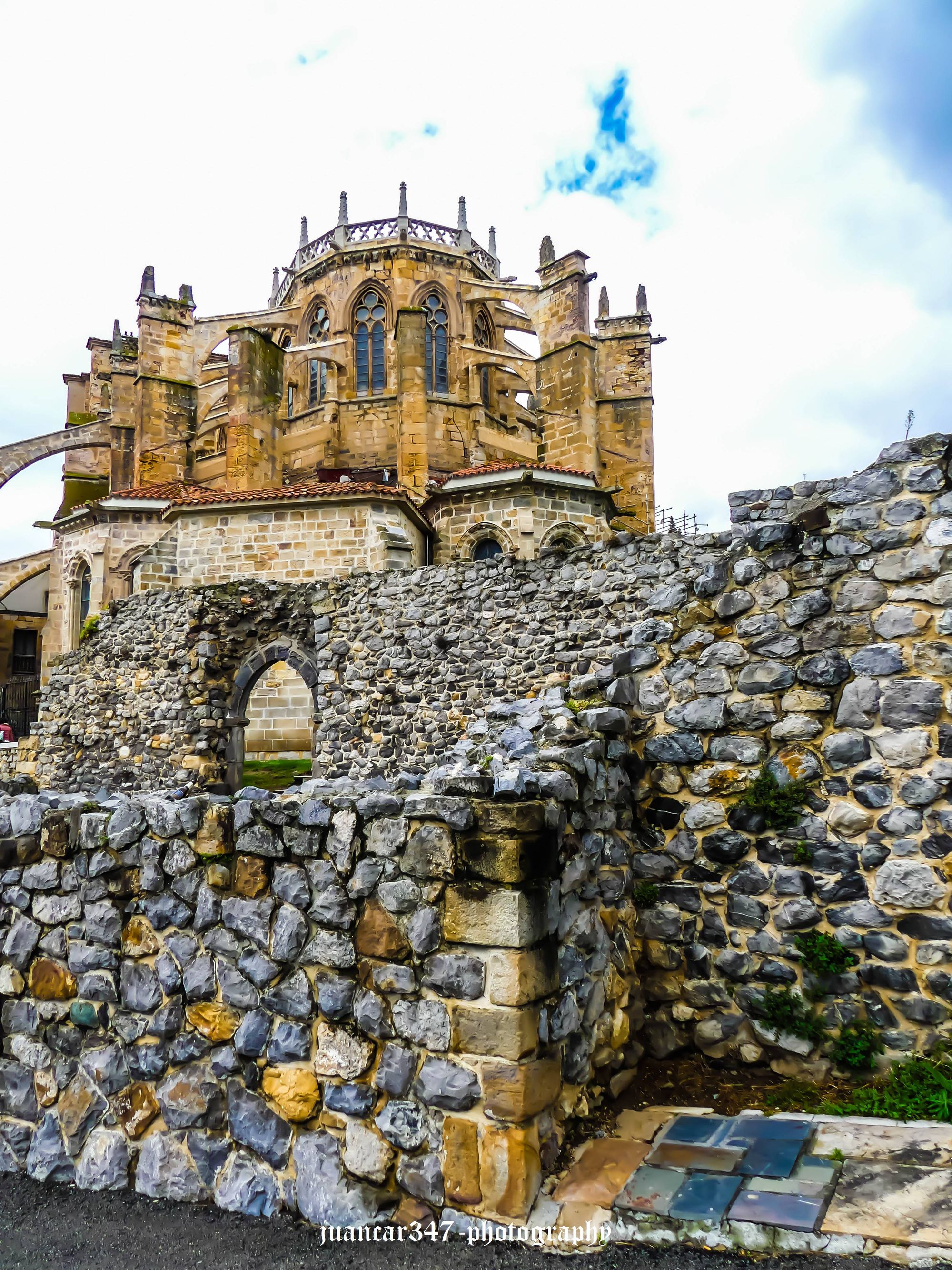
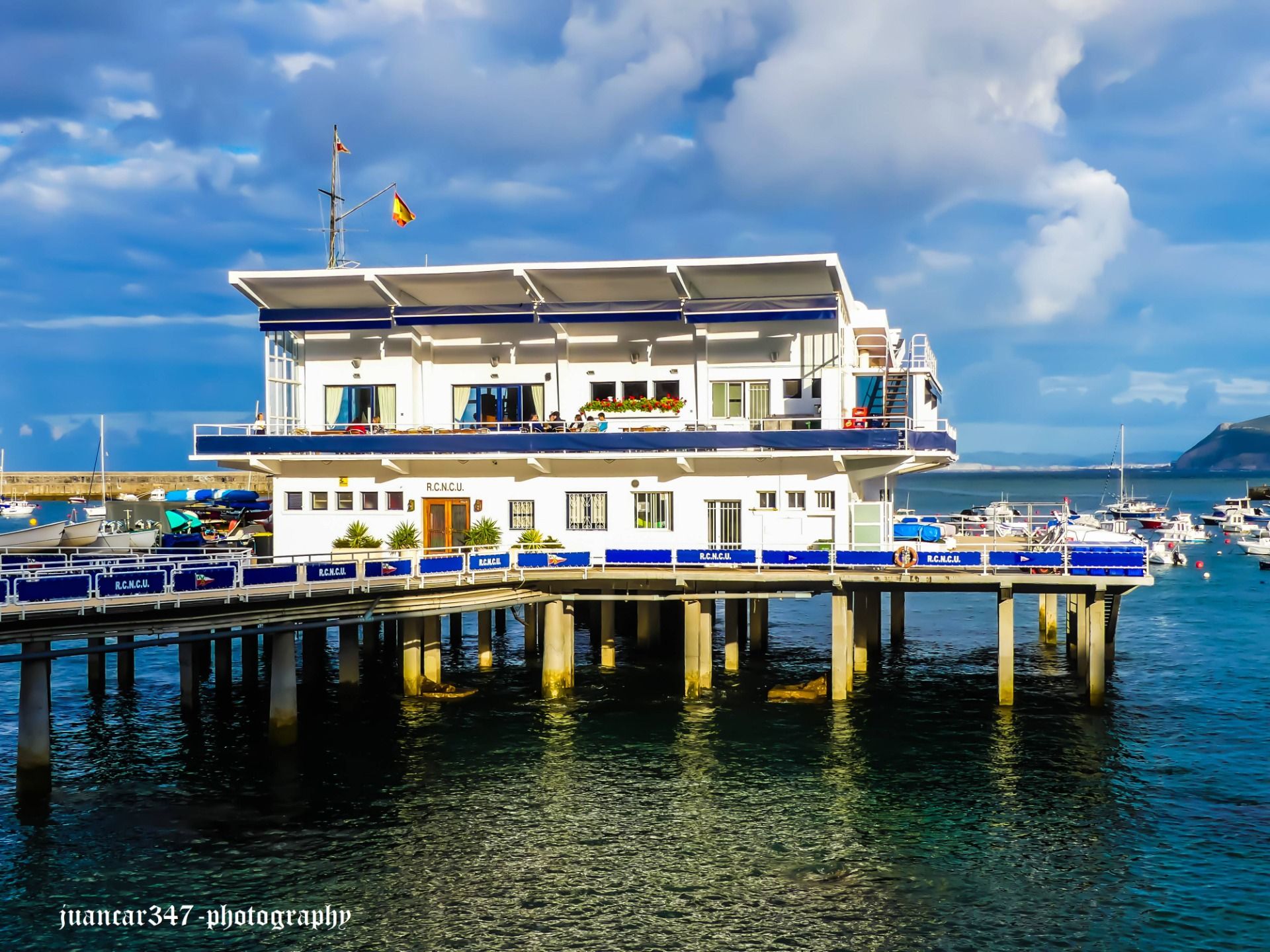
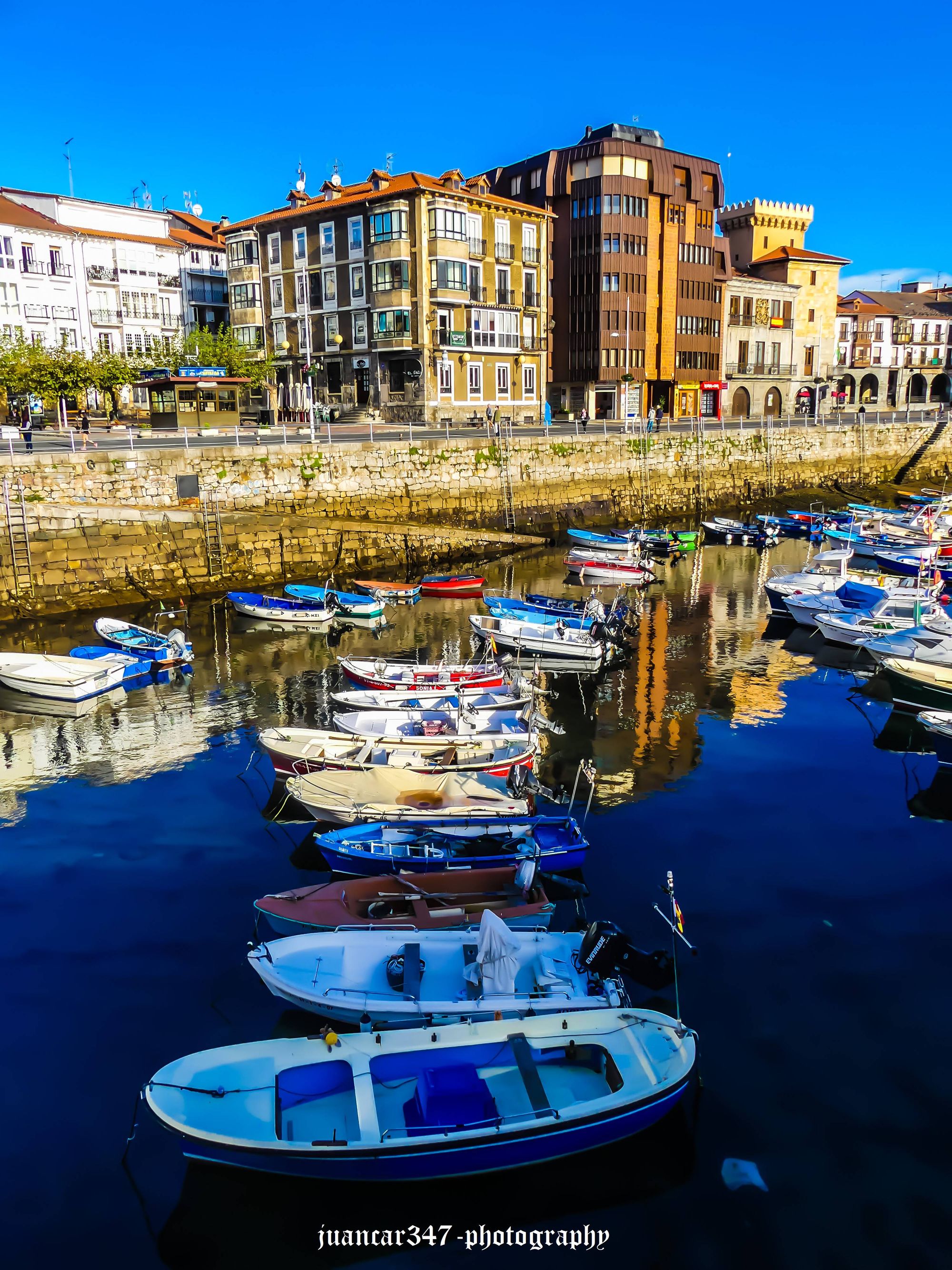
Its essence, its stratospheric history, unfolds around a port and beaches that not only attracted thousands of travelers and pilgrims throughout its immortal history, but also continue to ignite passion in tourism, which, in recent years, has been discovering in Northern Spain a spectacular destination that, in one way or another, always leaves a lasting impression.
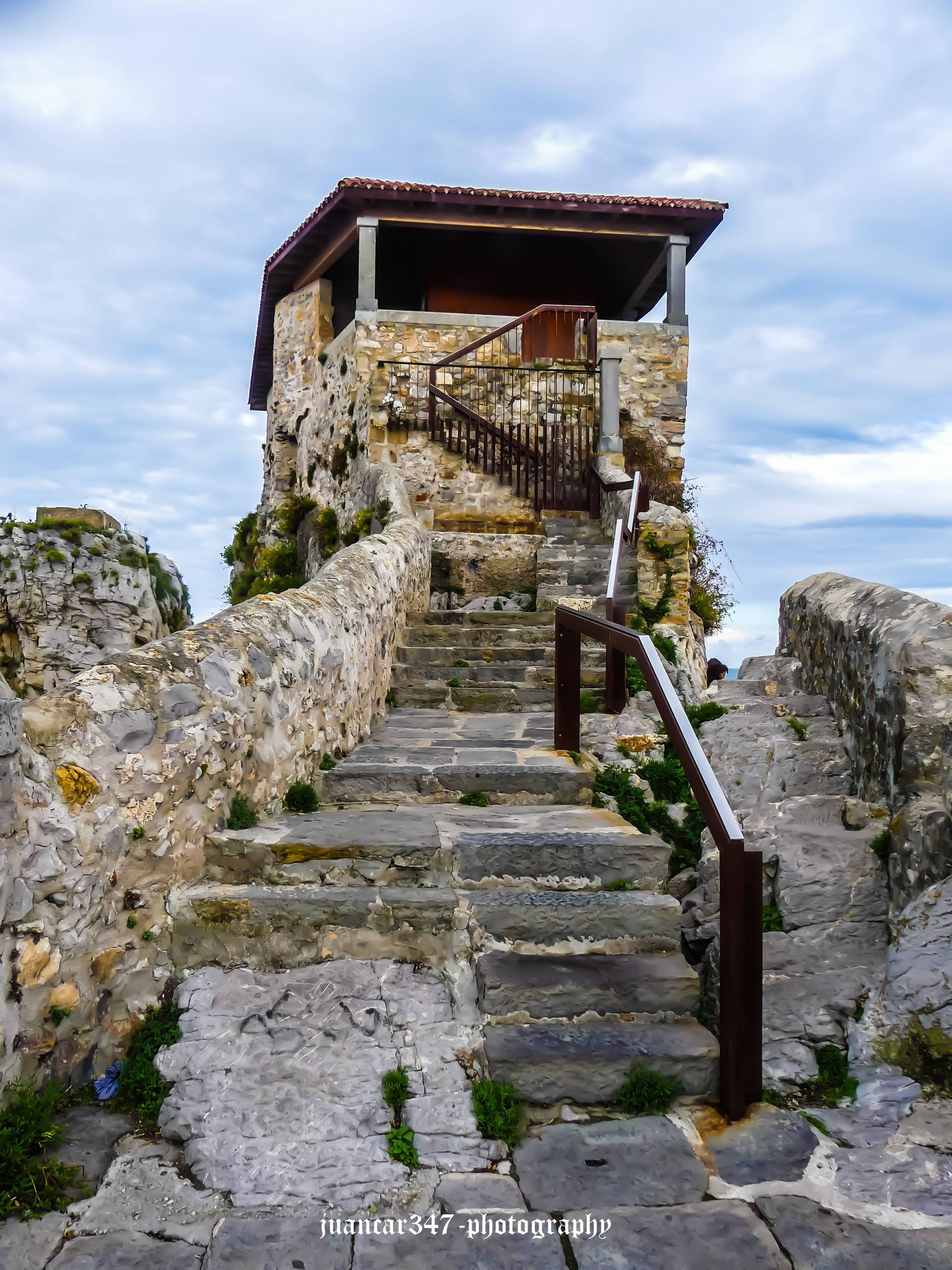
Beginning with its imposing church dedicated to Our Lady, with the lighthouse-castle located just a few meters away, from where the Knights Templar surveyed horizons that didn't always attract merchant ships or the influx of pilgrims eager to begin their momentous journey from here, either to Santiago de Compostela or to the heart of the Europe Peaks and the privileged region of Liébana, and continuing with the grandeur of an architecture that, far from discarding the old, has embellished it over time, a stroll here means more than just visiting a particular place: it's a captivating journey through the layers of a history, surrendered to mystery and beauty.
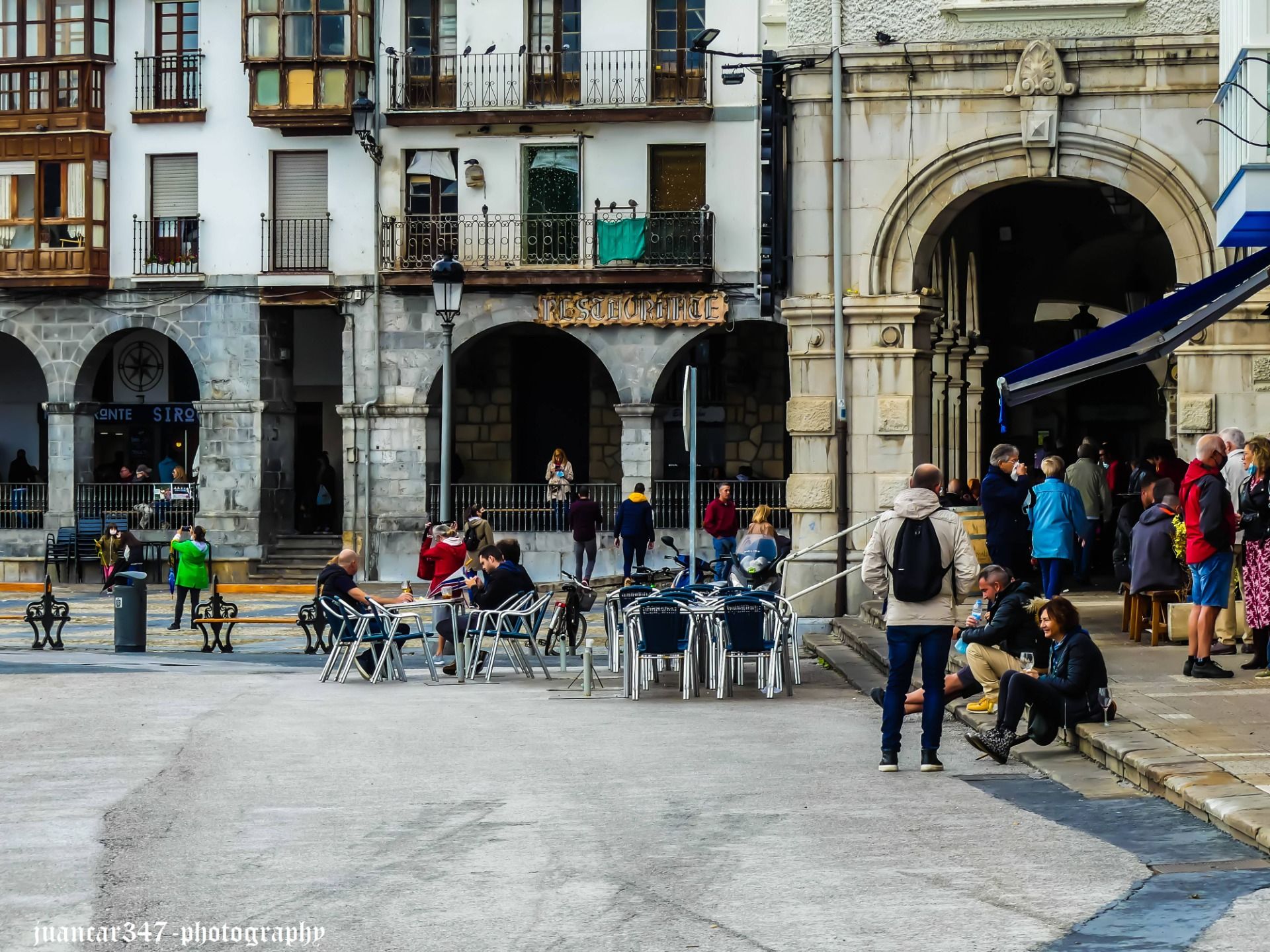
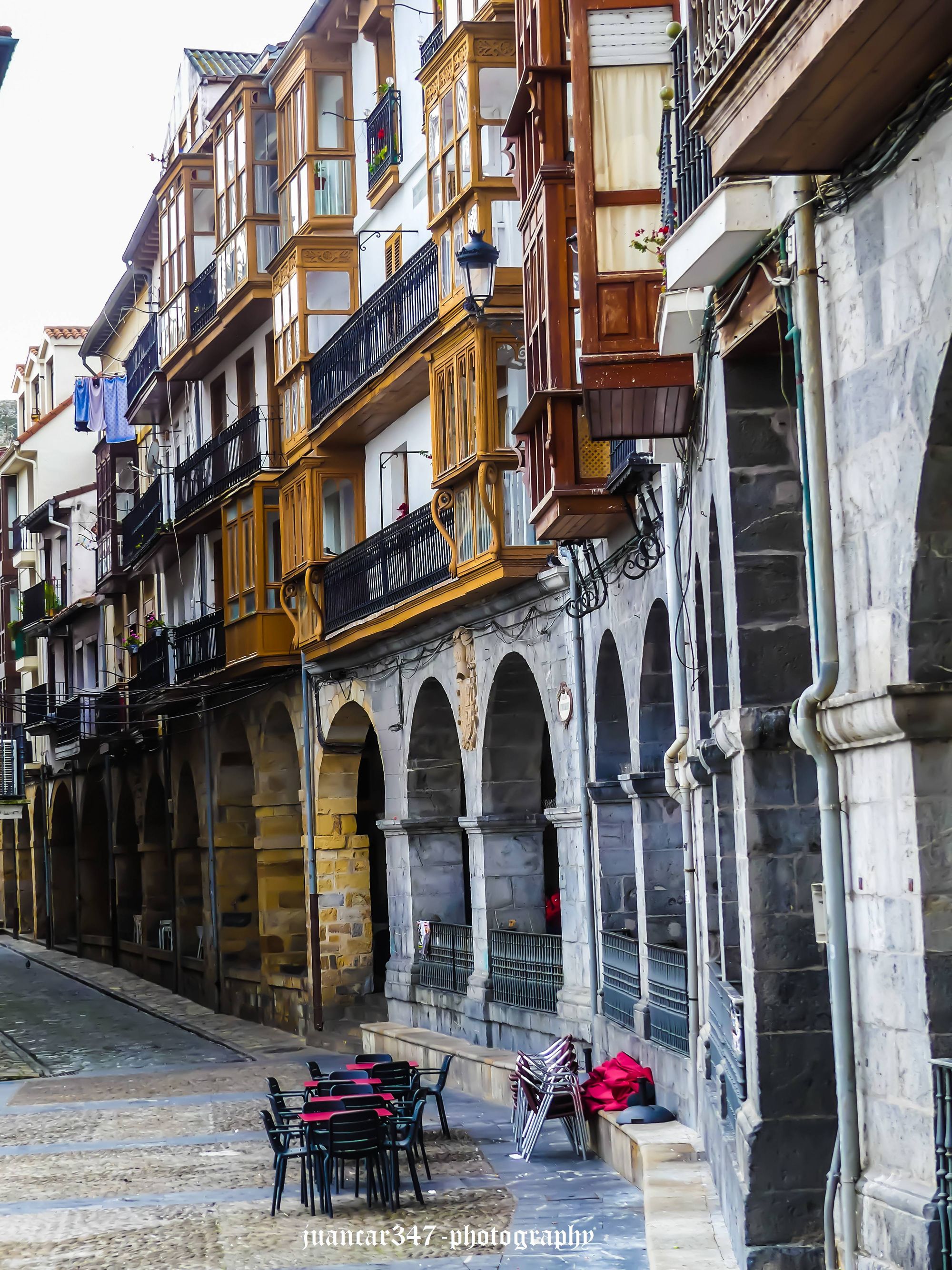
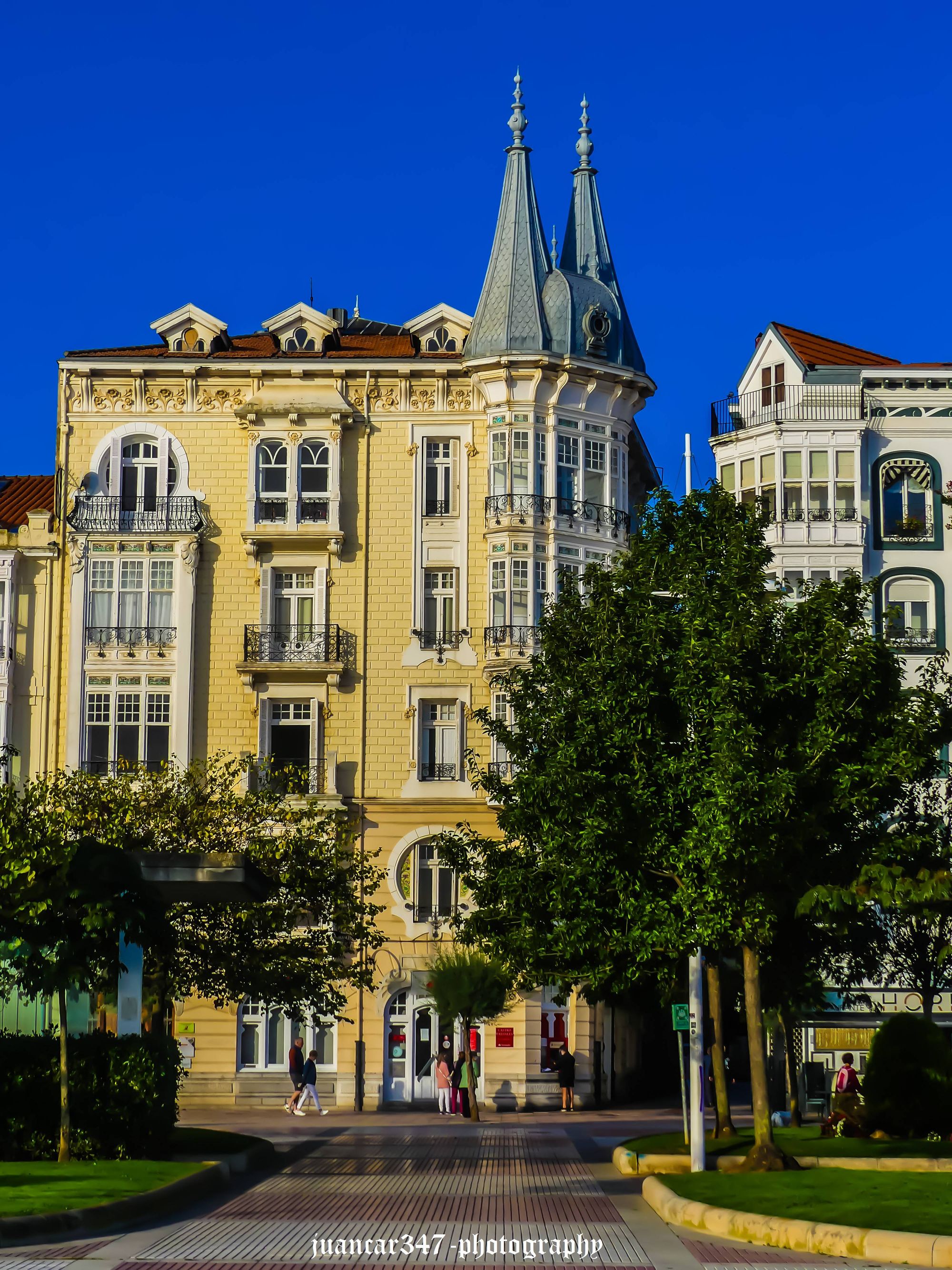
Alongside the promenade, serving as a fitting end to the dark and melancholic fishing quarters, stands a remarkable succession of modernist mansions. Their charming and whimsical designs offer intense cultural experiences, which, combined with that other essential object of desire—gastronomy—contribute to enriching sensations rarely found elsewhere, making Castro Urdiales a truly privileged destination.
Furthermore, just a short distance from the town center and perched atop a hill overlooking the relentless Cantabrian Sea, lies one of the most fantastical cemeteries on the entire coast: the Ballena Cemetery. Its imposing mausoleums, brimming with classicism and mystery, are sure to leave no one unmoved, especially the Sel Pantheon. Its daring design, based on the unorthodox style of ancient Egypt, stands out in a Christian cemetery.
Furthermore, along the rugged coastline of Castro Urdiales, there are those spectacular blowholes, whose wild beauty immediately captures the eye: a coast eroded over centuries by the force of a powerful sea, which, like a metaphorical miner, has carved curious galleries that spout water like whales, offering a truly fantastic spectacle.
In short: as we said at the beginning, Castro Urdiales is more than just a poem; it is a seaside town, steeped in history and tradition, which, we repeat, is worth visiting at least once in a lifetime.
NOTICE: Both the text and the accompanying photographs are my exclusive intellectual property and are therefore subject to my copyright.

Comments