
During this adventure, which undoubtedly involves venturing into the vast solitude of the Soria Highlands and their intricate network of paths, there are places that simply cannot be missed, where we will find not only fascinating but also surprising things.
One such place is Carrascosa de la Sierra, where our visit is further enriched by the unexpected feeling that all is not lost and where it is still quite possible to find places where the European funds allocated a few years ago for the conservation and preservation of vernacular architecture were properly used and did not end up in the pockets of some unscrupulous individual.
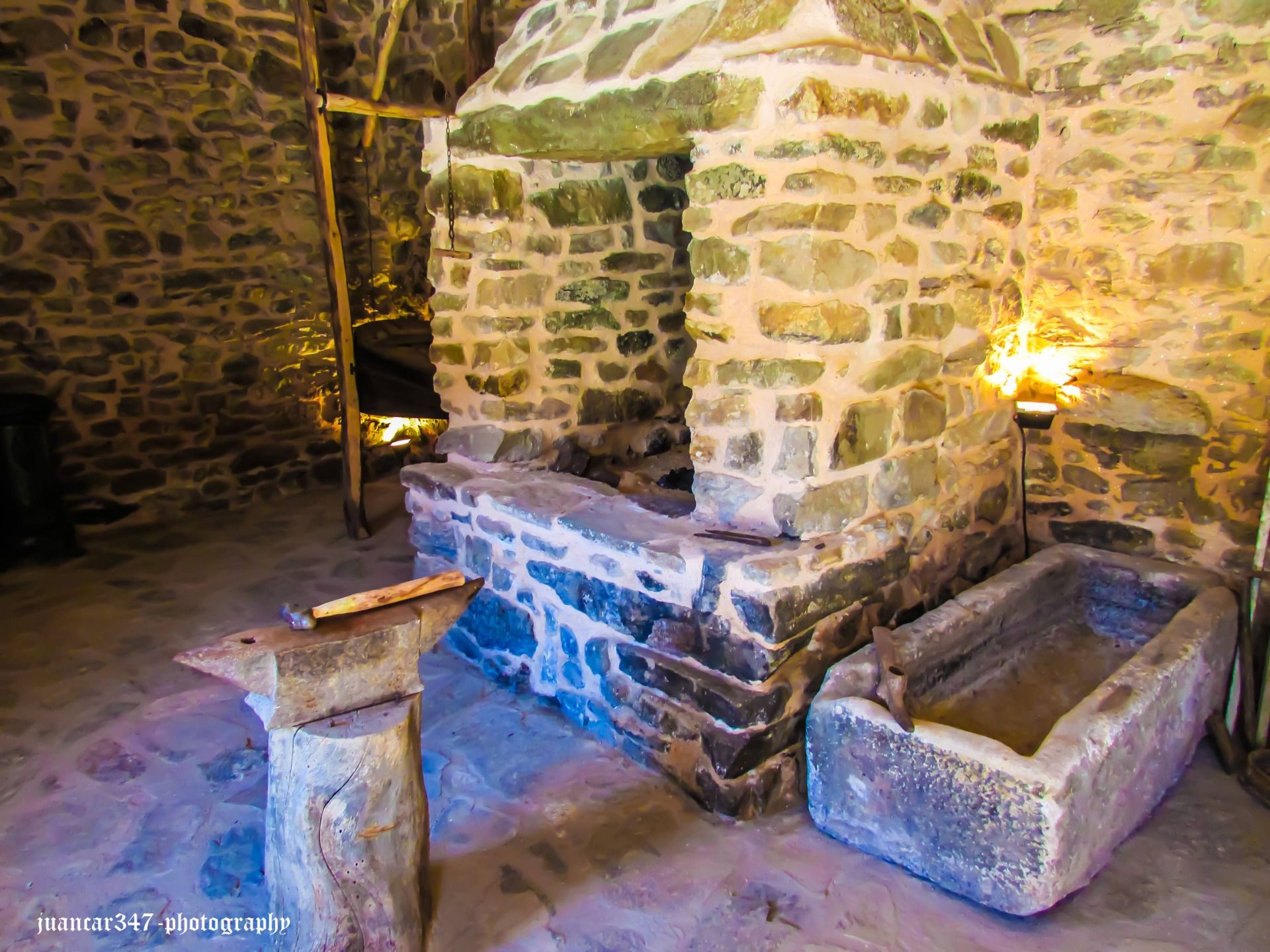
This confirmation, to our delight, is found in the restoration and conservation of some of Carrascosa's most important buildings, such as those that contributed to the common good, among which the old forge certainly stands out.
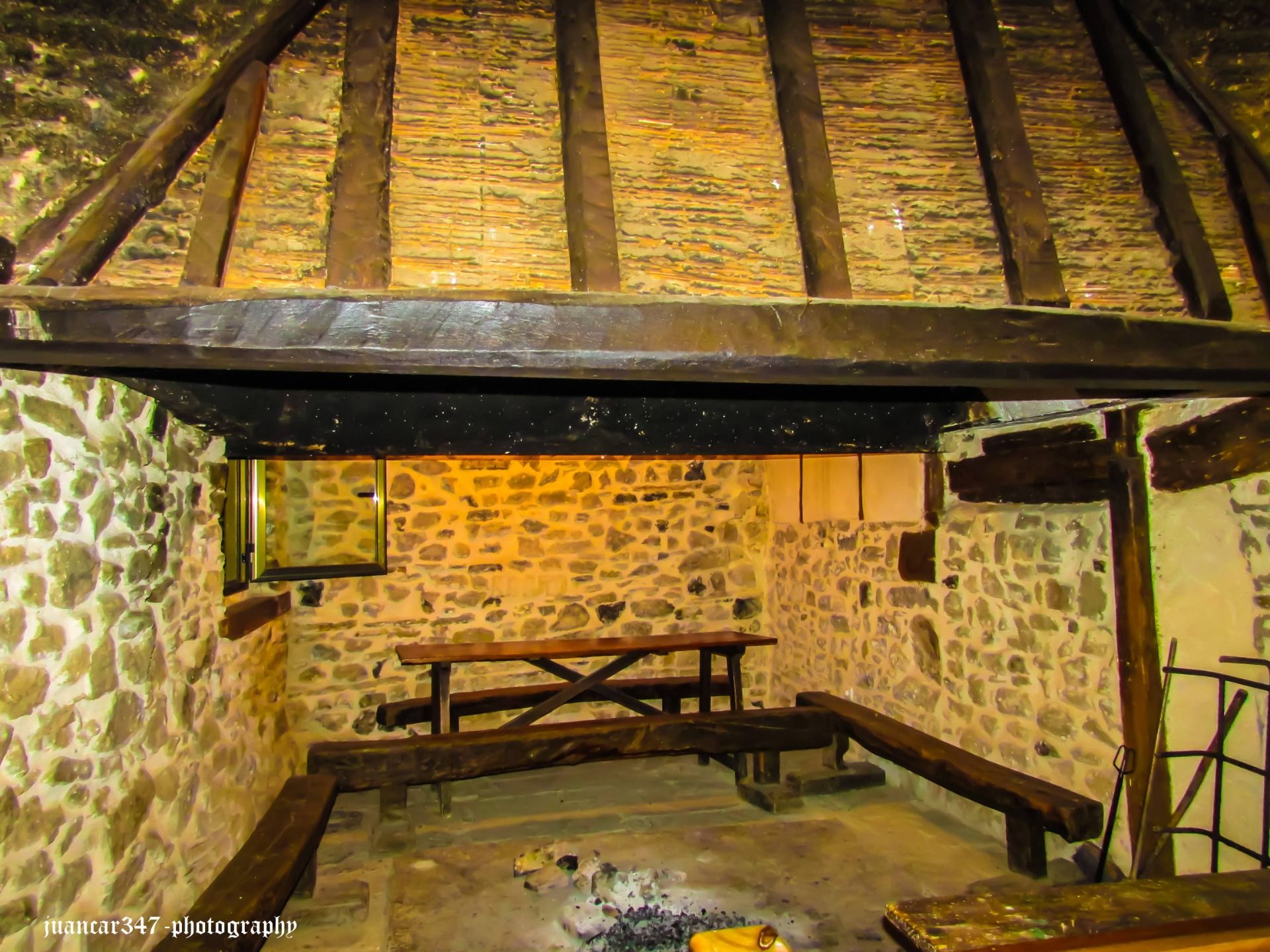
In addition to this, we were curious to see the well-preserved old medieval prison, but where we felt most at ease, perhaps because it inevitably evoked memories of our own childhood, was the communal house, open to all the residents. There, as the mayor confirmed, those old gatherings or "filandones" (storytelling sessions) were held, and continue to be held, around a good fire, where stories, legends, and even ordinary conversations always became unforgettable.
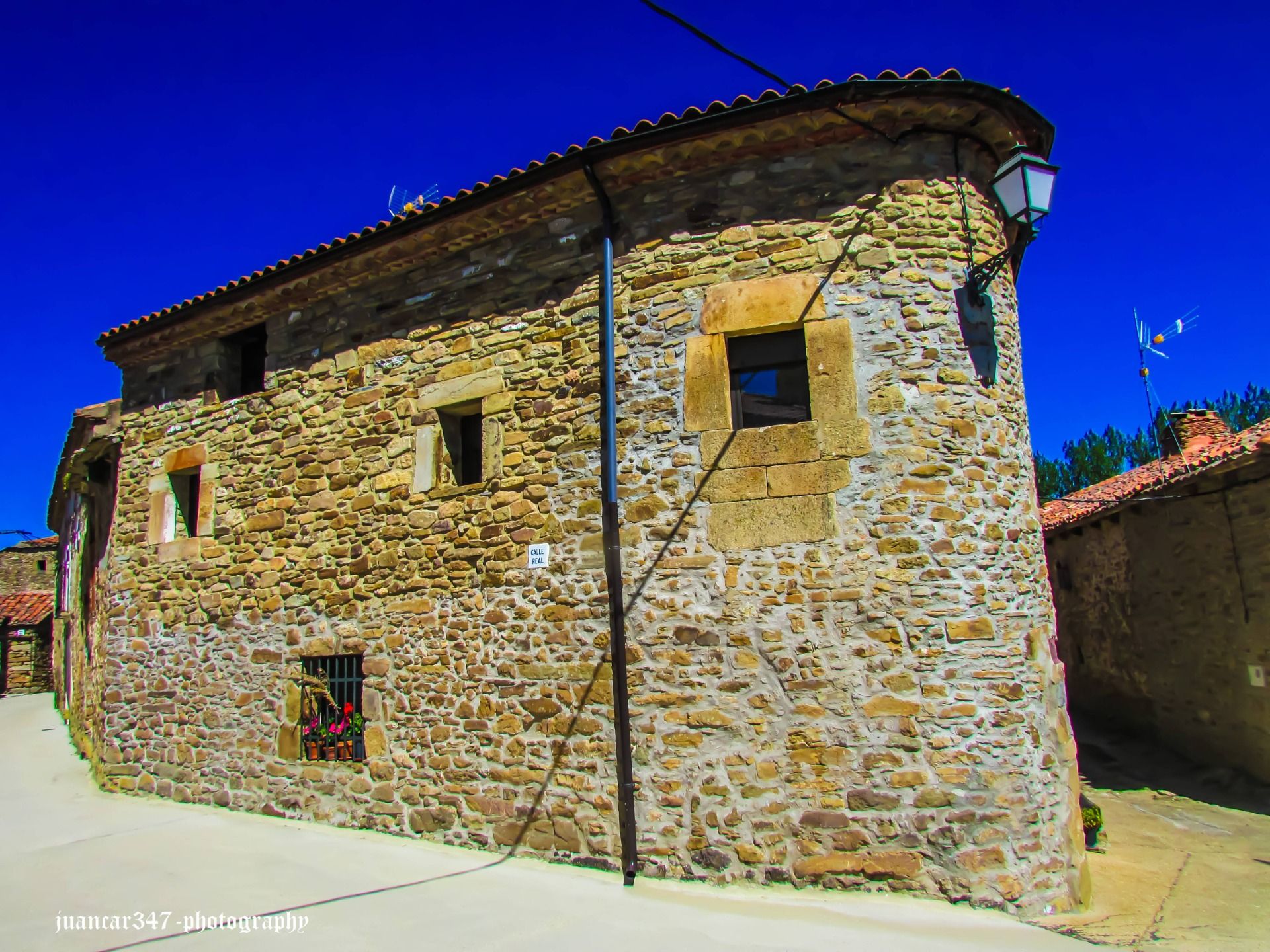
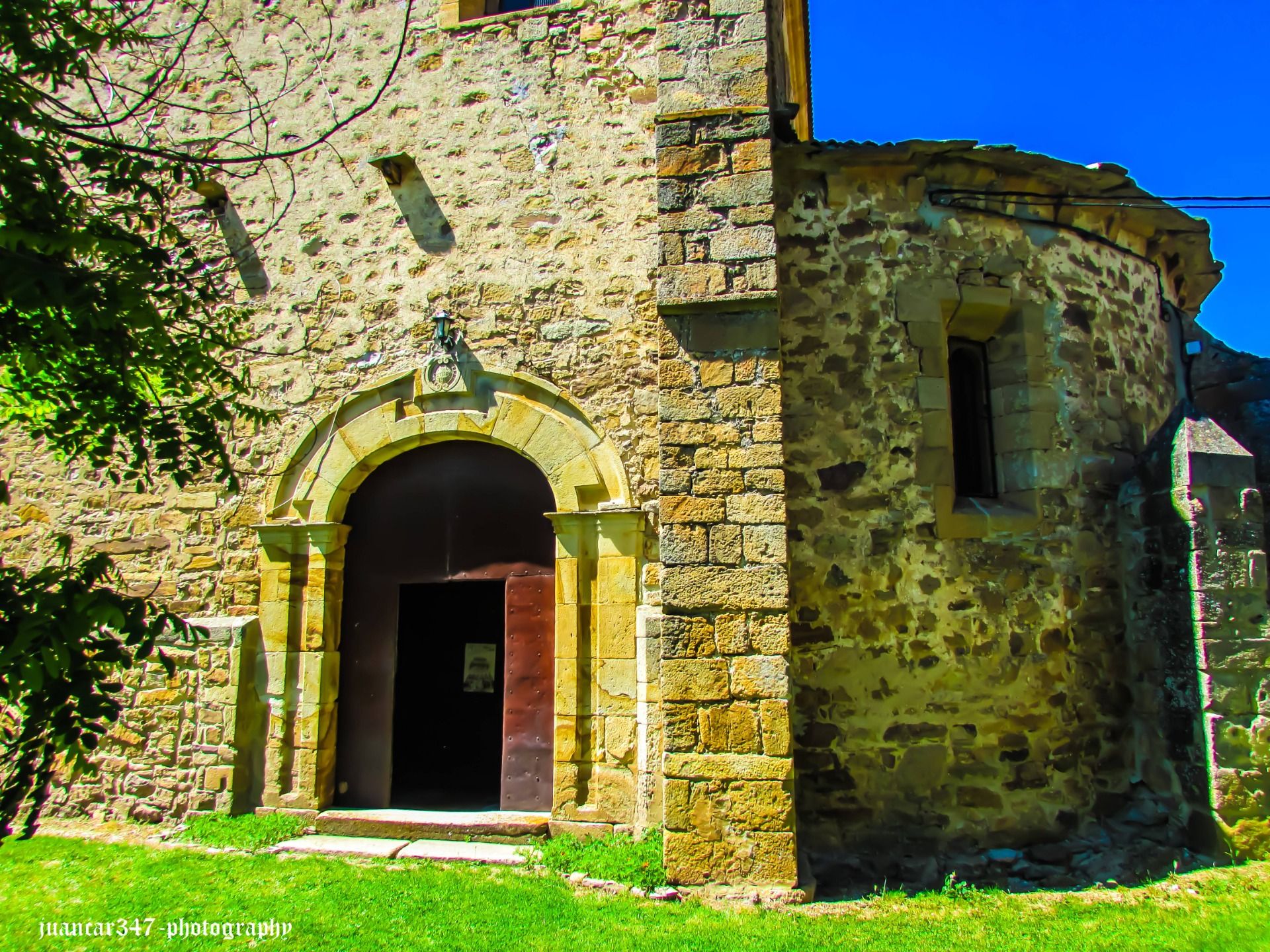
A village dedicated primarily to sheep farming and agriculture, Carrascosa, however, is notable for its parish church: a church which, as can be seen from the apse, was originally Romanesque and later, as was common in later times, was practically demolished to build what could be considered a hybrid, far from representing the sacred harmony that characterized this type of construction.
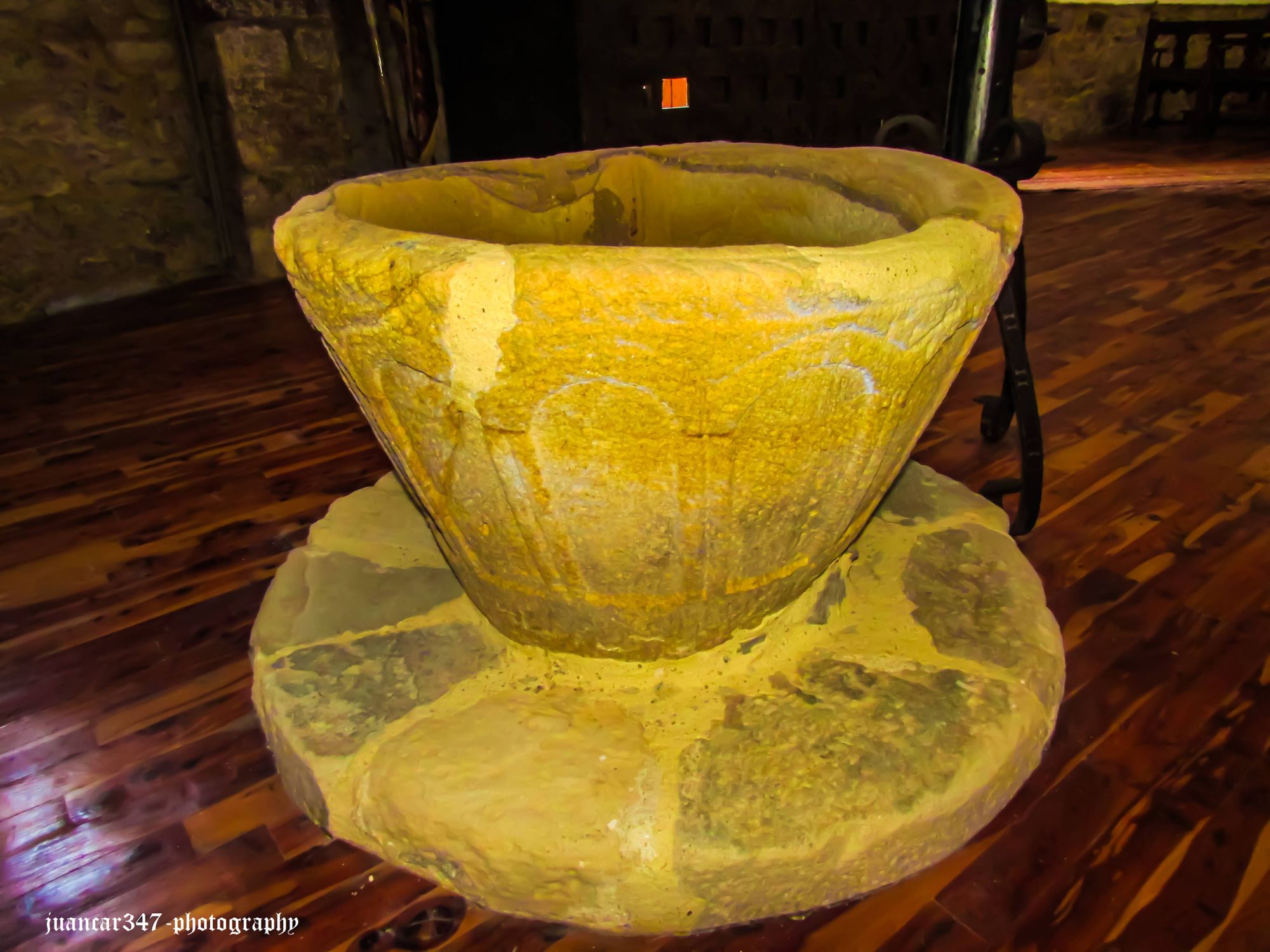
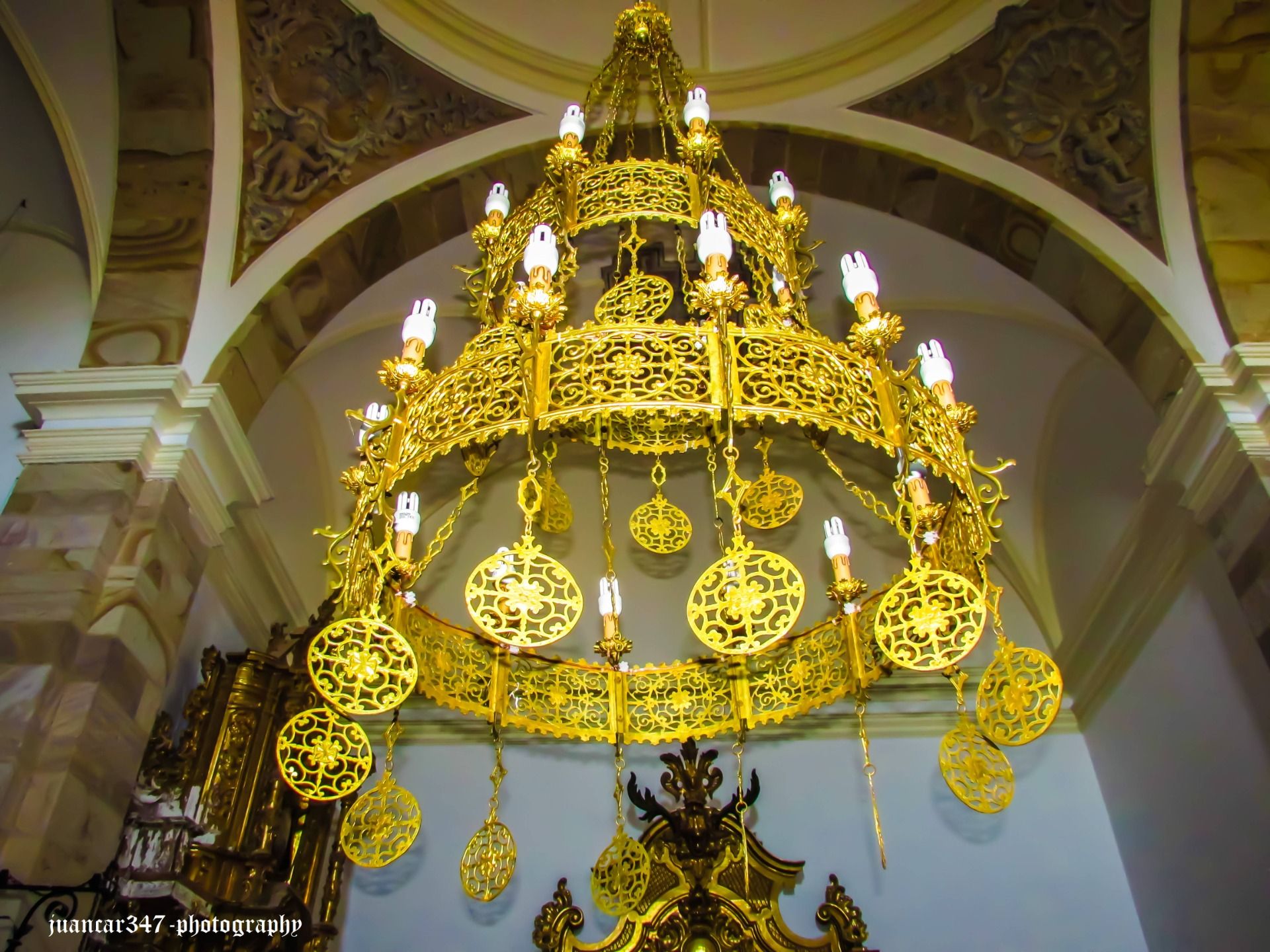
However, dedicated to Saint John the Baptist, a saint much celebrated by the people of Soria, whose feast day coincides with the summer solstice and whose Celtiberian bonfires are venerated during the festivities, the church still preserves the old Romanesque baptismal font and some curious details, such as the lamps, which, although modern, represent, by their shape, the ancient votive crowns of the Visigothic kings.
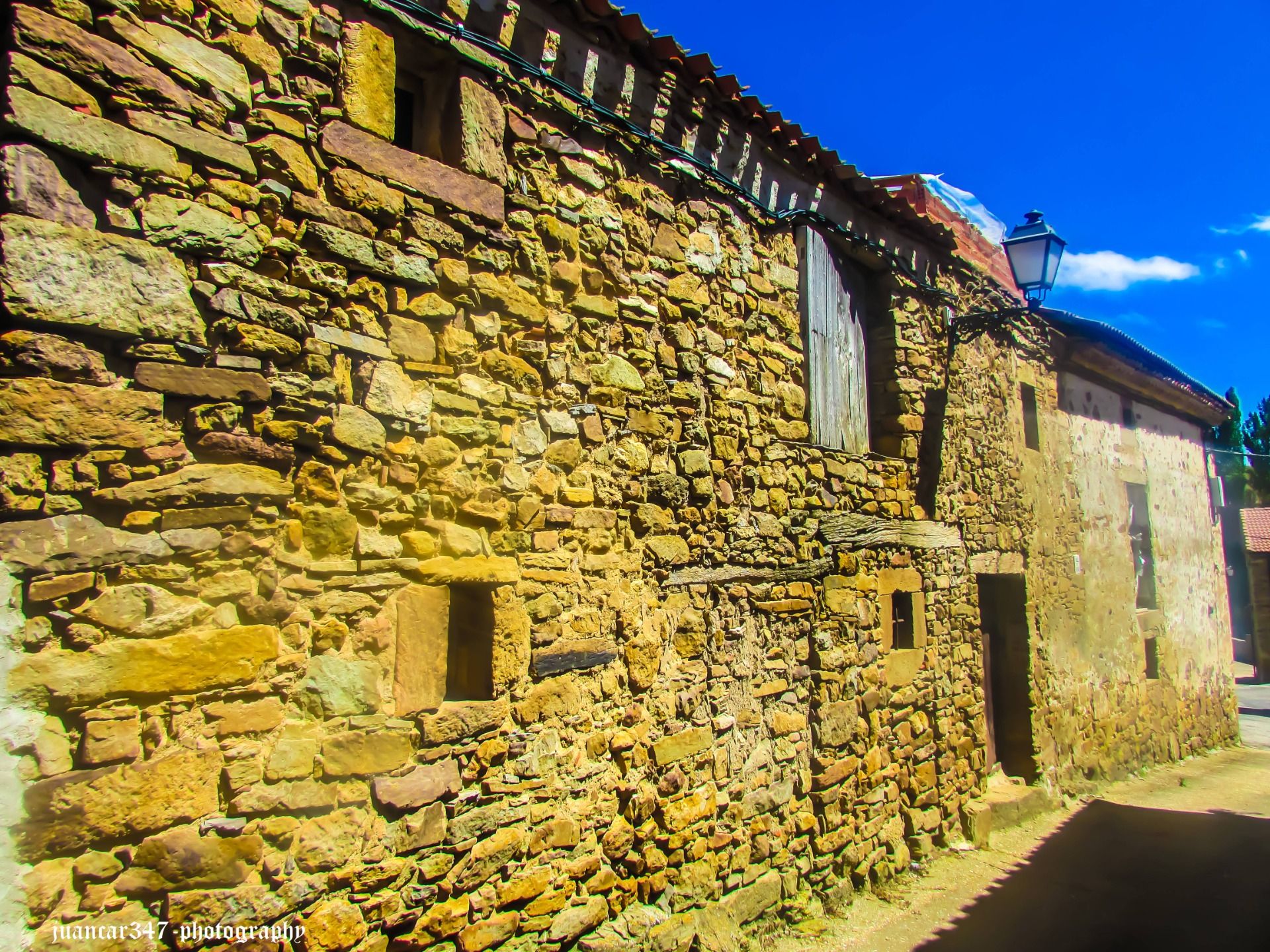
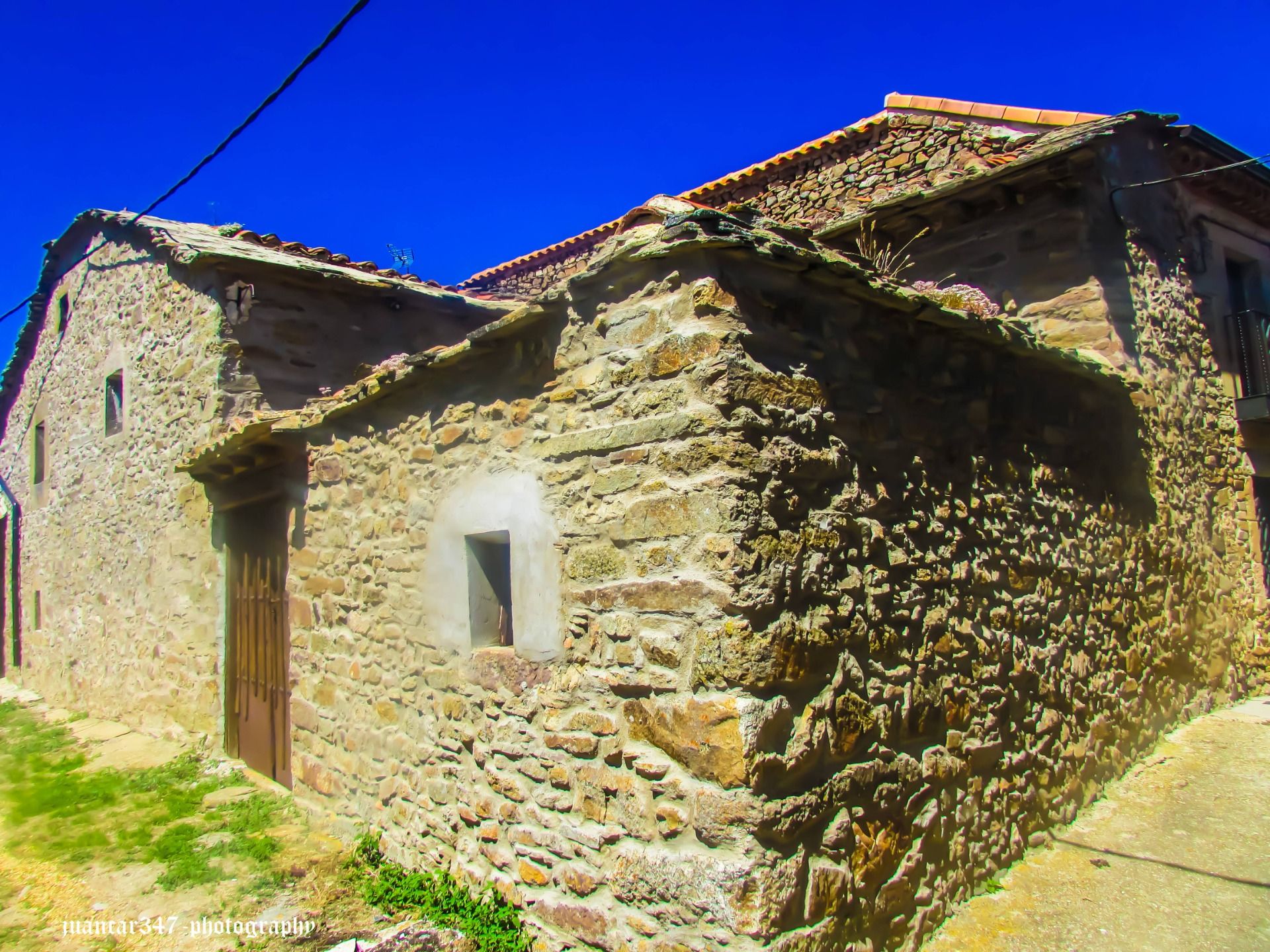
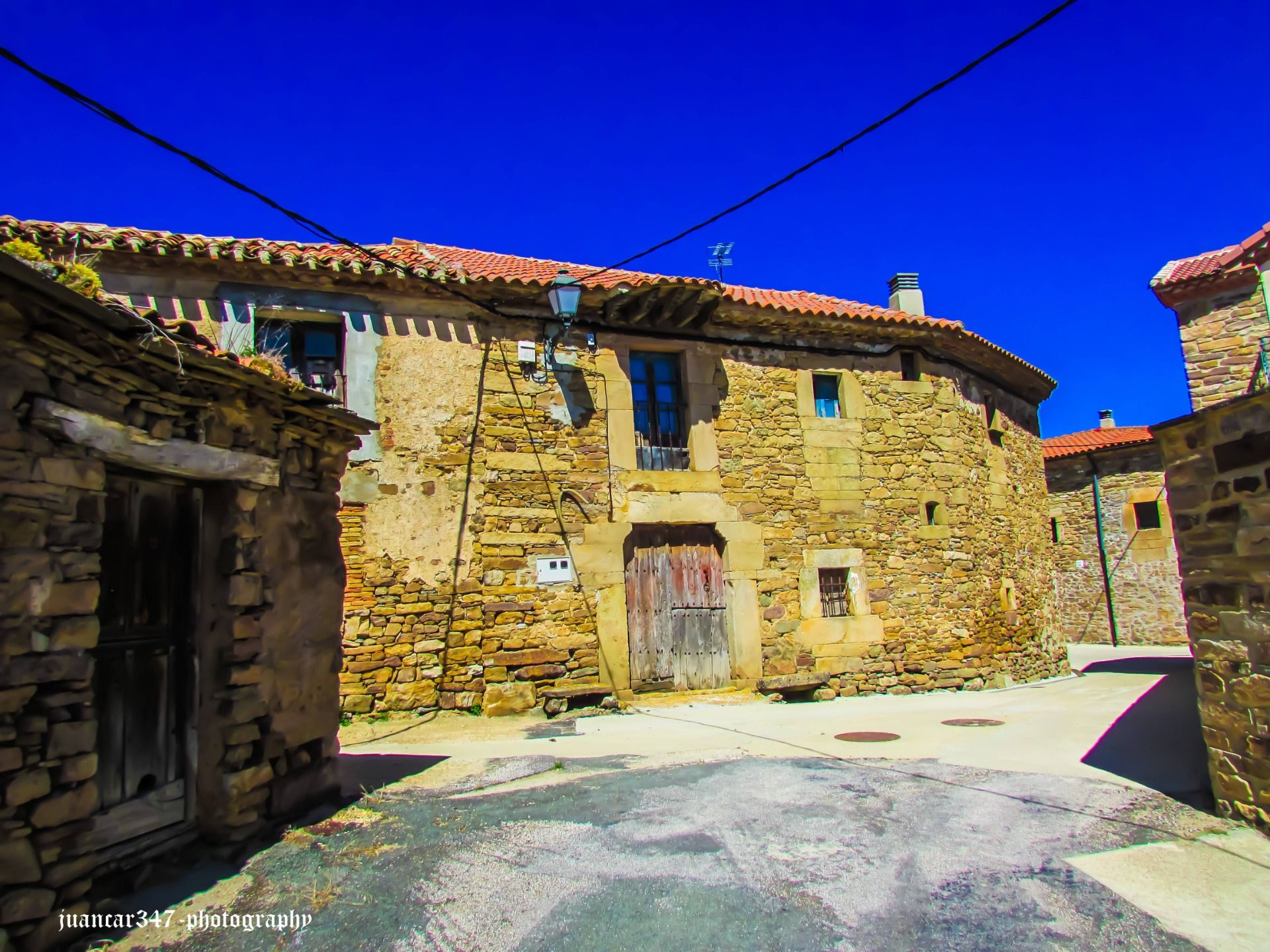
The architecture in Carrascosa, while not unlike that typical mountain architecture, and above all functional, is another of the town's noteworthy attractions, providing it with a particular charm that makes the place truly picturesque.
NOTICE: Both the text and the accompanying photographs are my exclusive intellectual property and are therefore subject to my copyright.