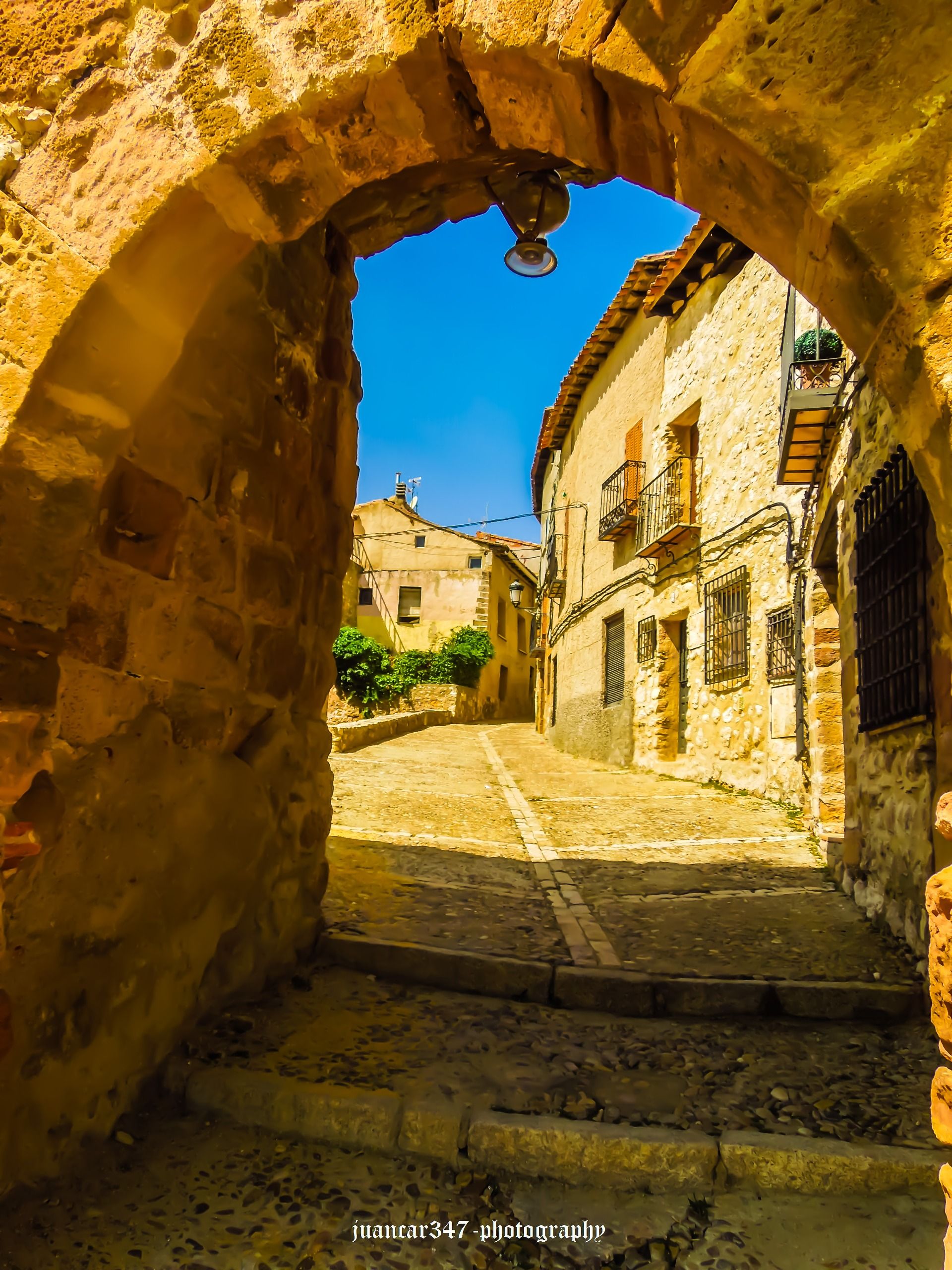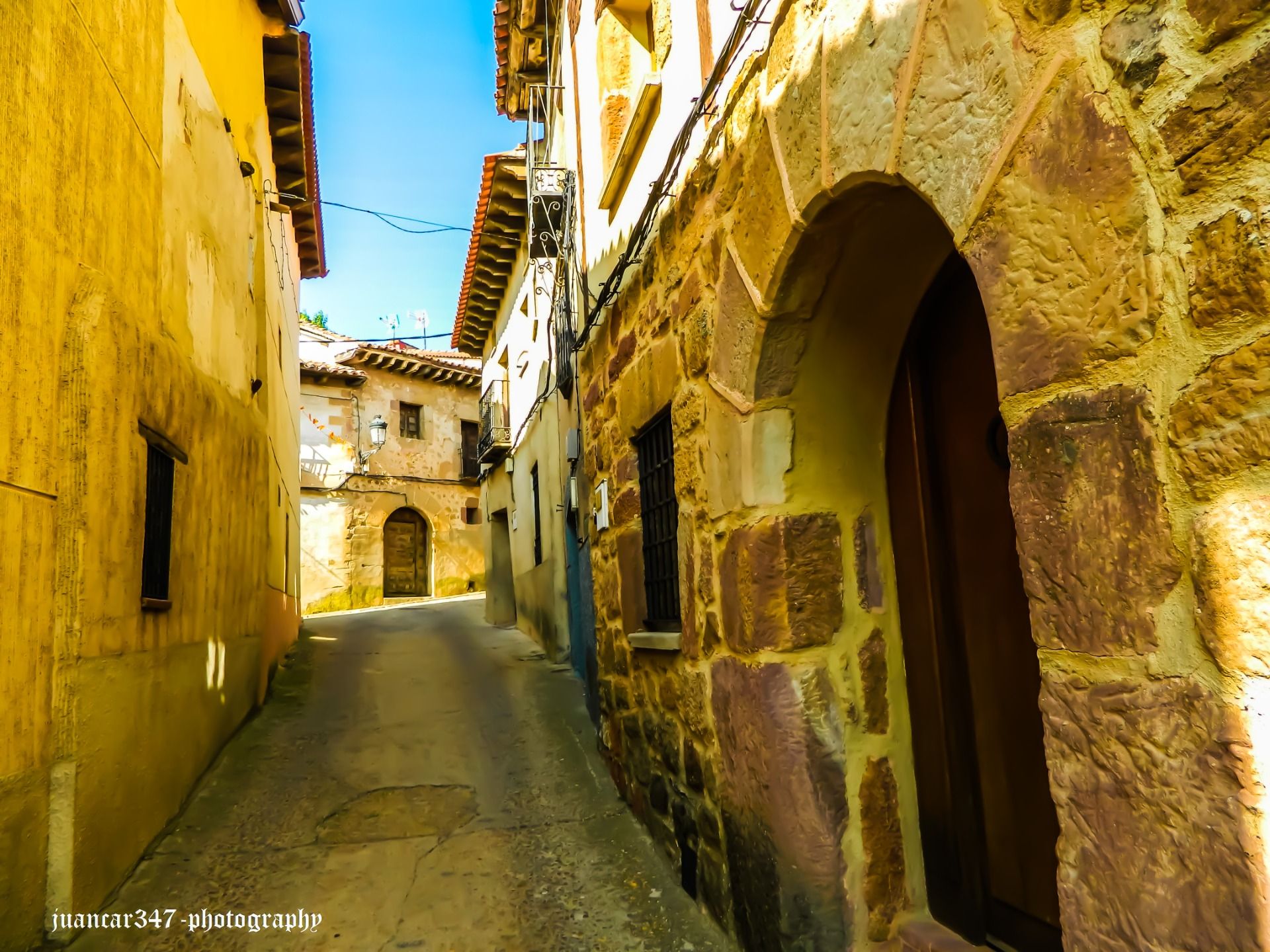

Albendiego, Campisábalos, and Somolinos, with their small natural lagoon fed by the heavy winter snowfalls, especially harsh in the area surrounding the Sierra de Pela, are left behind. And so, to our nostalgia, are their silences, their secrets, and that uncertain feeling that travelers often experience when they feel their soul has been totally or partially seduced.
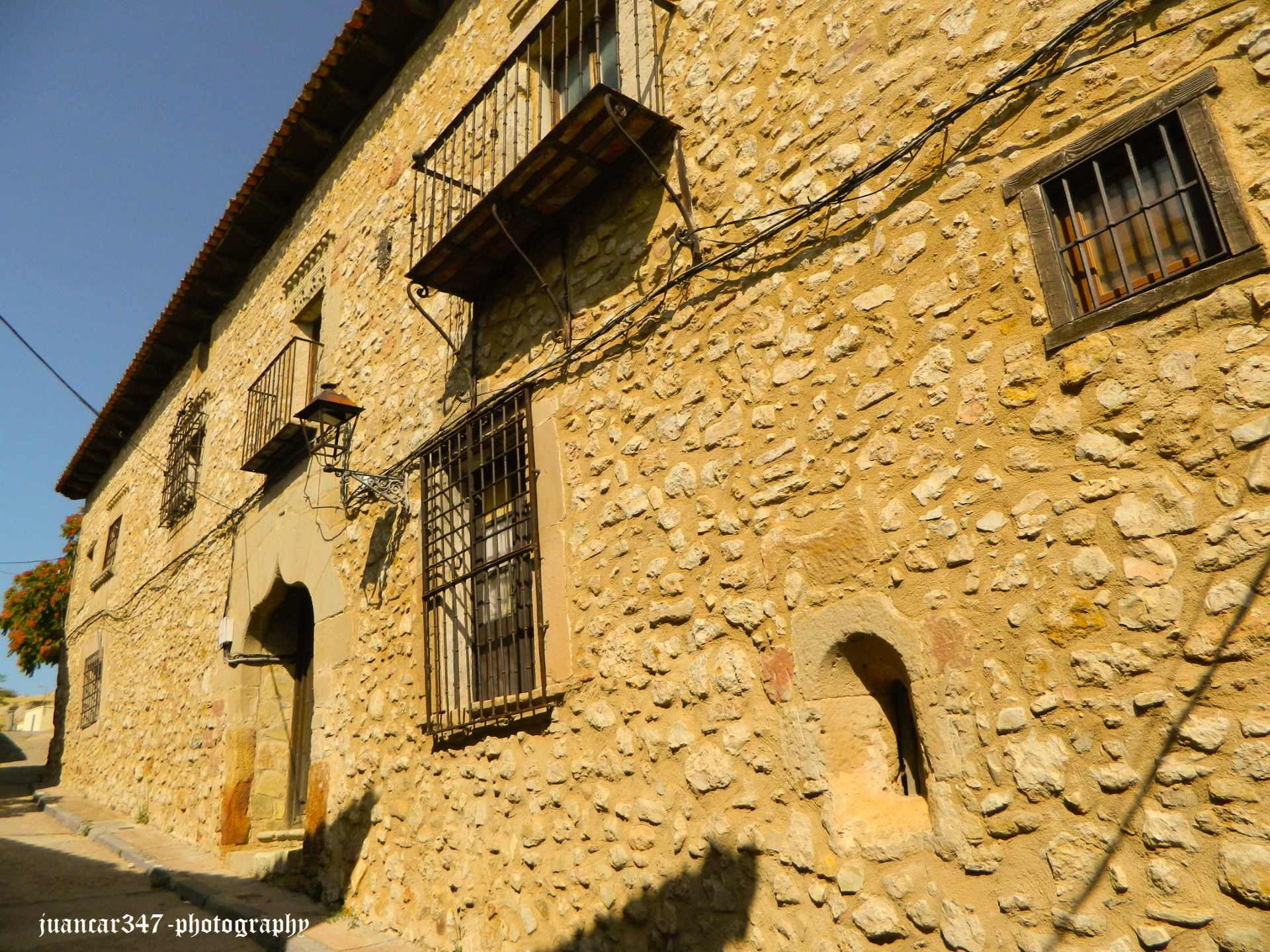
With the Ulysses syndrome accompanying us, we devour the distance that separates us from a metaphorical siren, whose name, Atienza, may be familiar to you, for in it, as in the neighboring Segovian town of Cuéllar, one of the oldest known festivals is still celebrated: the Caballada.
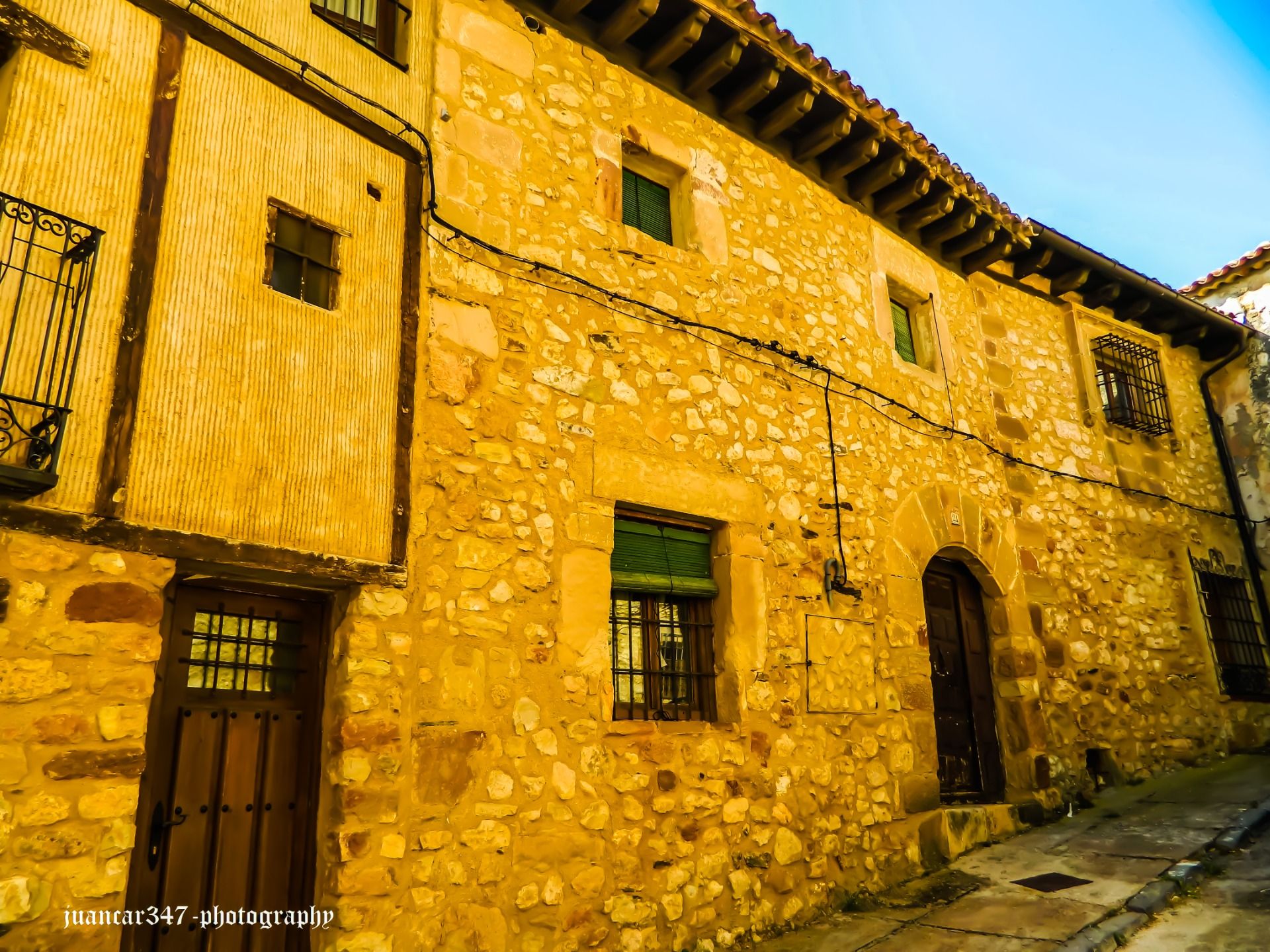
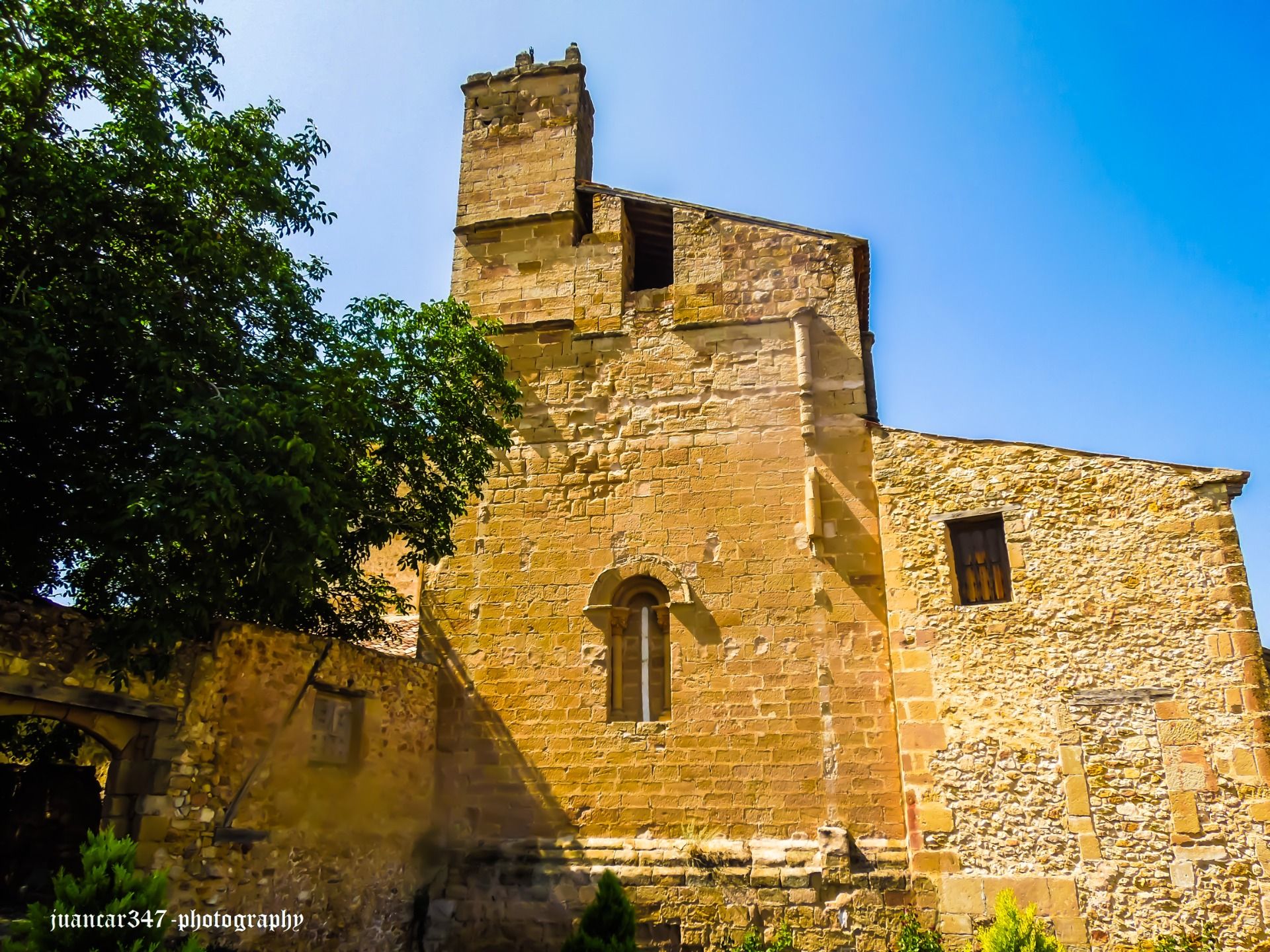
On this occasion, however, our focus is not on the festivities, but rather on the quiet richness of a Romanesque and medieval architecture that, although diminished and damaged by numerous circumstances—time being more than the only culprit—still possesses enough authority to challenge us to uncover some of its secrets.
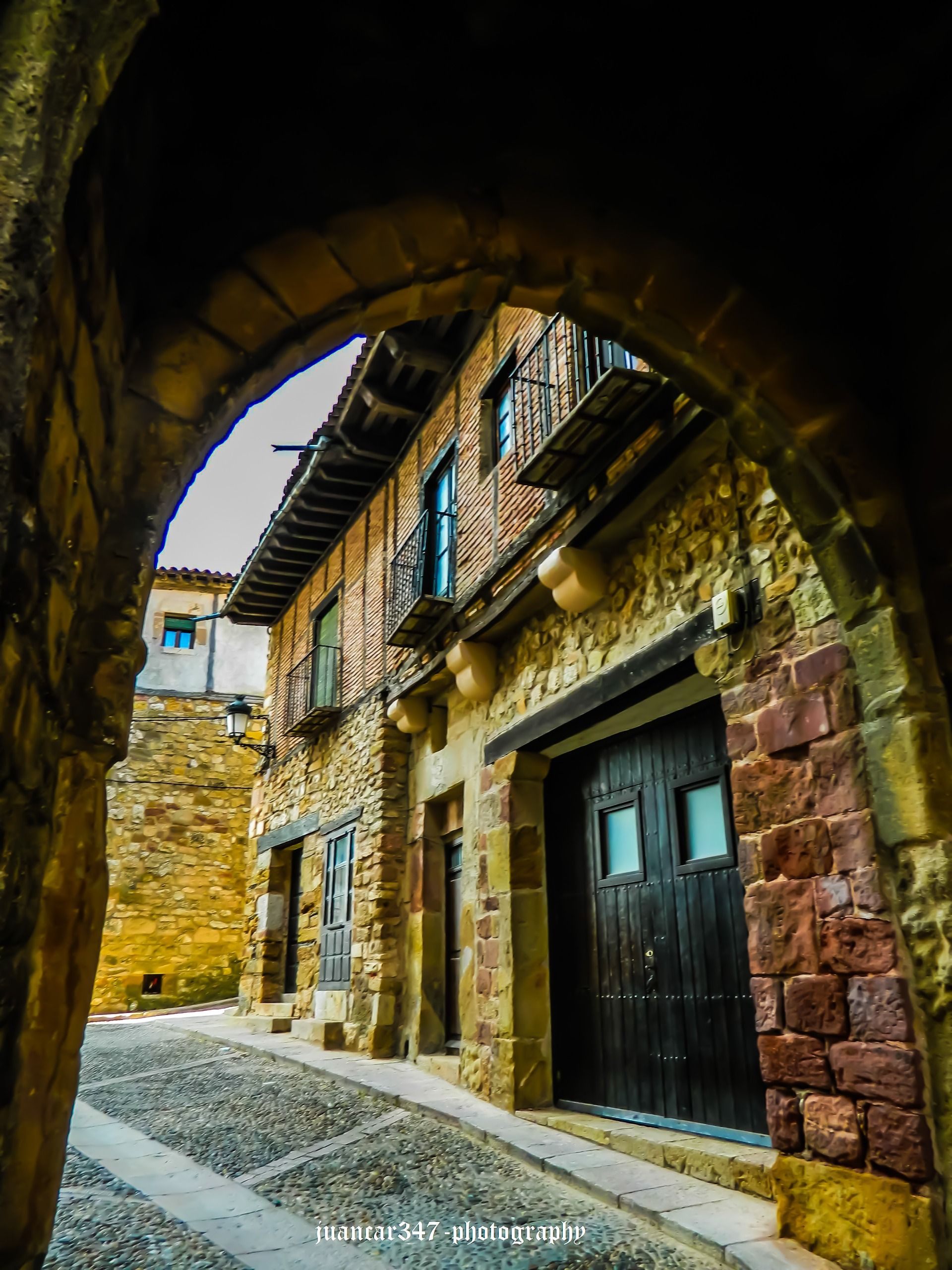
If the medieval architecture that still withstands the test of time, the changing styles, and the fashions that generally tend to lead to an ugly, discordant turning point and threaten the entire ensemble, we still have enough examples to allow ourselves to be seduced by the charm of strolling through its alleyways, where history, like the mythical city of Troy, described by Homer and discovered by Schliemann, has multiple layers, thus constituting a true journey through time, where reverie can still recreate not only those ancient conflicts between Christians and Muslims, but also those later cries for freedom, where the Comuneros, confronting imperial power, were silenced forever and buried with their purple banners.
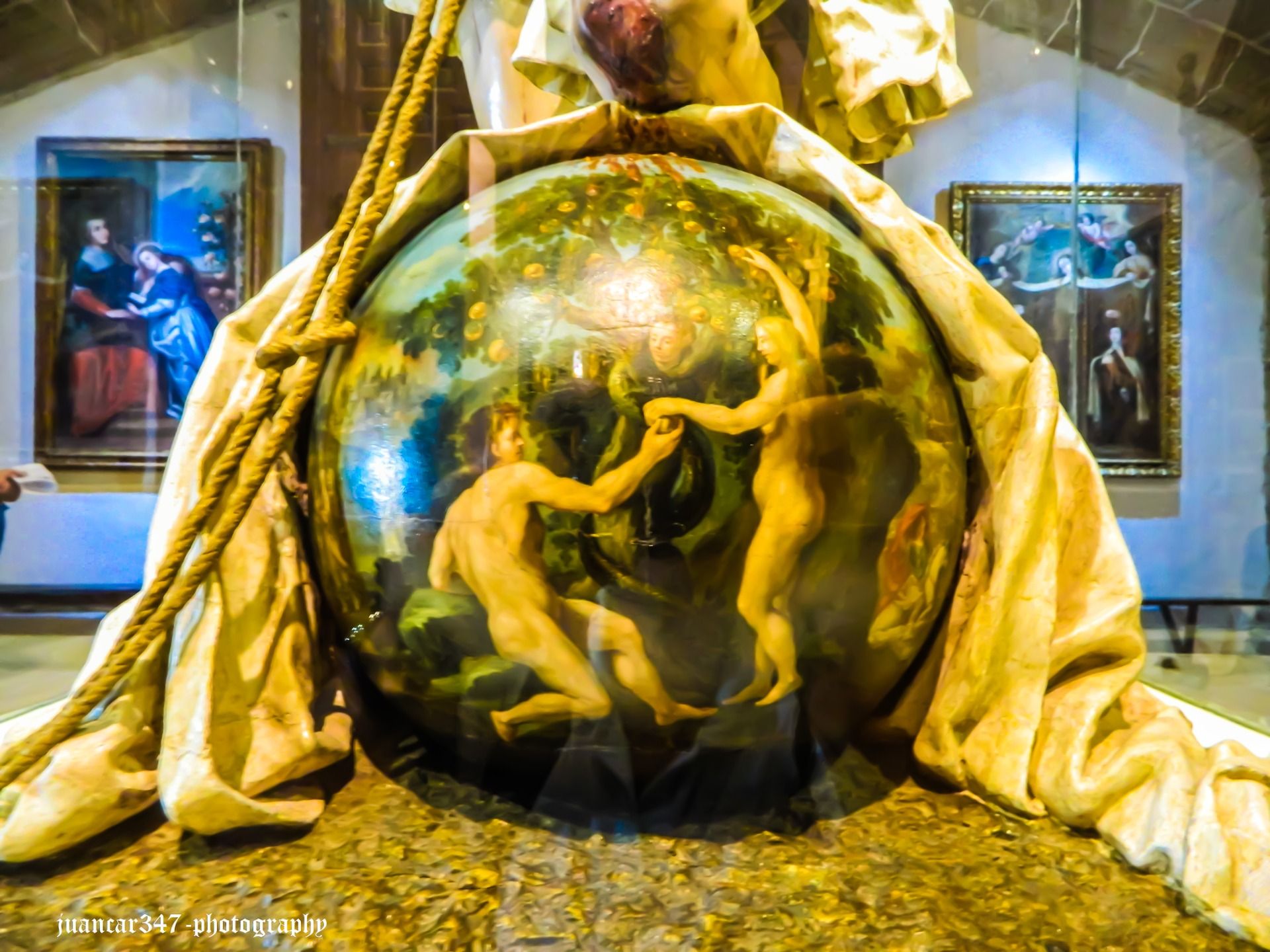
Religious architecture, the very same architecture that for centuries formed an essential part of the medieval cosmogonic narrative, has perhaps its oldest example in the highest part of the city, where the cemetery lies in the shadow of the castle and also in the weathered geometry of the Church of Santa María. On its main portal, erosion has distorted that original message, which, nevertheless, travelers and pilgrims recognized effortlessly.
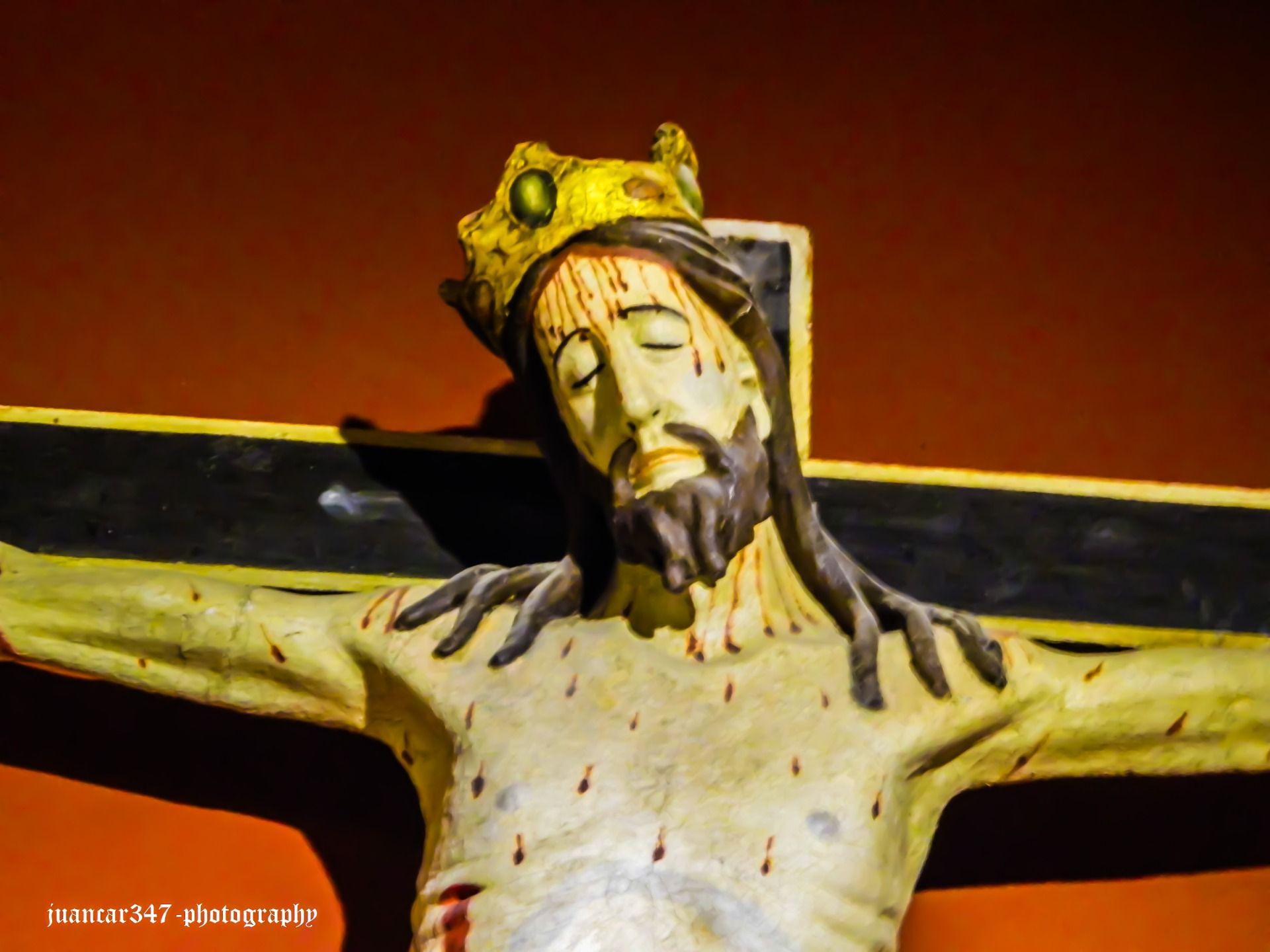
The rest, suffering the irreparable ravages not only of time but also of the loss of meaning and purpose that characterized a masonry that gradually lost its former mastery, have now become sacred museums. Fortunately, one can still find disparate pieces of a remarkable past there, which may offer suggestive clues to the researcher.
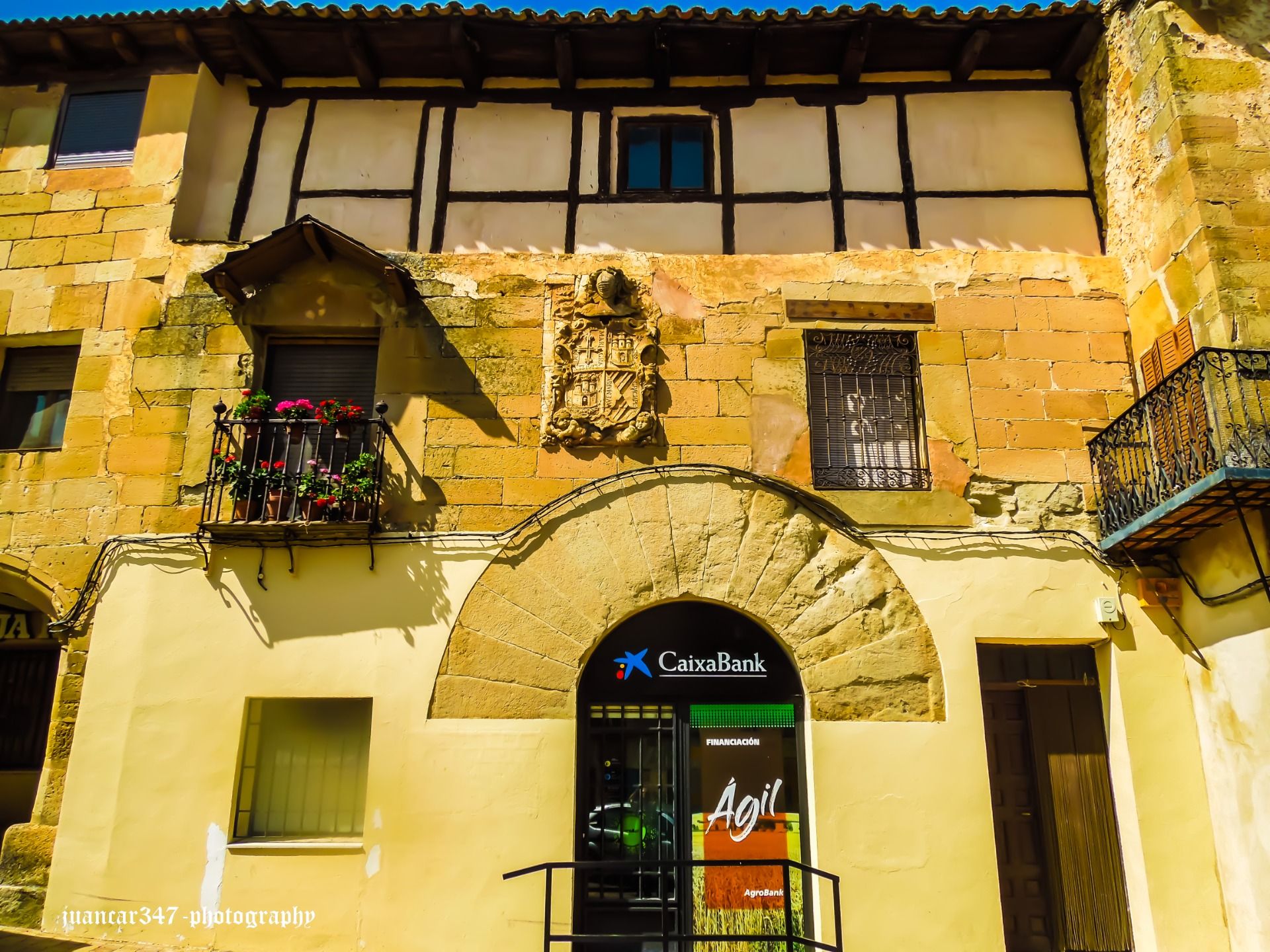
But despite everything, as we will see in subsequent posts, this important medieval town of Atienza, which in the time of Alfonso VIII—whom they protected from the murderous ambitions of both the Infantes de Castro and the more famous and unfortunate Infantes de Lara—still retains enough charm to make a visit a truly fabulous adventure.
NOTICE: Both the text and the accompanying photographs are my exclusive intellectual property and are therefore subject to my copyright.