 Buffalo, New York, United States
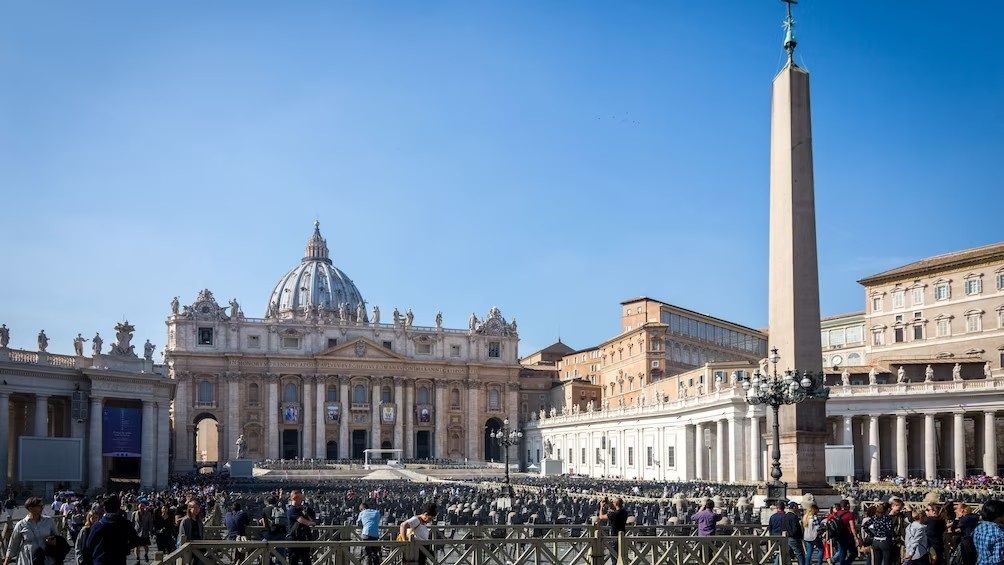
✨The site of Vatican City reveals itself as a historical and artistic destination which stands among the most magnificent cultural attractions in Europe
This Vatican City travel guide invites you to explore one of Europe’s most magnificent cultural destinations. From sacred relics to Renaissance masterpieces, Vatican City offers a journey through time, faith, and art. As the world’s smallest independent nation, it holds treasures that captivate history lovers, art enthusiasts, and spiritual seekers alike. Whether you're admiring the Sistine Chapel or walking through centuries-old courtyards, every moment in Vatican City feels timeless.
🏛️ A Deep Dive into Vatican History
🌿 Ancient Beginnings
· Ager Vaticanus was the original name for the present-day Vatican City area which existed as a damp region in the Tiber River's western bank.
· The villa district and necropolis status developed at this location under the Roman Empire after it became a district of villas. Saint Peter received martyrdom at the site when Nero expanded the circus that Caligula first constructed in 64 AD.
✝️ Rise of Christianity
• The Edict of Milan in 313 AD led Emperor Constantine to legalize Christianity which led him to start constructing the original St. Peter’s Basilica as the tomb of Saint Peter in 324 CE2.
• People quickly started visiting the site to make pilgrimages because it became a central location for spiritual identity.
🏰 Medieval Fortification
• Pope Leo IV established the Leonine City when Saracen pirates attacked Rome in 846 CE through the construction of defensive walls around the basilica.
• After the papacy moved from Avignon to Rome in 1377 the Vatican area began to grow in significance.
🎨 Renaissance Transformation
• A cultural explosion occurred throughout the 15th to 16th centuries. Popes like Sixtus IV, Julius II, and Leo X
• Through commissions from popes including Sixtus IV and Julius II and Leo X the Vatican became the central location of Renaissance artistic expression which transformed into a global art beacon. commissioned works from Michelangelo, Raphael, and Bramante, reshaping the Vatican into a beacon of Renaissance art3.

• The Sistine Chapel along with Raphael Rooms and the new St. Peter's Basilica functioned as representations of papal authority as well as artistic sponsorship.
🕊️ Modern Sovereignty
• In 1929 the Lateran Treaty formed Vatican City into an independent state that separated from the previous Papal States.
• It functions as the religious and administrative headquarters of the Roman Catholic Church under the governance of the Holy See while maintaining its status as an independent sovereign state.
🎨 What to See on a Vatican Tour

Most guided tours provide both skip-the-line capabilities as well as professional guide services. Here are the highlights:
🎨 Sistine Chapel: Michelangelo’s Divine Canvas
The Sistine Chapel serves as the spiritual and artistic core of Vatican City because architect Giovanni dei Dolci constructed it between 1473–1481 for Pope Sixtus IV. The exterior façade presents a humble appearance but the interior space showcases the Renaissance artistic mastery.
🌌 Michelangelo’s Ceiling

• The ceiling received its artwork between 1508–1512 when Michelangelo painted nine central Book of Genesis panels that include the famous scene where God and Adam share a close hand contact.
• Twelve prophetic figures—seven prophets and five sibyls—form a circular arrangement above the central panels to predict Christ's arrival.
• The artist spent long days painting on a scaffold platform above his back while he worked on this creation which shifted Western art history.
⚖️ The Last Judgment
• The massive fresco located behind the altar depicts Christ's return to Earth along with the final judgment of human souls during the period between 1535 and 1541.
• Michelangelo used his mature artistic approach to create figures that displayed dramatic power and deep religious feeling while maintaining their human nature.
🖼️ Side Walls & Papal Use

• The walls feature early frescoes by Botticelli, Perugino, Ghirlandaio and other artists who depicted scenes from Moses and Christ.
• The chapel maintains its role for electing new popes through papal conclaves while hosting special liturgical functions.
🖼️ Vatican Museums: A Labyrinth of Masterpieces
The Vatican Museums originated in 1506 when Pope Julius II purchased the Laocoön sculpture before expanding into 54 galleries which display about 70,000 artworks but show only 20,000 pieces.
🏛️ Highlights to Explore
• The School of Athens, a classical philosophical tribute by Raphael, appears in the Raphael Rooms (Stanze di Raffaello) along with other works by his workshop.
• A 120-meter corridor in the Gallery of Maps displays 16th-century Italian maps which are meticulously painted.
• The Flemish tapestries in the Gallery of Tapestries reproduce Raphael’s cartoons through their depiction of Christ’s life scenes.
🗿 Classical Antiquities
· The Pio-Clementino Museum houses two of the most renowned ancient sculptures: Belvedere Torso and Apollo Belvedere.
· The Gregorian Egyptian & Etruscan Museums display artifacts which include Etruscan jewelry alongside mummies and sarcophagi from ancient cultures.
🖌️ Modern & Ethnological Collections
• Contemporary Religious Art: Works by Van Gogh, Dalí, and Chagall.
• The Ethnological Museum: Showcases artifacts from worldwide indigenous cultures to demonstrate the Church's universal reach.
⛪ St. Peter’s Basilica: The Soul of Christendom
The first pope Saint Peter lies buried beneath the largest church worldwide which combines Renaissance and Baroque architectural elements.
🏗️ Architectural Legacy
• The original basilica obtained its foundation from Emperor Constantine in the fourth century.
• The current building of St. Peter's Basilica started in 1506 when Pope Julius II initiated the project and Bramante, Michelangelo, Maderno and Bernini made their contributions.
• The dome of Michelangelo stands as one of Rome's most recognized landmarks although it was finished after his death.
🌟 Must-See Highlights

• Pietà by Michelangelo depicts Mary cradling the crucified Christ when the artist was only 24 years old.
• The Dome Climb where visitors can reach the top of the dome by using either the 551-step staircase or a partial elevator ride to enjoy spectacular views of Rome and Vatican City.
• St. Peter’s Tomb & Vatican Necropolis where there exists a 1st-century necropolis which might contain the resting place of Saint Peter.
• The papal altar features Bernini's Baldachin which uses Pantheon metal to create its towering bronze canopy.
🚀 Insider Tips to Skip the Lines at the Vatican
Visitors exceeding 5 million annually experience overwhelming congestion at the Vatican Museums, Sistine Chapel and St. Peter’s Basilica particularly during summer months. Through proper preparation readers can prevent delays and experience an enriching and stress-free visit.
🎟️ 1. Book Skip-the-Line Tickets in Advance
- Why it matters: On-site tickets can mean 2–3 hour waits.
- How to do it: Purchase timed-entry tickets directly from the official Vatican Museums site or through trusted platforms like Tiqets or GetYourGuide.
- Bonus: Some platforms offer combo passes that include fast-track entry to other Roman landmarks.
🧑🏫 2. Join a Guided Tour
- Priority access: Most guided tours include skip-the-line entry and early access options.
- Added value: Expert commentary, curated routes, and access to hidden gems like the Vatican Gardens.
- Top pick: Morning or semi-private tours for a quieter, more intimate experience.
🌙 3. Opt for Off-Peak Hours
- Best times: Early morning (before 9 AM) or late afternoon (after 3 PM).
- Evening tours: Some operators offer night visits with fewer crowds with enchanting evening experiences.
📱 4. Use a City Pass
• The Rome Tourist Card and Rome Digital Pass enable Vatican Museum visitors to bypass lines while providing access to the Colosseum and Pantheon and additional attractions.
• The combination is perfect for visitors who want to see multiple attractions throughout their brief trip.
🧠 Pro Tips for a Smooth Entry
• Dressing appropriately is important. Visitors must cover their shoulders and knees since security personnel will deny access to anyone failing to meet this requirement.
• Avoid visiting on Mondays and Sundays because Mondays attract large crowds from weekend closures while Sundays have restricted access except for the last Sunday of the month when entry becomes free but crowds become overwhelming.
• Check closures by verifying official site information about gallery closures and restoration schedules before making your bookings.
• Booking in advance becomes necessary especially when customers want to reserve night tours or small-group experiences4.
🧳 What to Wear: Respectful & Comfortable Vatican Attire
Vatican City stands as a holy place which maintains a dress code suitable for its spiritual nature. Visitors must maintain proper modest dress to gain entry to the Sistine Chapel, St. Peter’s Basilica, and the Vatican Museums.

✅ Dress Code Essentials
• Visitors must be sure to Cover shoulders and knees. The Sistine Chapel and Vatican Museums along with St. Peter’s Basilica enforce a dress code that prohibits sleeveless tops and short shorts and miniskirts.
• Men need to remove hats while women must stay away from clothing featuring offensive designs and large tattoos.
• The summer heat requires light-layered outfits that combine maxi dresses with linen trousers and lightweight cardigans.
• Comfortable walking shoes represent the essential footwear for visitors because they can choose between stylish sneakers or supportive sandals.
• Carry a scarf or shawl to your summer visit to Vatican City because you will need it to cover your shoulders when visiting religious sites.
🌤️ Best Times to Visit Vatican City
The time of your visit plays a crucial role in determining whether you will experience tranquility or encounter heavy crowds.
📅 Best Seasons
• During Spring from March to May and Fall from September to October visitors can enjoy comfortable weather alongside smaller crowds.
• The Vatican City remains calm during winter months except when Christmas and New Year celebrations take place.
🕰️ Best Days & Times
- Midweek visits (Tuesday, Thursday, Friday) are less crowded than Mondays or weekends.
- Afternoons after 2 PM are quieter than mornings, which tend to be packed.
- VIP early access tours (starting at 7:30 AM) offer a peaceful, crowd-free experience.
🏛️ Want to See the Vatican Like an Insider?

If today’s newsletter has you picturing the grandeur of St. Peter’s Basilica or the intricate beauty of the Sistine Chapel, there’s a way to experience it all without the overwhelm.
Expedia offers a thoughtfully paced, expert-guided tour that covers Rome’s two most iconic landmarks in one day—the Colosseum in the morning, and the Vatican Museums and Basilica in the afternoon. It’s led by knowledgeable guides who bring centuries of history to life, and it’s designed to skip the long lines so you can focus on the experience.
I’m sharing it not as a pitch, but as a resource—especially if you’re dreaming of Rome and want a smooth, enriching way to explore its heart.
Explore the full-day Vatican & Colosseum tour on Expedia
🧳 Rome Packing Tips: Style, Comfort & Smart Travel Gear
Whether you're strolling through Trastevere or climbing the dome of St. Peter’s, Rome rewards travelers who pack smart. Here's how to dress for the seasons and what essentials to bring for a smooth, stylish trip.
👗 What to Wear in Rome by Season
Rome is fashion-forward but practical. Locals favor tailored looks, neutral tones, and seasonal layering. Here's how to blend in and stay comfortable:
🌸 Spring (March–May)
- Weather: 54–75°F (12–24°C), occasional rain
- Style Tips: Light trench coat or denim jacket, breathable blouses, midi skirts or jeans, closed-toe loafers or sneakers
- Extras: Travel umbrella, waterproof shoes
☀️ Summer (June–August)
- Weather: 77–95°F+ (25–35°C+), hot and sunny
- Style Tips: Linen dresses, flowy tops, wide-brimmed hat, stylish sandals with arch support
- Church Tip: Carry a lightweight scarf to cover shoulders and knees
🍂 Fall (September–November)
- Weather: 59–79°F (15–26°C), cooler evenings
- Style Tips: Lightweight sweaters, cropped jeans, trench or leather jacket, ankle boots
- Color Palette: Earth tones like camel, olive, and burgundy
❄️ Winter (December–February)
- Weather: 46–55°F (8–13°C), rainy and chilly
- Style Tips: Wool coat or puffer jacket, thermal tops, waterproof boots, gloves and knit accessories
- Fashion Note: Romans still dress sharp—tailored coats go a long way
