 France

Getting Started: The Excitement and Challenge
Planning my first Europe trip felt exciting and overwhelming at the same time. I had always dreamed of walking through historic streets, riding scenic trains, and experiencing different cultures within a short distance. But when I finally decided to make it happen, I realized that Europe isn’t just one destination, it’s a mix of countries, languages, currencies, and travel styles. So I knew I needed a proper step-by-step plan instead of booking random flights and hoping for the best.
Budgeting and Finding Affordable Destinations

The first thing I researched was budgeting. Europe has a reputation for being expensive, but I quickly learned that it depends on where you go. While researching, I came across guides about the Cheapest Countries to Visit in Europe, and that completely changed my approach. Instead of focusing only on popular cities, I balanced my itinerary with more affordable destinations. This helped me stretch my budget without compromising on experiences. I created a rough cost estimate covering flights, accommodation, food, transport, and sightseeing, so I knew how much I needed to save.
Choosing Duration and Route
The second step was deciding the duration and route. I had two weeks, so I avoided trying to “see everything.” Instead, I chose a logical route to minimize travel time between cities. I used train route maps and flight comparison tools to understand connectivity. Europe’s transport system is incredibly efficient, and I found that trains were not only convenient but also scenic and comfortable.
Visa and Documentation Planning
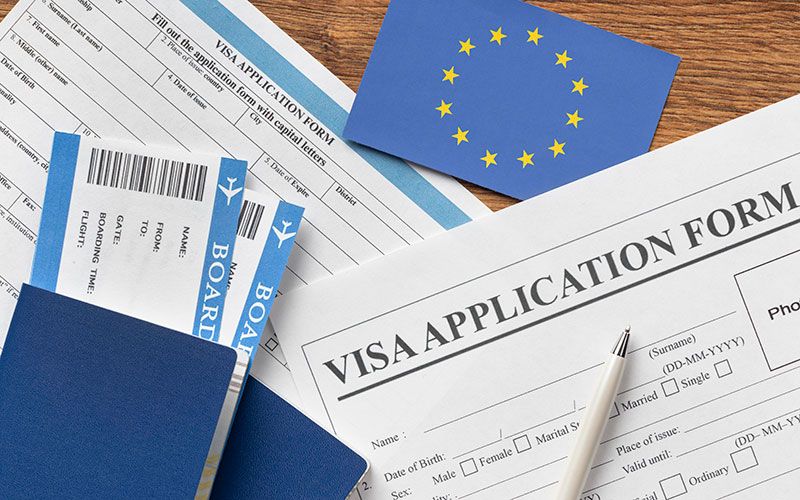
Next came visa and documentation planning. Since many European countries fall under the Schengen Zone, I applied for a Schengen visa well in advance. I carefully prepared my documents, flight reservations, hotel bookings, travel insurance, and a detailed itinerary. This step required attention to detail, but once approved, I felt one step closer to my dream trip.
Accommodation Planning
Accommodation was another important part of my planning. I compared hotels, hostels, and short-term rentals depending on the city and my budget. In some places, I chose budget stays to save money, while in others I allowed myself a slightly better experience. Booking early helped me secure better deals.
Creating a Flexible Daily Itinerary
Finally, I created a flexible daily itinerary. I listed must-visit attractions but avoided over-scheduling. I also left time for spontaneous exploration, which, honestly, turned out to be the best part of my trip.
Final Thoughts: Confidence in Planning
Looking back, planning my first Europe trip step by step gave me confidence and peace of mind. It turned what seemed like a complicated journey into a smooth and unforgettable experience. If I can do it, anyone can. All it takes is research, organization, and a little courage to take that first step.
