
 Normandy, France
Normandy is one of the most visited regions in France, drawing in people from all over the world, all eager to discover its treasures, from the Mont Saint-Michel to the Rouen Cathedral or Claude Monet’s garden in Giverny. However, Normandy is predominantly a rural region, renown in France for its pastoral landscapes and lush countryside, its apple orchards that produce one of the finest ciders in the country and its endless fields where black and white dairy cows help produce some of the finest types of the cheese in the country, including the world-famous Camembert.
Allowing some time to explore the Norman countryside is all about discovering the romantic ruins of an ancient abbey in the morning and a village with timber-framed houses in the afternoon. It is about medieval fortresses overlooking the River Seine and gracious Baroque castles lost in the country as much as it is about wandering on a pebble beach surrounded by limestone cliffs.
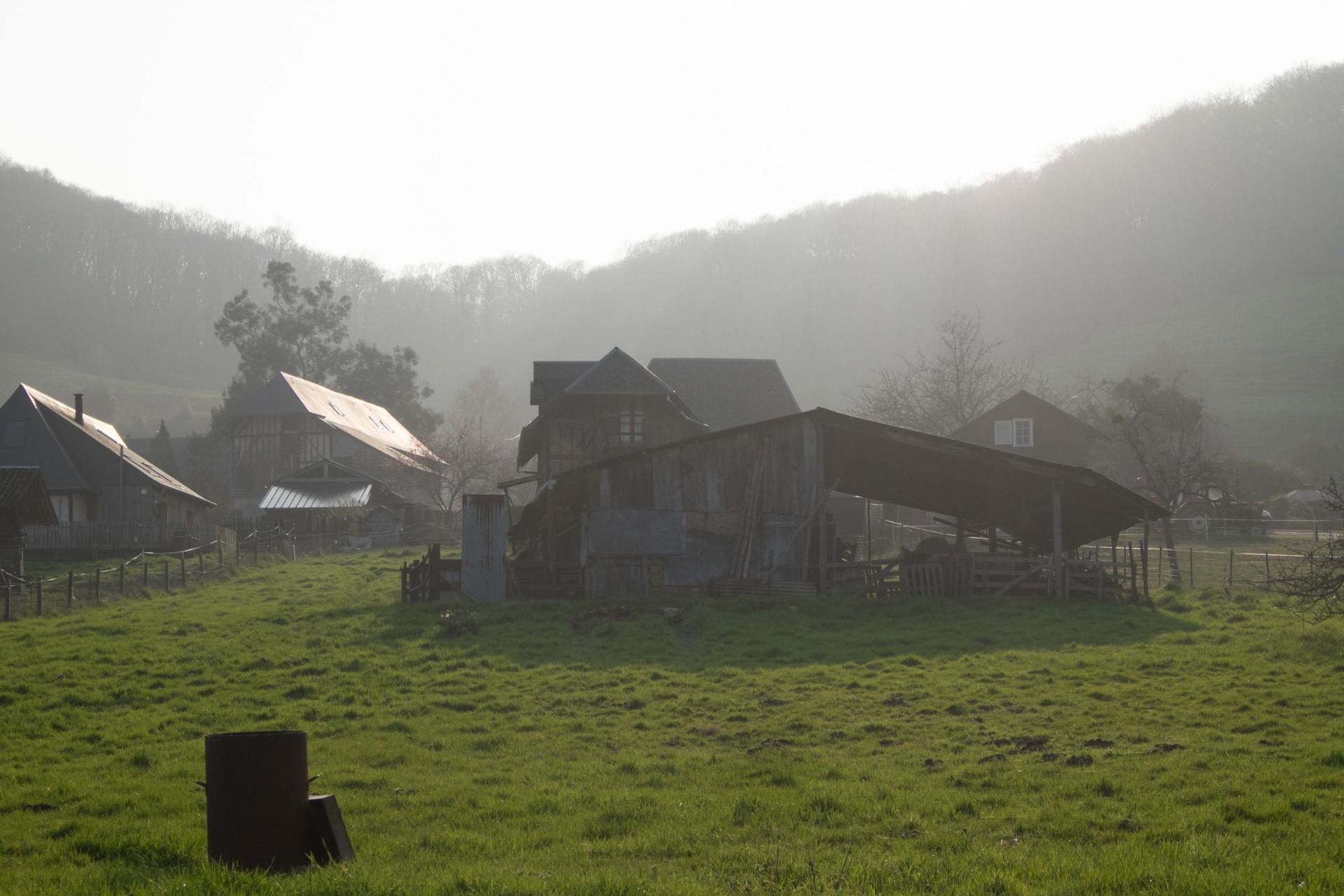
Normandy cannot boast dramatic landscapes the likes of which can be found elsewhere in France but it’s no mistake why its scenery has inspired so many artists, from the French greatest novelists of the 19th century to impressionist painters. There is a certain gracefulness and authenticity in its humble-looking countryside but also a unique light captured by generations of painters and magnified on canvas.
If you’re an amateur of impressionist paintings and Maupassant novels or if you’re just looking for an off-the-beaten path immersion into the French countryside, it would be a waste to pass through Normandy and rush to discover its most prominent landmarks without stopping by on the way so here’s our advice to get to know some of the finest and yet quite underrated places in the Norman countryside.
Lyons-la-Forêt
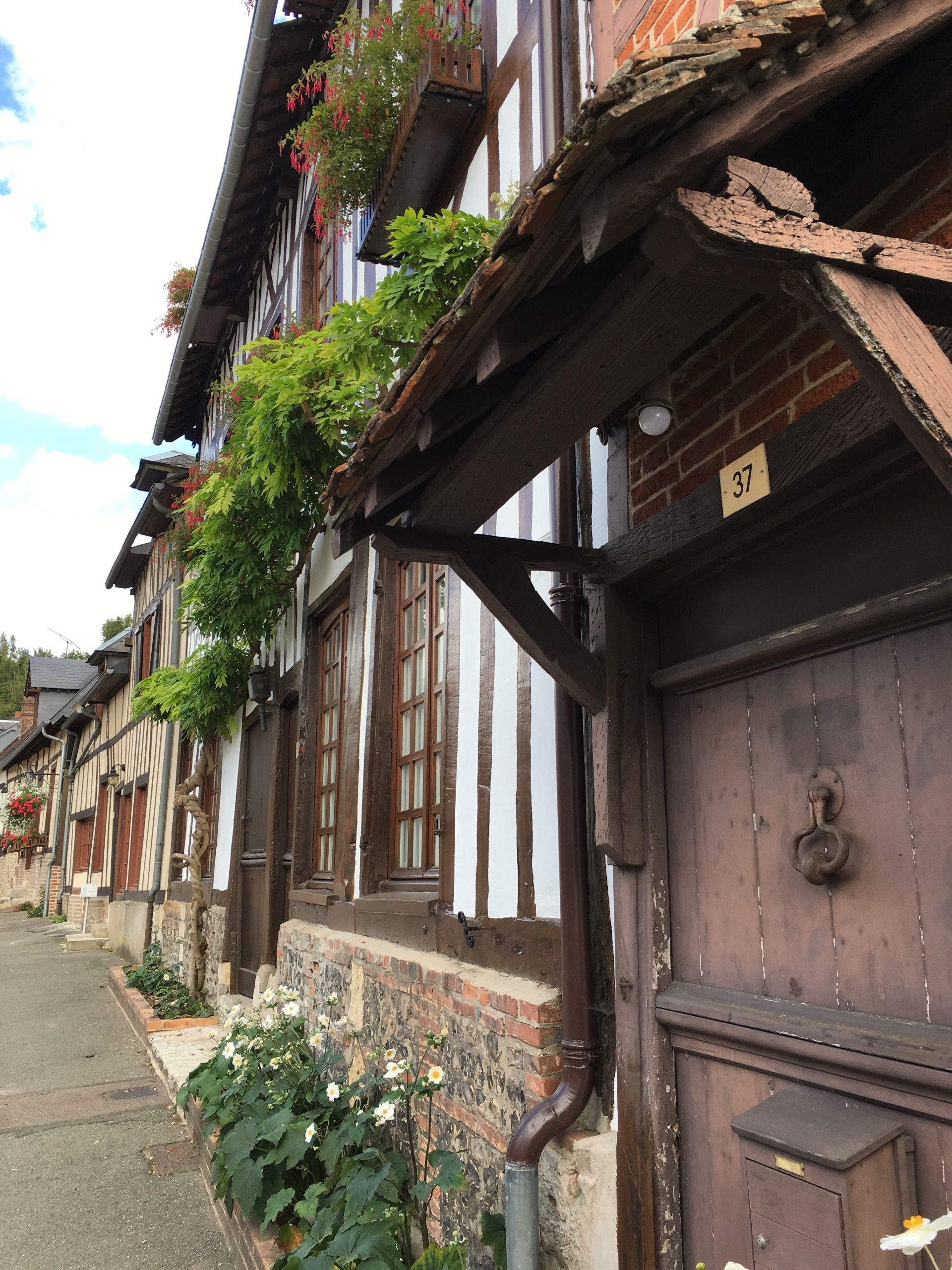
The popular imagery of a Norman village is pretty much an accurate description of Lyons-la-Forêt. This small village of a few hundred souls has managed to protect and maintain its typically Norman architecture since the 17th-century, from ancient churches to timber-framed houses, not to mention a thatched-roof covered market, which is now the perfect place to come and buy tasty Norman products on Saturdays and Sundays.
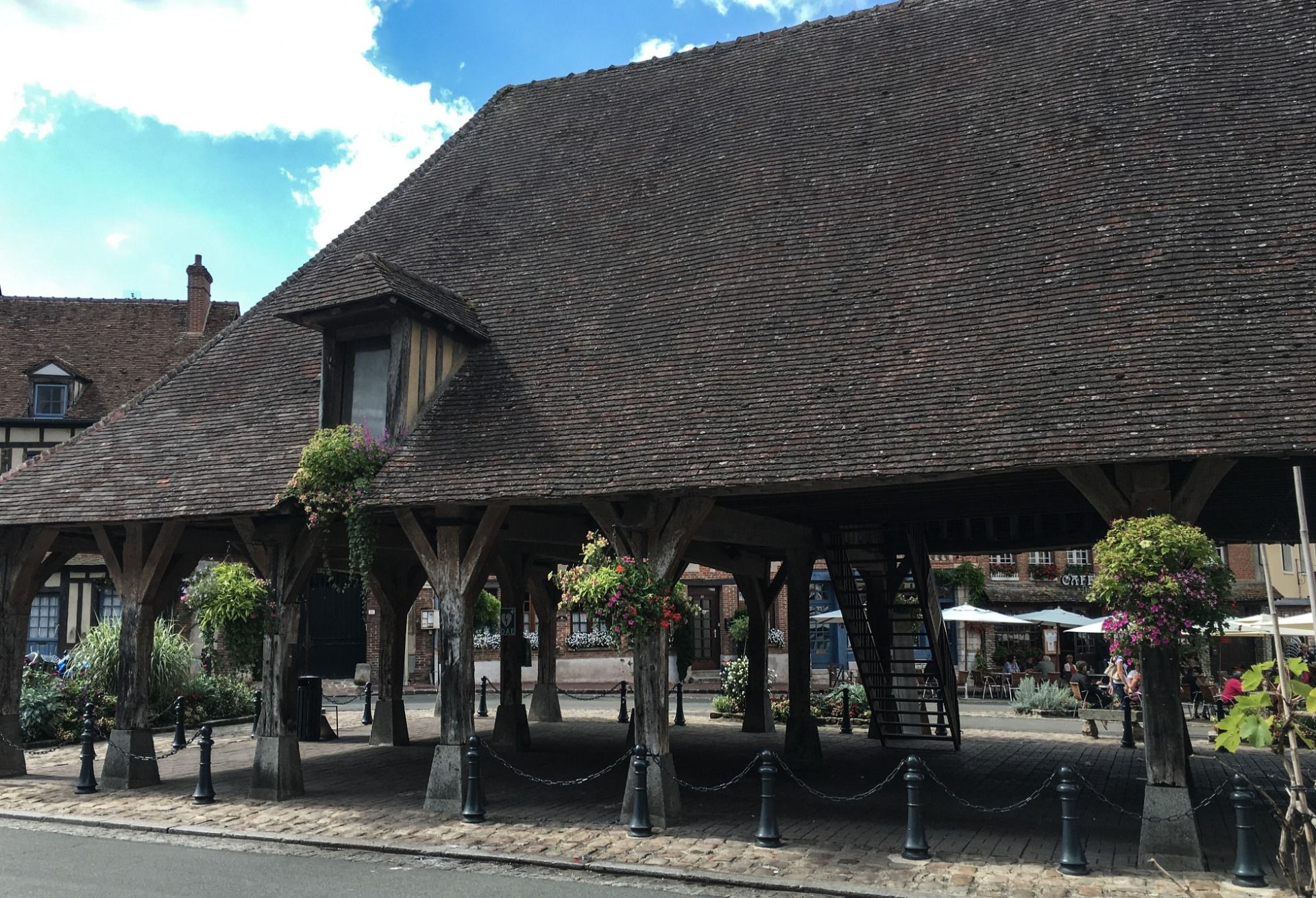
Lyons-la-Forêt is also distinct for its specific geographical features, being surrounded by the beech tree forest of Lyons on one side and by the traditional Norman bocage on the other, a landscape of orchards and cattle pastures. The village’s bucolic setting and old-school feel were popularized by the movies “Madame Bovary”, shot here in the 1930s by Jean Renoir and in the 1990s by Claude Chabrol. Although Gustave Flaubert never mentioned whether he had drawn his inspiration from Lyons-la-Forêt to write his infamous novel, the “Tale of a provincial life” fits the atmosphere of this particular village perfectly.
Le Marais-Vernier
Le Marais Vernier is an entire natural region located in the Eure county and comprising of bogs, pastures and wetland that provide the perfect natural habitat for a number of species, including protected birds such as storks and falcons. The Marais Vernier is therefore the place to be for nature-lovers and hikers but also for visitors looking to discover traditional architecture. The region is indeed particularly well-known for its many typical thatched cottages, traditional Norman houses covered in straw.
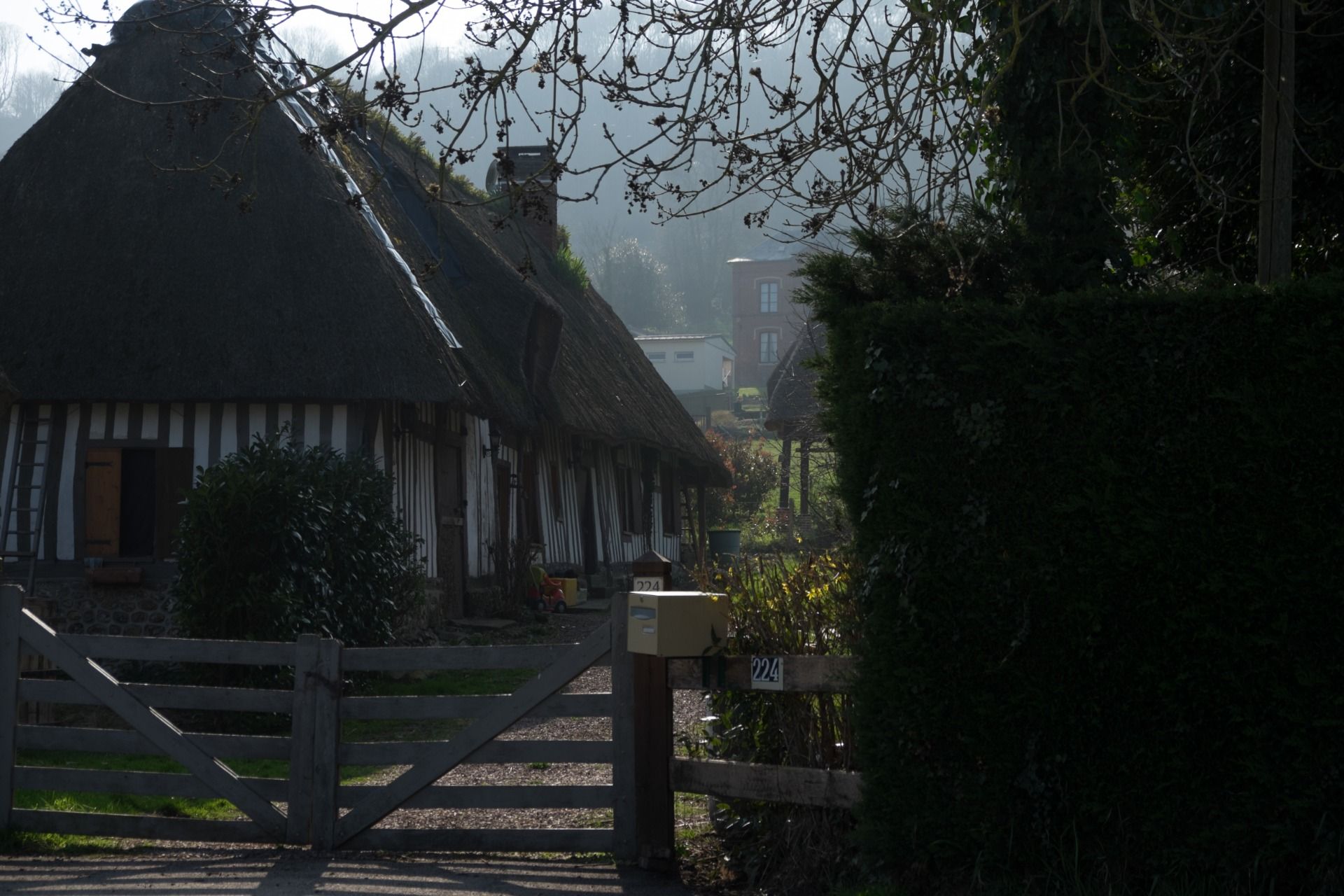
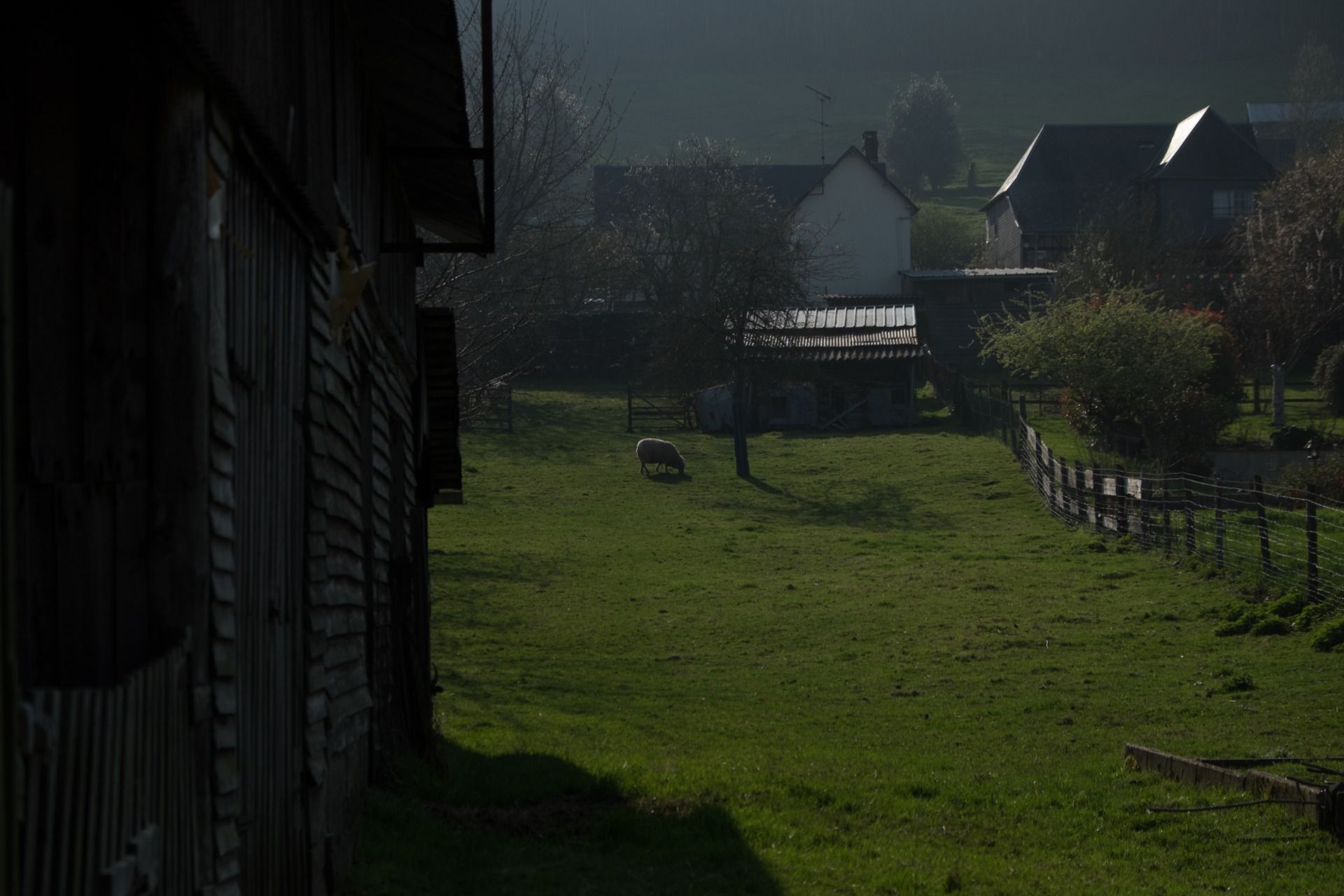
Starting in Notre-Dame-de-Bliquetuit, thhe 53-km long Thatched Cottage Route is the right place to start as it passes through charming villages such as Aizier, Vieux-Port or Saint-Aubin-sur-Quillebeuf. Le Marais Vernier is also the name of a particular village, one that barely appears in tourist guidebooks. Still, this sleepy village boasts a few thatched cottages but it was its untouched, offbeat feel that won us over as we wandered around without a tourist in sight, or anyone for that matter. That and its cute sheep, of course.
Veules-les-Roses
As rural as it is, Norman landscape is also defined by its seaside. The region is bordered by the English Channel. Normandy therefore also boasts memorable seaside landscape and dramatic cliffs, the most famous of all being the cliffs of Etretat, painted by Monet on multiple occasions. Although there’s no denying that swimming in the Channel is a perilous adventure, walking on one of Normandy’s many pebble beaches with white chalk cliffs stretching in the horizon is quite the experience.
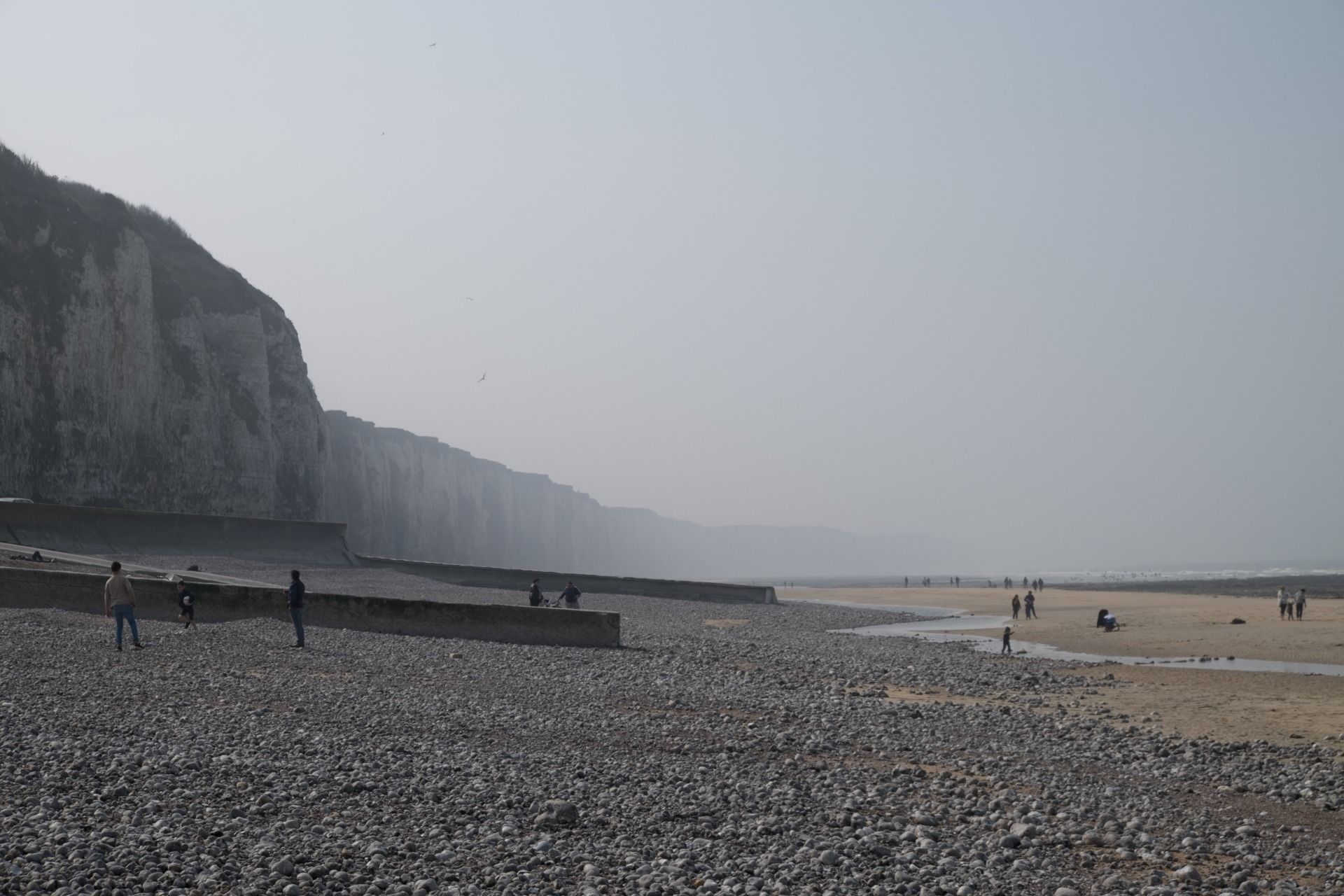
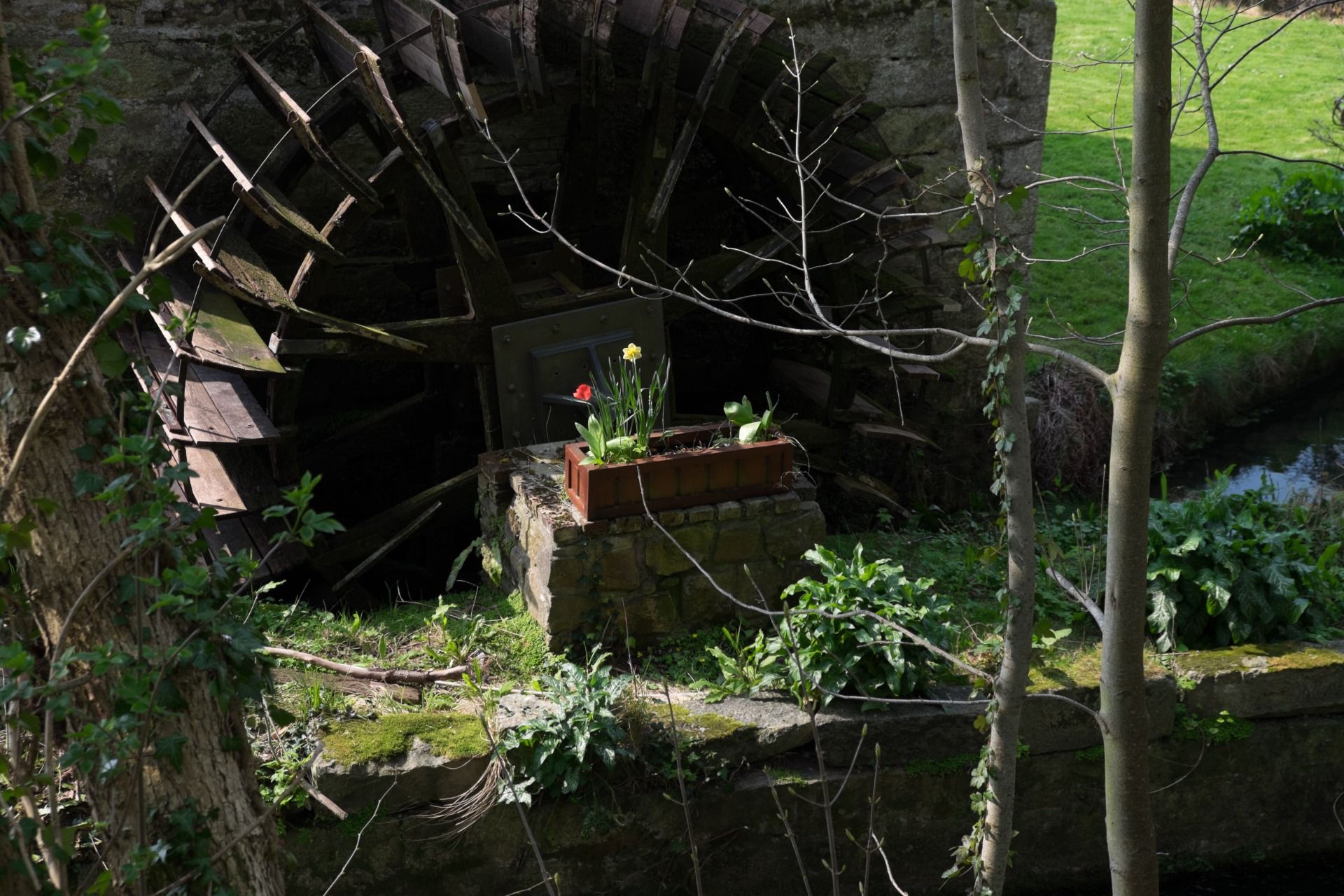
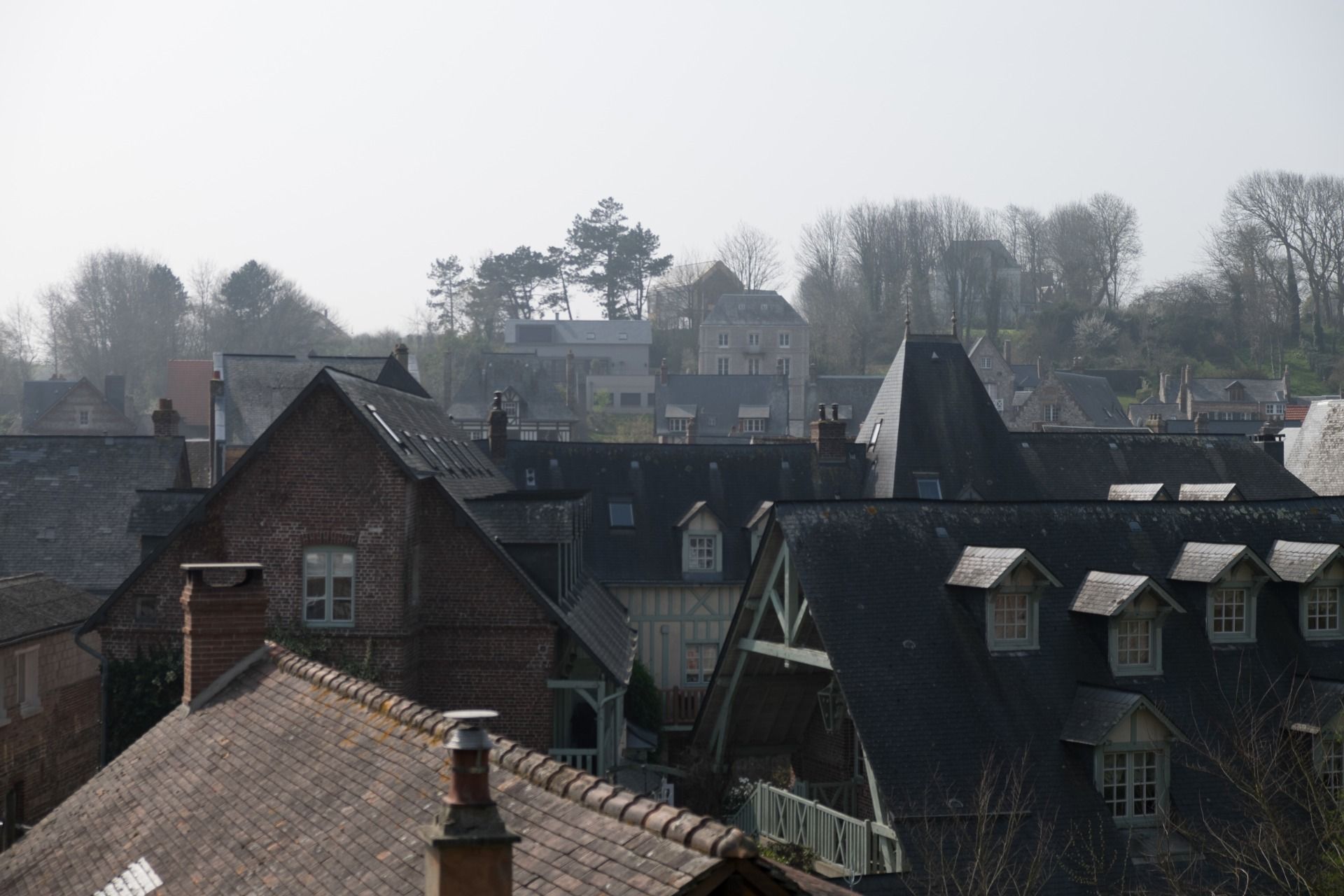
In that regard, the village of Veules-les-Roses is the perfect pick to beat the crowds at Etretat and still enjoy a nice seaside trip as it balances the appeal of the sea with the beauty of the countryside. Taking a stroll on the banks of the smallest river in France, the Veules, allows to discover secret gardens, ancient mills and thatched cottages before relaxing on a sandy beach or hiking on a hill to discover an ancient church. Besides, Veules-les-Roses holds a reputation for producing the finest oysters in Normandy.
Castles
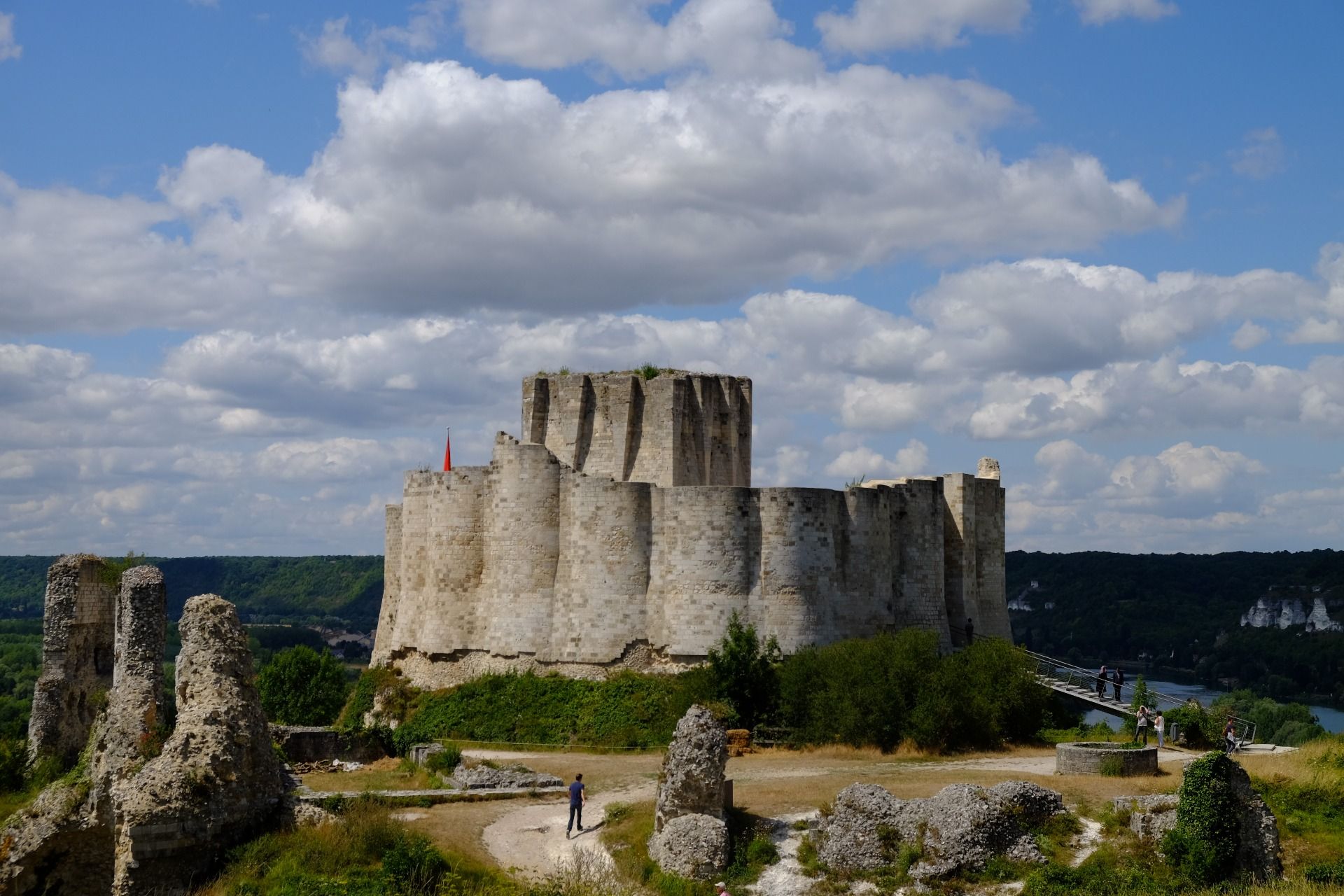
There are more castles in France than could ever be visited in a lifetime and Normandy is no exception to this. One of the most impressive castles in the region is the Château-Gaillard fortress, a medieval castle built on a cliff above the River Seine. The architecture of the stronghold was inspired by the Crac des Chevaliers, a Crusader Castle in Syria, and it was meant to sustain any siege. Château-Gaillard was effectively captured several times throughout the centuries nonetheless until it was demolished in the 16th century. Thankfully, the keep remained almost untouched and the picturesque ruins of the castle now still stand above the Seine.
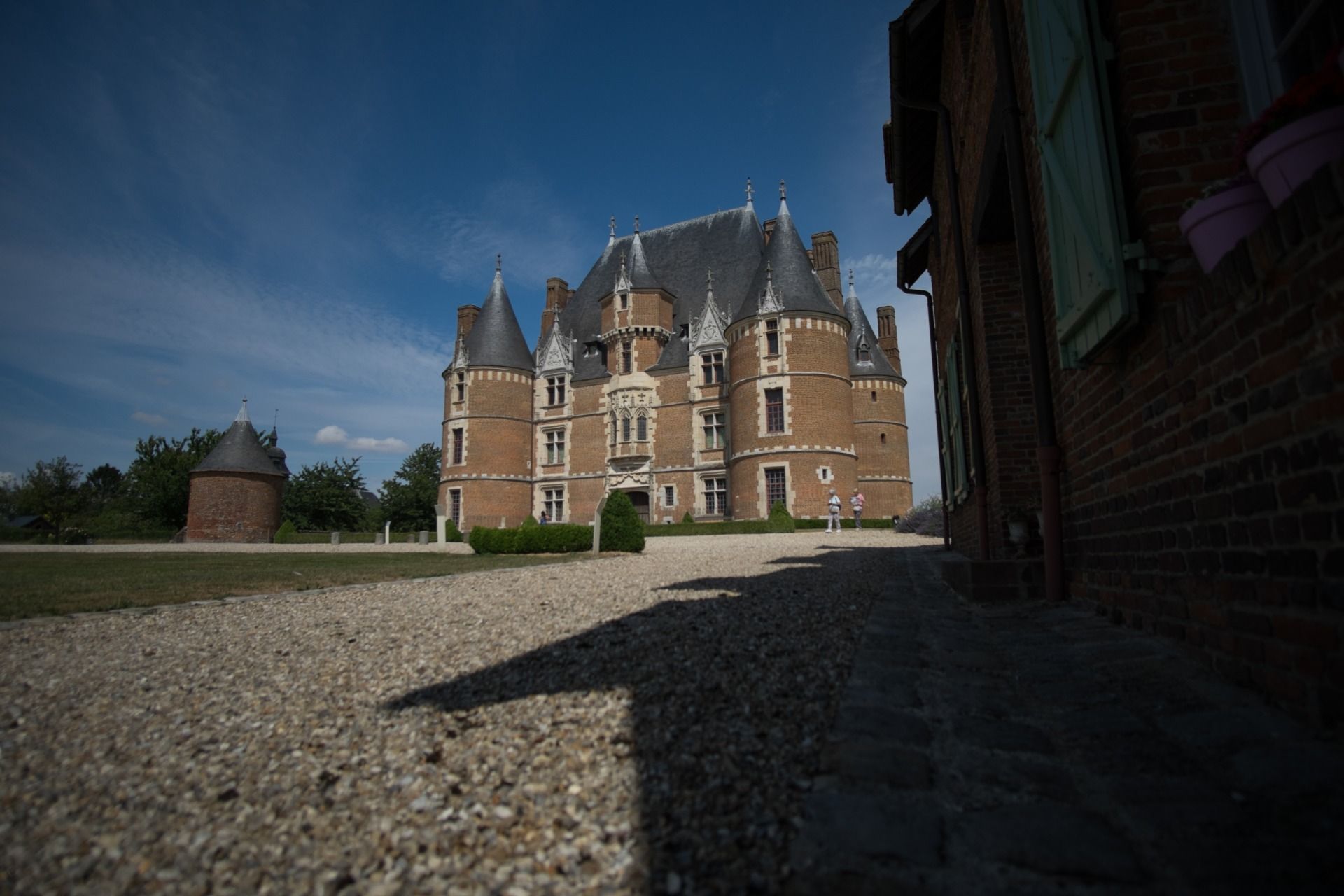
The Château of Martainville was also built as a stronghold from the beginning. Its thick crenelated walls and defensive towers stood the test of time but the castle was modified for aesthetic purposes later on until it was eventually transformed into a museum of popular Norman art and traditions.
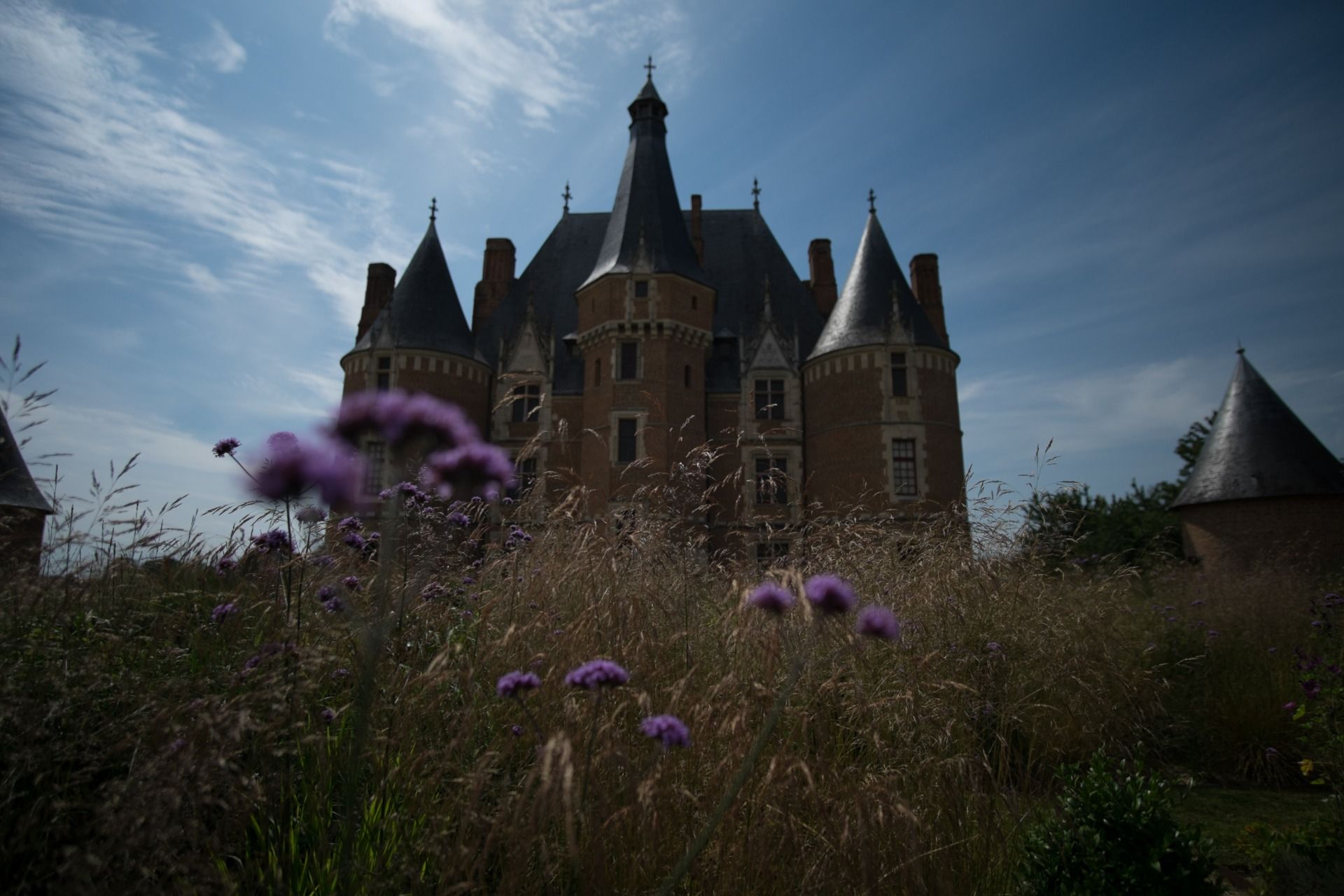
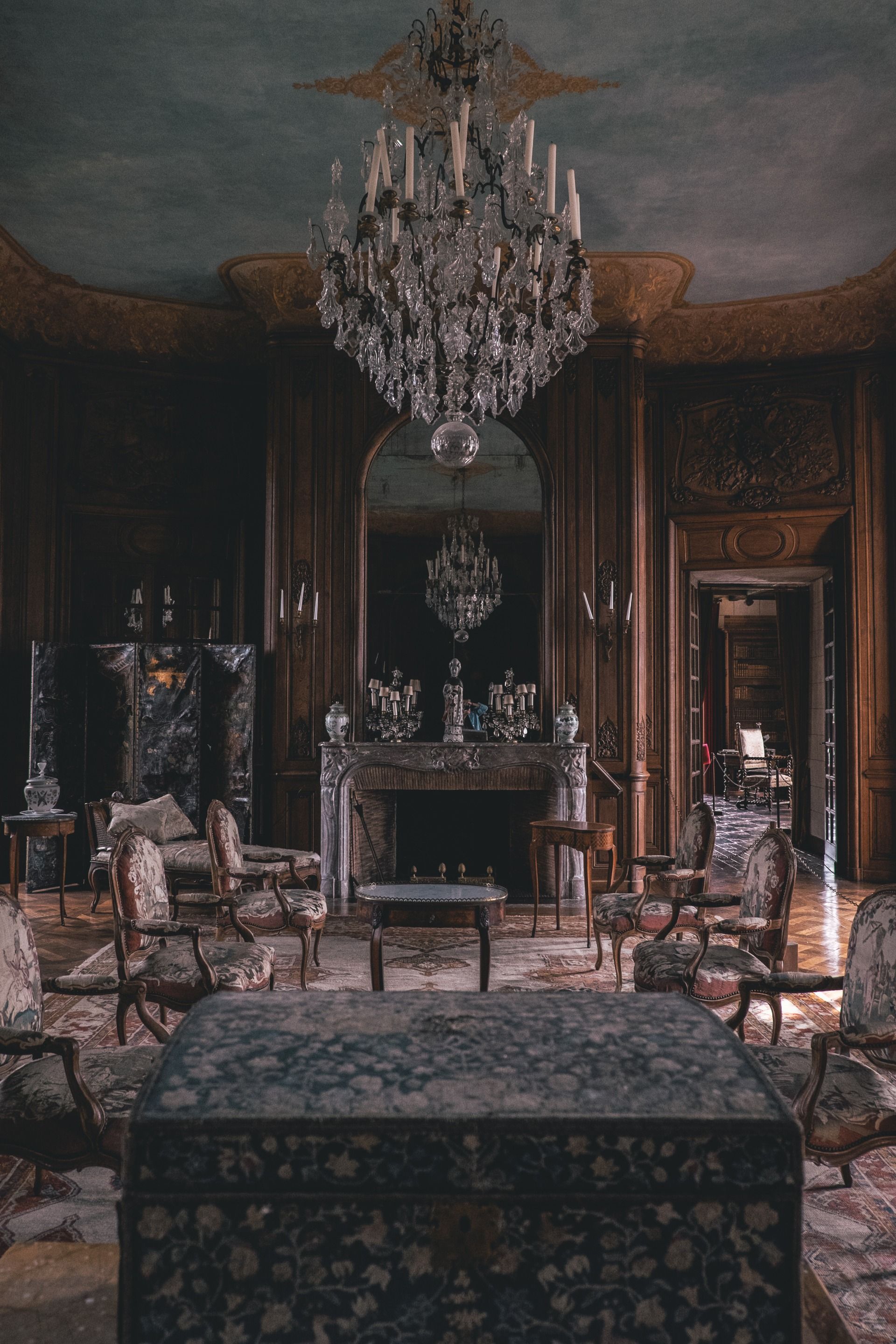
On the other hand, the castle of Beaumesnil was always meant to exhibit exquisite beauty rather than any kind of military purpose. Built in the 17th-century, this Louis XIII Baroque style castle was erected on the site of a former medieval castle. Considered one of the smallest châteaux in France, it was still nicknamed the Norman Versailles for its elegance but also because of its gardens designed by a student of André Le Nôtre, Versailles’ principal landscape artist.
Abbey ruins
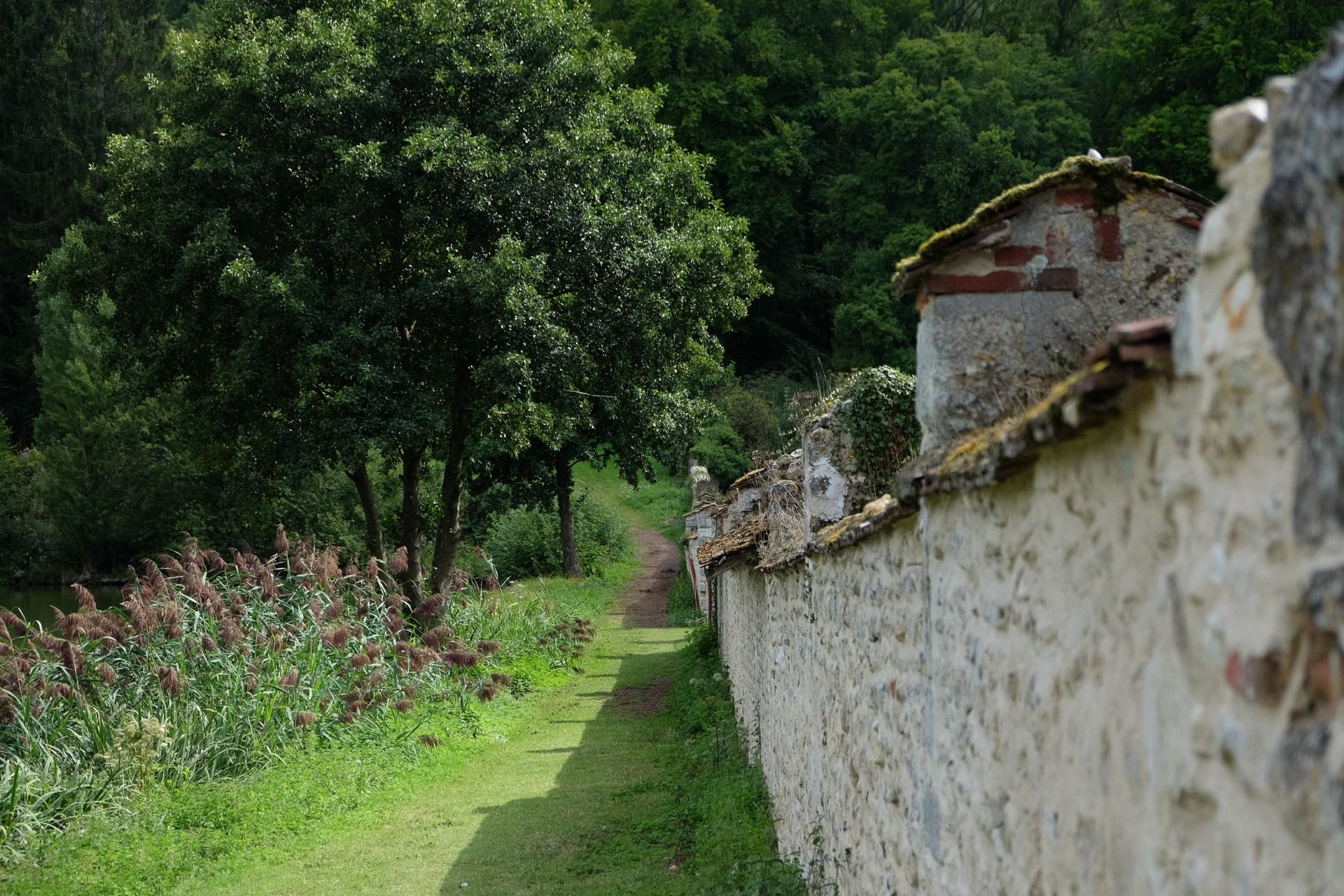
The most famous abbey in Normandy has to be the Mont-Saint-Michel but imagine the scenic ruins of majestic abbeys without the crowds and you’ll get a taste of the magic of the many abbeys scattered throughout the Norman countryside. Many of those abbeys can be found following the curve of the River Seine, along the so-called Normandy Abbeys Trail, as popular with hikers as it is with one-time visitors.
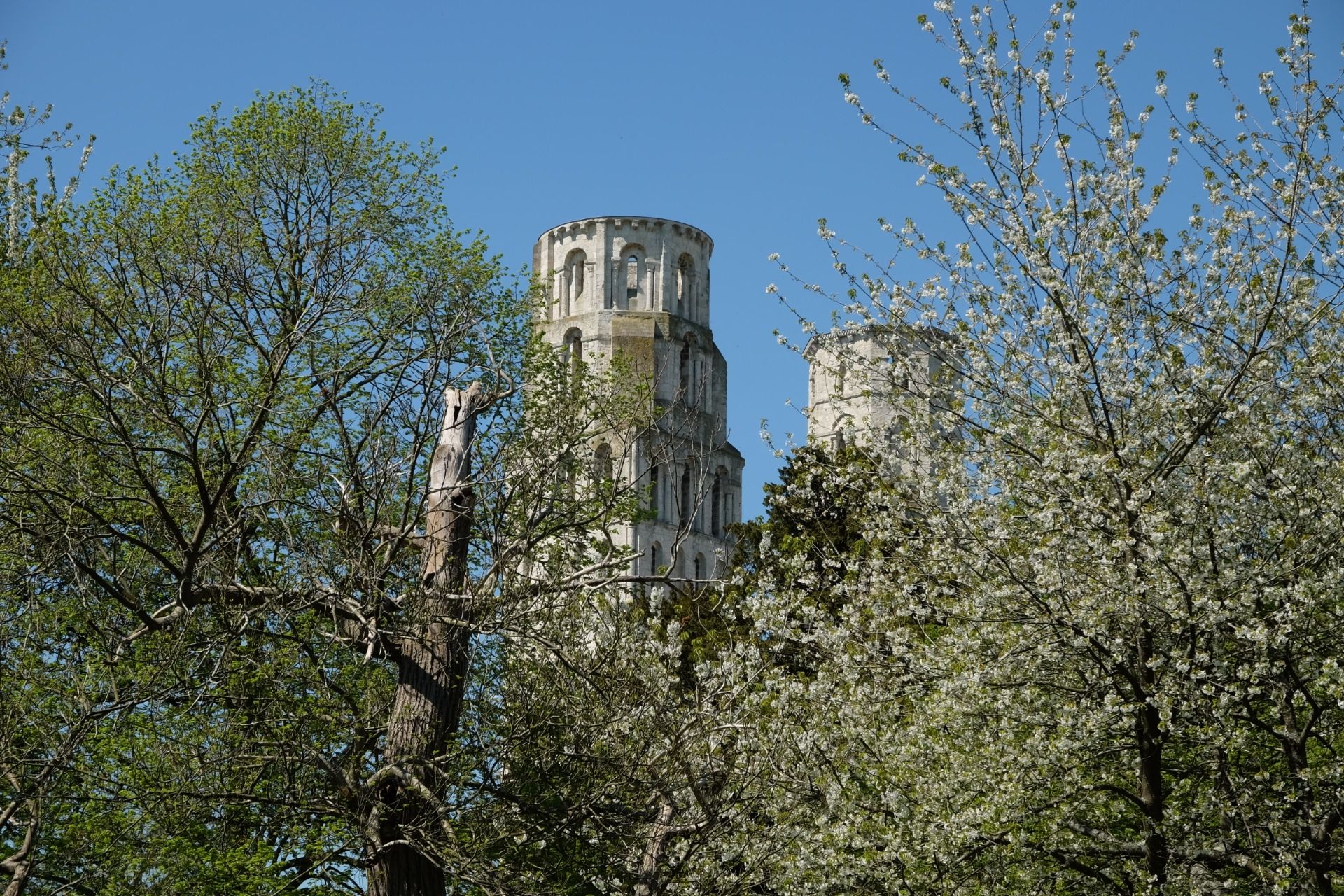
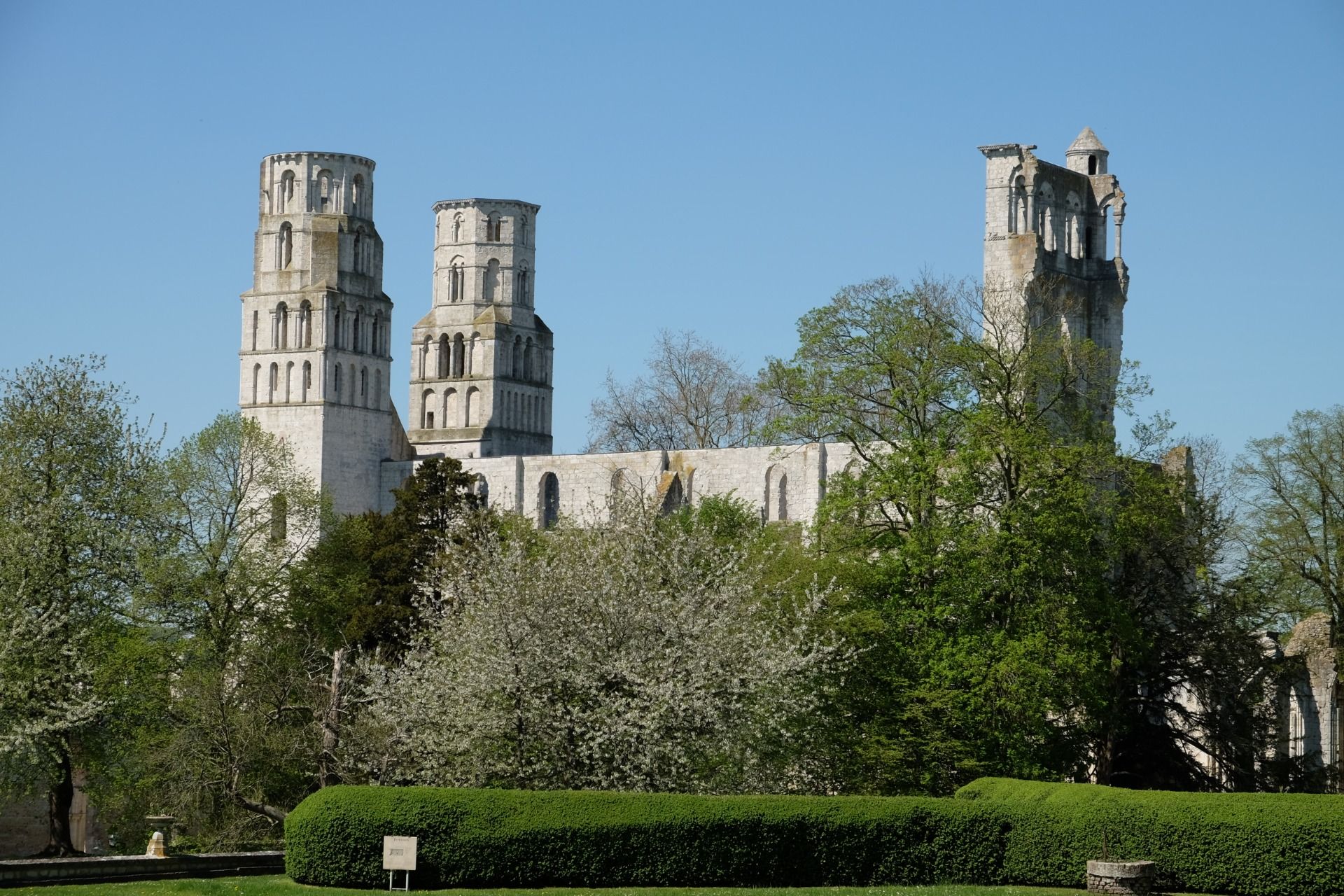
A prime example of them all is the Jumièges Abbey, a Benedictine monastery believed to have been first established in the 7th-century. Its troubled history mirrors that of the region as it was burnt to the ground by the Vikings, invaded by the English and finally destroyed by the French Revolutionaries. Still, even in ruins, perhaps even more in ruins, Jumièges exudes an uncanny beauty.
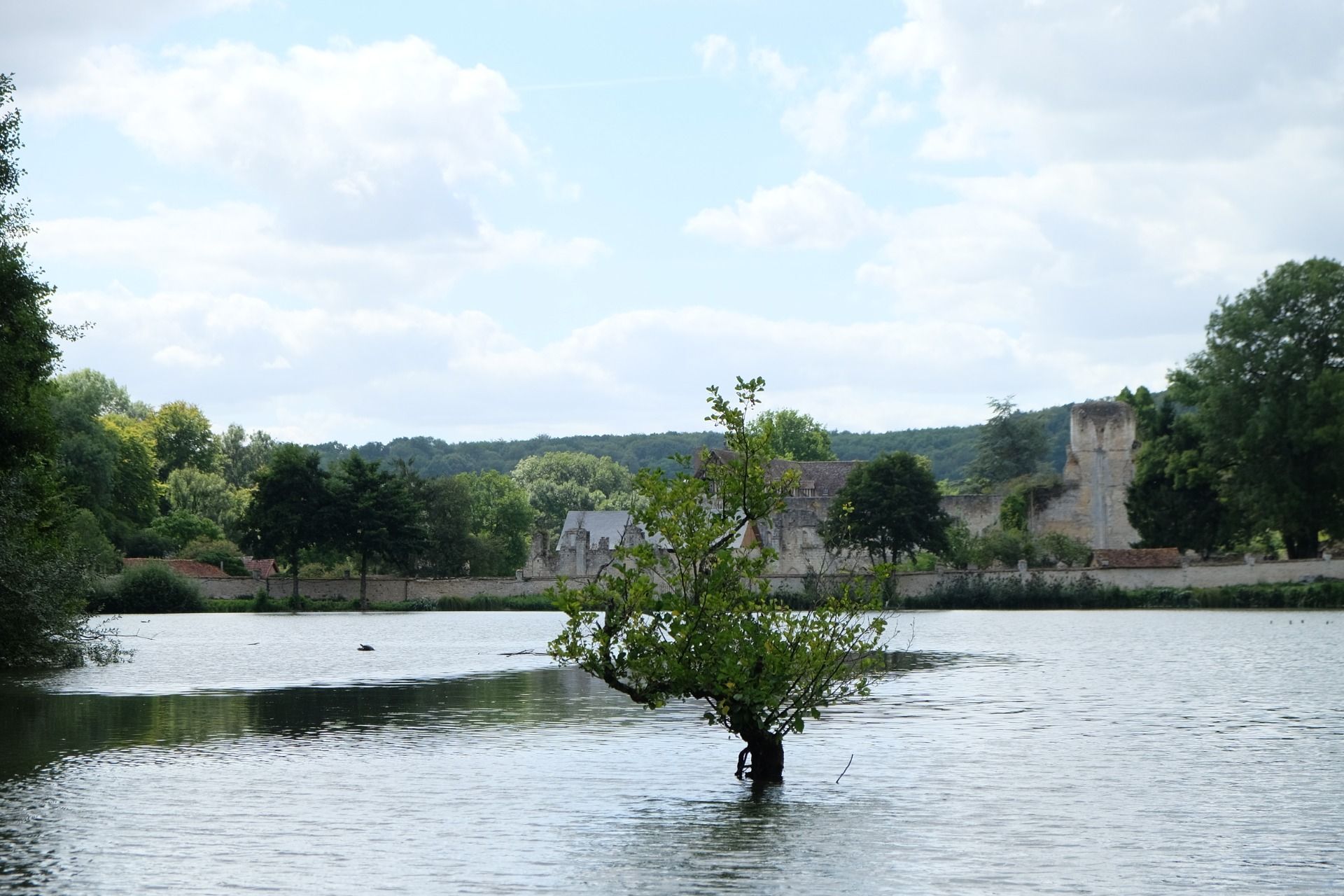
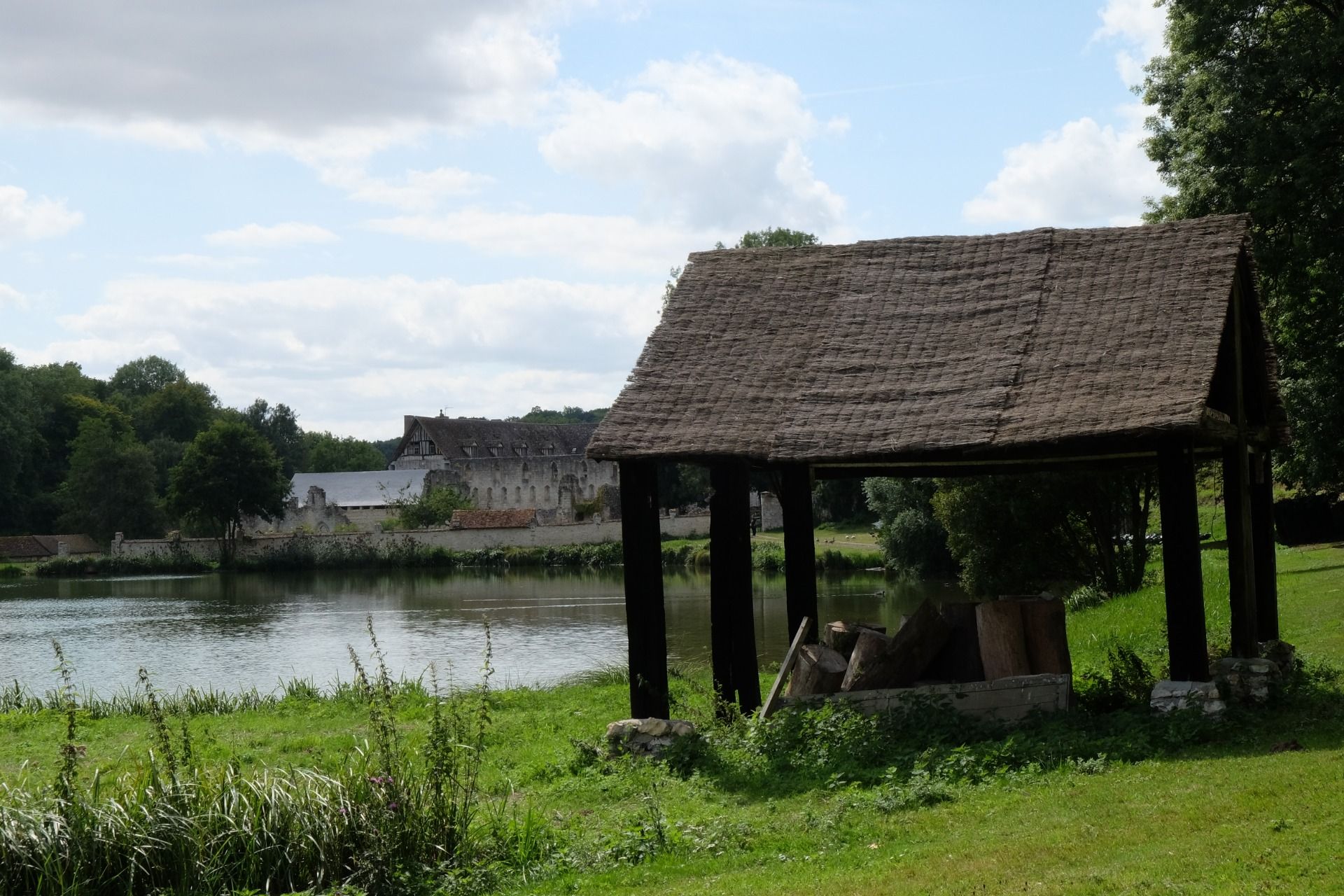
Lesser-known is the Mortemer Abbey, located near the village of Lyons-la-Forêt. Yet, this former Cistercian abbey built in 1134 looks even more mysterious than Jumièges due to the many ghost stories and legends it bred throughout the years. It might not sound engaging to pay a visit to the most haunted abbey in France but in reality the tranquil beauty of Mortemer comes off as anything but spooky.
If you come to Normandy, be sure to include some of these places to your travel list besides the usual popular landmarks to get a feel of the simple yet compelling beauty of the region.
