 Wellington, Wellington, New Zealand
Did you know that New Zealand has no badgers, foxes or squirrels?
I didn’t.
What is Zealandia?
Zealandia is an ecological park just outside New Zealand's capital of Wellington, and home to thousands of animals that are carefully bred, nurtured and allowed to thrive away from predators.
In its own words, it's
the world’s first fully-fenced urban ecosanctuary, with an extraordinary 500-year vision to restore a Wellington valley’s forest and freshwater ecosystems as closely as possible to their pre-human state.
The 225 hectare (500+ acre) ecosanctuary is a groundbreaking conservation project that has reintroduced 18 species of native wildlife back into the area, some of which were previously absent from mainland New Zealand for over 100 years.
The park is designed such that the metal walls surrounding its perimeter keep predators out, while allowing birds to freely come and go as they please.
The Animals
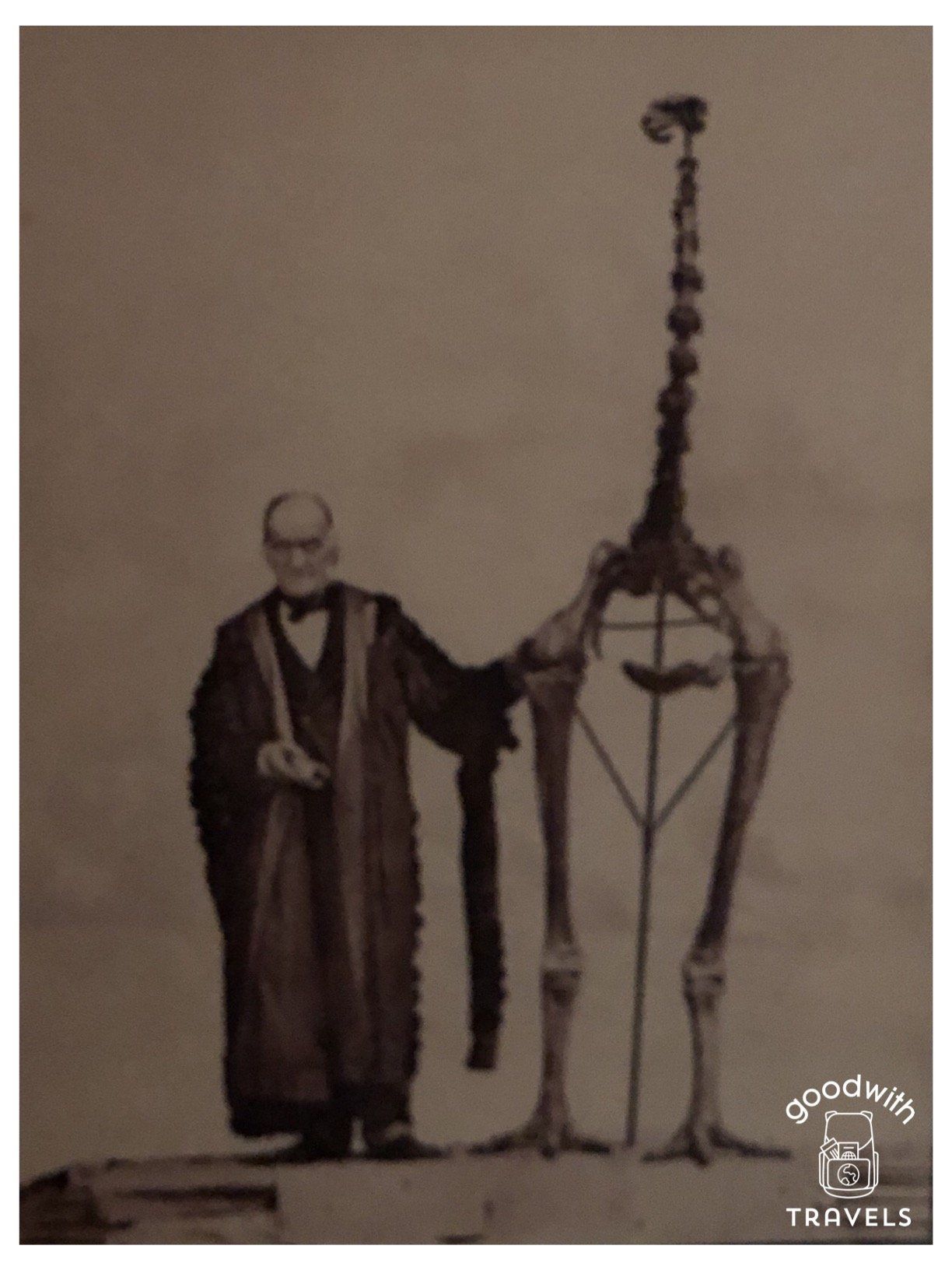
The entrance exhibition showcased the moa, which is sadly now extinct. It was a non-flying bird, native to New Zealand and could grow up to 3m tall when standing upright. The the tallest bird in the world (at the time, I'm not sure if this would still be true today!), it only extended its neck to full height when feeding. I, like many others, assumed it was related to the emu, but it is in fact more closely related to the much smaller Tinamou.
The New Zealand moa, shown below, was the tallest bird in the world, though is now extinct.
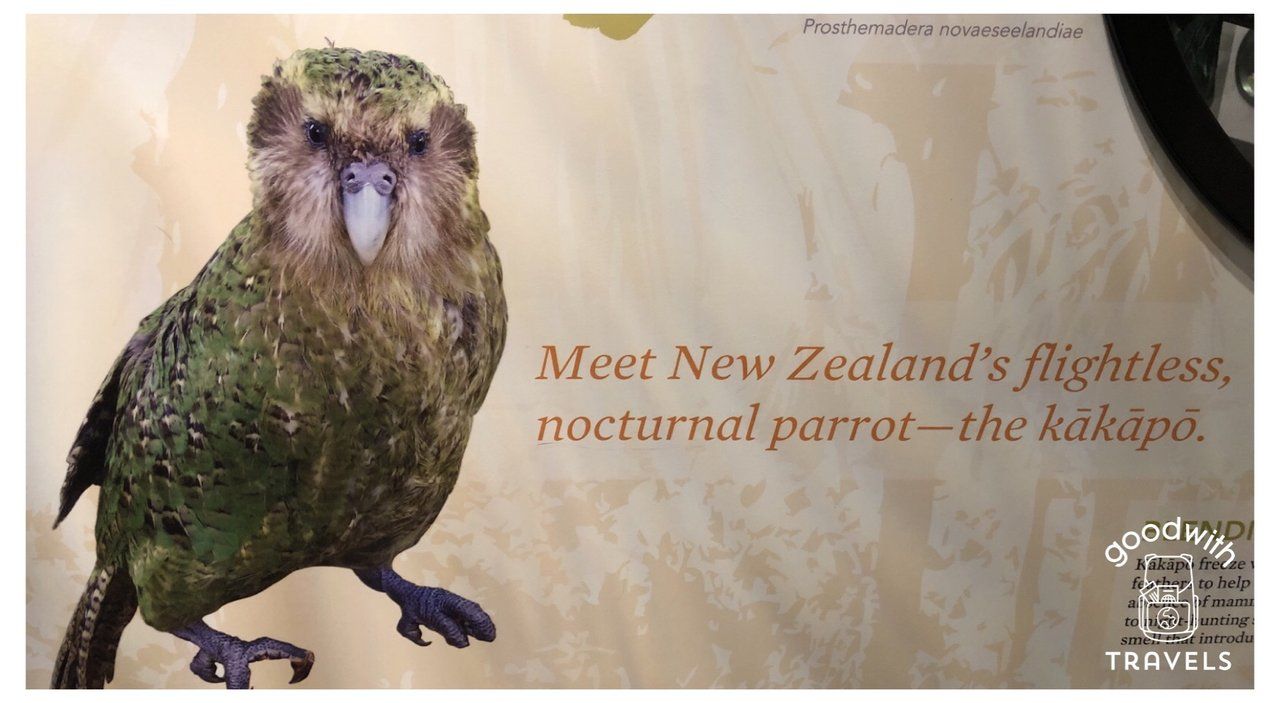
One of the most unusual sights (and my favourite!) was the kakapo, a small but plump bird that couldn’t fly and one that seemed particularly lucky not to have had ground-borne mammals as predators.
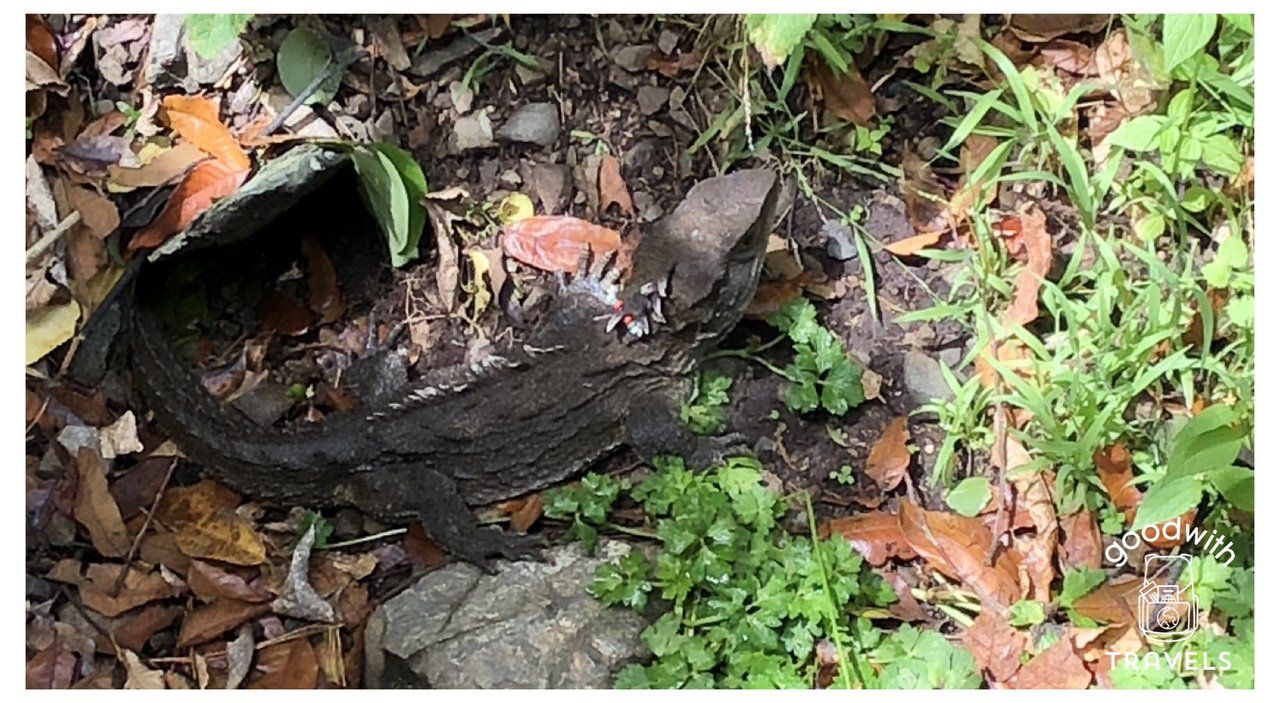
Elsewhere, it's possible to see everything from insects to lizards know as tuatara. When tour guides see an animal in a particular spot, they'll even place a sign near it to help others spot it as they walk past.
An example of the kaka feeding. Here, you see it landing on the feeding stand
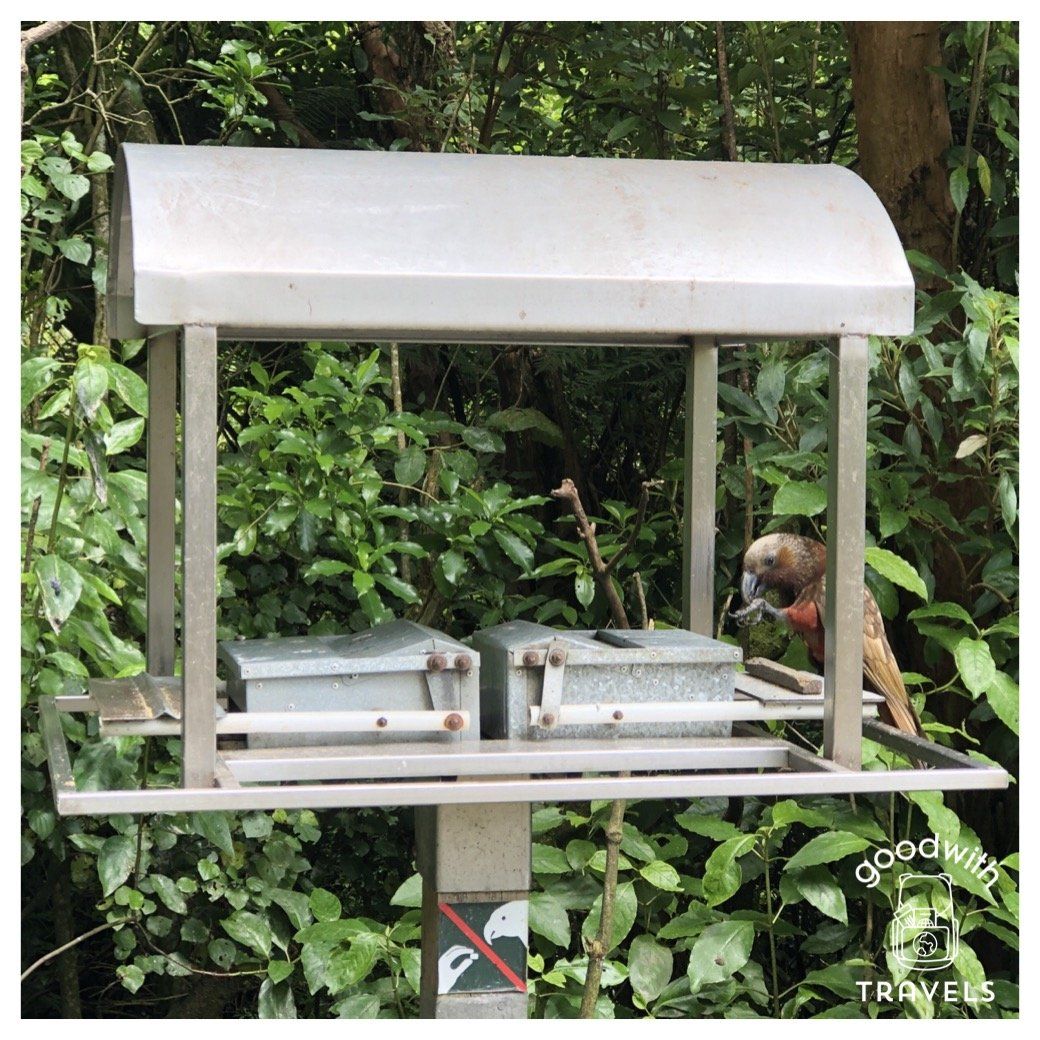
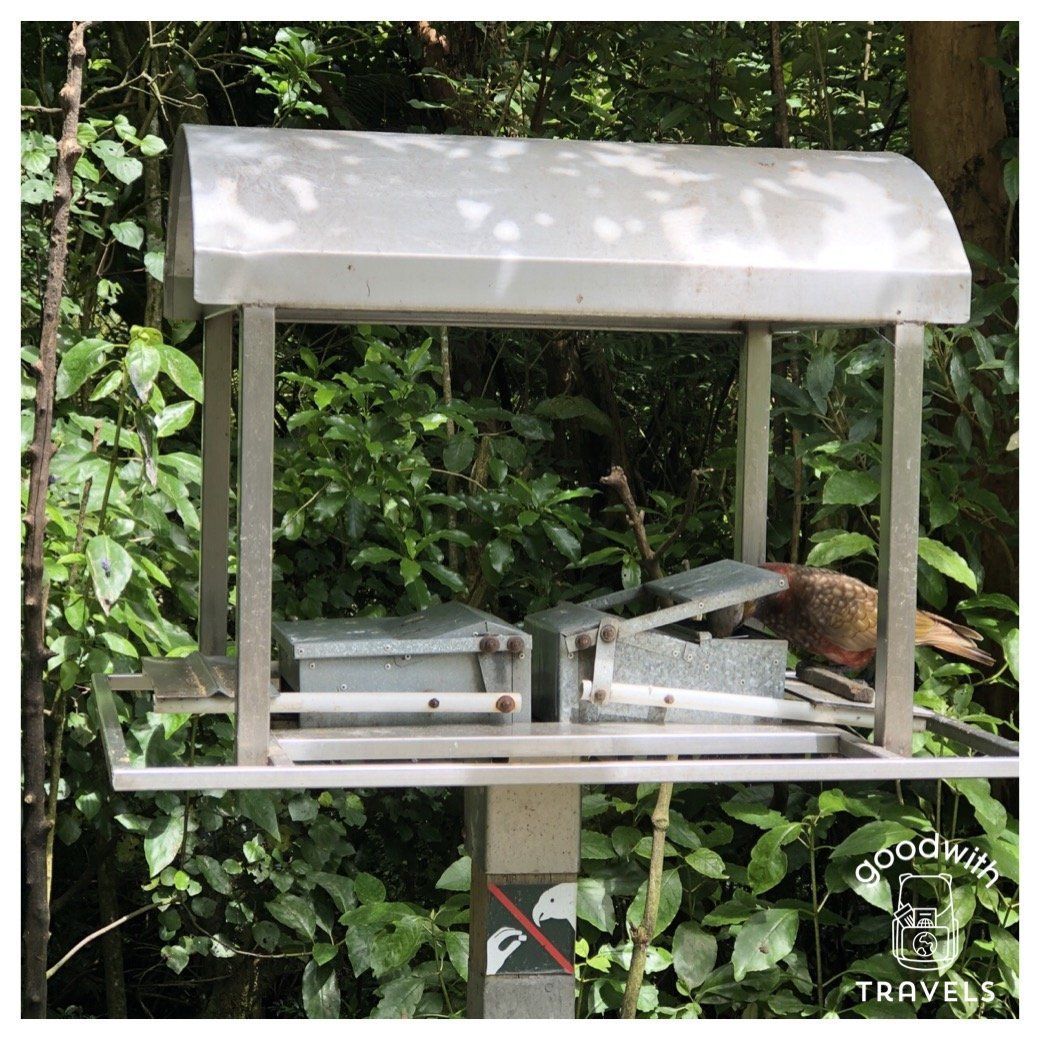
In this second picture, below, the kaka places its weight on a particular spot, opening up the feeder by doing so. The stop smaller birds, who are not heavy enough to open it up and pinching all their food.
The reserve is vast, including wildlife both large and small.
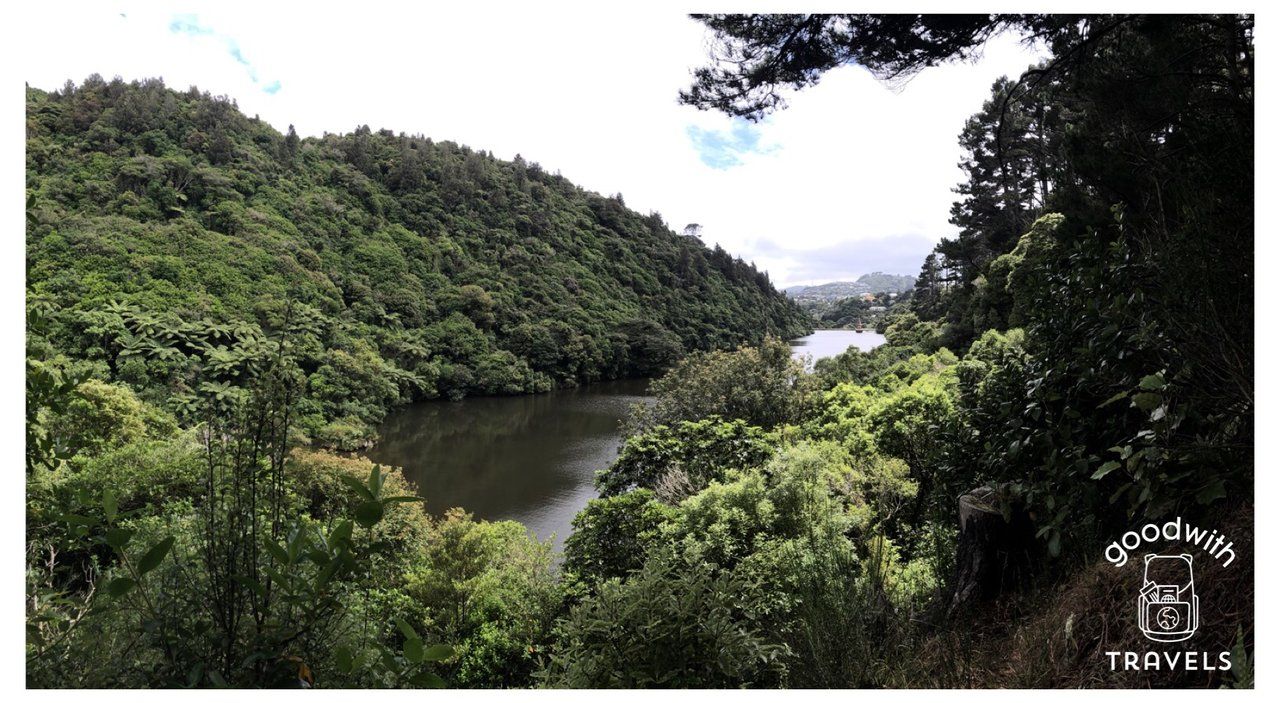
Much of it was new to me, and I was fascinated by how well the park was run, and just how beautiful the rich landscape was.
It reminded me of Jurassic Park and how the landscapes would have been long before human interaction!
There we have it: my experience of Zealandia, the fascinating and important ecological project helping restore the wildlife of New Zealand.
Thanks for reading!
Peace,
Franck / @goodwithtravels

Comments