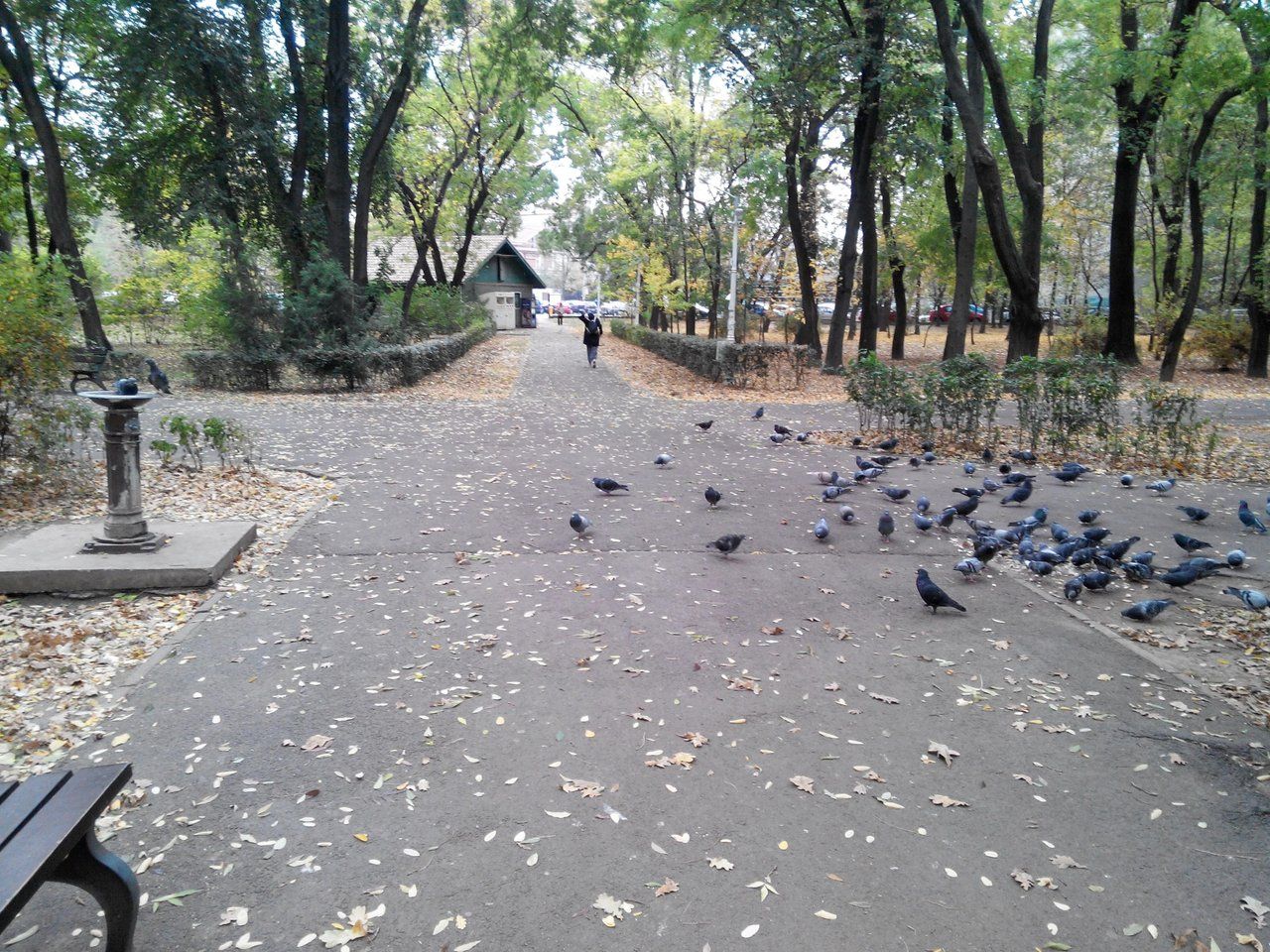
For Wednesday's walk, I thought I'd go to the office. Follow the way I did every day before retirement. This walk always starts pleasantly because I cross a park before arriving at the subway station.
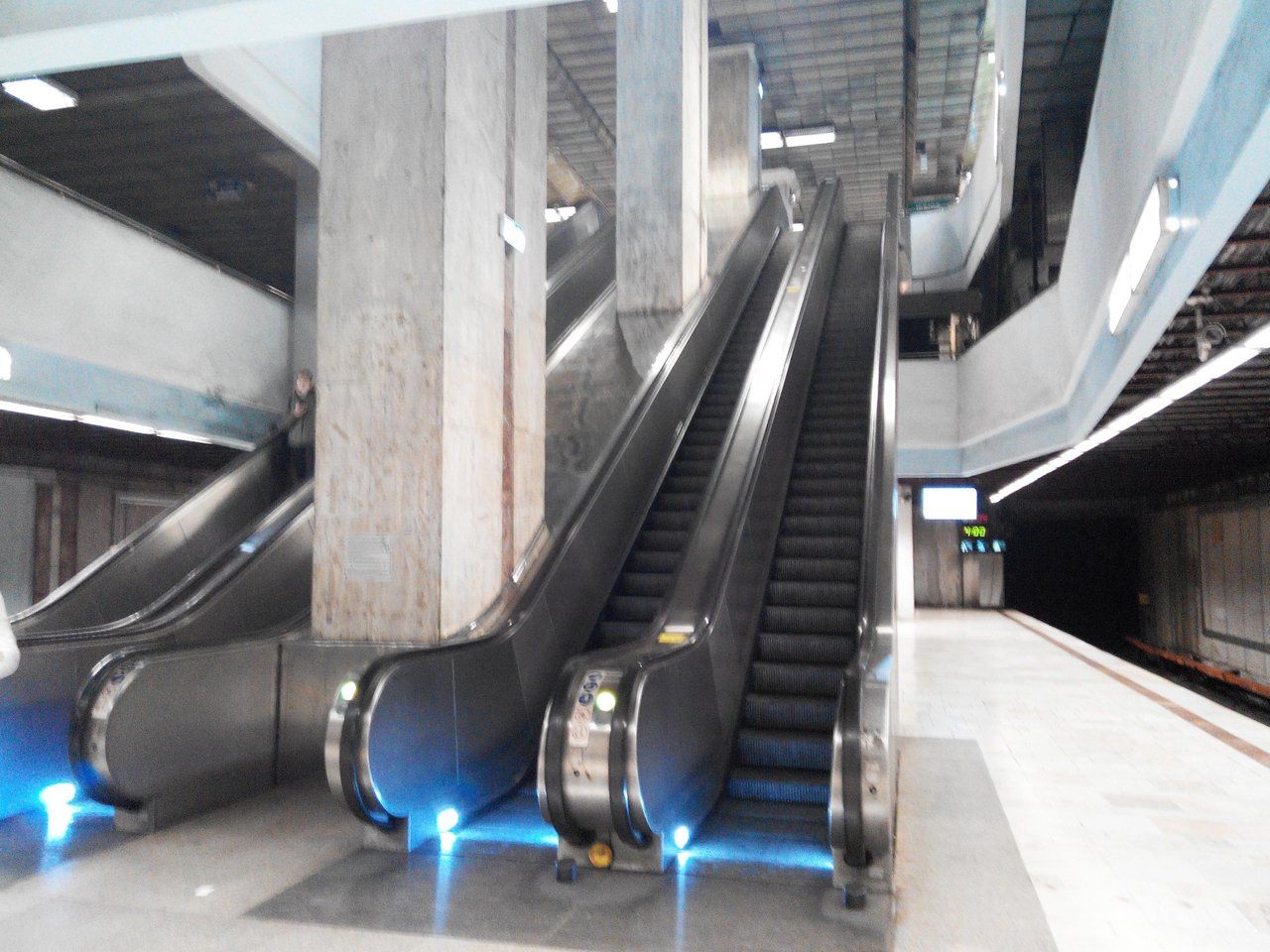
Then the metro, the fastest way to reach the city ... the traffic is overwhelming because of too many cars.
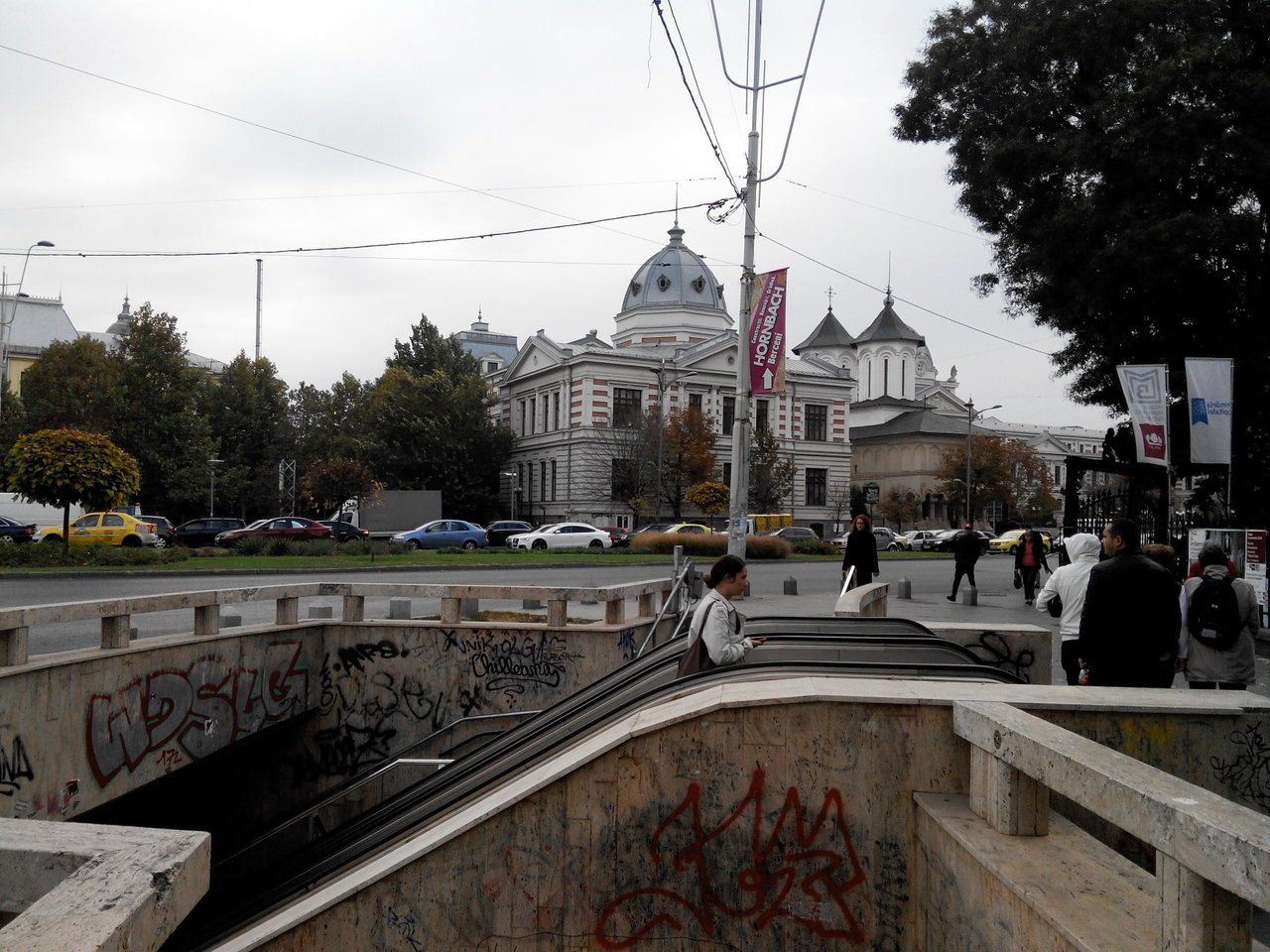
After half an hour I arrived at the University Square, practically being the center of the city (Bucharest).
So I arrived in the central place of the city, the place where the Romanian Revolution began in 1989. For those who do not know, in 1989 it was a popular revolt that replaced the communist regime and banished (then arrested and executed) the dictator Nicolae Ceausescu. Here are two famous buildings of the city built during the communist era: the Intercontinental Hotel and the National Theater.
University Square
The place where I worked, the office is farther away from this place, but I decided to get off the subway earlier because the royal crown of Romania is expozed in the vicinity.
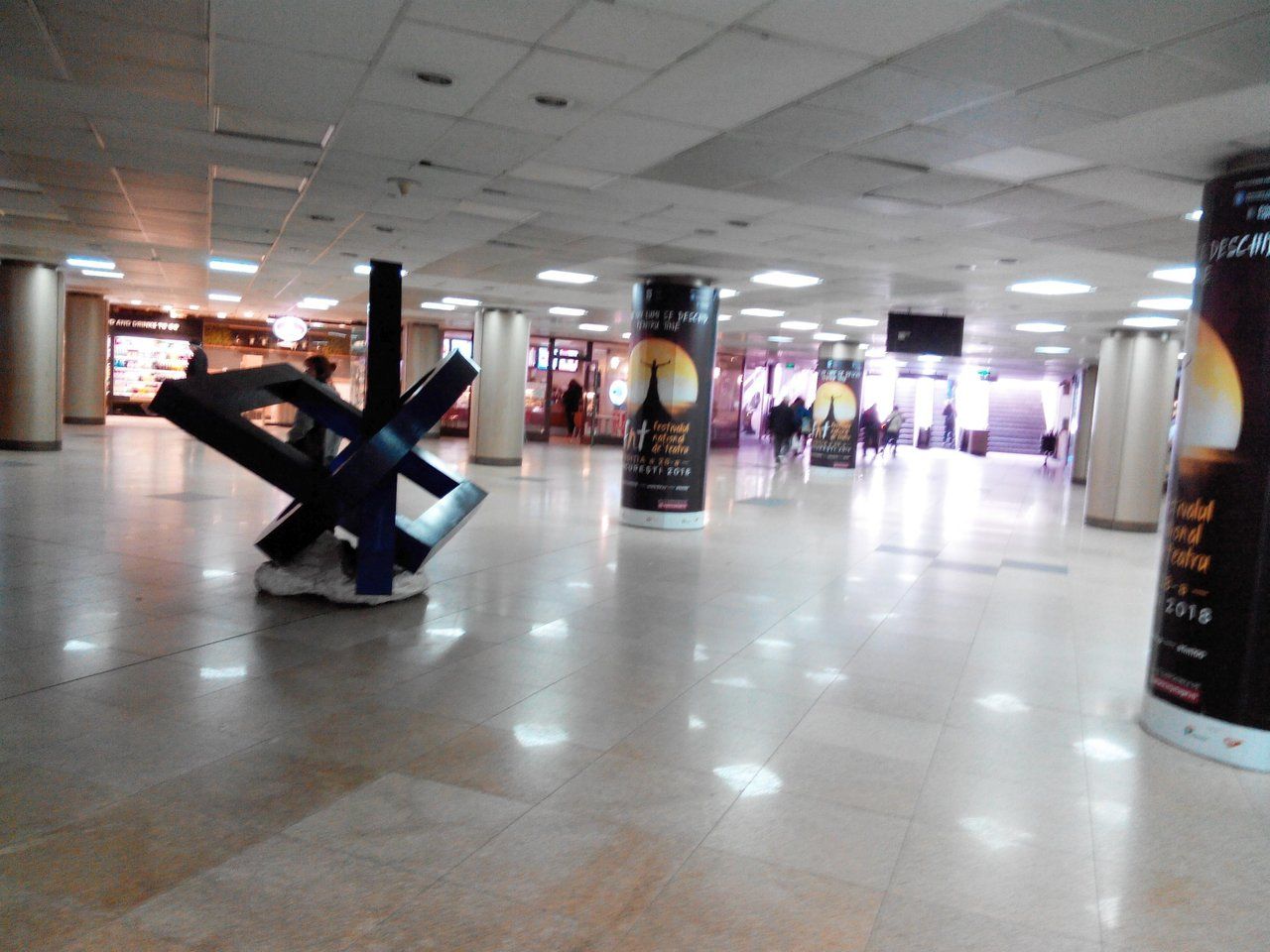
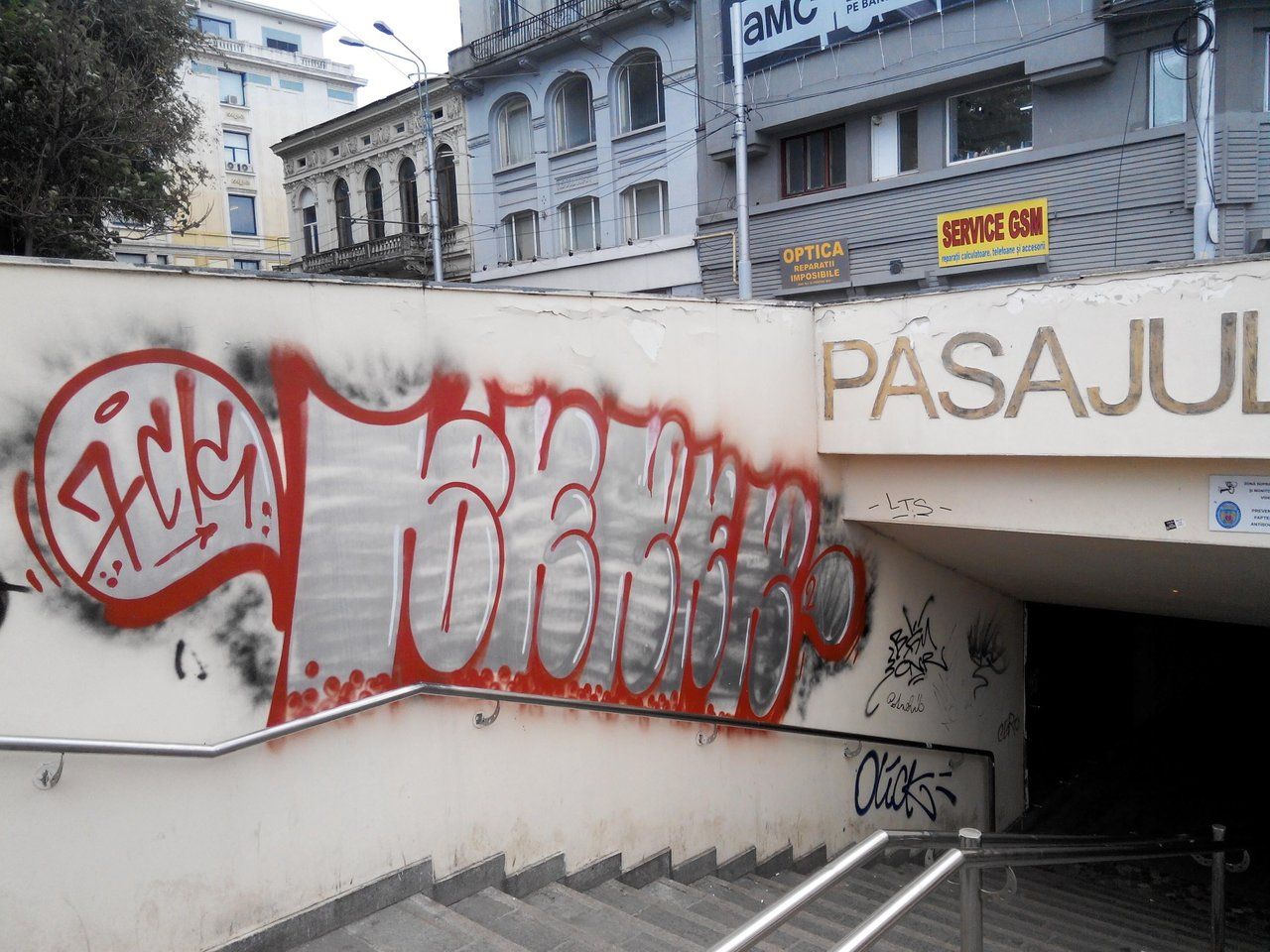
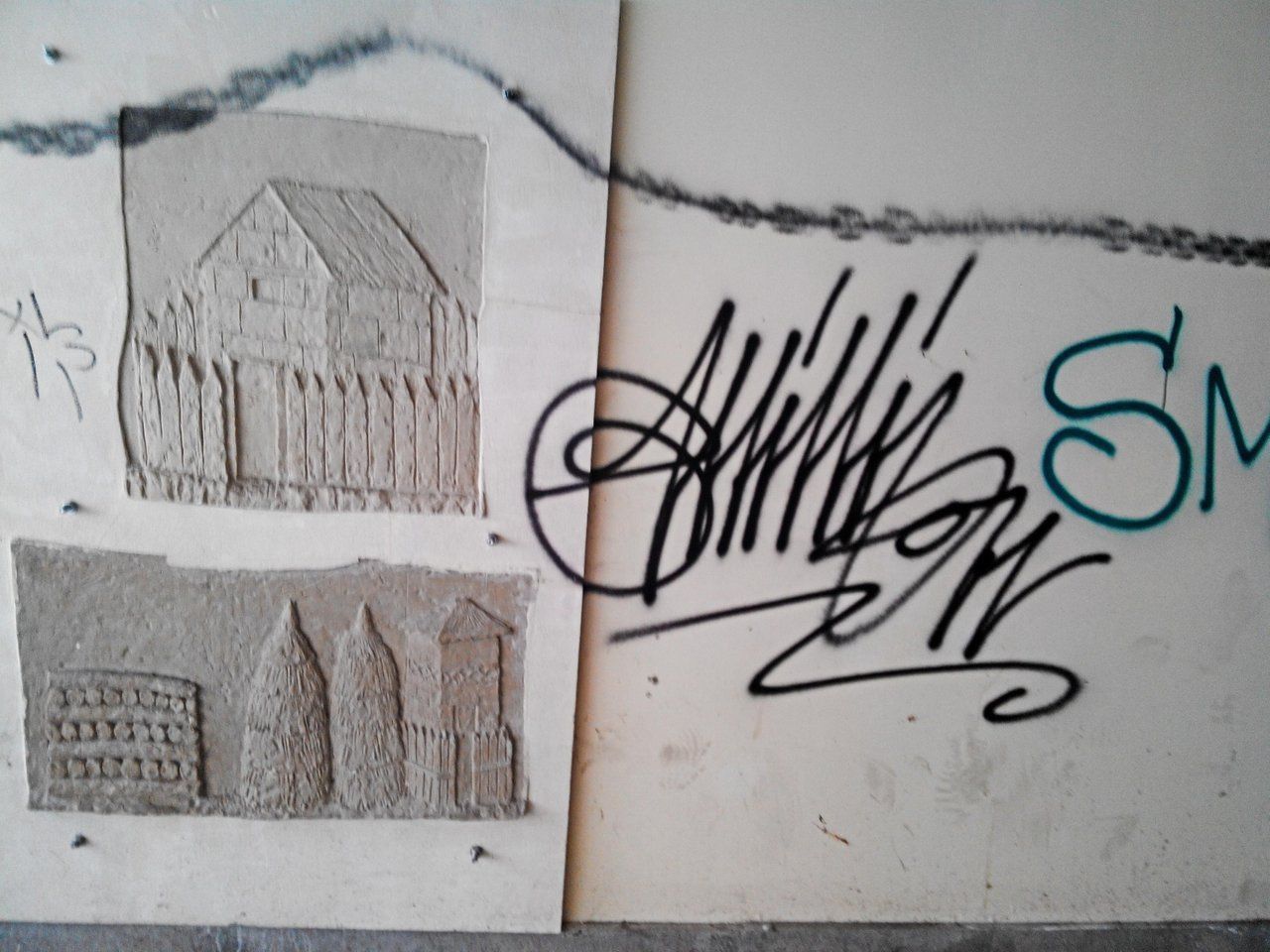
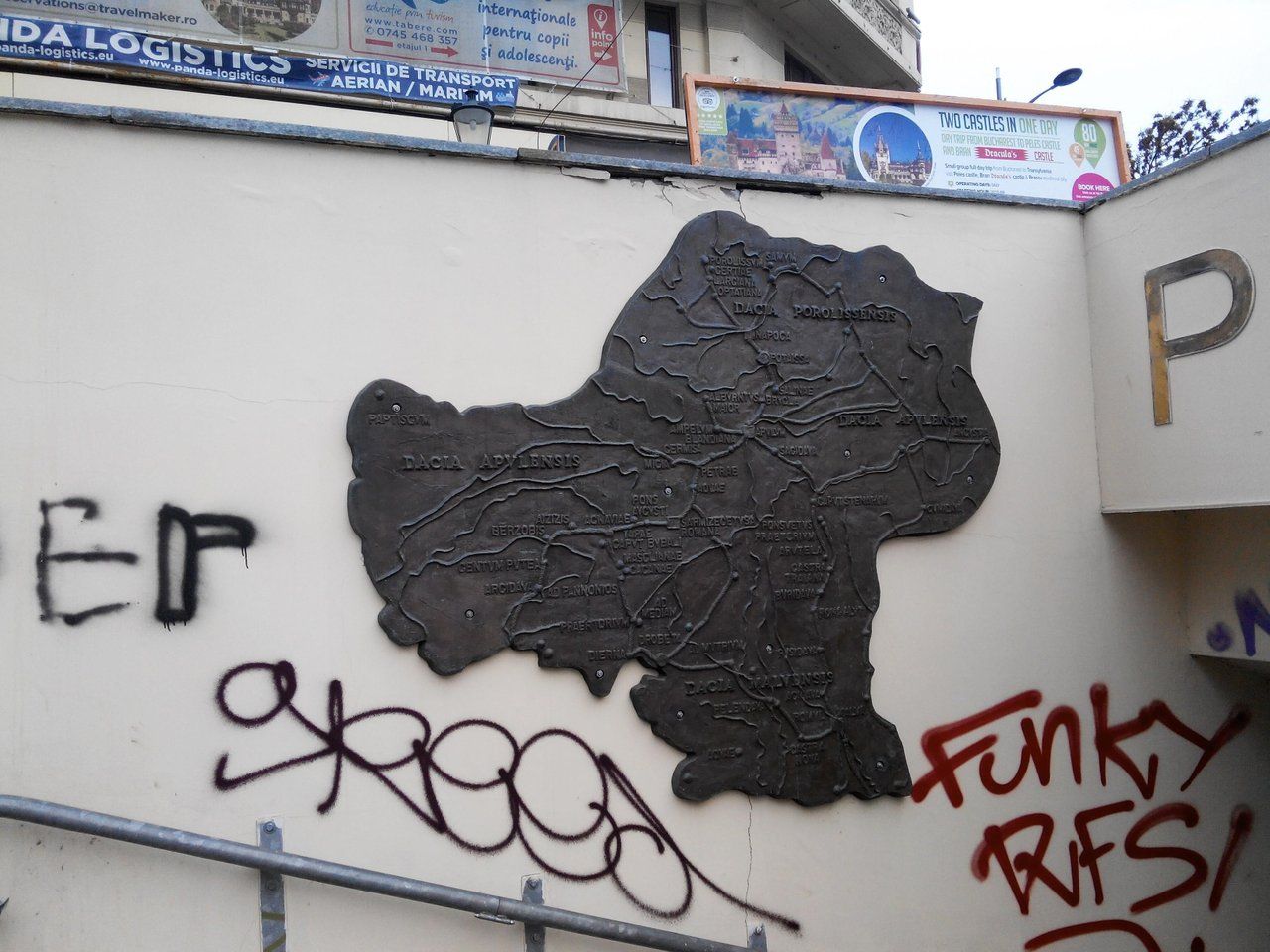
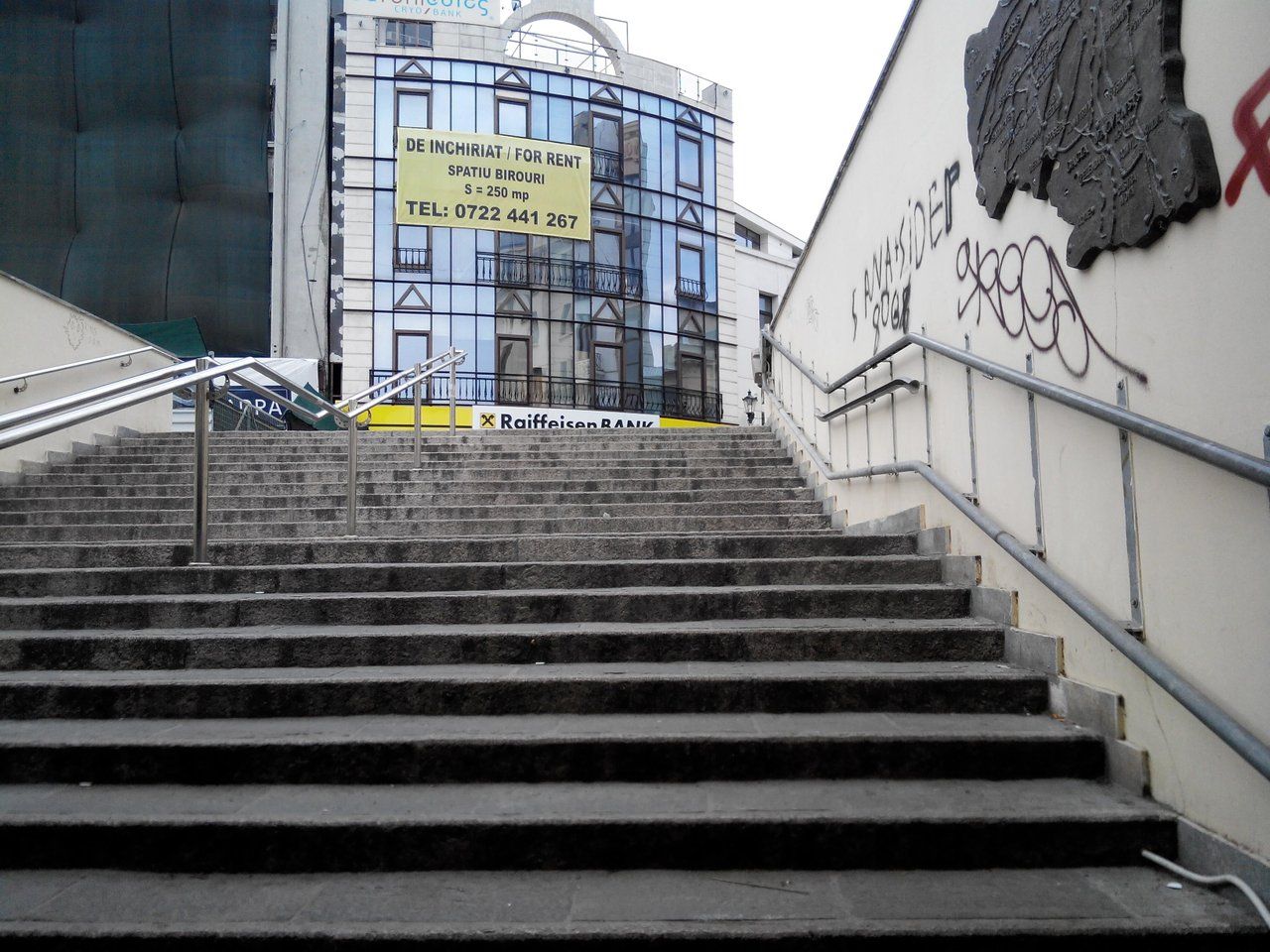
To get to the exhibition I have to go through an underground passage. This passage was arranged last year and was decorated with bas-reliefs representing historical scenes representing Dacia, as our country was called two thousand years ago. Unfortunately, this area was vandalized by graffiti. Unfortunately, the town hall has failed to secure this place.
Dacia Passage
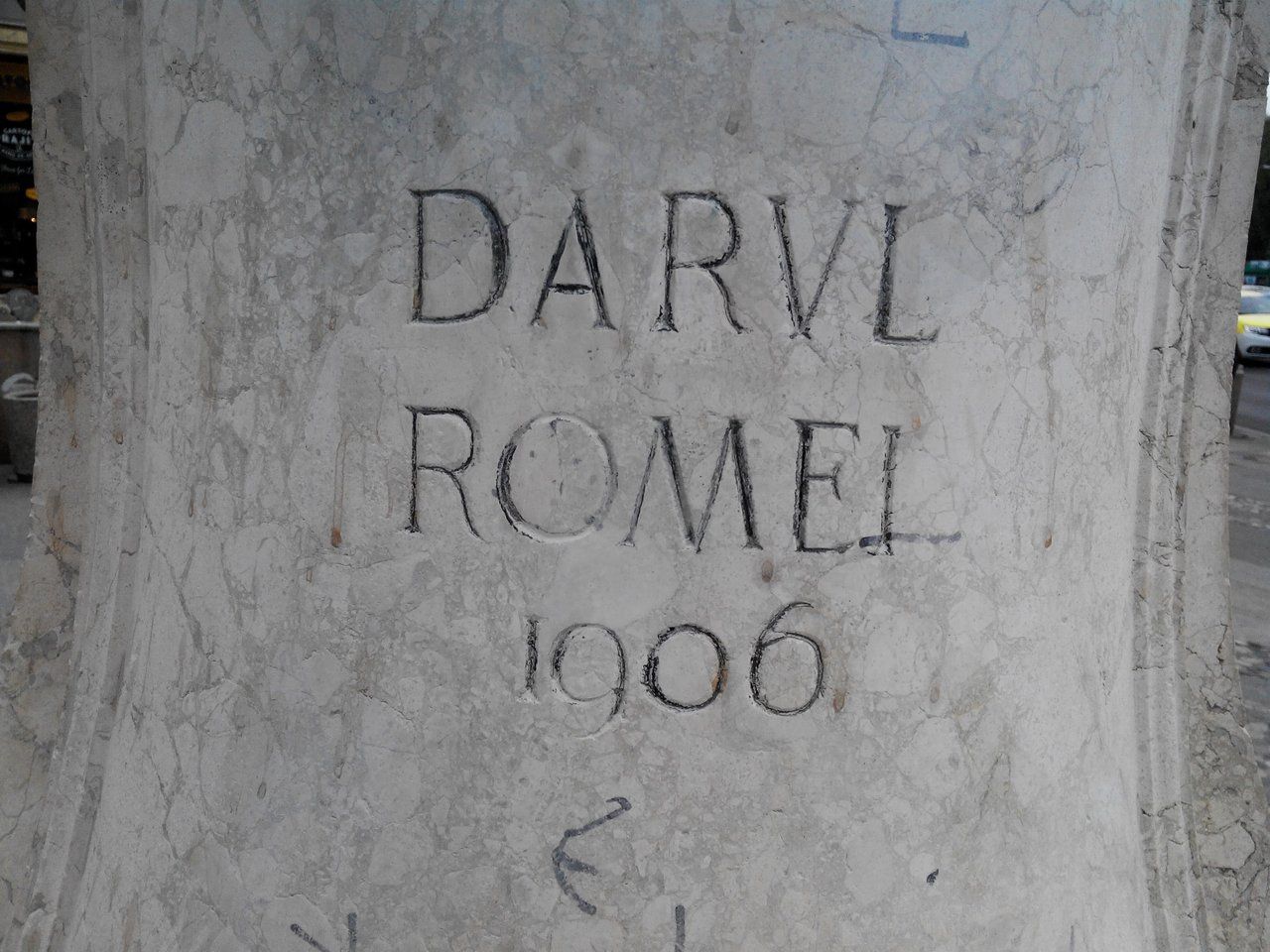
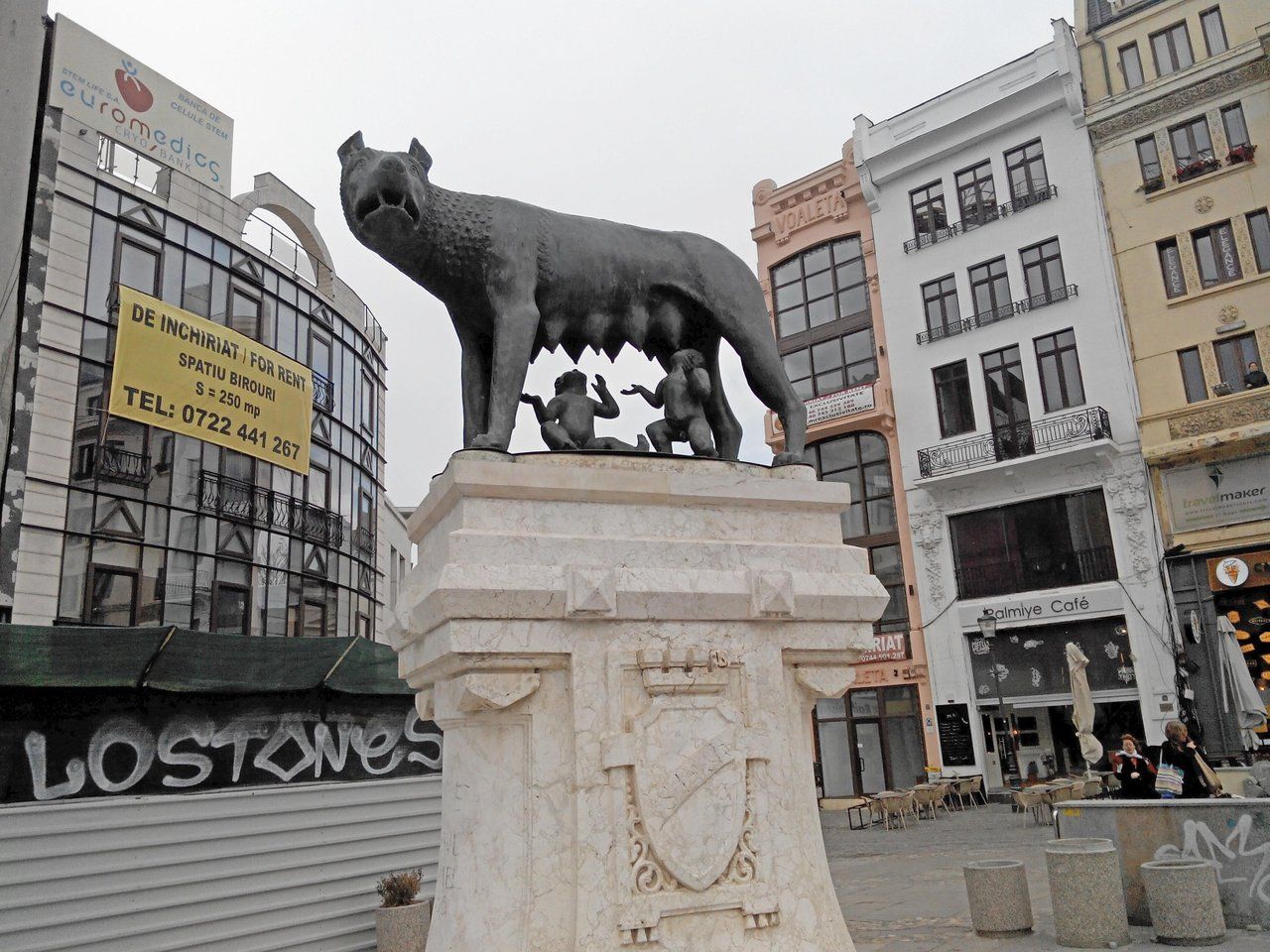
At the exit of this passage there is a very interesting sculpture and dear one. The wolf with the two children Romulus and Remus, the founders of Rome, the capital of the Roman Empire. The statue was given to Bucharest in 1906 by the municipality of Rome as a recognition of the friendship between Italy and Romania. As a recognition of the Latin origin of the Romanian people.
The Gift of Rome
Wolf, the connection between the Roman Empire and Dacia!
The statue is not accidentally placed near that underground passage. There is a great proximity! The Roman Empire conquered Dacia and so the Romanian people appeared. A very interesting fact ... the Dacian flag was a wolf's head!
![6pqsyb6s6f.jpg]()
This was the Dacian flag. Thus was represented on Traian's column, a monument built to honor the defeating Dacia by the Roman Empire led by Trajan. It had the shape of a wolf-head with open mouth, which continued with a body of dragon made of textile or leather that swelled in the beating of the wind, creating a noise that mimicked the roar of the wolves, horrifying the enemy and forming a horizontal serpentiform flame.
The Crown of Steel is the royal crown of Romania, which was cast from the pipe of an Ottoman cannon captured during the War of Independence from 1877 to 1878 in the Battle of Plevna on August 30, 1877. Carol I chose steel, not gold, for to symbolize the bravery of the Romanian soldiers.
At this moment I realize that my walk has a historical character, I didn't propose it but it just happened. Because I have a few steps and I get very close to the royal crown, the crown of the first king of Romania.
Impressively, I was very close to the crown that was on the head of the first king of Romania.
I was there, a ghost on a wall.
Autumn empties the streets and terraces
From that place begins a part of the city that is known as the "Old Center"! An area with streets and buildings hundreds of years old ... now an area full of terraces and restaurants. The most visited area in the city by tourists ... especially at night. I went there that morning, and with the cold of the autumn it was almost without people.
This is the end of my walk from a cold autumn morning. Terraces with empty seats remain to fill in the evening. I go back to the subway and then home.












Comments